
In the world of audio production, the microphone is the primary bridge between a performance and its digital representation. Among the various types of transducers available, the condenser microphone stands out as the industry standard for capturing detail, nuance, and high-frequency clarity. Unlike dynamic microphones, which rely on a rugged coil-and-magnet assembly to handle high sound pressure levels, condenser microphones utilize a lightweight diaphragm suspended in an electrostatic field. This technical distinction dictates exactly where and why they are used.
The Technical Foundations of Condenser Mics
To understand the utility of a condenser microphone, one must first grasp the mechanism behind its operation. At its core, a condenser mic consists of two plates: a solid backplate and a thin, flexible diaphragm located very close to it. When sound waves strike this diaphragm, it moves in relation to the backplate, changing the capacitance between the two.

The Requirement for Phantom Power
Because this electrostatic field requires an electrical charge, condenser microphones must be powered. This is typically achieved through 48V phantom power provided by an audio interface or a mixing console. This power requirement is a non-negotiable aspect of their design, allowing the internal circuitry to operate the impedance converter, which boosts the tiny electrical signal produced by the capsule so that it can be transmitted through an XLR cable without losing high-end frequency detail.
Diaphragm Size and Sensitivity
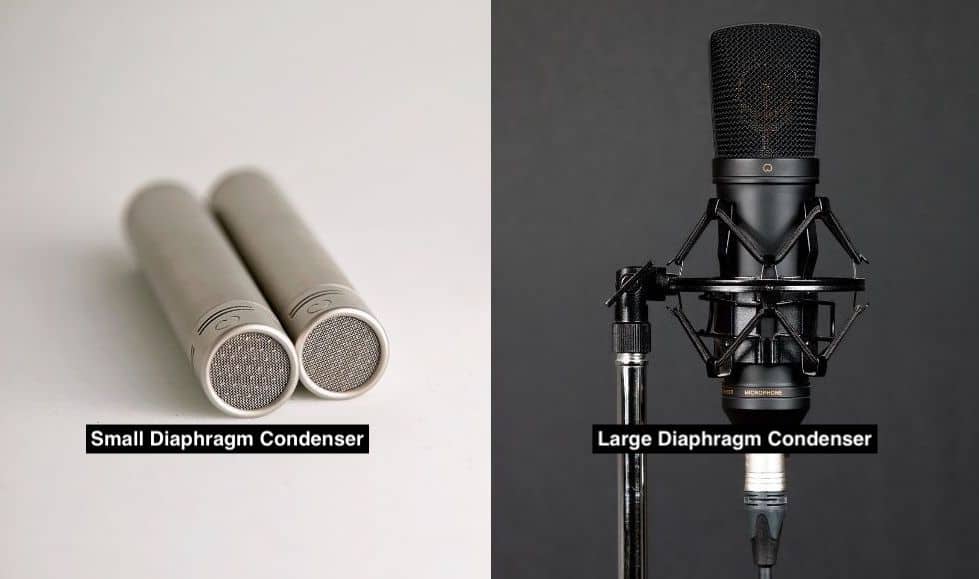
Condenser microphones are broadly divided into large-diaphragm and small-diaphragm variants. Large-diaphragm condensers (LDCs) are prized for their “larger than life” sound, often adding a subtle warmth or coloration that makes them ideal for vocals. Small-diaphragm condensers (SDCs), often referred to as “pencil mics,” are celebrated for their linear frequency response and rapid transient response. These structural differences define their specific roles in both the studio and the field.
Studio Applications: Capturing the Nuance of Performance
The primary domain of the condenser microphone is the professional recording studio. Because these microphones are highly sensitive to fast-moving sound waves, they excel at capturing the “air” and the intricate textures of a performance that a heavier dynamic microphone would simply miss.
Vocal Recording Excellence
When a vocalist steps into the booth, the goal is often to capture the intimate characteristics of their voice—the breathiness, the subtle vibrato, and the harmonic overtones. A large-diaphragm condenser is the go-to tool for this task. The sensitivity of the capsule allows it to pick up the fine details of a performance, creating a finished track that sounds “produced” and “expensive.” Many LDCs are designed with a slight presence boost in the high frequencies, which helps vocals sit prominently in a mix without requiring excessive equalization.
Acoustic Instrumentation
The acoustic guitar, the violin, and the grand piano are instruments defined by their complex harmonic resonance. To capture these instruments effectively, you need a microphone that can translate that complexity accurately. Small-diaphragm condensers are essential here. Because they have a lighter diaphragm, they can react much faster to the initial “attack” of a guitar string or the transient spike of a piano hammer. Using a stereo pair of SDCs to record an acoustic guitar captures the spatial image and the natural decay of the instrument, providing a level of realism that dynamic microphones cannot replicate.
Specialized Roles: Foley, Field Recording, and Broadcasting
Beyond the musical studio, condenser microphones play a pivotal role in the film and broadcast industries. Their ability to respond to distant, quiet sounds makes them indispensable for jobs where audio quality is paramount.
The Shotgun Microphone for Film
A specific evolution of the condenser microphone is the shotgun microphone. Utilizing an interference tube design, these microphones possess a highly directional polar pattern. They are designed to ignore sound coming from the sides and focus entirely on the subject in front of them. This is the industry standard for location sound recording in television and film production. A boom operator uses a shotgun condenser to isolate dialogue in noisy environments, ensuring that the listener hears the actor’s lines clearly while the surrounding ambient noise is effectively rejected.
Podcast and Broadcast Production
In the modern era of high-end podcasting and radio, condenser microphones have become the gold standard for achieving that “pro-broadcast” sound. While dynamic microphones are sometimes preferred for their ability to reject background room noise, podcasters who treat their recording spaces with acoustic dampening often opt for condenser mics. The result is a richer, more detailed voiceover that sounds professional and engaging. When paired with a quality pop filter to manage plosives, a condenser mic provides the clarity required for long-form narrative content.
Foley and Sound Design
Sound designers for video games and films rely on the sensitivity of condenser microphones to capture “Foley”—the process of creating everyday sound effects. Whether it is the sound of footsteps on gravel, the rustle of fabric, or the subtle movement of a prop, the condenser mic’s ability to resolve high frequencies ensures that these small sounds translate as large, believable sonic textures. By placing a condenser mic in close proximity to the source, a Foley artist can capture the “grit” and “texture” of the sound, which provides the necessary depth to make virtual worlds feel tactile.
Critical Considerations for Using Condenser Mics
While the benefits of using a condenser microphone are significant, they come with a set of operating conditions that the user must respect to achieve quality results.
The Importance of Acoustic Environment
Because condenser microphones are highly sensitive, they are not just capturing the source; they are also capturing the room. If you record in a space with hard, reflective surfaces, the mic will pick up the “slap-back” echo of the room, which can lead to a muddy or unprofessional-sounding recording. Using a condenser microphone effectively requires a degree of acoustic treatment. This might include foam panels, bass traps, or simply soft furniture and heavy curtains to dampen the room’s reflections.
Managing Humidity and Handling Noise
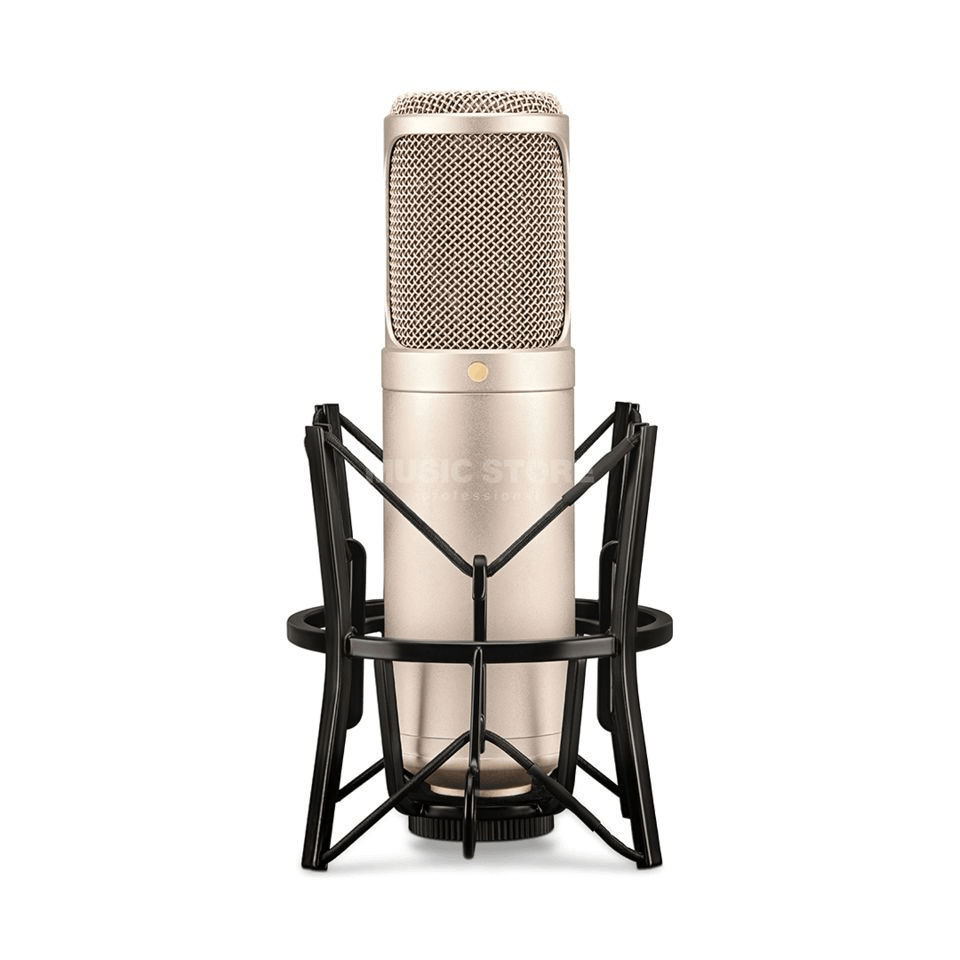
The delicate nature of the condenser capsule also makes it susceptible to environmental factors. Extremely high humidity can cause the electrostatic charge in the capsule to discharge, leading to crackling or complete signal failure. Furthermore, because these mics are so sensitive to mechanical vibration, they must always be used with a shock mount. A shock mount uses elastic bands to isolate the microphone from the stand, preventing low-frequency rumbles caused by footsteps on the floor or bumps to the desk from being transmitted through the mic stand and into the recording.
Polar Patterns and Versatility
One of the most powerful features of high-end condenser microphones is the ability to change polar patterns. Many LDCs offer switches for cardioid, omnidirectional, and figure-eight patterns.
- Cardioid is for isolating a single source.
- Omnidirectional is for capturing a natural room sound or multiple singers around one mic.
- Figure-eight is essential for “mid-side” stereo recording techniques or recording two people face-to-face.
Understanding how to toggle these patterns allows the user to adapt a single condenser microphone to an incredibly wide variety of professional scenarios.
By mastering the condenser microphone, one gains control over the most essential tool in the audio engineer’s kit. Whether you are recording a delicate vocal performance, capturing the intricate decay of a cello, or isolating dialogue on a film set, the condenser mic provides the fidelity necessary to translate the physical world into a pristine digital stream. It is the bridge between performance and professional-grade audio, requiring only a proper environment and careful handling to produce world-class results.
aViewFromTheCave is a participant in the Amazon Services LLC Associates Program, an affiliate advertising program designed to provide a means for sites to earn advertising fees by advertising and linking to Amazon.com. Amazon, the Amazon logo, AmazonSupply, and the AmazonSupply logo are trademarks of Amazon.com, Inc. or its affiliates. As an Amazon Associate we earn affiliate commissions from qualifying purchases.