
In the fast-evolving landscape of technology, where innovation is constant and complexity is the norm, the ability to organize thoughts, structure problems, and design solutions effectively is paramount. This is precisely where a conceptual framework becomes an indispensable tool. Far from being a mere academic construct, a conceptual framework in technology serves as the foundational blueprint that underpins everything from software architecture and AI model development to digital security protocols and user experience design. It is the organized structure of ideas, concepts, and principles that guides our understanding and action within a specific domain or project.
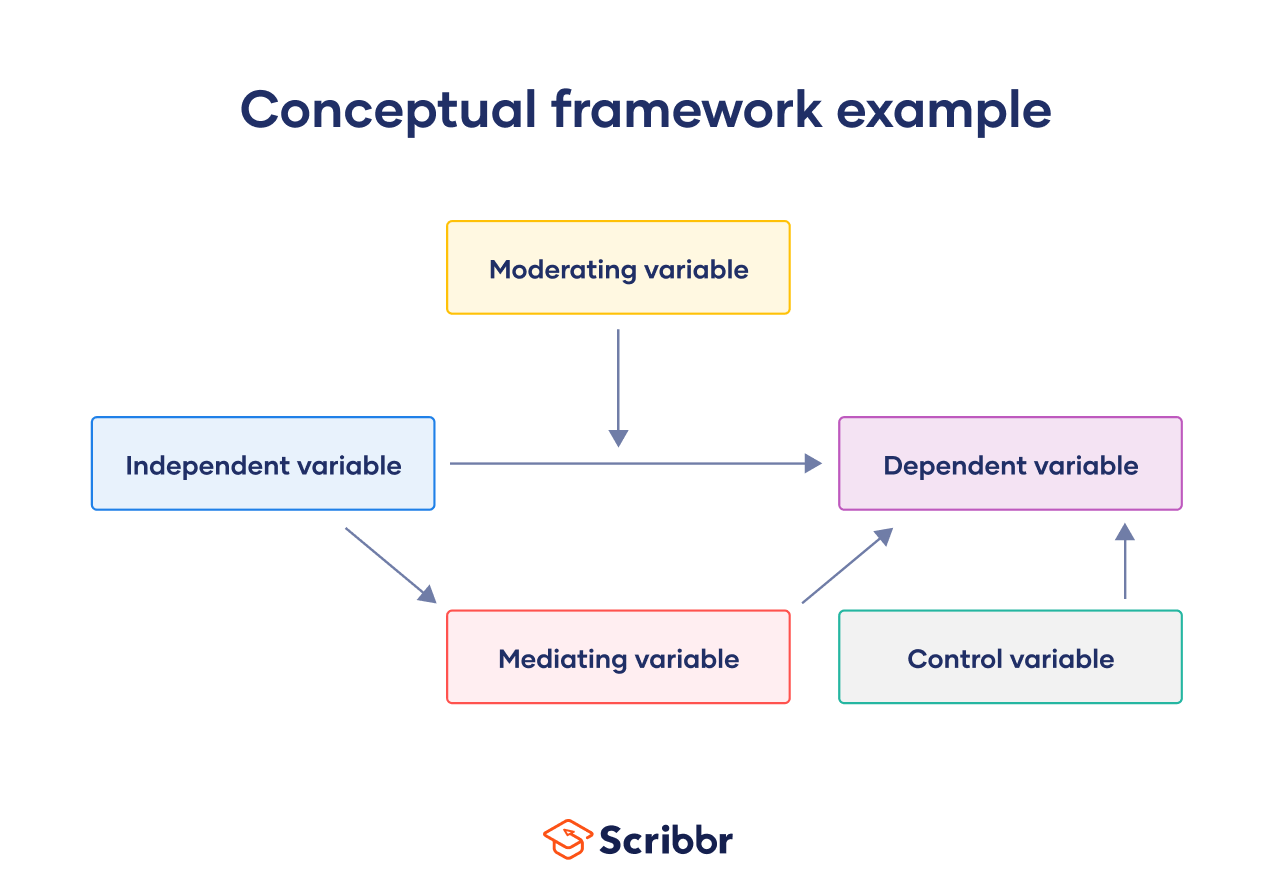
At its core, a conceptual framework is a system of related concepts, beliefs, and assumptions that helps an individual or a team define a problem, formulate a strategy, or build a system. In the tech world, this translates into a clear, visual, or textual representation of how various components interrelate, how data flows, what principles govern a system’s behavior, and how different aspects of a project contribute to its overall objective. Without such a framework, tech projects risk becoming an unmanageable tangle of disparate ideas, leading to inefficiencies, increased errors, and ultimately, project failure.
The Blueprint for Innovation: Understanding Conceptual Frameworks in Tech
A conceptual framework provides the necessary structure to navigate the inherent complexities of technological innovation. It’s not just about brainstorming ideas; it’s about systematically organizing those ideas into a coherent model that can be tested, refined, and implemented. For tech professionals, this means moving beyond ad-hoc problem-solving to a more strategic, informed approach.
More Than Just a Diagram: Core Components
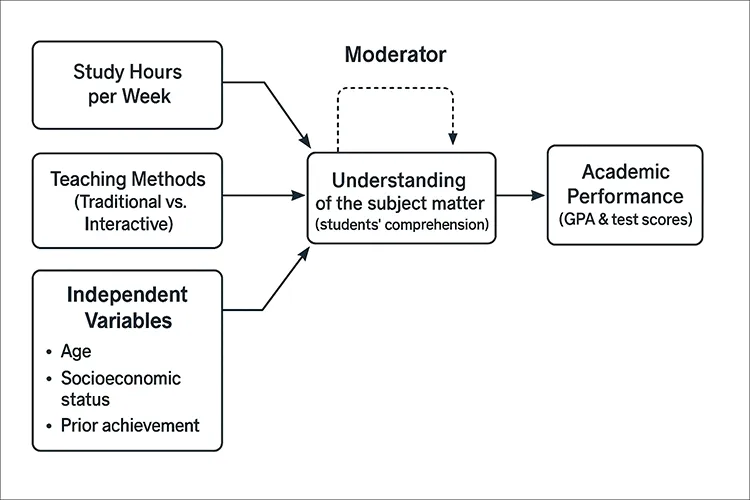
While often visualized through diagrams, flowcharts, or architectural sketches, a conceptual framework encompasses more than just its visual representation. Its core components typically include:
- Key Concepts and Variables: Identifying the fundamental elements or factors at play. In software, these could be modules, services, user roles, or data types. In AI, they might be features, labels, models, or algorithms.
- Relationships and Interactions: Defining how these concepts connect and influence each other. This is crucial for understanding dependencies and data flow within a system.
- Underlying Principles and Assumptions: The foundational rules or beliefs guiding the design or investigation. For instance, a framework for a secure application might assume that all external inputs are untrusted.
- Context and Boundaries: Specifying the scope of the framework and the environment in which it operates. This helps in avoiding scope creep and focusing on relevant aspects.
- Objectives and Outcomes: Clearly stating what the framework aims to achieve, whether it’s a specific system behavior, a research finding, or a business goal.
These components work in concert to create a holistic view, enabling teams to see the forest and the trees—understanding individual parts while never losing sight of the overall system.
From Abstract Ideas to Tangible Solutions
The journey from a nascent idea to a fully functional technological product or service is fraught with challenges. A conceptual framework acts as the critical bridge, transforming abstract concepts into actionable plans. For instance, developing a new AI-powered recommendation engine requires more than just knowing about machine learning algorithms. It demands a framework that outlines: the types of user data to collect, how that data will be processed and stored (data pipeline), the specific algorithms to be employed, the metrics for evaluating recommendations, and how the engine will integrate with existing applications. This structured approach ensures that the development process is deliberate, logical, and aligned with defined goals, minimizing the chances of costly reworks and missed deadlines.
Architecting Intelligence: Conceptual Frameworks in AI and Software Development
The power of conceptual frameworks is most evident in the structured domains of artificial intelligence and software engineering, where complexity is inherent, and precision is paramount.
Guiding AI Model Design and Deployment
In Artificial Intelligence, a conceptual framework is the scaffolding upon which intelligent systems are built. When designing an AI solution, whether it’s for natural language processing, computer vision, or predictive analytics, a framework helps to:
- Define the Problem Space: Clearly articulating what problem the AI is intended to solve, its scope, and desired outcomes.
- Map Data Requirements: Identifying necessary data sources, types, and volumes, along with strategies for data collection, cleaning, and labeling.
- Select Algorithms and Models: Guiding the choice of machine learning algorithms (e.g., supervised, unsupervised, reinforcement learning) and model architectures (e.g., neural networks, decision trees) based on the problem and data characteristics.
- Establish Evaluation Metrics: Determining how the AI model’s performance will be measured (e.g., accuracy, precision, recall, F1-score, latency) and what constitutes success.
- Plan for Deployment and Integration: Outlining how the trained model will be integrated into existing systems, how it will be monitored, and strategies for continuous improvement and maintenance.
- Address Ethical Considerations: Incorporating principles of fairness, transparency, and accountability into the design from the outset.
Without such a framework, AI projects can quickly descend into trial-and-error, leading to models that are brittle, biased, or simply fail to meet business objectives. A well-defined framework ensures a systematic approach, from initial ideation to long-term operationalization.
Structuring Robust Software Systems
For software developers and architects, conceptual frameworks are the bedrock of creating scalable, maintainable, and secure applications. They manifest in various forms:
- Software Architecture Patterns: Frameworks like Model-View-Controller (MVC), microservices architecture, or layered architecture are conceptual frameworks that define how different parts of a software system should be organized and interact.
- Domain-Driven Design (DDD): A conceptual framework that emphasizes modeling the software around the core business domain, using a “ubiquitous language” understood by both developers and domain experts.
- Data Flow Diagrams (DFDs) and Entity-Relationship Diagrams (ERDs): Visual conceptual frameworks that depict how data moves through a system and how different entities relate to each other in a database, respectively.
- Security Frameworks: Outlining principles and practices for securing a system, covering authentication, authorization, data encryption, and vulnerability management.
These frameworks provide a common language and a shared understanding among development teams, facilitating collaboration and ensuring consistency across various modules and components. They help identify potential bottlenecks, security vulnerabilities, and integration challenges early in the development lifecycle, leading to more robust and reliable software.
The Role in Data Science and Analytics
In data science, conceptual frameworks are vital for transforming raw data into actionable insights. A data science framework typically outlines:
- Problem Definition: Clearly stating the business question or hypothesis to be addressed.
- Data Acquisition and Preparation: Strategies for sourcing, cleaning, transforming, and integrating data.
- Exploratory Data Analysis (EDA): Methods for understanding data characteristics, distributions, and potential relationships.
- Model Building and Evaluation: The selection of statistical or machine learning models, training procedures, and validation techniques.
- Deployment and Communication: How insights or models will be delivered to stakeholders and integrated into decision-making processes.
This structured approach ensures that data analysis is purposeful, reproducible, and directly addresses the underlying business or technical challenge.
Strategic Advantages: Why Tech Teams Need Conceptual Frameworks
Implementing conceptual frameworks is not merely a procedural step; it’s a strategic imperative that yields significant benefits for tech organizations.
Enhancing Clarity and Communication
One of the most immediate benefits of a conceptual framework is its ability to clarify complex ideas and foster better communication. In a multidisciplinary tech team comprising developers, designers, product managers, and QA engineers, a shared framework provides a common understanding of the project’s scope, components, and interdependencies. It acts as a single source of truth, reducing ambiguities and misinterpretations that often plague large-scale projects. This clarity allows team members to align their efforts, articulate their challenges more precisely, and make more informed decisions collaboratively.
Driving Efficiency and Reducing Risk
By offering a structured approach, conceptual frameworks significantly boost efficiency. They enable teams to identify potential issues, dependencies, and resource requirements upfront, allowing for proactive planning and mitigation strategies. This foresight reduces the likelihood of costly rework, delays, and unexpected challenges later in the development cycle. For instance, a well-defined architectural framework for a new service can expose scaling limitations or security vulnerabilities before a single line of code is written, saving countless hours and resources. It helps in optimizing resource allocation and streamlining workflows, leading to faster development cycles and more predictable outcomes.
Fostering Scalability and Adaptability
The tech landscape is constantly changing, demanding systems that are not only robust but also adaptable and scalable. A robust conceptual framework is designed with these considerations in mind. By modularizing components and clearly defining interfaces, it lays the groundwork for systems that can easily integrate new features, handle increased loads, or adapt to evolving user requirements without requiring a complete overhaul. This forward-thinking approach ensures that the technology built today remains relevant and effective tomorrow, protecting investments and enabling future growth. For instance, an API design framework ensures new integrations are smooth, while a microservices framework allows individual services to scale independently.
Implementing a Conceptual Framework: Best Practices for Tech Professionals
Adopting and effectively utilizing conceptual frameworks requires a deliberate approach. Here are some best practices for tech professionals:
Starting with the Problem Statement
Every robust conceptual framework begins with a clear and concise problem statement. Before diving into solutions or technologies, clearly articulate what problem you are trying to solve, for whom, and why it matters. This foundational step ensures that the framework remains focused and relevant, preventing the development of solutions that do not address actual needs. For example, before designing a new security system, define the specific threats it needs to counter and the assets it needs to protect.
Iteration and Refinement
Conceptual frameworks are not static documents; they are living blueprints that evolve with the project. As new information emerges, requirements change, or initial assumptions are invalidated, the framework should be revisited, refined, and updated. Encourage an iterative approach where the framework is continuously reviewed and improved upon by the entire team, incorporating feedback and lessons learned throughout the project lifecycle. Agile methodologies, for instance, naturally lend themselves to this iterative refinement.
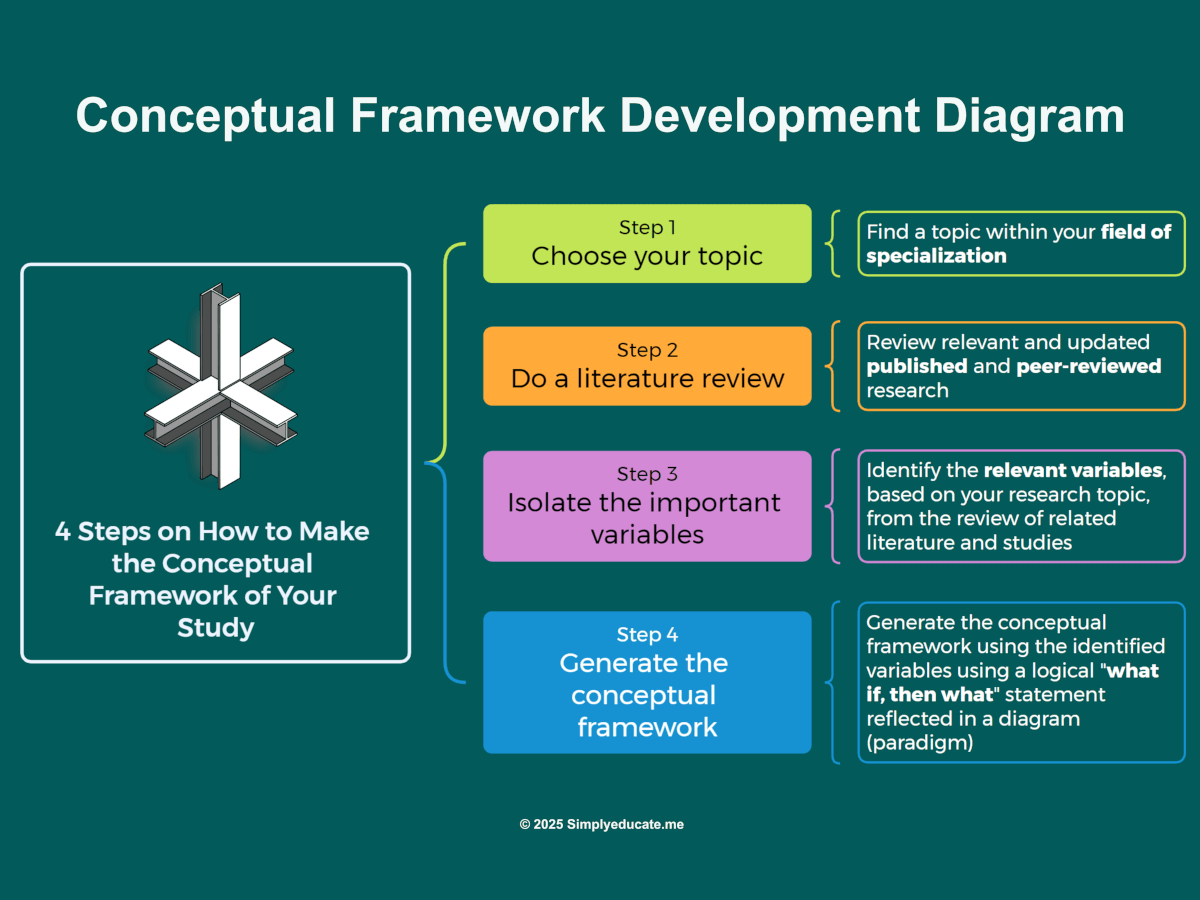
Tools and Techniques for Visualization
Given their abstract nature, visualizing conceptual frameworks is crucial for understanding and communication. Leverage various tools and techniques to represent your framework effectively:
- Diagramming Tools: Use tools like draw.io, Lucidchart, or Miro for creating flowcharts, architectural diagrams, ERDs, and DFDs.
- UML (Unified Modeling Language): For software systems, UML provides a standardized way to visualize system design, including class diagrams, sequence diagrams, and use case diagrams.
- Whiteboarding and Collaborative Tools: For initial brainstorming and real-time collaboration, digital whiteboards or physical whiteboards are invaluable for quickly sketching and discussing framework components.
- Documentation and Wikis: Maintain comprehensive documentation of the framework’s concepts, principles, and rationale in a shared wiki or knowledge base, making it accessible to all team members.
By embracing conceptual frameworks, tech professionals can move beyond ad-hoc problem-solving to a more strategic, organized, and ultimately successful approach to innovation. They are the invisible architecture that supports the visible marvels of modern technology, ensuring clarity, efficiency, and adaptability in an ever-complex digital world.
aViewFromTheCave is a participant in the Amazon Services LLC Associates Program, an affiliate advertising program designed to provide a means for sites to earn advertising fees by advertising and linking to Amazon.com. Amazon, the Amazon logo, AmazonSupply, and the AmazonSupply logo are trademarks of Amazon.com, Inc. or its affiliates. As an Amazon Associate we earn affiliate commissions from qualifying purchases.