
In the world of high-level brand strategy and corporate identity, the medium is often the message. While visual aesthetics—logos, color palettes, and typography—command much of the initial attention, the structural integrity of a brand’s written voice determines its long-term authority and resonance. Among the various tools in a copywriter’s arsenal, the compound-complex sentence stands out as the ultimate vehicle for nuance, sophistication, and narrative depth.
But what exactly is a compound-complex sentence in the context of professional branding, and why does it matter for your corporate identity? To understand this, we must look beyond basic grammar and view sentence structure as a strategic asset that shapes how an audience perceives a brand’s intelligence, reliability, and market position.
The Linguistic Architecture of Brand Trust: Defining the Compound-Complex Structure
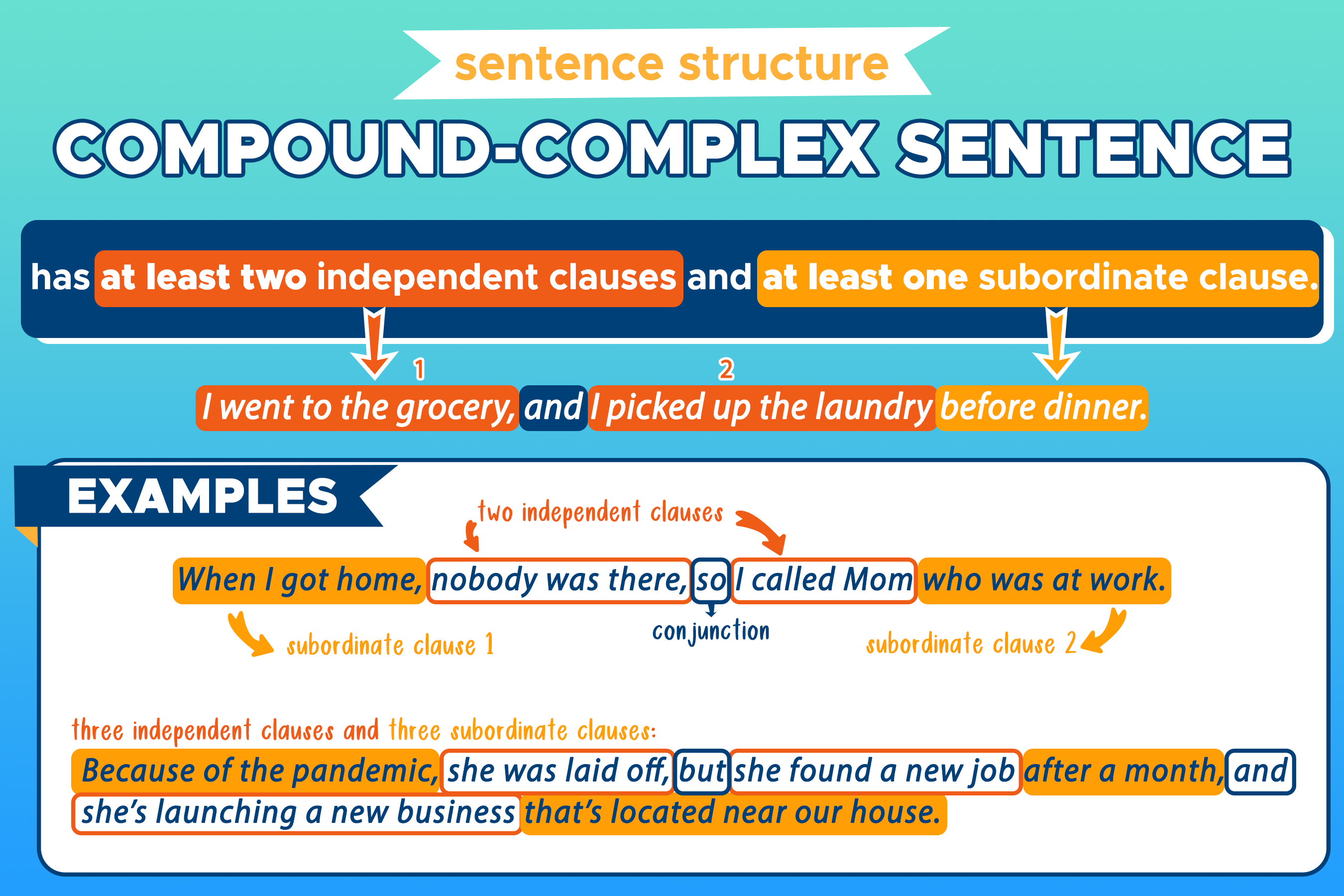
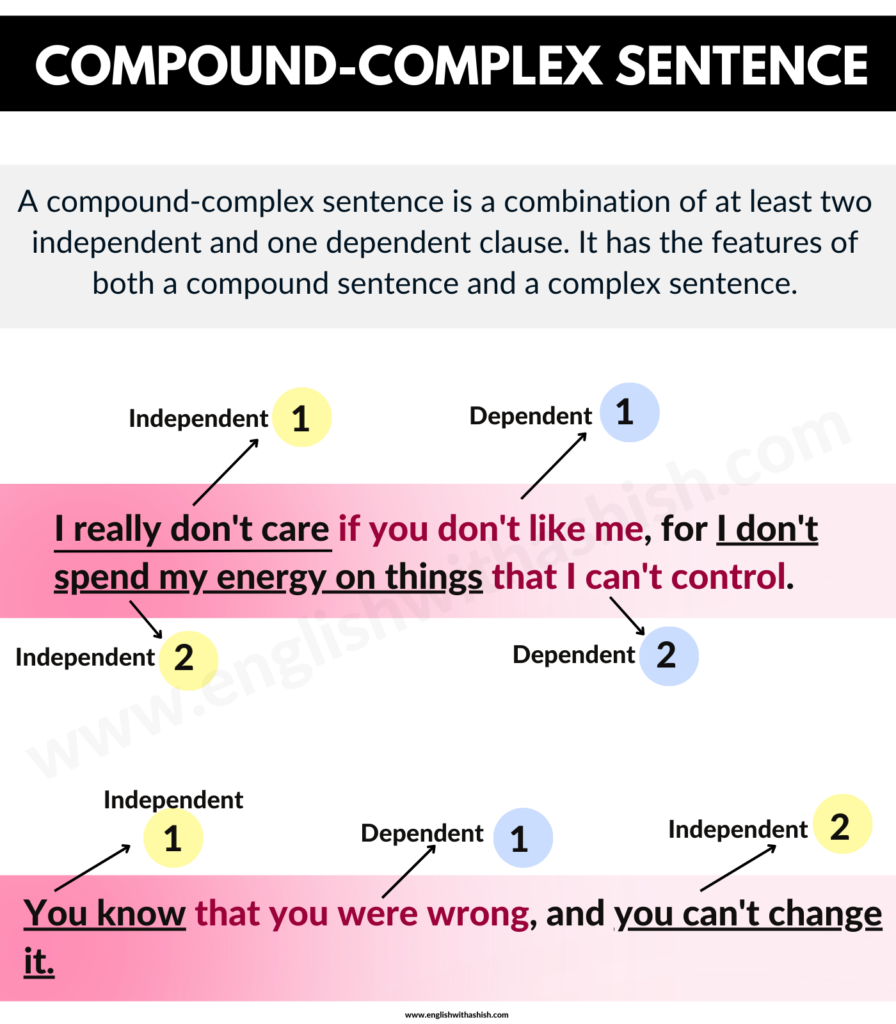
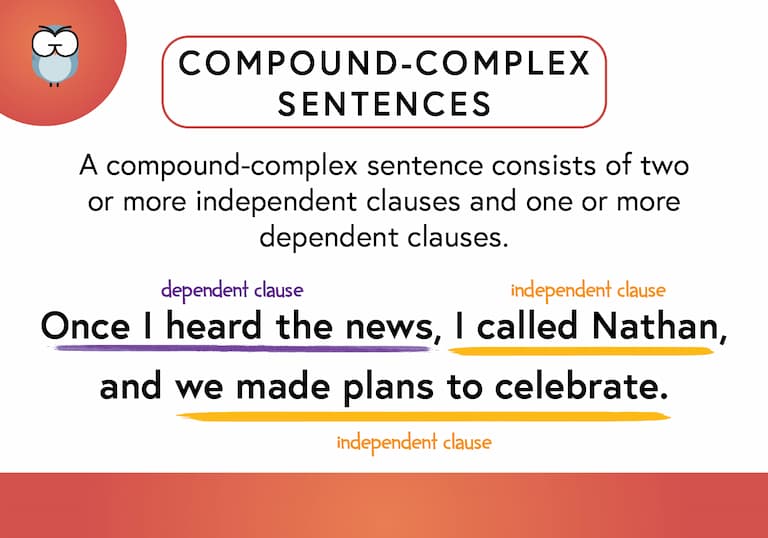
In branding, clarity is king, but depth is what builds a kingdom. A compound-complex sentence is the most sophisticated sentence structure available in the English language. By definition, it contains at least two independent clauses (complete thoughts that can stand alone) and at least one dependent clause (a thought that provides context but cannot stand alone).
The Anatomy of Sophistication
To utilize this structure effectively in brand messaging, one must understand its moving parts. An independent clause functions like a brand’s core value proposition—it is strong and self-sufficient. A dependent clause, conversely, functions like the “why” or the “how” behind that proposition. When combined, they create a narrative flow that simple or compound sentences cannot achieve.
For example: “Our firm provides bespoke wealth management solutions (independent), and because we prioritize long-term stability over short-term gains (dependent), our clients enjoy unparalleled peace of mind (independent).”
Establishing Authority Through Syntax
When a brand utilizes compound-complex sentences, it signals to the audience that the organization is capable of handling multifaceted ideas. In industries such as luxury goods, legal services, or high-end consultancy, the ability to weave together complex thoughts into a cohesive, rhythmic sentence builds “Brand Equity.” It suggests a level of intellectual rigor that simpler, punchier “marketing speak” often lacks.
Strategic Positioning: When Complexity Enhances a Brand’s Identity
Not every brand should communicate in compound-complex structures. A brand’s “Tone of Voice” (ToV) must align with its market positioning. However, for brands aiming for a “Sage” or “Ruler” archetype, these sentences are indispensable.
The Luxury and Heritage Sector
High-end brands like Patek Philippe or Rolls-Royce do not just sell products; they sell legacies. Their brand narratives often require the nuance that only complex structures can provide. By using compound-complex sentences, these brands can acknowledge their historical heritage while simultaneously looking toward future innovation. This dual-focus requires a sentence structure that can hold multiple timelines and values at once without breaking.
B2B Thought Leadership and Corporate Identity
In the B2B space, particularly within software-as-a-service (SaaS) or global logistics, the sales cycle is long and involves multiple stakeholders. Here, the compound-complex sentence serves as a bridge. It allows a brand to address a pain point, offer a solution, and provide a qualifying benefit all within a single, elegant breath. This efficiency in thought-processing can significantly shorten the “trust gap” between a corporation and its potential partners.
The “Sophisticated Narrator” Persona
When a brand adopts the persona of an industry expert, its writing must reflect a mastery of the subject matter. Short, choppy sentences can sometimes come across as overly aggressive or “salesy.” By introducing compound-complex structures, a brand slows down the reader’s pace, forcing them to engage more deeply with the content. This increased engagement time is a critical metric in digital branding and content marketing.
The Pitfalls of Over-Engineering: Balancing Nuance with Brand Clarity
While the compound-complex sentence is a powerful tool for establishing brand depth, it carries the risk of “Brand Friction.” If a sentence is too dense, the reader may experience cognitive overload, leading to a loss of interest or, worse, a lack of trust.
Avoiding the “Fog Index” in Marketing
The Gunning Fog Index measures the readability of English writing. High-end brand strategy often aims for a balance where the writing feels elevated but remains accessible. The danger of the compound-complex sentence is that it can easily devolve into “corporate speak”—a dialect characterized by verbosity and a lack of clear meaning.
To maintain brand integrity, every dependent clause in a compound-complex sentence must serve a purpose. If a phrase doesn’t add necessary context, it should be excised to preserve the brand’s “Minimum Viable Clarity.”
The Rule of Varied Sentence Length
The most successful brand identities utilize what is known as “rhythmic prose.” This involves mixing simple, compound, and compound-complex sentences to create a natural, human-like cadence.
- The Simple Sentence: Grabs attention. (e.g., “We build the future.”)
- The Compound Sentence: Connects ideas. (e.g., “We build the future, and we do it sustainably.”)
- The Compound-Complex Sentence: Provides the philosophy. (e.g., “While others focus on quarterly results, we build the future through sustainable innovation, and our partners share in that long-term vision.”)
By alternating these structures, a brand avoids sounding robotic or overly academic, maintaining an “Engaging Professionalism.”
Implementing the Compound-Complex Structure in Brand Guidelines
To ensure consistency across a global organization, brand managers must include specific instructions on sentence structure within their style guides. This ensures that whether a social media manager in London or a PR head in Tokyo is writing, the brand’s structural “DNA” remains intact.
Establishing the “Complexity Threshold”
A brand’s style guide should define its “Complexity Threshold.” For a disruptive tech startup, the threshold might be low, favoring 80% simple sentences. For a global investment bank, the threshold might be higher, allowing for more frequent use of compound-complex structures to convey expertise.
Training Copywriters for Brand Voice
Copywriters must be trained to recognize the “hinge points” of a compound-complex sentence—the conjunctions (and, but, for) and the subordinating conjunctions (although, because, while). Strategic placement of these hinges can change the entire “vibe” of a brand.
- Starting with a dependent clause (e.g., “Because we care…”) creates a brand that feels empathetic.
- Ending with a dependent clause (e.g., “…which is why we lead.”) creates a brand that feels conclusive and powerful.
Case Study: The “Economist” Approach
The Economist is a masterclass in brand identity through syntax. They frequently use compound-complex sentences to analyze global events. Their structure allows them to present a fact (independent clause), provide a counter-argument or context (dependent clause), and conclude with an editorial stance (independent clause). This creates a brand identity that is seen as the “gold standard” for intelligent, global discourse.
The Future of Brand Narrative: AI and Syntactic Depth
As Artificial Intelligence becomes more prevalent in content creation, the human ability to craft intentional, nuanced compound-complex sentences becomes a key differentiator. AI often defaults to predictable patterns or overly flowery “hallucinated” complexity.
The “Human Touch” in Professional Branding
Strategic branding in the next decade will rely on “Syntactic Signature.” This is the unique way a brand structures its thoughts. Because compound-complex sentences require a high level of intentionality—balancing multiple ideas and weights—they are harder for basic AI models to replicate without sounding clunky. Brands that master this will sound more “authentic” and “human” than those relying on generated, simplistic templates.
Conclusion: Language as a Competitive Advantage
Understanding “what is a compound-complex sentence” is not merely a linguistic exercise; it is a fundamental requirement for sophisticated brand management. By mastering this structure, brand strategists can move beyond the “what” of their products and effectively communicate the “how” and the “why.”
In an era of shrinking attention spans, the ability to hold a reader’s interest through complex, beautifully structured thought is a rare and valuable competitive advantage. It is the difference between a brand that simply speaks and a brand that is truly heard. Whether you are defining a corporate identity for a Fortune 500 company or building a personal brand as a thought leader, the compound-complex sentence is your most powerful tool for conveying the depth of your vision.
aViewFromTheCave is a participant in the Amazon Services LLC Associates Program, an affiliate advertising program designed to provide a means for sites to earn advertising fees by advertising and linking to Amazon.com. Amazon, the Amazon logo, AmazonSupply, and the AmazonSupply logo are trademarks of Amazon.com, Inc. or its affiliates. As an Amazon Associate we earn affiliate commissions from qualifying purchases.