
In the complex landscape of modern commerce, “compliance” is a term that carries significant weight. For business owners, financial controllers, and executive leadership, a compliance issue is not merely a bureaucratic hurdle; it is a critical vulnerability that can threaten the fiscal health and long-term viability of an organization. At its core, a compliance issue occurs when a company fails to adhere to the external laws, regulations, guidelines, and specifications relevant to its business, or internal policies set by the company itself. When these standards are missed, the resulting financial, operational, and reputational damages can be catastrophic.
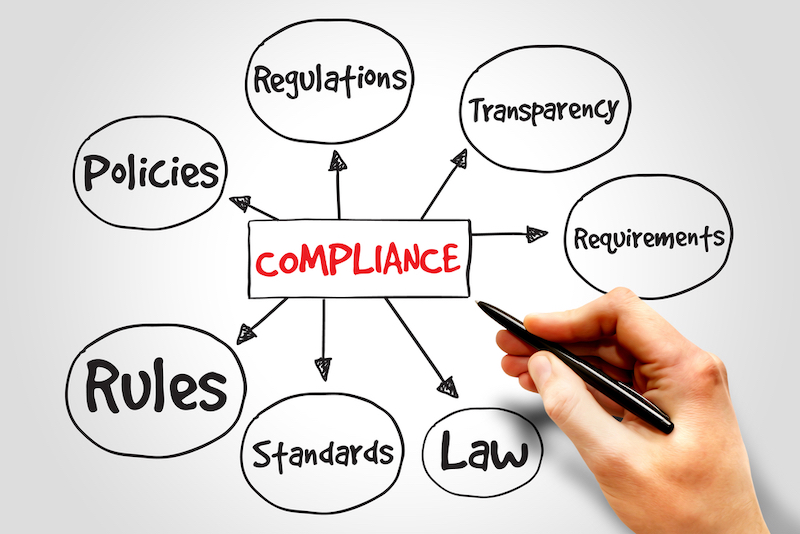
Understanding compliance issues requires a shift in perspective. Instead of viewing adherence to rules as a drain on resources, successful organizations view it as a cornerstone of risk management. Whether you are navigating the complexities of tax law, adhering to industry-specific financial reporting standards, or ensuring that employee compensation aligns with local labor regulations, compliance is the bedrock of a sustainable financial strategy.
The Anatomy of a Financial Compliance Issue
A compliance issue is rarely a singular event; it is often the culmination of systemic gaps within an organization’s financial infrastructure. To manage these risks, one must first categorize how and where these issues manifest.
Regulatory Breaches and Statutory Non-Compliance
The most prominent category of compliance issues involves the violation of government-mandated laws. For businesses, this often relates to taxation, revenue recognition, and financial reporting. If a company fails to report taxable income correctly—whether due to human error, inadequate software, or intentional obfuscation—it faces direct financial penalties from agencies like the IRS or equivalent national tax authorities. These issues are characterized by retroactive audits, hefty interest charges on unpaid taxes, and, in severe cases, criminal litigation.
The Failure of Internal Financial Controls
Internal compliance issues arise when a company’s own governance framework is breached. This includes unauthorized access to company accounts, failure to reconcile bank statements, or the mismanagement of corporate credit cards. If your internal policies dictate that all expenditures over a certain threshold require dual authorization, but your process allows a single individual to bypass this check, you have a compliance issue. These failures are particularly dangerous because they often invite internal fraud, embezzlement, and significant leakage of capital that could otherwise be reinvested into growth.
Reporting and Documentation Deficiencies
Financial transparency is the language of business. Compliance issues frequently stem from the inability to produce accurate documentation during an audit. This might involve failing to maintain a proper audit trail for transactions, improper documentation of employee payroll taxes, or neglecting to file mandatory reports (such as 1099s or annual financial disclosures). When documentation is incomplete, the business is unable to prove its compliance, which is often treated as legally equivalent to being non-compliant.
The Fiscal Impact of Non-Compliance
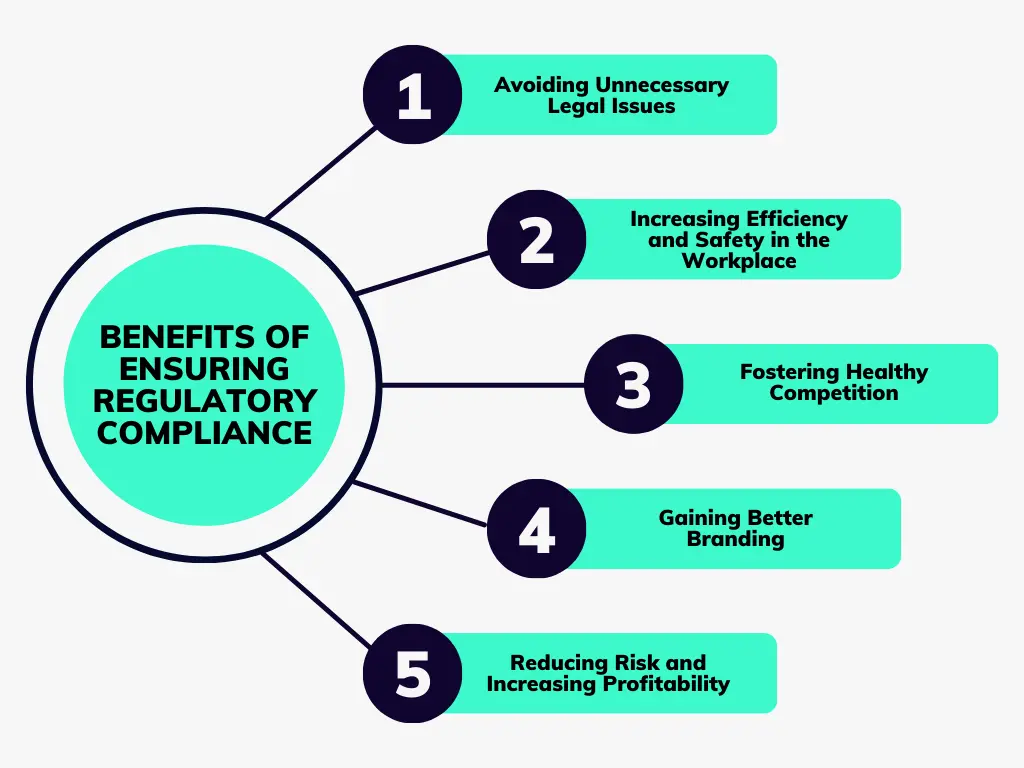
The cost of a compliance issue extends far beyond the face value of a fine. For businesses of all sizes, the “cost of non-compliance” is a compounding financial burden that impacts liquidity, valuation, and market access.
Direct Financial Penalties and Fines
The most immediate impact is the direct capital outflow required to satisfy regulatory penalties. These fines are often designed to be punitive, exceeding the amount that would have been paid had the company been compliant in the first place. In industries like fintech or banking, a single compliance breach can result in fines reaching into the millions, which can instantly drain a company’s cash reserves and jeopardize its ability to meet payroll or fulfill operational obligations.
The Hidden Costs of Remediation
When a compliance issue is identified, the business must pivot resources away from revenue-generating activities to focus on remediation. This includes hiring forensic accountants, external legal counsel, and consultants to audit the existing processes. This “cost of cleanup” is often underestimated. You are not only paying for the mistake itself but also paying for the time, expertise, and operational downtime required to fix the underlying issue and implement the necessary safeguards to prevent a recurrence.
Impact on Capital Access and Valuation
Financial institutions and investors are hypersensitive to compliance issues. If a company seeks a business loan or a line of credit, the lending institution will perform rigorous due diligence. Discovering a history of compliance issues—or worse, an active, unresolved one—can lead to the immediate denial of funding or the imposition of higher interest rates due to the perceived risk. Furthermore, for companies looking to be acquired or to go public, compliance issues are a “red flag” that can significantly depress the company’s valuation or even cause an entire deal to collapse during the due diligence phase.
Building a Culture of Financial Compliance
Mitigating compliance issues is not solely the responsibility of the accounting department; it is a cultural imperative that must be championed by leadership. A robust framework consists of three pillars: technology, policy, and oversight.
Leveraging Automation for Financial Integrity
Human error remains the leading cause of unintentional compliance issues. Manual data entry, disparate spreadsheets, and fragmented accounting software create silos where information can be misinterpreted or lost. Modern businesses must leverage automated financial tools that provide real-time visibility into all transactions. By utilizing cloud-based accounting platforms that feature automated audit trails and real-time bank reconciliation, companies can ensure that their books are always audit-ready. Automation reduces the reliance on manual intervention, thereby closing the door on many of the common errors that lead to compliance breaches.
The Role of Internal Policy and Training
A policy is only as effective as its enforcement. An organization must have clear, written financial policies that are accessible to all employees. Whether it involves travel expense policies or procurement protocols, every stakeholder must understand the boundaries. Furthermore, regular training sessions are essential. Financial regulations change frequently, and employees need to be updated on how these changes affect their specific roles. A culture of compliance is built when employees feel empowered to flag potential issues before they escalate, rather than fearing the repercussions of admitting a mistake.
Continuous Monitoring and Internal Audits
The final defense against compliance issues is a proactive stance on auditing. Waiting for an external regulatory audit is a reactive and dangerous strategy. Instead, companies should perform scheduled, internal “mock audits.” By systematically reviewing internal processes—such as payroll processing, tax filings, and cash management—leadership can identify gaps in compliance before they are detected by external parties. This continuous monitoring approach treats compliance as a living part of the business model rather than a yearly chore.
Final Considerations on Long-Term Stability
Ultimately, a compliance issue is a failure of the business’s nervous system. It represents a lack of alignment between the company’s actions and the environment in which it operates. While the complexity of financial laws can be daunting, the path to compliance is clear: transparency, robust internal controls, and a commitment to accuracy.
By prioritizing compliance, businesses do more than just avoid fines; they build credibility with lenders, earn the trust of stakeholders, and create a streamlined, efficient operation. In the world of business finance, compliance is the ultimate competitive advantage. Those who invest the time to master their regulatory and internal obligations ensure that their financial health remains intact, allowing them to focus on what matters most: growing the business and scaling into the future. When you strip away the complexity of the regulations, compliance is simply the practice of doing business with integrity—a principle that serves as the most reliable indicator of long-term success.
aViewFromTheCave is a participant in the Amazon Services LLC Associates Program, an affiliate advertising program designed to provide a means for sites to earn advertising fees by advertising and linking to Amazon.com. Amazon, the Amazon logo, AmazonSupply, and the AmazonSupply logo are trademarks of Amazon.com, Inc. or its affiliates. As an Amazon Associate we earn affiliate commissions from qualifying purchases.