
In the specialized world of industrial safety gear, terminology often becomes shorthand for complex engineering standards. When you are shopping for heavy-duty footwear, you will frequently encounter the term “comp toe” or composite toe. While steel-toe boots have historically been the industry standard for impact protection, composite toe boots have surged in popularity due to their innovative material composition and functional advantages. Understanding exactly what a composite toe is and how it functions is essential for workers who need to balance rigorous safety requirements with day-to-day comfort and technical efficiency.
The Engineering Behind Composite Toes
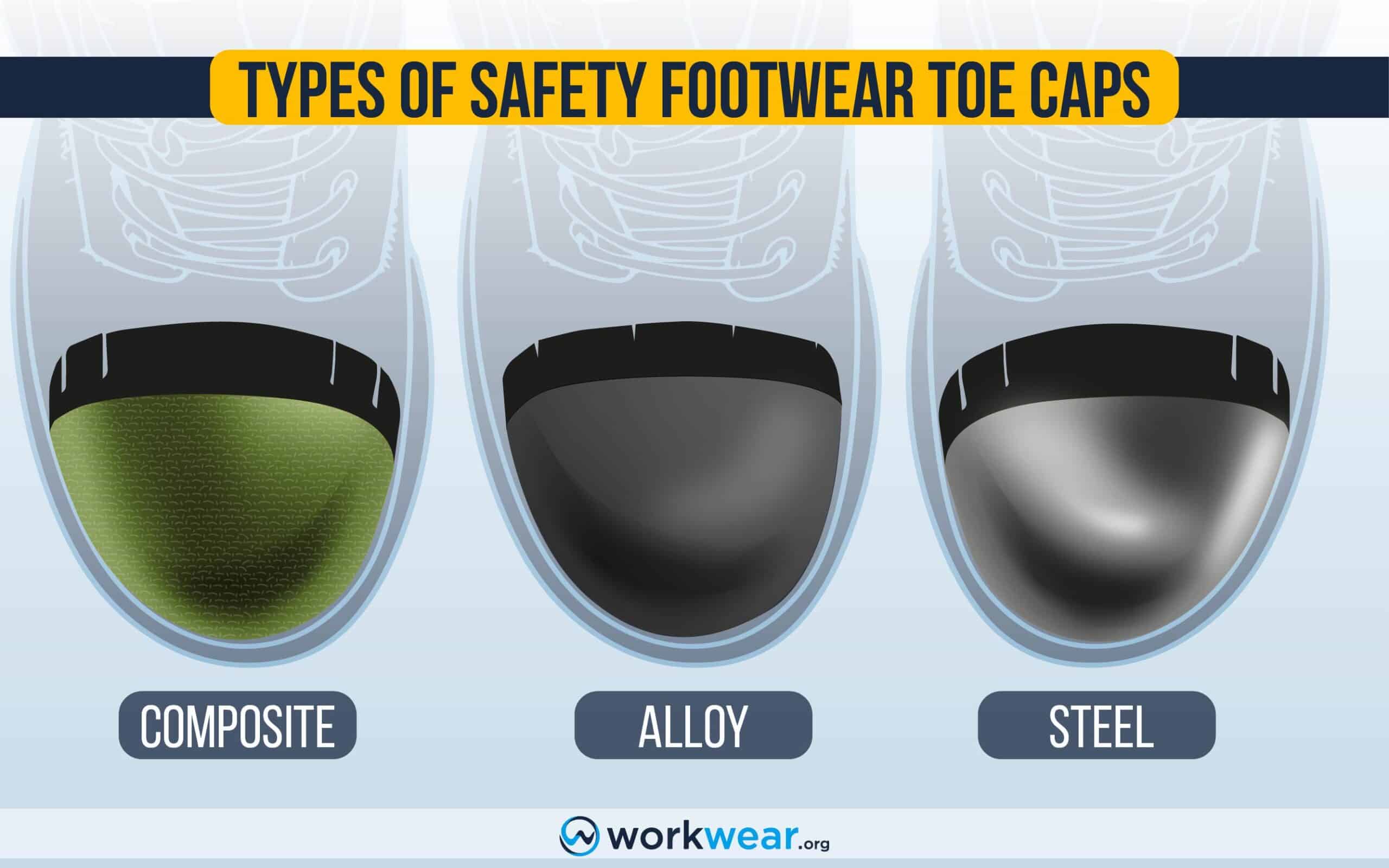
At its core, a composite toe is a safety cap built into the front of a boot designed to protect the wearer’s toes from falling objects, rolling hazards, and compression injuries. Unlike traditional steel-toed boots, which rely on a solid piece of stamped metal, a composite toe is crafted from a variety of non-metallic materials.

Material Composition
Composite toes are typically manufactured using a blend of high-strength, non-metal materials. These commonly include carbon fiber, Kevlar, plastic, or fiberglass. These materials are engineered to be incredibly lightweight while maintaining the structural integrity required to pass strict industrial safety tests. By layering these composites under high heat and pressure, manufacturers create a shell that is as resilient as metal but significantly less dense.
Structural Integrity and Performance
The primary purpose of a composite toe is to absorb energy upon impact. When an object hits the boot, the composite material acts as a barrier, preventing the force from reaching the foot. Because these materials are non-metallic, they do not conduct heat or cold as efficiently as steel. This means the boot maintains a more stable internal temperature, preventing the “freezing” sensation common in metal toes during winter or the excessive heat conduction during summer.
Why Professionals Choose Composite Over Steel
The transition from steel to composite in professional work environments is driven by more than just modern aesthetics. For many, the choice is rooted in the specific demands of their job sites and the physical toll that heavy footwear can take over an eight-to-twelve-hour shift.
Lightweight Design and Fatigue Reduction
The most significant advantage of a composite toe is weight reduction. A standard steel toe can add a noticeable amount of heft to each foot. While a few ounces may not seem significant at the start of a shift, the cumulative effect of lifting that extra weight thousands of times throughout a day leads to increased leg and back fatigue. By opting for a composite toe, workers can shave weight off their footwear, which contributes to higher energy levels and better posture by the end of the day.
Non-Metallic Benefits for Specialized Industries
Certain work environments have strict requirements regarding metal content. For individuals working in high-security facilities, such as airports, government buildings, or nuclear power plants, passing through metal detectors is a daily necessity. Steel-toe boots require the wearer to remove their footwear during every security check, costing time and creating frustration. Because composite toes are non-metallic, they are “security-friendly.” Workers can often walk through metal detectors without triggering an alarm, streamlining their entry and exit processes.

Thermal Regulation and Electrical Safety
Metal is a conductor; it transfers temperature and electricity. In extreme weather conditions, steel toes can pull the cold from the ground, chilling the wearer’s toes. Similarly, in high-heat environments, metal can absorb and retain heat. Composite materials, being non-conductive, act as insulators. Furthermore, in electrical work, where the risk of accidental contact with live wires is a constant danger, non-conductive footwear is a vital safety layer. A composite-toe boot lacks the conductive path that a steel toe provides, offering an additional margin of safety for electricians and utility line workers.
Understanding Safety Standards and Compliance
Safety footwear is not a “one size fits all” category. Manufacturers must adhere to rigorous international standards to label their products as protective gear. Understanding these ratings ensures that the boots you choose are actually qualified to protect you in your specific work environment.
The ASTM F2413 Standard
In the United States, the primary standard for safety footwear is ASTM F2413. When you look at the tag inside a pair of composite-toe boots, you should look for the ASTM certification. This standard dictates that the footwear must provide impact protection (the ability to withstand a specific weight dropped from a height) and compression protection (the ability to withstand a specific amount of crushing force). A composite toe boot that meets this standard is legally and functionally equivalent to a steel-toe boot in terms of the protection it provides against those specific force thresholds.
Durability and Longevity
One common myth regarding composite toes is that they are less durable than steel. In reality, modern carbon fiber and thermoplastic composites are incredibly robust. Unlike steel, which can bend permanently if subjected to an extreme force that exceeds its capacity, some high-quality composite materials are designed to be slightly more resilient, potentially retaining their shape better after moderate impacts. However, it is vital to remember the “one-hit rule”: if any safety-toe boot, whether steel or composite, suffers a significant impact, it must be replaced. The structural integrity has been compromised, and the material may not provide the same level of protection a second time.
Choosing the Right Footwear for Your Needs
Selecting the correct boot is a balance between safety ratings, comfort, and the specific hazards of your trade. While composite toes offer many benefits, they are a professional tool that should be chosen with intent.
Evaluating Your Environment
Before purchasing, categorize the primary risks in your workspace. Are you dealing with heavy falling machinery? Composite toes are excellent. Are you walking through metal detectors daily? Composite is the clear winner. Are you working in high-voltage electrical environments? Non-metallic is a requirement. However, if your work involves extremely heavy, constant industrial crush hazards where your toes might be exposed to thousands of pounds of pressure over extended periods, some traditionalists still prefer the thin profile and absolute stiffness of steel.
Comfort Considerations: The Fit
Because composite toes are often slightly thicker than steel toes (to achieve the same strength rating), it is important to ensure the boot has an adequate “toe box” height. Most modern manufacturers have accounted for this, but it is always recommended to try boots on while wearing the specific socks you intend to use at work. A proper fit ensures that your toes do not touch the inner wall of the composite cap, preventing blistering and discomfort during long hours of standing or walking.
The Investment in Professional Gear
When purchasing composite-toe footwear, treat it as an investment in your career longevity. High-quality boots with proper arch support, cushioned midsoles, and durable composite caps will reduce foot pain and prevent long-term musculoskeletal issues. While premium composite-toe boots may have a higher initial price point than standard options, the benefit of decreased fatigue and increased comfort makes them a wise financial decision for anyone in the trades. By understanding the science behind the technology, workers can confidently select gear that protects them while ensuring they remain productive, comfortable, and compliant throughout their professional careers.
aViewFromTheCave is a participant in the Amazon Services LLC Associates Program, an affiliate advertising program designed to provide a means for sites to earn advertising fees by advertising and linking to Amazon.com. Amazon, the Amazon logo, AmazonSupply, and the AmazonSupply logo are trademarks of Amazon.com, Inc. or its affiliates. As an Amazon Associate we earn affiliate commissions from qualifying purchases.