
In the modern economic landscape, higher education is often the single largest financial investment an individual will make, second only to the purchase of a home. As tuition costs continue to outpace inflation, the decision between attending a community college or a four-year university is no longer just an academic choice; it is a critical business decision involving capital allocation, debt management, and return on investment (ROI).
To navigate this landscape, one must look past the social tropes of campus life and analyze these institutions through a fiscal lens. Whether you are an aspiring student or a parent planning a 529 fund, understanding the structural financial differences between community colleges and universities is essential for long-term wealth preservation and career scalability.
1. The Cost-Benefit Analysis of Tuition Models
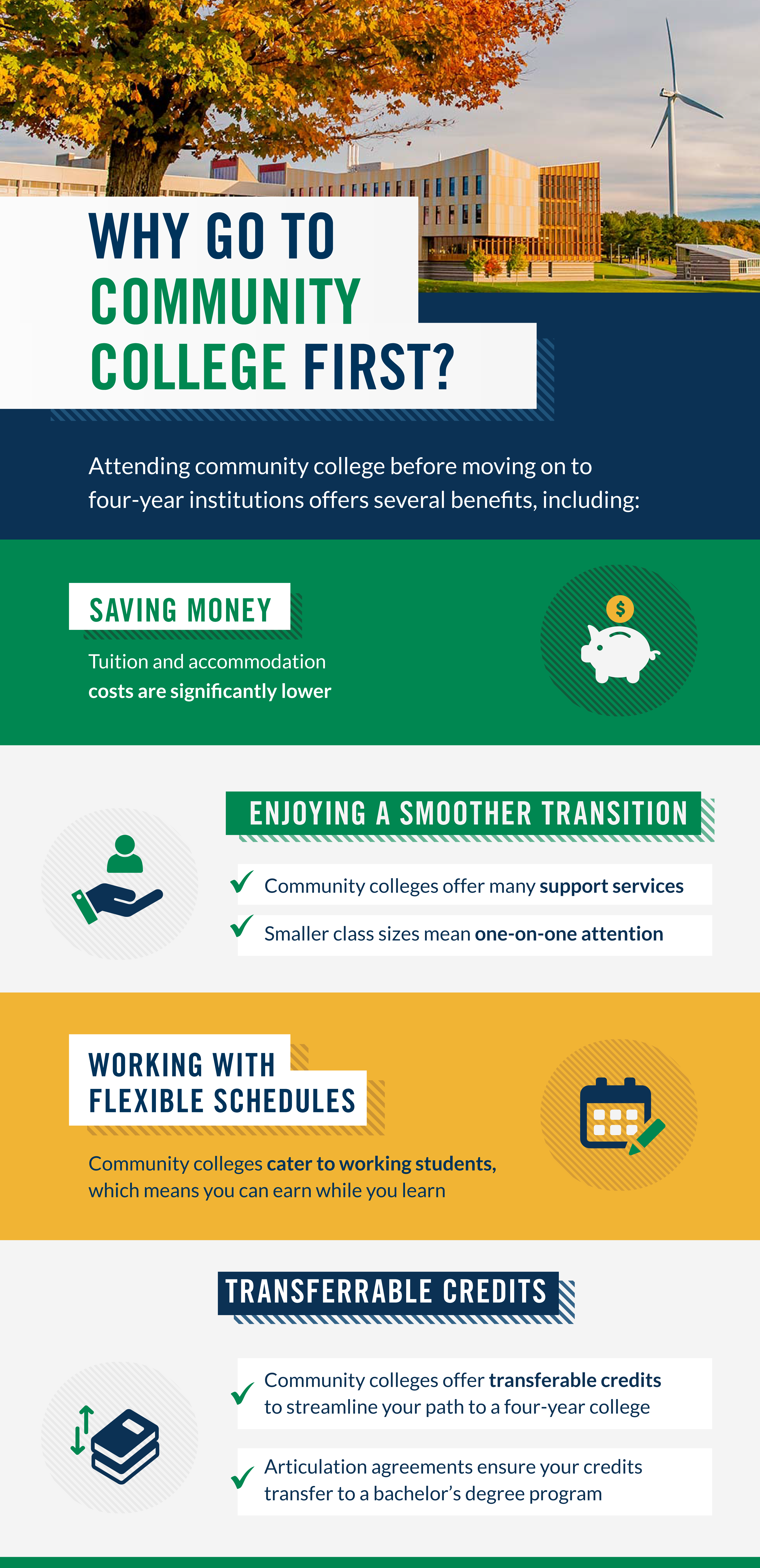
The most immediate distinction between community colleges and universities lies in the price per credit hour. From a personal finance perspective, this is the “entry price” of the asset. Community colleges are primarily funded by local tax dollars and state subsidies, which allows them to offer tuition at a fraction of the cost of universities.
Understanding the Arbitrage of Credit Hours
In the United States, the average cost of tuition and fees for a public two-year community college is significantly lower than that of a public or private four-year university. For a savvy investor in their own education, the first two years of a bachelor’s degree—often comprised of general education requirements—represent a prime opportunity for “educational arbitrage.” By completing these foundational credits at a community college, a student can acquire the same academic “units” for approximately 25% to 50% of the cost charged by a major university. This reduction in front-end capital expenditure significantly lowers the “break-even” point of the degree once the student enters the workforce.
Direct vs. Indirect Expenditure
When calculating the financial burden of a university, one must account for more than just tuition. Universities often require or encourage on-campus housing, which introduces significant “lifestyle” costs including room and board. Community colleges, typically designed as commuter schools, allow students to leverage existing living arrangements (such as staying with parents), which can save an average of $10,000 to $15,000 per year in non-academic expenses. From a wealth-building perspective, every dollar saved on room and board is a dollar that does not accrue interest in the form of a student loan.
2. The “2+2” Strategy: Maximizing ROI Through Strategic Transfers
In the world of finance, risk mitigation is key. The “2+2” model—spending two years at a community college followed by two years at a university—is an optimized investment strategy that mitigates the risk of high-interest student debt while securing a high-value credential.
The Financial Mechanics of Transfer Agreements
Many state systems have “articulation agreements” that guarantee the transfer of credits from a community college to a public university. This creates a seamless financial pipeline. By utilizing this strategy, the final degree awarded bears the name of the prestigious university, not the community college. In the eyes of an employer and the labor market, the degree’s value is identical regardless of where the first 60 credits were earned. This allows a student to pay “wholesale” prices for half of their education and “retail” for the finish, effectively lowering the total cost of the “branded” degree.
Hedging Against Academic Volatility
Many students enter higher education without a solidified “business plan”—otherwise known as a declared major. At a university, “finding yourself” for two years can cost upwards of $60,000. At a community college, this period of exploration is a low-stakes investment. If a student decides to change their career path or determines that a degree isn’t the right fit, the sunk cost is minimal. This flexibility acts as a financial hedge, preventing the accumulation of massive debt for a degree that might never be completed or utilized.
3. Institutional Capital and Resource Allocation
Where a university and a community college spend their money dictates the type of service they provide. Understanding these business models helps a student determine which “product” they are actually buying.
Research vs. Instruction: The Business Focus
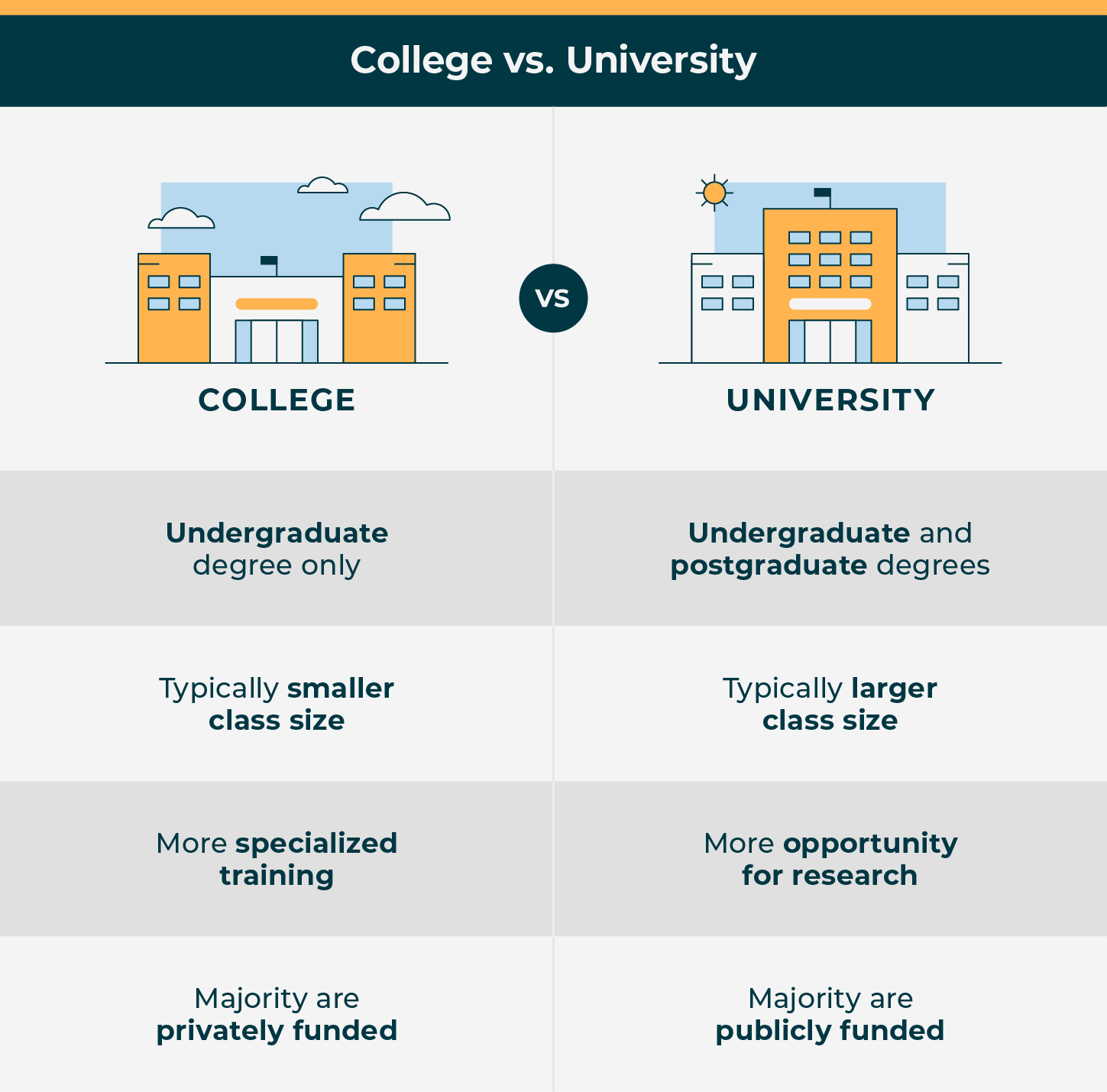
Universities are often research-driven corporations. A significant portion of their revenue is directed toward high-end laboratories, research grants, and attracting “star” faculty who may spend more time in a lab than in a classroom. While this builds the institutional “brand,” it may not always provide the best direct value to an undergraduate student. Conversely, community colleges are instructional-focused. Their capital is allocated almost entirely toward teaching and vocational training. From a “cost-per-instruction-hour” perspective, community colleges often provide a higher direct service value for the money spent on tuition.
Vocational Training and the Mid-Skill Economy
Community colleges often operate as agile responses to local labor markets. They invest heavily in Associate of Applied Science (AAS) degrees and certifications in fields like nursing, cybersecurity, and advanced manufacturing. These programs are designed for a rapid “Time-to-Value” (TTV). While a university degree is a long-term play (4+ years), a community college certificate can provide an immediate “side hustle” or a high-income entry-level career in under two years. For an individual looking to increase their liquidity and cash flow quickly, the community college model offers a superior business structure.
4. Long-Term Financial Impact: Debt and Career Earnings
The ultimate goal of education as a financial instrument is to increase one’s lifetime earning potential. However, the “net” gain must account for the cost of financing.
The Compounding Burden of Student Loans
The “University vs. Community College” debate is fundamentally about the debt-to-income ratio. If a student graduates from a university with $80,000 in debt for a job that pays $50,000, their “financial health” is compromised for decades. By starting at a community college, that same student might graduate with only $20,000 in debt. The difference in monthly payments—often hundreds of dollars—can be redirected into high-yield savings, stock market investments, or a down payment on a home. In this sense, choosing community college is an act of early-career wealth management.
The Prestige Premium: Does it Pay Off?
There is a segment of the market where the “University Brand” carries a premium. In fields like investment banking, management consulting, or high-level academia, the “prestige” of a university name can lead to higher starting salaries. This is the “Luxury Brand” argument. For these specific career paths, the higher upfront cost of a university may be justified by a higher lifetime ceiling. However, for 80% of the workforce, the “prestige” of the school has a diminishing return. Most employers prioritize skill sets and experience over the institutional logo on a diploma. Understanding whether your chosen industry pays a “prestige premium” is vital in deciding whether to pay the university markup.
5. Strategic Financial Planning for the Student-Investor
To maximize the financial outcome of this decision, one must treat their education like a portfolio of assets. This requires proactive financial planning and a clear understanding of the fiscal tools available.
Leveraging Grants and Tax Incentives
Both community colleges and universities offer access to federal financial aid (FAFSA), but the impact of that aid varies. At a community college, a federal Pell Grant might cover the entire cost of tuition, leaving the student with zero debt and potentially a surplus for books and supplies. At a university, that same grant might only cover 15% of the bill. Additionally, tax credits like the American Opportunity Tax Credit (AOTC) provide a dollar-for-dollar reduction in tax liability for the first four years of higher education. Strategically timing these credits while attending a lower-cost institution can maximize a family’s tax efficiency.
Opportunity Cost and Time to Market
Finally, we must consider the opportunity cost of time. A university education is traditionally a four-year, full-time commitment. Community colleges are structured for the “working learner,” offering flexible schedules that allow students to maintain employment while studying. By staying in the workforce, a community college student continues to earn income, contribute to a 401(k), and gain professional experience. This “income-while-learning” model significantly improves the total financial picture compared to the “four-year-hibernation” model of many traditional universities.
In conclusion, the choice between a community college and a university is a nuanced financial decision. While universities offer a high-value brand and deep research networks, community colleges offer an unparalleled ROI for the initial stages of high education. By treating education as a capital investment—analyzing the entry price, the debt-to-income ratio, and the long-term career payoff—individuals can make a choice that doesn’t just result in a degree, but in a sustainable and prosperous financial future.
aViewFromTheCave is a participant in the Amazon Services LLC Associates Program, an affiliate advertising program designed to provide a means for sites to earn advertising fees by advertising and linking to Amazon.com. Amazon, the Amazon logo, AmazonSupply, and the AmazonSupply logo are trademarks of Amazon.com, Inc. or its affiliates. As an Amazon Associate we earn affiliate commissions from qualifying purchases.