
In the landscape of brand strategy and corporate identity, a communication model is the architectural blueprint that defines how a brand’s message is constructed, transmitted, and received by its target audience. It is not merely a theoretical concept found in textbooks; it is the fundamental engine that drives brand perception, consumer trust, and market positioning. For a brand to successfully navigate the crowded digital marketplace, it must master the mechanics of these models to ensure its voice is not only heard but interpreted exactly as intended.
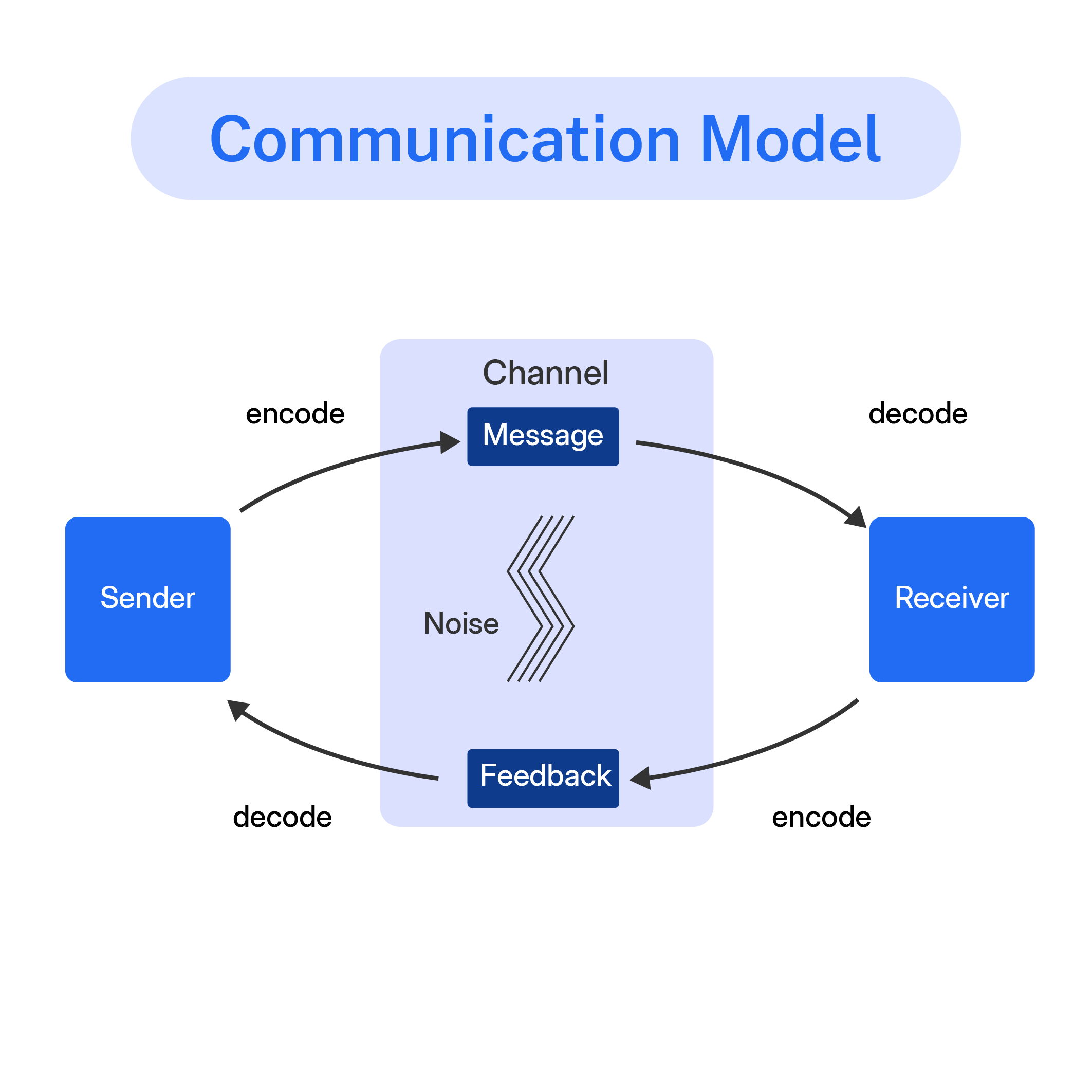
At its core, a communication model identifies the specific path a message takes from the brand (the sender) to the consumer (the receiver). In an era where consumers are bombarded with thousands of marketing stimuli every day, understanding the nuances of this process is the difference between a brand that resonates and one that becomes background noise. By dissecting the components of communication—encoding, medium selection, decoding, and feedback—marketers can build more resilient, authentic, and impactful brand strategies.
The Evolution of Communication Models in Brand Strategy
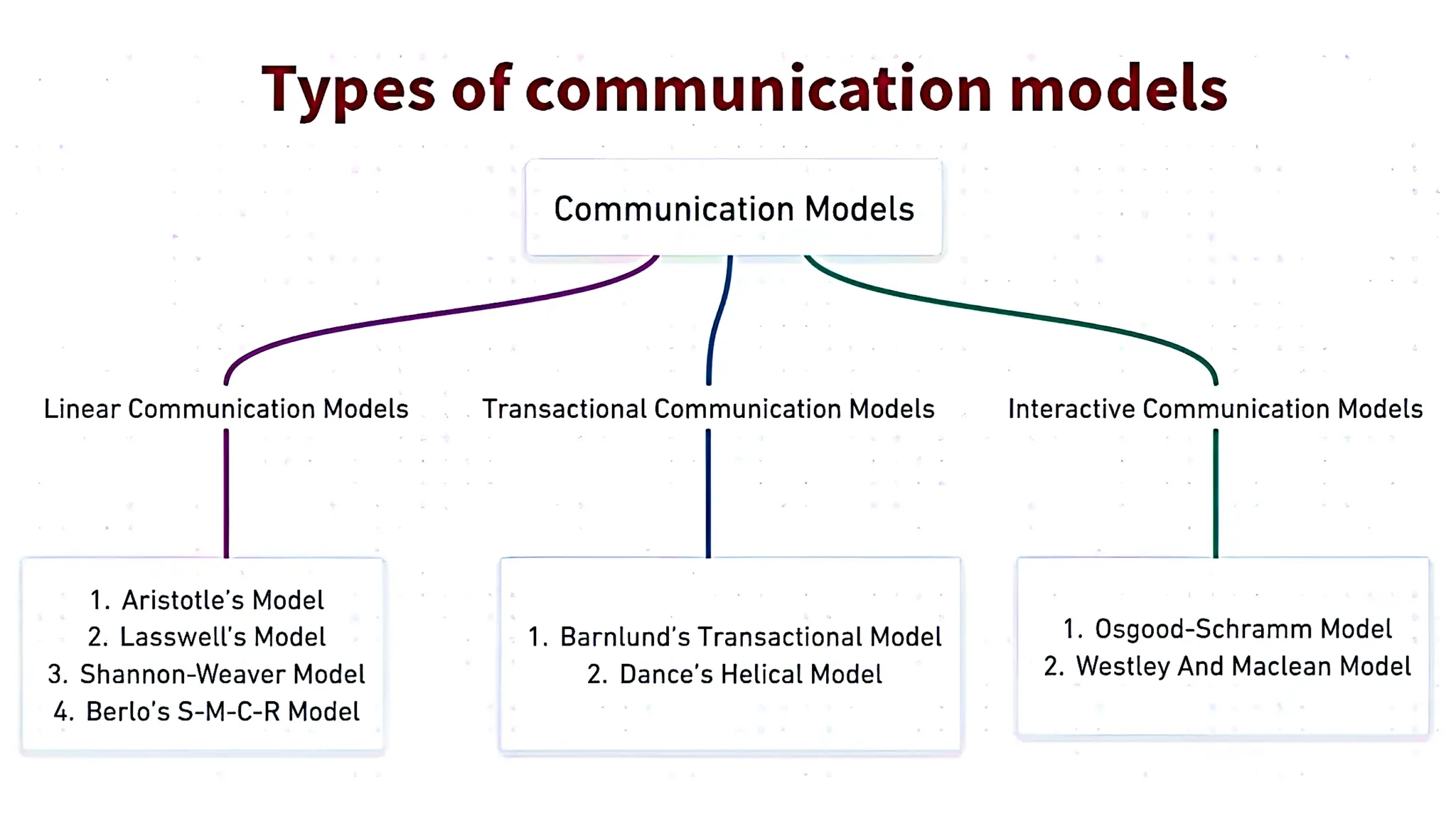
The history of communication models provides a roadmap for how brands have shifted their approach from traditional “broadcasting” to modern “engagement.” Historically, brands relied on linear models, but the rise of digital connectivity has forced a transition toward more complex, interactive frameworks.
Linear Models: The Era of Mass Broadcasting
The most famous early framework is the Shannon-Weaver Model, often referred to as the “mother of all models.” In a branding context, this is a one-way street. The brand creates a message (encodes it), sends it via a channel (television, print, or radio), and the consumer receives it.
While this model is efficient for massive awareness campaigns, it lacks a mechanism for listening. In the mid-20th century, brands like Coca-Cola or Ford used linear models to dominate the cultural narrative because the channels were limited and the “noise” was manageable. Today, relying solely on a linear model is a recipe for irrelevance, as it ignores the consumer’s desire for a seat at the table.
Interactive and Transactional Models: The Age of Dialogue
As technology evolved, so did the models. The Interactive Model introduced the concept of feedback, acknowledging that communication is a two-way process. For a brand, this means that the message is not complete until the consumer responds. This is seen today in social media marketing, where a post is just the beginning of a conversation that includes comments, shares, and direct messages.
The Transactional Model takes this a step further, suggesting that both the brand and the consumer are simultaneously senders and receivers. In this framework, the brand’s identity is co-created with its audience. When a brand like Nike launches a campaign, the “meaning” of that campaign is shaped as much by the athletes and customers who adopt it as it is by the marketing department in Beaverton. This model is essential for personal branding and corporate identity, where the relationship between the entity and the public is fluid and continuous.
The Critical Components of a Brand Communication Model
To leverage a communication model effectively, a brand must understand the moving parts that determine whether a message succeeds or fails. Each component is a potential point of strength or a point of failure.
Encoding: Crafting the Brand Persona
Encoding is the process of translating an abstract idea or a brand value into a tangible form, such as an advertisement, a logo, a tweet, or a product package. This is where brand strategy lives. If a brand’s core value is “innovation,” the encoding process involves selecting the right colors (perhaps sleek silvers or bold blacks), the right typography, and the right tone of voice to signal that innovation to the world.
Failure in encoding often leads to “brand disconnect.” This occurs when the intended message of the brand does not align with the visual or verbal signals being sent. For example, a luxury brand using low-quality paper for its physical lookbooks is a failure of encoding; the medium is contradicting the message of exclusivity.
Decoding and the Field of Experience
Decoding is what happens on the consumer’s end. It is the process by which the audience interprets the brand’s message based on their own “field of experience”—their culture, education, past experiences, and current needs.
A brand strategy must account for the fact that different segments of an audience will decode the same message in different ways. This is why localized branding is so critical for global corporations. A gesture or a phrase that signifies “success” in New York might be decoded as “arrogance” in Tokyo. Effective communication models prioritize the receiver’s perspective, ensuring that the encoding is tailored to the specific field of experience of the target demographic.

The Problem of “Noise” in Digital Marketing
In any communication model, “noise” refers to anything that interferes with the message. In the modern branding landscape, noise is ubiquitous. It can be physical (a pop-up ad blocking content), technical (a slow-loading website), or psychological (a consumer’s preconceived bias against a brand).
One of the greatest challenges for a brand strategist is minimizing noise. This is often achieved through high-frequency consistency—repeatedly sending the same clear signal across multiple channels until it breaks through the clutter. Digital security and privacy concerns have also added a new layer of noise; if a consumer doesn’t trust a digital platform, they will likely “tune out” or distrust any brand messaging they encounter there.
Integrating the Model into Corporate Identity and Design
A communication model should not sit in a vacuum; it must be integrated into the very fabric of a company’s corporate identity. This integration ensures that every touchpoint—from the CEO’s LinkedIn profile to the customer service scripts—is aligned with the brand’s strategic goals.
Consistency Across Multichannel Touchpoints
In a sophisticated communication model, the “channel” is not just a delivery mechanism; it is part of the message itself. A brand that prides itself on being “cutting-edge” cannot afford to have a clunky, outdated mobile app. The channel (the app) is communicating a lack of technical prowess that overrides any verbal claims of innovation.
The concept of Integrated Marketing Communications (IMC) is a practical application of these models. It ensures that whether a consumer encounters a brand on TikTok, in a physical store, or through an email newsletter, the core message remains consistent. This repetition builds a cognitive shortcut in the consumer’s mind, making the brand more “sticky” and recognizable.
Semiotics: The Visual Language of Branding
Within the communication model, design serves as the visual code. Semiotics—the study of signs and symbols—is a vital tool for brand designers. Every color, shape, and spatial arrangement is a signal. A circular logo might communicate community and inclusivity, while sharp angles might suggest precision and speed.
By applying a communication model to design, brands can move beyond aesthetic preferences and make data-driven decisions about their visual identity. They ask: “Does this specific shade of blue encode the ‘trustworthiness’ we want our clients to decode?” If the answer is no, the communication model has identified a strategic flaw before the brand ever goes to market.
The Feedback Loop: Measuring Communication Success
The final, and perhaps most important, part of a modern communication model is the feedback loop. In the past, brands had to wait months for market research reports to understand if their message was working. Today, feedback is instantaneous.
Social Listening and Real-Time Strategy
Brands now use sophisticated AI tools and social listening platforms to monitor the “decoding” process in real-time. By analyzing sentiment on social media, brands can see if a campaign is being received with enthusiasm or backlash. This immediate feedback allows for “agile branding,” where a company can pivot its messaging within hours to correct a misunderstanding or capitalize on a viral moment.
This loop creates a more democratic relationship between the brand and the consumer. When consumers feel that their feedback is being heard and acted upon, they move from being passive receivers to active brand advocates. This transition is the ultimate goal of any brand communication strategy: turning a one-way message into a community-driven movement.
Metrics for a Communicative Brand
To evaluate the effectiveness of their communication model, brands look at specific Key Performance Indicators (KPIs). These include:
- Brand Recall: Can the consumer remember the message (successful transmission)?
- Sentiment Analysis: How did the consumer feel about the message (successful decoding)?
- Conversion Rate: Did the message prompt the intended action (successful influence)?
- Net Promoter Score (NPS): Does the feedback loop indicate long-term loyalty?
Conclusion: The Strategic Necessity of the Model
In conclusion, a communication model is more than a theoretical exercise; it is the skeletal structure of a successful brand. By understanding how to encode values into signals, navigate the noise of the digital landscape, and listen to the feedback of the audience, a brand can transcend basic marketing and become a meaningful part of a consumer’s life.
As the digital world becomes more complex and the attention economy more competitive, the brands that thrive will be those that view communication not as a series of disparate ads, but as a holistic, model-driven system. Whether you are building a personal brand or managing a global corporate identity, the clarity of your communication model will ultimately determine the strength of your impact in the marketplace. Every signal counts; ensure yours is designed to resonate.
aViewFromTheCave is a participant in the Amazon Services LLC Associates Program, an affiliate advertising program designed to provide a means for sites to earn advertising fees by advertising and linking to Amazon.com. Amazon, the Amazon logo, AmazonSupply, and the AmazonSupply logo are trademarks of Amazon.com, Inc. or its affiliates. As an Amazon Associate we earn affiliate commissions from qualifying purchases.