
For centuries, the combustion reaction has been the heartbeat of human progress. In its simplest chemical terms, combustion is a high-temperature exothermic redox chemical reaction between a fuel and an oxidant—usually atmospheric oxygen—that produces oxidized, often gaseous products in a mixture termed as smoke. However, as we move deeper into the 21st century, the definition of combustion is shifting from a primitive fire-starting mechanism to a highly controlled, tech-driven process that powers everything from deep-space exploration to the sustainable energy grids of tomorrow.
In the world of technology, understanding what a combustion reaction is—and more importantly, how to manipulate it using software and advanced materials—is the key to solving the global energy crisis and advancing transportation. This article explores the intersection of chemical combustion and modern technology, detailing how innovation is refining one of nature’s most volatile processes.
The Digital Transformation of Combustion: Simulation and AI
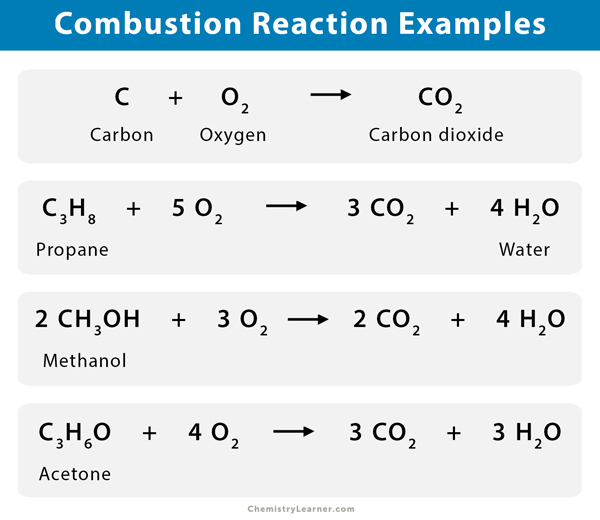
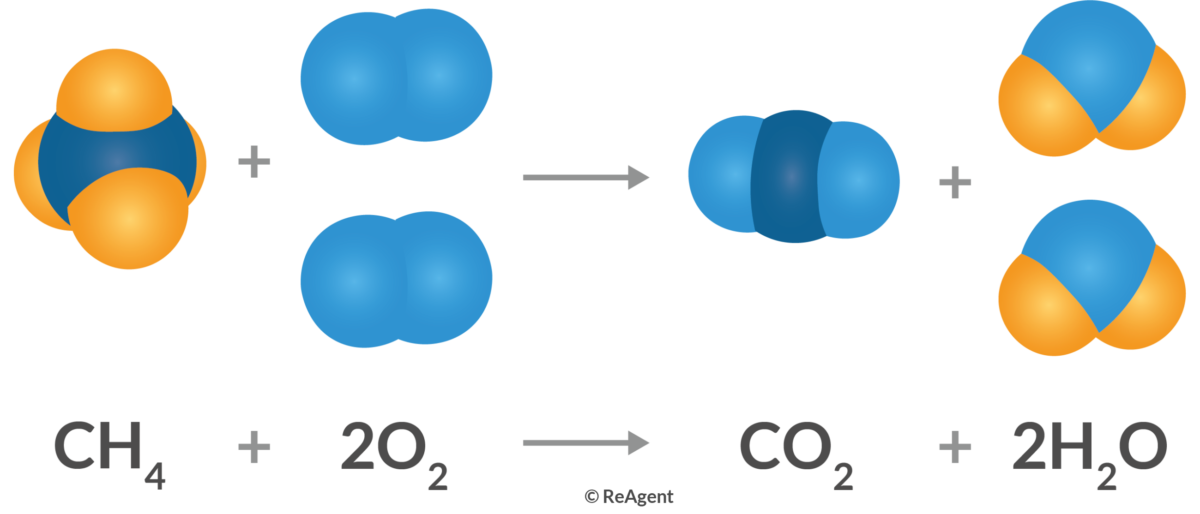
While the basic chemistry of combustion remains the same (Fuel + O₂ → CO₂ + H₂O + Heat), the method by which engineers study and optimize this reaction has been revolutionized by information technology. We no longer rely solely on physical “test-and-fail” models; we use the power of silicon.
Computational Fluid Dynamics (CFD) in Engine Design
Computational Fluid Dynamics (CFD) is perhaps the most significant tech tool in modern combustion engineering. High-performance computing (HPC) allows engineers to simulate the microscopic interactions of fuel molecules and oxygen in real-time. By modeling the turbulence, heat transfer, and chemical kinetics within a combustion chamber, tech firms can design engines that are significantly more fuel-efficient and less polluting. These software suites allow for the visualization of “flame fronts” and the identification of “hot spots” that could lead to engine failure, all before a single physical prototype is built.
Machine Learning Algorithms for Fuel Optimization
Artificial Intelligence (AI) and Machine Learning (ML) are now being integrated into the control units of industrial burners and internal combustion engines. By utilizing sensor data—measuring temperature, pressure, and exhaust composition—AI algorithms can adjust the air-fuel ratio in microseconds. This “Smart Combustion” ensures that the reaction stays as close to the stoichiometric point (the ideal ratio where all fuel is burned perfectly) as possible. This tech reduces waste and minimizes the production of nitrogen oxides (NOx), a harmful byproduct of traditional combustion.
Digital Twins of Power Plants
Large-scale energy producers are now using “Digital Twin” technology to manage combustion at the grid level. A digital twin is a virtual replica of a physical asset, such as a gas turbine. By feeding real-time data from IoT sensors into these virtual models, operators can predict when a combustion system might degrade. This predictive maintenance prevents catastrophic failures and ensures that the combustion reaction remains stable under varying loads, such as when shifting between fossil fuels and renewable energy backups.
Sustainable Combustion: The Rise of Green Hydrogen and Zero-Emission Tech
As the tech industry moves toward “Net Zero,” the focus has shifted from eliminating combustion entirely to reinventing it. The goal is to facilitate a combustion reaction that does not release carbon dioxide. This is where “Clean Tech” meets fundamental chemistry.
Green Hydrogen: The “Clean” Combustion Reaction
The most promising frontier in tech-driven combustion is the use of Hydrogen (H₂). Unlike hydrocarbons, the combustion of hydrogen results in a reaction where the only byproduct is water vapor: 2H₂ + O₂ → 2H₂O + Energy. However, burning hydrogen presents immense technical challenges. Hydrogen burns much hotter and faster than natural gas, which can damage traditional hardware.

Tech companies are developing specialized “Micromix” burners and 3D-printed alloy nozzles that can withstand these extreme temperatures. By leveraging additive manufacturing (3D printing), engineers can create complex cooling channels within the combustion hardware that were previously impossible to manufacture, allowing for the safe and efficient use of hydrogen in industrial settings.
Carbon Capture and Storage (CCS) Tech
For industries where carbon-based combustion is still necessary, such as cement and steel manufacturing, technology is providing a “filter” for the reaction. Carbon Capture and Storage (CCS) involves sophisticated chemical “scrubbing” tech that intercepts CO₂ at the point of combustion. Modern CCS facilities use advanced amines and metal-organic frameworks (MOFs)—designed at the molecular level using computational chemistry—to trap carbon before it reaches the atmosphere. This technology essentially allows us to continue utilizing the energy of combustion while neutralizing its environmental impact.
Oxy-fuel Combustion Systems
Another technological innovation is “Oxy-fuel” combustion. In this process, the fuel is burned in pure oxygen rather than ambient air. This results in a combustion reaction where the exhaust is almost entirely CO₂ and water vapor, making it significantly easier (and cheaper) to capture and sequester the carbon. The “tech” here lies in the cryogenic air separation units that produce the pure oxygen at scale, representing a massive feat of industrial engineering.
The Future of Aerospace: High-Tech Propulsion and Reaction Control
The most extreme application of combustion technology is found in the aerospace sector. In a vacuum or at hypersonic speeds, the chemistry of combustion must be managed with absolute precision.
Solid vs. Liquid Propellants in the Private Space Race
Companies like SpaceX, Blue Origin, and Rocket Lab are redefining rocket combustion. The tech behind SpaceX’s Raptor engine, for instance, utilizes a “Full-Flow Staged Combustion” cycle. This is a highly complex engineering feat where the liquid oxygen and methane are pre-heated in separate “pre-burners” before entering the main combustion chamber. This maximizes the energy output (Specific Impulse) of the reaction. The software required to balance the pressures and temperatures in such a system is incredibly sophisticated, requiring millisecond-accurate valve control to prevent the engine from “disassembling” (exploding).
Hypersonic Combustion: The Tech Behind Scramjets
At the cutting edge of military and commercial aviation is the Scramjet (Supersonic Combustion Ramjet). Unlike a standard jet engine, a Scramjet has no moving parts. It relies on the high speed of the vehicle to compress incoming air. However, maintaining a combustion reaction in a stream of air moving at Mach 5 is often described as “lighting a match in a hurricane.”
The technology required to sustain this reaction involves advanced fuel injection timing and plasma-assisted ignition systems. Computational models are the only way to study these reactions, as physical wind tunnels struggle to replicate these speeds for more than a few seconds. Success in this field would mean traveling from New York to London in under an hour, all powered by a precisely controlled, high-speed combustion reaction.
Ion Thrusters and the Move Away from Chemical Combustion
While this article focuses on combustion, the tech industry is also exploring the “end” of combustion for long-distance space travel. Ion thrusters, which use electricity to accelerate ions, are becoming the standard for satellite positioning. While they lack the “thrust” or “explosive power” of a chemical combustion reaction, they are incredibly efficient. This represents the high-tech pivot from chemical energy (breaking bonds) to electrical energy (accelerating particles), though chemical combustion remains the only way to escape Earth’s gravity for the foreseeable future.
Conclusion: Why Combustion is the Next Great Tech Frontier
The question “what is a combustion reaction in chemistry” might seem like a basic high school inquiry, but in the context of modern technology, it is a gateway to the future of human capability. We are no longer just burning wood to stay warm; we are simulating molecular collisions in supercomputers, 3D printing rocket engines that burn liquid methane, and designing AI that can “see” a flame and optimize it for a cleaner planet.
As we look toward the future, the tech niche will continue to absorb the science of combustion. Whether it is through the development of solid-state batteries (which aim to prevent the “unwanted combustion” of thermal runaway) or the perfection of hydrogen-powered turbines, the marriage of chemistry and technology is stronger than ever. Combustion is not a legacy process; it is a high-tech tool that, when wielded with modern precision, will continue to drive the next generation of industrial and digital revolutions.
aViewFromTheCave is a participant in the Amazon Services LLC Associates Program, an affiliate advertising program designed to provide a means for sites to earn advertising fees by advertising and linking to Amazon.com. Amazon, the Amazon logo, AmazonSupply, and the AmazonSupply logo are trademarks of Amazon.com, Inc. or its affiliates. As an Amazon Associate we earn affiliate commissions from qualifying purchases.