
The periodic table is perhaps the most iconic visualization in the history of science, yet it serves as more than just a reference chart for chemical elements. For students, researchers, and engineers alike, it is a sophisticated data architecture. At the heart of this organizational structure are the columns, which dictate the fundamental behavior, reactivity, and electronic configuration of every element they contain. Understanding these columns is essential for anyone involved in materials science, industrial chemistry, or the development of high-tech hardware.
The Nomenclature of Vertical Organization: Defining Groups
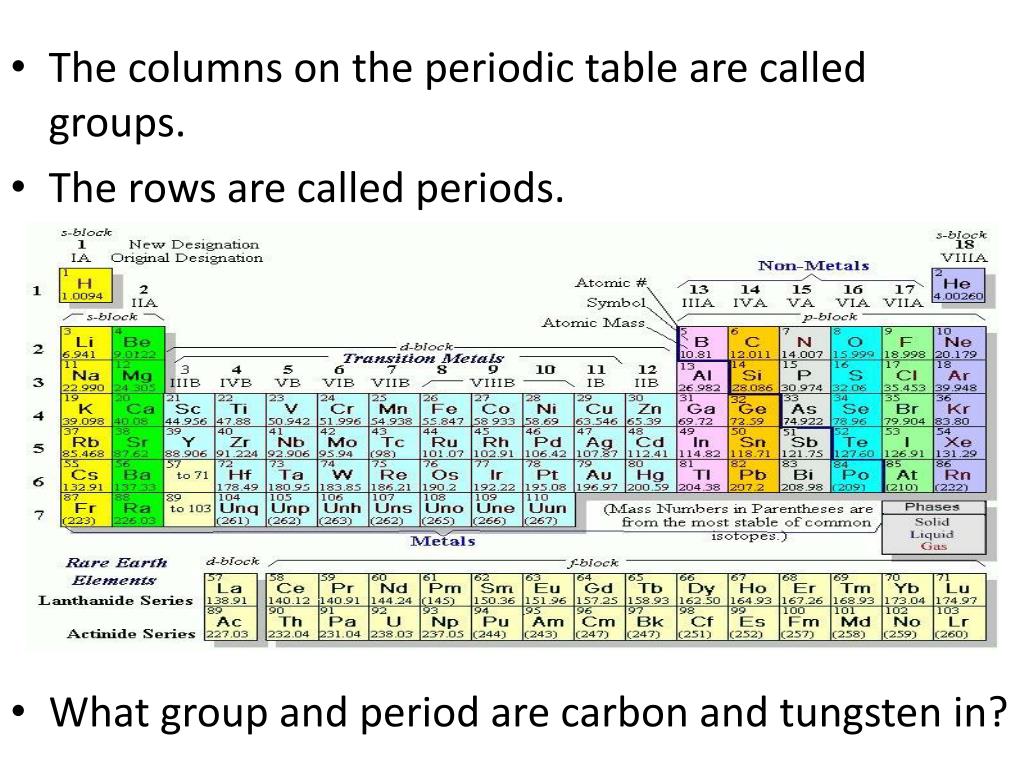
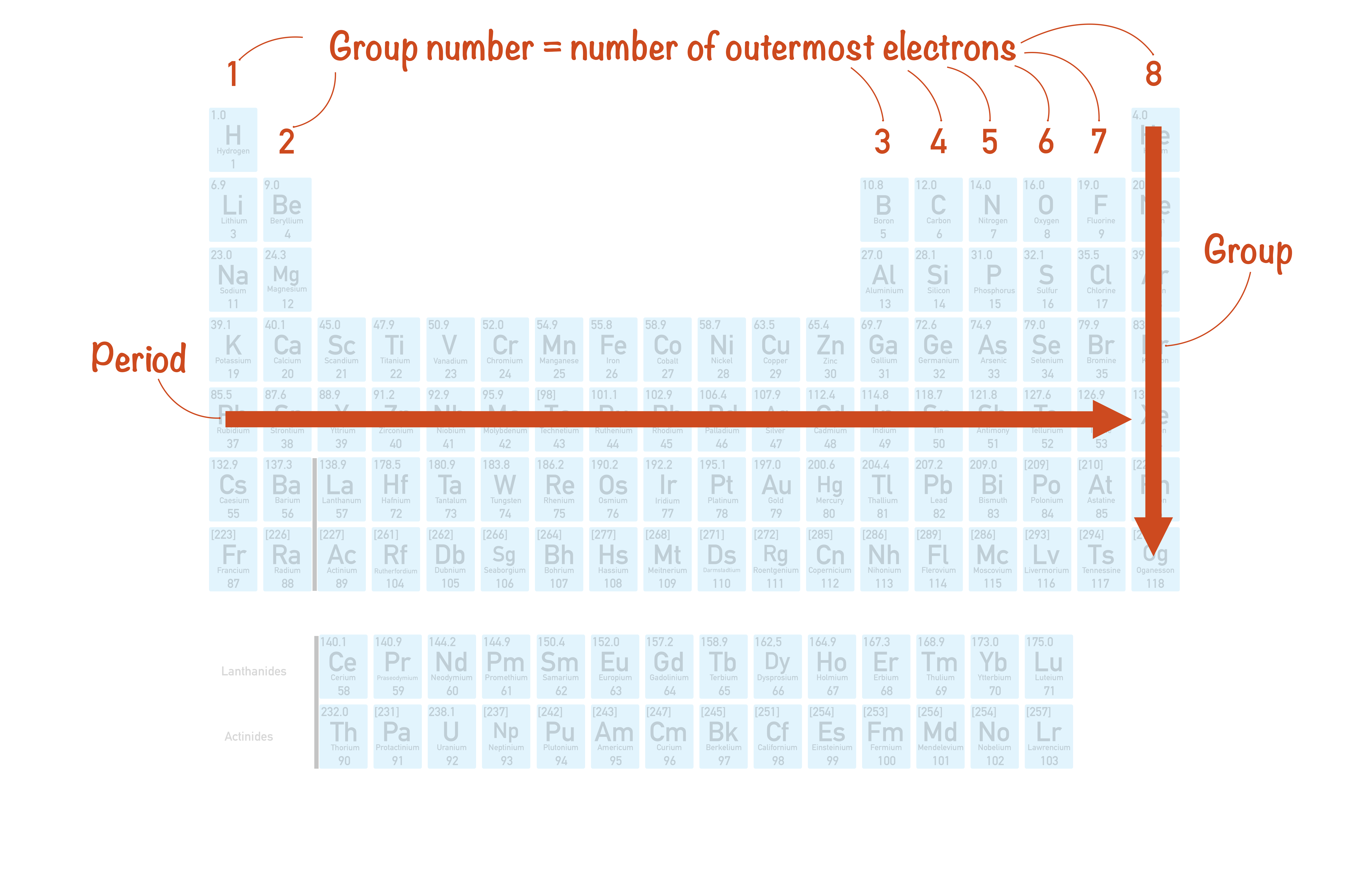
In the terminology of chemistry, a column in the periodic table is formally known as a “group.” While the rows—referred to as periods—represent the sequential filling of electron shells, the columns represent a much more critical commonality: the number of valence electrons.

The Significance of Valence Electrons
The valence electrons are the electrons located in the outermost shell of an atom. These electrons are the primary participants in chemical bonding. Because elements within the same group share the same number of valence electrons, they exhibit strikingly similar chemical properties. For instance, Group 1, the alkali metals, all possess a single valence electron, making them highly reactive as they seek to shed that electron to achieve a stable configuration.
The IUPAC Numbering System
The International Union of Pure and Applied Chemistry (IUPAC) provides the standard for modern scientific nomenclature. Under the IUPAC system, groups are numbered 1 through 18, moving from left to right. This numerical designation replaces older, somewhat confusing systems that used Roman numerals and letters (such as IA or IIB), which often varied between North American and European textbooks. By using a consistent 1-18 scale, engineers and scientists can communicate properties of elements with unambiguous precision.
Why Group Classification Matters in Modern Tech
The classification of elements into groups is not merely an academic exercise; it is the bedrock of modern technology, particularly in the fields of semiconductor manufacturing, battery development, and high-performance alloys.
Semiconductor Physics and Group Dynamics
The semiconductor industry relies heavily on the manipulation of elements from specific groups to create extrinsic semiconductors. By “doping” silicon (a Group 14 element) with elements from Group 13 or Group 15, manufacturers can control the electrical conductivity of the material. For example, adding an element with five valence electrons (like phosphorus from Group 15) to a silicon lattice creates an n-type semiconductor with extra electrons, while adding an element with three valence electrons (like boron from Group 13) creates a p-type semiconductor. This “group-based” engineering is the functional foundation of the transistors that power every computer, smartphone, and AI processor on the planet.
Catalysis and Industrial Efficiency
Beyond electronics, the chemical industry utilizes group consistency to develop efficient catalysts. Elements within transition metal groups (Groups 3 through 12) are frequently used as catalysts in industrial chemical processes. Because elements in these columns have partially filled d-orbitals, they are exceptionally skilled at facilitating complex reactions by providing a surface where reactants can bond and rearrange. Understanding that an element belongs to a specific transition metal group allows process engineers to predict how it might perform in a catalytic converter or an industrial reactor, streamlining the development of sustainable energy solutions.
Patterns of Reactivity Across the Columns
The vertical columns of the periodic table act as a predictive tool. When you know an element’s group, you can infer its reactivity, its melting point trends, and its tendency to form specific types of ions.
The Trend of Electronegativity
As you move down a group, the atomic radius increases because each successive period adds an entirely new electron shell. This increase in distance between the nucleus and the valence electrons results in a decrease in electronegativity—the atom’s ability to attract electrons. Conversely, moving up a column increases electronegativity. This vertical trend is vital for engineers designing sensors or electrochemical cells, where the electron-pulling power of a material determines the voltage and efficiency of the device.
Stability and Inertness
The most famous example of group consistency is found in Group 18: the Noble Gases. Helium, neon, argon, krypton, xenon, and radon share the property of having a full valence shell. Because their electron configurations are inherently stable, they are largely non-reactive. This predictability is why argon is used in lightbulbs and welding environments; scientists know with absolute certainty that it will not interact with the materials they are trying to protect.
Navigating the Periodic Table as a Data Structure
If we view the periodic table as a database, the columns serve as the primary key for categorizing materials. Modern technological development is increasingly dependent on the synthesis of new materials, such as metamaterials or advanced composites.
Predictive Modeling and Discovery
When a lab is tasked with finding a new material for a high-efficiency battery, they don’t test every element on the table. Instead, they look at the group of a known effective element (like lithium, in Group 1) and look for vertical neighbors (like sodium or potassium) to test variations in performance. This vertical “group-hopping” is a fundamental strategy in materials science research. It reduces the experimental search space, allowing for faster breakthroughs in power storage and hardware durability.
The Role of Groups in Sustainability
As the tech industry moves toward circular economy models, the ability to substitute rare or toxic elements with more abundant, safer alternatives within the same group has become a critical strategic objective. For example, finding alternatives for toxic heavy metals often involves searching within the same group for elements with similar valence characteristics but lower environmental impacts. By understanding that columns represent “chemical families,” engineers can swap elements within a group to refine product safety without sacrificing the functional utility of the device.
Conclusion: The Functional Utility of Groups
The periodic table is far more than a classroom poster; it is a sophisticated index of physical and chemical potential. By identifying the columns as “groups,” we gain access to the underlying logic of the universe’s building blocks. Whether you are optimizing a circuit, developing a new alloy for aerospace, or refining a catalytic process, the vertical columns provide the essential roadmap.
The structure of these groups dictates how electrons move, how bonds form, and how materials behave under stress or electrical load. In an age of rapid technological acceleration, recognizing that a column is a group—and understanding what that means for electron behavior—is not just chemistry; it is a fundamental tool for engineering the future. The periodic table serves as the primary data architecture for the physical world, and its groups are the query parameters that allow us to extract the answers needed to innovate, build, and sustain our modern digital and physical infrastructure.
aViewFromTheCave is a participant in the Amazon Services LLC Associates Program, an affiliate advertising program designed to provide a means for sites to earn advertising fees by advertising and linking to Amazon.com. Amazon, the Amazon logo, AmazonSupply, and the AmazonSupply logo are trademarks of Amazon.com, Inc. or its affiliates. As an Amazon Associate we earn affiliate commissions from qualifying purchases.