
The concept of a “coin proof” can be interpreted in several ways, depending on the context. While the term itself might seem straightforward, its meaning branches out significantly into the realms of numismatics (coin collecting), digital currency, and even security authentication. This exploration will delve into these distinct interpretations, clarifying what constitutes a “coin proof” in each relevant domain. We will examine the meticulous production processes, the distinguishing characteristics, and the intrinsic value associated with each type of proof, ultimately providing a comprehensive understanding of this multifaceted term.
The Numismatic Coin Proof: A Masterpiece of Minting
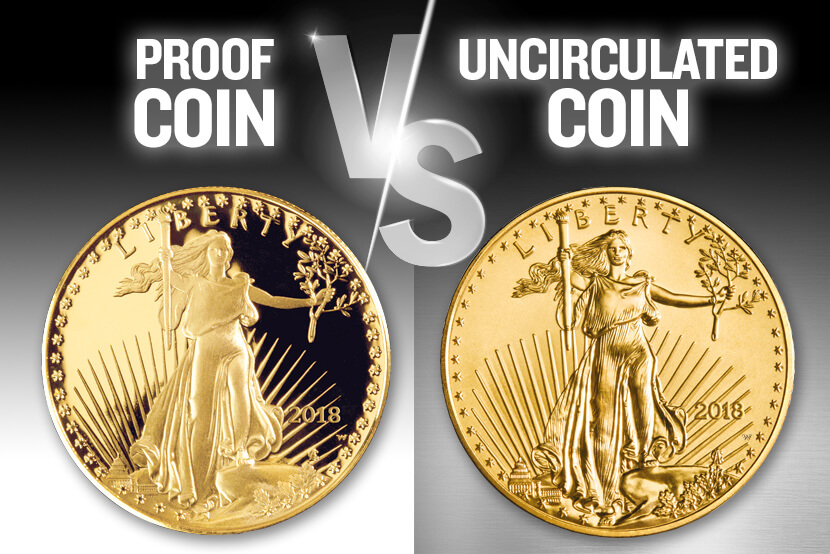
In the world of coin collecting and numismatics, a “proof” coin refers to a coin that has been struck using specially prepared dies and polished planchets (the blank discs of metal from which coins are made). These coins are not intended for circulation but rather for collectors and investors who appreciate their superior quality, intricate detail, and often limited mintage. The term “proof” in this context denotes a high standard of striking, designed to showcase the mint’s capabilities and the beauty of the coin’s design.
The Meticulous Production Process
The creation of a numismatic proof coin is a labor-intensive and highly controlled process, vastly different from the high-speed minting of circulating coins. It begins with the selection and preparation of the metal. For proof coins, the planchets are typically made from the same metals as their regular-issue counterparts, but they undergo an extensive polishing process, often multiple times, to achieve a mirror-like, flawless surface. This meticulous polishing is crucial for creating the characteristic reflective field of a proof coin.
The dies used to strike proof coins are also specially prepared. The designs are often hand-engraved or laser-etched with exceptional precision. Before being used for striking, the dies are polished to a mirror finish, and the raised design elements are often frosted or satin-finished. This contrast between the highly reflective fields and the frosted design is a hallmark of many proof coins.
When striking a proof coin, the minting press operates at a much slower speed than for regular coinage. The planchet is struck multiple times (often two or three) with higher striking pressure. This ensures that every minute detail of the design is fully impressed into the metal, resulting in a sharp, crisp strike with exceptional clarity. The entire process is conducted under stringent quality control measures, with each coin inspected for any imperfections.
Distinguishing Characteristics of Numismatic Proofs
Several key characteristics differentiate a proof coin from a regular, uncirculated coin:
- Surface Finish: The most striking feature of a proof coin is its surface. The fields (the flat, open areas of the coin) are typically brilliant and reflective, akin to a mirror. This is a direct result of the polished planchets and dies.
- Design Contrast: The raised design elements (such as portraits, symbols, and inscriptions) often have a frosted or satin appearance. This contrast between the brilliant fields and the frosted design makes the intricate details of the coin pop and adds a three-dimensional effect.
- Strike Quality: Proof coins exhibit a superior strike quality. The design elements are exceptionally sharp, well-defined, and complete, with no weakness in the strike. Even the smallest nuances of the engraver’s art are fully rendered.
- Edge: While not always a definitive indicator, some proof coins may have a reeded edge that is also highly polished, or in some cases, a plain edge if the design calls for it.
- Mint Mark: Proof coins are often minted at specific mints and may carry a distinct mint mark. For example, “S” for San Francisco, “W” for West Point, or “P” for Philadelphia (though Philadelphia proofs are often indistinguishable by mint mark alone from regular strikes).
Types of Numismatic Proofs
Within the realm of numismatic proofs, there are further distinctions:
- Proof (PF or PR): This is the standard designation for modern proof coins produced with the mirrored fields and frosted devices.
- Deep Cameo (DCAM): This is a highly sought-after designation for proof coins where the contrast between the frosted devices and the mirrored fields is exceptionally strong and well-defined. The “cameo” effect refers to the frosted design standing out prominently from the mirror-like background. “Deep” indicates an intense level of this contrast.
- Matte Proof: Primarily associated with older coinage (late 19th and early 20th centuries), matte proofs have a dull, non-reflective finish across the entire surface of the coin, including the design elements. They were created with sandblasted dies and planchets, offering a different aesthetic appeal.
- Reverse Proof: A relatively newer concept, a reverse proof coin has a mirrored finish on the design elements and a frosted finish on the fields. This is an inversion of the traditional proof coin appearance.
The value of a numismatic proof coin is significantly higher than its face value or that of a regular circulation strike coin. This premium is driven by the production costs, the aesthetic appeal, the rarity (due to limited mintages), and the demand from collectors and investors.
The Digital Coin Proof: Verifying Blockchain Transactions
In the rapidly evolving world of digital currencies and blockchain technology, the term “coin proof” takes on an entirely different meaning, referring to the mechanisms used to validate and secure transactions on a distributed ledger. These “proofs” are fundamental to the functioning of cryptocurrencies like Bitcoin and Ethereum, ensuring that digital coins are genuine and that transactions are legitimate.
Understanding Blockchain Consensus Mechanisms
At its core, a blockchain is a decentralized, immutable ledger that records transactions across many computers. To ensure that all participants agree on the state of this ledger and to prevent fraudulent activities like double-spending (spending the same digital coin more than once), blockchains employ consensus mechanisms. These mechanisms dictate how new transactions are verified and added to the blockchain. The most prominent of these are Proof-of-Work (PoW) and Proof-of-Stake (PoS).
Proof-of-Work (PoW): The Computational Challenge

Proof-of-Work, famously used by Bitcoin, is a consensus algorithm where participants, known as “miners,” compete to solve complex computational puzzles. These puzzles are designed to be difficult to solve but easy for others to verify once a solution is found.
- The Process: Miners use specialized hardware to repeatedly guess a random number (a “nonce”) that, when combined with the transaction data and a previous block’s hash, produces a hash value that meets certain criteria (e.g., starting with a specific number of zeros). This process is computationally intensive and requires significant electricity.
- The “Proof”: The solution to the puzzle is the “proof” that the miner has expended a considerable amount of computational effort (work). The first miner to find the correct solution gets to add the next block of verified transactions to the blockchain.
- Incentives and Security: As a reward for their efforts, the successful miner is typically compensated with newly minted cryptocurrency and transaction fees. This incentivizes participation and secures the network. The immense computational power required makes it economically unfeasible for a single entity to gain enough control to manipulate the blockchain.
- Energy Consumption: A significant criticism of PoW is its high energy consumption due to the constant computational effort required by miners.
Proof-of-Stake (PoS): The Economic Stake
Proof-of-Stake is an alternative consensus mechanism that aims to address the energy concerns of PoW. Instead of computational power, participants in a PoS system “stake” a certain amount of their cryptocurrency to become validators.
- The Process: Validators are chosen to create new blocks based on the amount of cryptocurrency they have staked and other factors (like the age of their stake). The more coins a validator stakes, the higher their chance of being selected to validate a block.
- The “Proof”: The “proof” in PoS is the validator’s economic stake in the network. By locking up their own funds, validators have a vested interest in the network’s integrity. If they act maliciously (e.g., try to validate fraudulent transactions), they risk losing their staked cryptocurrency (a process called “slashing”).
- Energy Efficiency: PoS is significantly more energy-efficient than PoW because it does not rely on solving computationally intensive puzzles. Validators simply need to run software and maintain their stake.
- Variations: There are several variations of PoS, including Delegated Proof-of-Stake (DPoS), where token holders vote for delegates who then validate transactions, and Bonded Proof-of-Stake (BPoS).
Other Consensus Mechanisms
While PoW and PoS are the most prevalent, other consensus mechanisms exist, each with its own approach to achieving distributed agreement and ensuring the integrity of digital coins:
- Proof-of-Authority (PoA): In PoA, transactions and blocks are validated by a pre-approved set of trusted authorities. This is often used in private or permissioned blockchains where a high degree of control and trust among participants is established.
- Proof-of-Elapsed-Time (PoET): Developed by Intel, PoET relies on trusted execution environments (TEEs) within processors to ensure that each participant waits for a randomly generated amount of time before creating a block.
- Byzantine Fault Tolerance (BFT) Variants: These algorithms, such as Practical Byzantine Fault Tolerance (PBFT), are designed to allow a distributed network to reach consensus even if some nodes are faulty or malicious.
In the digital realm, a “coin proof” is not about the physical appearance or minting process of a coin, but rather the cryptographic or economic mechanism that guarantees the authenticity, validity, and security of digital currency transactions on a blockchain.
The Security Coin Proof: Authentication and Integrity
Beyond numismatics and digital currencies, the concept of a “coin proof” can also relate to security features and authentication methods designed to verify the genuineness of physical objects, including coins and their packaging, or even security tokens. While not a direct interpretation of the word “coin” in the sense of currency, it relates to the principle of providing irrefutable evidence or validation.
Anti-Counterfeiting Measures
For valuable numismatic coins or even circulating currency, robust anti-counterfeiting measures are crucial. A “coin proof” in this context would refer to the evidence or features that demonstrate a coin’s authenticity and deter or detect counterfeit versions.
- Holograms and Security Threads: Many modern banknotes and some collectible coins incorporate sophisticated holograms or security threads that are difficult to replicate. These visual elements act as a form of proof of authenticity.
- Micro-etching and Laser Engraving: Intricate designs, micro-text, or laser-engraved patterns that are invisible to the naked eye but can be magnified can serve as unique identifiers. The difficulty in replicating these precise details provides a level of proof.
- Edge Markings and Security Features on Edges: The edge of a coin can also be a canvas for security features. Special reeding patterns, laser-engraved symbols, or even multi-layered metallic compositions can be employed.
- Material Science and Spectroscopic Analysis: Advanced authentication involves analyzing the precise metallic composition of a coin using techniques like X-ray fluorescence (XRF) or other spectroscopic methods. A match to the known elemental signature of genuine coinage serves as a definitive proof.
Certified Coin Holders and Grading Services
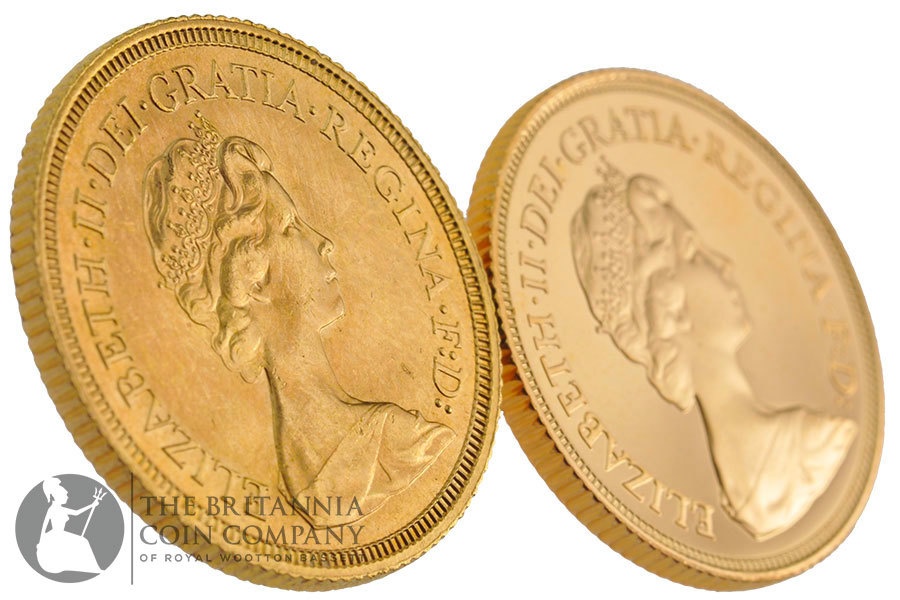
In the numismatic world, a significant form of “coin proof” comes from third-party grading services. Reputable services like PCGS (Professional Coin Grading Service) and NGC (Numismatic Guaranty Company) meticulously examine coins and encapsulate them in tamper-evident holders.
- The Holder as Proof: The sealed, tamper-evident holder itself becomes a physical proof of the coin’s grade and authenticity as determined by the grading service. These holders often feature unique serial numbers, holograms, and other security measures to prevent counterfeiting of the holder itself.
- The Grade as Proof: The assigned grade (e.g., MS-65 for Mint State 65, PR-67 for Proof 67) is a standardized assessment of the coin’s condition, strike, and eye appeal. This grade, provided by an impartial expert, serves as a definitive proof of the coin’s quality and market value.
- Documentation and Authentication: These grading services also provide detailed documentation and databases that can be referenced to verify a coin’s provenance and authenticity, offering an additional layer of proof.
Digital Security Tokens and Certificates
In some broader applications of digital assets and security, a “coin proof” could even extend to the concept of digital certificates or tokens that represent ownership or entitlement to a physical asset or a specific right.
- Blockchain-based Certificates: Similar to how blockchain proves ownership of digital coins, it can also be used to issue digital certificates of authenticity for physical items. These certificates, recorded on an immutable ledger, act as a tamper-proof proof of ownership or authenticity.
- Smart Contracts: Smart contracts can be programmed to automatically verify certain conditions or trigger actions upon confirmation of a “proof,” such as releasing funds upon verification of delivery or authenticity.
The security interpretation of “coin proof” emphasizes the need for verifiable evidence to establish authenticity, prevent fraud, and ensure trust in the value or integrity of a physical or digital asset. It’s about creating an unassailable demonstration that something is what it claims to be.
aViewFromTheCave is a participant in the Amazon Services LLC Associates Program, an affiliate advertising program designed to provide a means for sites to earn advertising fees by advertising and linking to Amazon.com. Amazon, the Amazon logo, AmazonSupply, and the AmazonSupply logo are trademarks of Amazon.com, Inc. or its affiliates. As an Amazon Associate we earn affiliate commissions from qualifying purchases.