
In the intricate world of software development, the term “codebase” is thrown around with casual familiarity, yet its true essence often remains underexplored by those outside the immediate engineering sphere. Far more than just a collection of lines of code, a codebase is the beating heart of any software application, an organism that evolves, adapts, and defines the very capabilities and limitations of a digital product. Understanding what constitutes a codebase, its significance, and how it is managed is fundamental to grasping the mechanics behind virtually every piece of software we interact with daily, from mobile apps and operating systems to complex enterprise solutions and AI models.
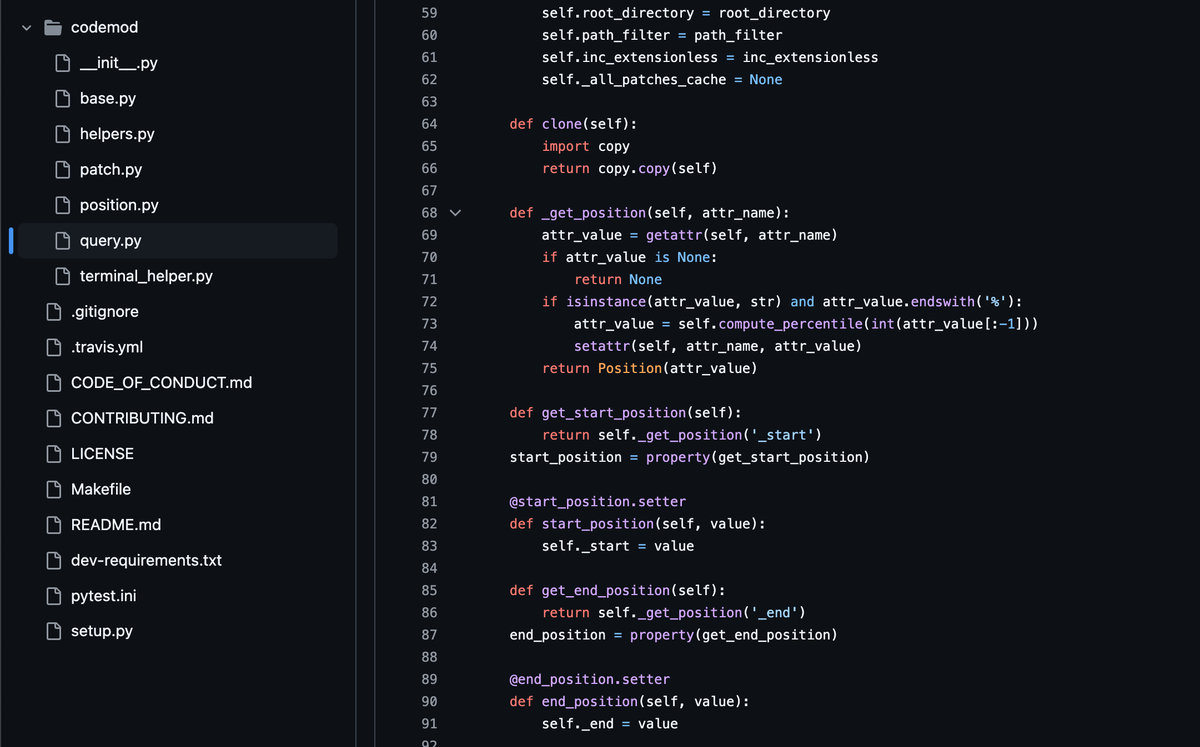
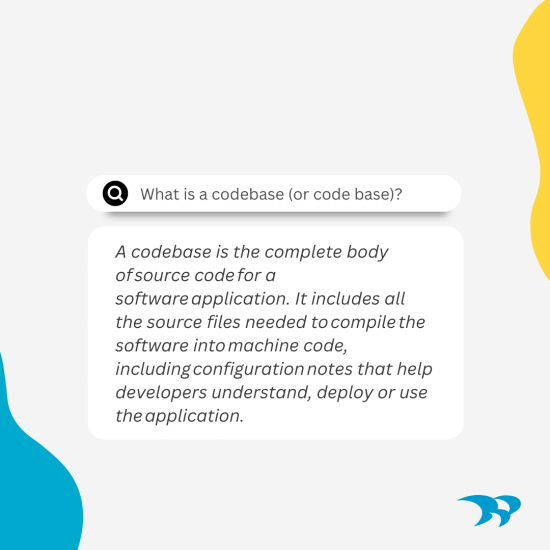
At its core, a codebase is a comprehensive collection of all the source code, associated files, and resources that together form a particular software project. It is the complete blueprint, the DNA, from which an executable program can be built. But to truly appreciate its depth, one must look beyond the literal code and consider the entire ecosystem of elements that contribute to its functionality, maintainability, and future evolution. It’s a living entity, constantly being written, tested, debugged, and refined by teams of developers, each contribution adding another layer to its complexity and utility.
The Core Components of a Codebase
A codebase is rarely a monolithic block of text; instead, it is a structured repository of various file types and resources, each serving a specific purpose in the overall architecture of the software. Deconstructing these components helps illustrate the multifaceted nature of a software project.
Source Code Files
This is what most people imagine when they hear “codebase.” Source code files contain the human-readable instructions written in programming languages like Python, Java, C++, JavaScript, or Ruby. These instructions dictate the logic, algorithms, data structures, and user interface elements of the application. They are the direct commands that, once compiled or interpreted, tell a computer what to do. The quality, readability, and efficiency of this source code are paramount to the software’s performance and future development. Different modules or features of an application are typically organized into separate files or directories within the source code, promoting modularity and easier management.
Configuration Files
Configuration files are crucial for defining how an application behaves in different environments or under various conditions without altering the core source code. These files might specify database connection strings, API keys, server settings, feature flags, or environmental variables (e.g., development, staging, production). They allow developers and administrators to customize the application’s operation without recompiling the entire codebase, making deployment and environmental shifts significantly more flexible and secure. Examples include .env files, YAML files, or JSON configuration files.
Assets and Resources
Beyond the purely functional code, most software applications rely heavily on various non-code assets and resources to deliver a rich user experience. This category includes images, icons, videos, audio files, fonts, and other media elements that are displayed to the user. It also encompasses localization files (for different languages), user interface definitions (like XML layouts for Android apps or JSX components for web apps), and static content. These assets are integral to the application’s look, feel, and usability, directly impacting user engagement and brand perception.
Documentation
Often overlooked but incredibly vital, documentation is an essential part of a healthy codebase. This includes in-code comments explaining complex logic, API documentation for external and internal consumers, README files providing setup instructions and project overviews, architectural diagrams, and even design documents outlining feature specifications. Good documentation acts as a collective memory for the development team, facilitating onboarding for new developers, clarifying design decisions, and ensuring the long-term maintainability and understanding of the software. Without it, even the most elegant code can become a black box.
Dependencies and Libraries
Modern software development rarely involves building everything from scratch. Instead, developers leverage existing code modules, frameworks, and libraries created by others. These “dependencies” are external packages that provide specific functionalities, such as database connectivity, user authentication, data manipulation, or UI components. A codebase includes references to these dependencies (e.g., package.json for Node.js, pom.xml for Java Maven projects, requirements.txt for Python), allowing package managers to automatically fetch and integrate them. While highly efficient, managing these dependencies, including their versions and potential vulnerabilities, is a critical aspect of codebase health.
Why Codebases Matter: Significance in Software Development
The codebase is more than just a collection of files; it’s the central nervous system of a software project, dictating its potential and controlling its evolution. Its significance permeates every aspect of software development, from initial conception to long-term maintenance.
The Foundation of Functionality
Every feature, every interaction, and every data manipulation performed by a software application is directly implemented and controlled by its codebase. It’s the engine that powers the user experience, processes information, communicates with other systems, and ultimately delivers the value proposition of the software. A robust, well-structured codebase ensures that the software performs its intended functions reliably and efficiently.
Collaboration and Version Control
In today’s development landscape, software is almost exclusively built by teams. The codebase serves as the single source of truth for all developers working on a project. Version Control Systems (VCS) like Git are used to manage changes to the codebase, allowing multiple developers to work concurrently, merge their contributions, track revisions, and revert to previous states if necessary. This collaborative environment, centered around a shared codebase, is essential for large-scale projects and distributed teams.
Maintainability and Scalability
The quality of a codebase directly impacts its maintainability—how easily it can be understood, modified, and debugged over time. A clean, well-organized codebase with clear architecture and good documentation reduces the effort required to fix bugs, add new features, and adapt to changing requirements. Similarly, scalability—the ability of the software to handle increasing workloads or user numbers—is often baked into the codebase’s design. A poorly designed codebase can lead to “technical debt,” making future development excruciatingly slow and expensive.
Enabling Innovation and Iteration
A well-managed codebase fosters an environment where innovation can flourish. Developers can confidently experiment with new features, refactor existing components, and deploy updates quickly. This iterative process, driven by an adaptable codebase, allows companies to respond rapidly to market feedback, technological advancements, and competitive pressures, ensuring their software remains relevant and competitive. The ability to iterate quickly from a stable and understandable foundation is a hallmark of successful tech companies.
The Lifecycle of a Codebase
Like any complex system, a codebase goes through distinct phases throughout its existence, each with its own focus and challenges.
Initial Development and Prototyping
This is where the codebase is born. During this phase, core architectural decisions are made, foundational modules are laid out, and initial features are implemented. The focus is often on rapid iteration, proving concepts, and getting a minimum viable product (MVP) off the ground. Code might be less polished, and documentation might be minimal, as the primary goal is to establish functionality and validate ideas quickly.
Active Development and Feature Enhancement
Once the initial product is stable, the codebase enters its active development phase. This is characterized by continuous addition of new features, expansion of functionality, and integration with other systems. Teams grow, and the codebase expands significantly. The challenges here include managing increasing complexity, ensuring consistent coding standards, and balancing feature velocity with code quality and stability. Regular refactoring and architectural reviews become critical to prevent technical debt from spiraling out of control.
Maintenance, Bug Fixes, and Refactoring
Even after a product has reached maturity, the codebase requires ongoing attention. This phase focuses on addressing bugs, optimizing performance, patching security vulnerabilities, and ensuring compatibility with new operating systems or hardware. Refactoring – the process of restructuring existing code without changing its external behavior – is also crucial here to improve readability, maintainability, and future extensibility. This phase is continuous and essential for the longevity and reliability of the software.
Archiving or Deprecation
Eventually, all software reaches the end of its life cycle. When a product is no longer supported, relevant, or financially viable, its codebase may be archived or deprecated. Archiving preserves the code for historical reference, legal compliance, or potential future revival. Deprecation means actively discouraging its use and eventually ceasing support, often due to replacement by a newer system or technological obsolescence. Even in deprecation, careful management of the codebase is required, especially if other systems still rely on it.
Best Practices for Managing a Healthy Codebase
A healthy codebase is a well-managed one. Adhering to certain best practices is crucial for ensuring its longevity, efficiency, and the productivity of the development team.
Version Control Systems (VCS)
Utilizing a robust VCS like Git is non-negotiable. It allows developers to track every change, collaborate effectively, merge disparate workstreams, and revert to any previous state of the codebase. Branches enable parallel development of features and bug fixes without interfering with the main application, fostering a safe environment for experimentation.
Code Standards and Style Guides
Establishing and enforcing consistent code standards and style guides (e.g., specific naming conventions, indentation rules, comment formats) across the team significantly improves code readability and maintainability. Tools like linters and formatters can automate the enforcement of these standards, reducing cognitive load and facilitating easier code reviews.
Automated Testing
Comprehensive automated testing (unit tests, integration tests, end-to-end tests) is vital for ensuring the codebase’s reliability and stability. Tests act as a safety net, catching bugs early, validating new features, and providing confidence that changes haven’t introduced regressions. A well-tested codebase allows for more aggressive refactoring and faster deployments.
Continuous Integration/Continuous Deployment (CI/CD)
CI/CD pipelines automate the processes of building, testing, and deploying the codebase. Continuous Integration ensures that code changes from multiple developers are frequently merged into a central repository and automatically tested. Continuous Deployment then automates the release of validated changes to production, enabling rapid and reliable software delivery. This reduces manual errors and speeds up the development cycle.
Documentation and Knowledge Sharing
Maintaining up-to-date documentation, both internal (for developers) and external (for users or APIs), is paramount. Beyond formal documents, fostering a culture of knowledge sharing through code reviews, pair programming, and internal wikis helps distribute understanding of the codebase across the team, reducing single points of failure and improving overall project resilience.
Regular Refactoring and Technical Debt Management
Technical debt, incurred by making quick, less-than-ideal solutions in the short term, can cripple a codebase in the long run. Regular refactoring sessions should be scheduled to clean up code, improve architecture, and pay down technical debt. Proactive management of technical debt ensures the codebase remains flexible, performant, and easy to work with over time.
Challenges and Evolution of Codebases
The journey of a codebase is not without its hurdles. As technology advances and software becomes more complex, new challenges and paradigms emerge.
Scaling and Complexity
As software grows, so does its codebase. Managing increasing complexity, thousands or millions of lines of code, and hundreds of contributors becomes a significant challenge. Monolithic codebases can become unwieldy, leading to slow build times, difficult deployments, and a higher risk of introducing bugs.
Security Vulnerabilities
A codebase is a prime target for security exploits. Vulnerabilities can arise from poorly written code, misconfigured dependencies, or outdated libraries. Proactive security audits, static code analysis, and staying updated with dependency patches are constant battles in maintaining a secure codebase.
Technological Obsolescence
Programming languages, frameworks, and tools evolve rapidly. Parts of a codebase can become outdated, difficult to maintain, or incompatible with newer technologies. Migrating older codebases to modern stacks (a process known as “replatforming” or “rewriting”) is a common, often significant, undertaking.
The Rise of Microservices and Distributed Codebases
To combat the challenges of monolithic codebases, many organizations are moving towards microservices architecture. Instead of a single, massive codebase, an application is broken down into many smaller, independent services, each with its own smaller, focused codebase. This leads to a “distributed codebase” where coordination and communication between these services become the new management challenge.
In conclusion, a codebase is far more than a digital artifact; it is a living, breathing testament to human ingenuity and collaboration. It’s the tangible output of countless hours of design, development, and refinement, underpinning the digital experiences that shape our modern world. Understanding its components, recognizing its profound importance, and committing to best practices in its management are not just technical requirements but strategic imperatives for any organization building and maintaining software in the 21st century.
aViewFromTheCave is a participant in the Amazon Services LLC Associates Program, an affiliate advertising program designed to provide a means for sites to earn advertising fees by advertising and linking to Amazon.com. Amazon, the Amazon logo, AmazonSupply, and the AmazonSupply logo are trademarks of Amazon.com, Inc. or its affiliates. As an Amazon Associate we earn affiliate commissions from qualifying purchases.