
In the current landscape of competitive employment and high-cost education, the gap between theoretical knowledge and practical application has become a primary concern for both students and employers. A cooperative education program—commonly referred to as a co-op—serves as the bridge across this divide. By integrating classroom-based education with periods of full-time, paid professional experience, co-op programs offer a structured pathway for students to launch their careers before they even receive their degrees.
Understanding the Core Structure of a Co-op
At its simplest level, a co-op program is a formal partnership between an academic institution and external employers. Unlike a standard internship, which is often a singular summer commitment, a co-op is typically a multi-semester engagement designed to be an extension of the academic curriculum.
The Alternating Work-Study Cycle
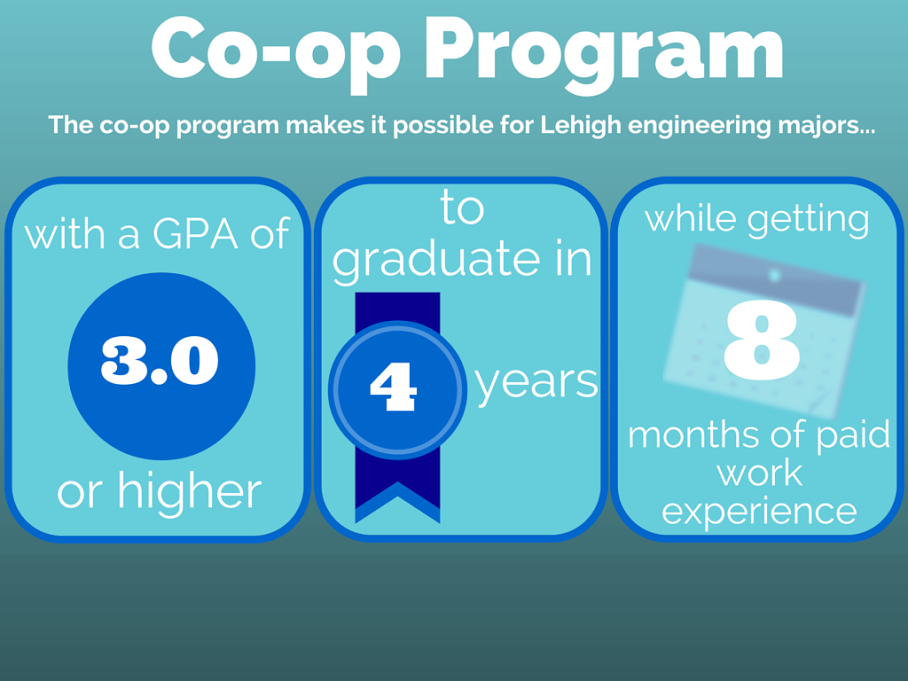
The defining feature of a co-op is its alternating schedule. Students oscillate between periods of full-time study and full-time professional employment. During work semesters, students are not merely observers; they are treated as full-time employees. They are integrated into the company’s operations, assigned tangible responsibilities, and held to professional performance standards. This cycle allows the student to return to the classroom with a sharpened perspective, applying the challenges they faced in the workplace to their remaining coursework.
Integration with Academic Credit
While internships are often elective or peripheral to a degree, co-op programs are frequently embedded directly into the academic structure. Many universities require students to write reports, reflect on their professional development, or present projects based on their work experiences to earn credit toward graduation. This ensures that the professional experience is viewed as an essential component of the student’s intellectual growth rather than a distraction from it.
The Professional and Financial Advantages
For the student, the value proposition of a co-op extends far beyond a line on a resume. It provides a holistic introduction to the professional world that traditional pedagogical methods simply cannot replicate.
Competitive Marketability and Skill Acquisition
Employers prioritize candidates who have already navigated a workplace environment. A co-op graduate enters the job market with months, or sometimes years, of professional experience. They have already learned how to navigate corporate hierarchies, manage complex team dynamics, and utilize industry-specific software or workflows. By the time they graduate, they have surpassed the “onboarding phase” that plagues most entry-level hires, making them immediately productive assets to their future employers.
Financial Sustainability and Debt Mitigation
Higher education often comes with a significant financial burden. Co-op positions are almost exclusively paid, full-time roles. This income serves a dual purpose: it helps students offset the rising costs of tuition and living expenses, and it reduces the overall necessity for student loans. By gaining income while still a student, participants can mitigate their total debt load, providing them with greater financial flexibility upon graduation.
Networking and Early Career Trajectory
The professional connections formed during a co-op can define the first decade of a career. During their rotations, students work alongside industry veterans, mentors, and peers who will eventually move into management positions. Many students secure full-time job offers from their co-op employers before they even finish their final semester. This eliminates the uncertainty of the post-graduation job search and allows the student to transition seamlessly from a student to a professional.

How Employers Benefit from Co-op Programs
While students are the primary beneficiaries, employers derive significant value from these partnerships as well. Organizations that invest in co-op programs often view them as long-term talent development and recruitment strategies.
A Cost-Effective Recruitment Pipeline
Hiring new employees is inherently risky; cultural fit and technical competency are often difficult to assess during a one-hour interview. Co-ops provide an extended “trial period.” An employer can observe a student’s work ethic, their ability to adapt to company culture, and their technical proficiency over several months. This vetting process significantly reduces the costs associated with bad hires and high turnover, as the company is essentially training its future employees in its own systems.
Fresh Perspectives and Innovation
Students bring the latest theoretical knowledge and research from their academic programs into the workplace. They are often less entrenched in “the way things have always been done,” allowing them to ask critical questions or introduce new tools and methodologies learned in their classrooms. This injection of fresh, inquisitive energy can stimulate innovation and keep internal teams from becoming stagnant.
Developing a Mentor-Driven Culture
Running a successful co-op program requires a firm to cultivate a culture of mentorship. When senior staff are tasked with supervising and guiding students, it sharpens their own leadership and communication skills. It encourages employees to explain complex processes clearly and fosters a sense of purpose within the team. This environment often boosts overall morale, as staff members feel a sense of pride in contributing to the professional development of the next generation of industry leaders.
Key Considerations for Choosing a Co-op Program
Not all co-op opportunities are created equal, and students must evaluate these programs with the same scrutiny they apply to their academic majors.
Assessing Alignment with Career Goals
A co-op should never be chosen merely for the pay. The most valuable co-ops are those that provide “meaningful work.” Before accepting a position, students should determine whether the company offers opportunities for growth, exposure to high-level projects, and the chance to interact with different departments. A co-op that involves low-level administrative tasks without mentorship will provide significantly less long-term value than a position that challenges the student’s technical or creative abilities.
Managing the Timeline and Academic Rigor
It is important to acknowledge that participating in a co-op often extends the duration of an undergraduate degree. Because the student is spending a portion of their time in the workplace, they may finish their credits a semester or two later than their peers who choose a traditional four-year path. However, this trade-off—trading time for experience—is almost universally viewed as a net positive by recruiters.
The Evolution of Hybrid and Remote Co-ops
As the professional world shifts toward digital-first operations, the nature of the co-op is also evolving. Increasingly, organizations are offering remote or hybrid co-op opportunities. This expands the pool of potential employers for students, as they are no longer restricted to companies within commuting distance of their campus. While these roles require a high degree of self-discipline and proactive communication, they provide critical experience in the emerging “remote-first” work culture that has become a permanent feature of the modern global economy.
Ultimately, a co-op program is an investment in professional maturity. It is designed for the individual who is eager to transform abstract knowledge into tangible results and for the employer who understands that the best way to predict future success is to build it. By entering a co-op program, students move from being passive consumers of information to active participants in the workforce, ensuring that when they finally leave the university, they are not starting their career—they are continuing it.
aViewFromTheCave is a participant in the Amazon Services LLC Associates Program, an affiliate advertising program designed to provide a means for sites to earn advertising fees by advertising and linking to Amazon.com. Amazon, the Amazon logo, AmazonSupply, and the AmazonSupply logo are trademarks of Amazon.com, Inc. or its affiliates. As an Amazon Associate we earn affiliate commissions from qualifying purchases.