
Co-curricular activities represent a critical, often underestimated, dimension in the development and articulation of an individual’s personal and professional brand. Far from being mere add-ons to academic or professional life, these structured experiences serve as powerful platforms for skill acquisition, network expansion, and the tangible demonstration of character and competence. Within the realm of brand strategy, understanding and strategically engaging with co-curricular activities is paramount for anyone looking to cultivate a robust and differentiated personal identity in a competitive landscape.
Defining Co-Curricular Activities in the Context of Personal Branding
At its core, a co-curricular activity is an organized experience that complements the primary academic or professional curriculum, reinforcing and extending learning objectives in practical, real-world settings. Unlike traditional classroom instruction, which often focuses on theoretical knowledge, co-curricular activities provide hands-on engagement, fostering the application of learned concepts and the development of soft skills crucial for professional success. From a branding perspective, these activities are not just about participation; they are about demonstrating value. They offer concrete evidence of an individual’s initiative, commitment, and capacity to contribute beyond their core responsibilities, thereby enriching their narrative and strengthening their brand appeal.
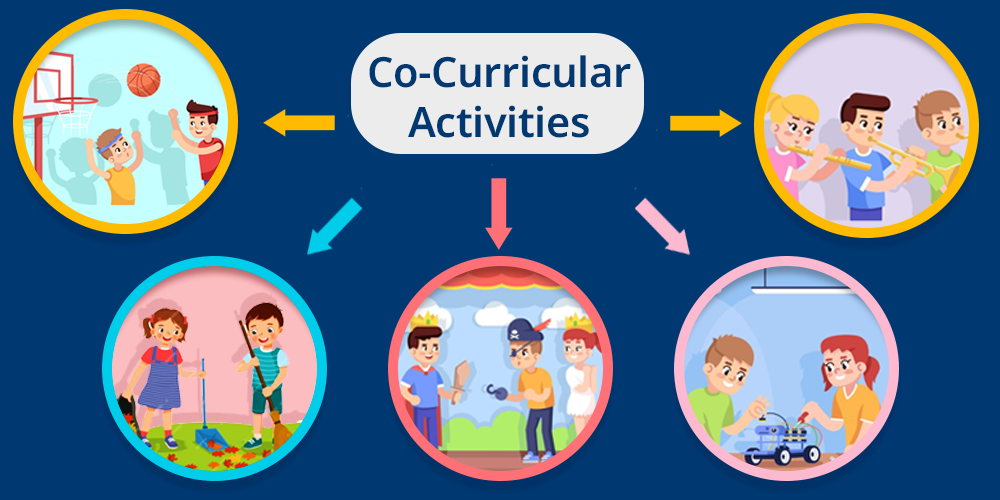
Beyond the Classroom: Holistic Skill Development
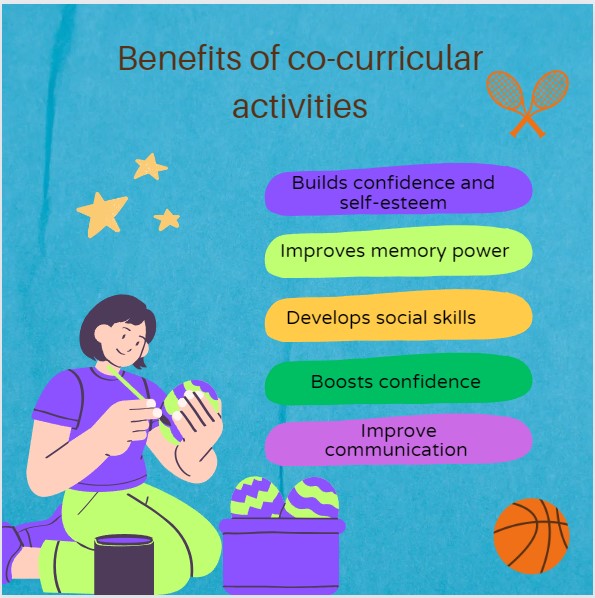
The true power of co-curricular activities for personal branding lies in their ability to facilitate holistic skill development. While academic curricula equip individuals with specialized knowledge, co-curriculars are fertile ground for cultivating a broader suite of competencies often referred to as “soft skills” – qualities increasingly valued by employers and essential for leadership. These include critical thinking, problem-solving, communication, teamwork, adaptability, and emotional intelligence. For an individual aiming to build a compelling personal brand, showcasing proficiency in these areas through active involvement in relevant co-curriculars provides verifiable proof of their capabilities. For instance, leading a student organization demonstrates leadership and project management skills, while participating in a community service initiative highlights empathy and social responsibility. These tangible experiences become powerful talking points and differentiators, allowing individuals to articulate a richer, more nuanced brand story that transcends academic grades or job titles. They move beyond stating attributes to proving them through action, which is far more impactful for brand perception.
The Distinction from Extracurriculars
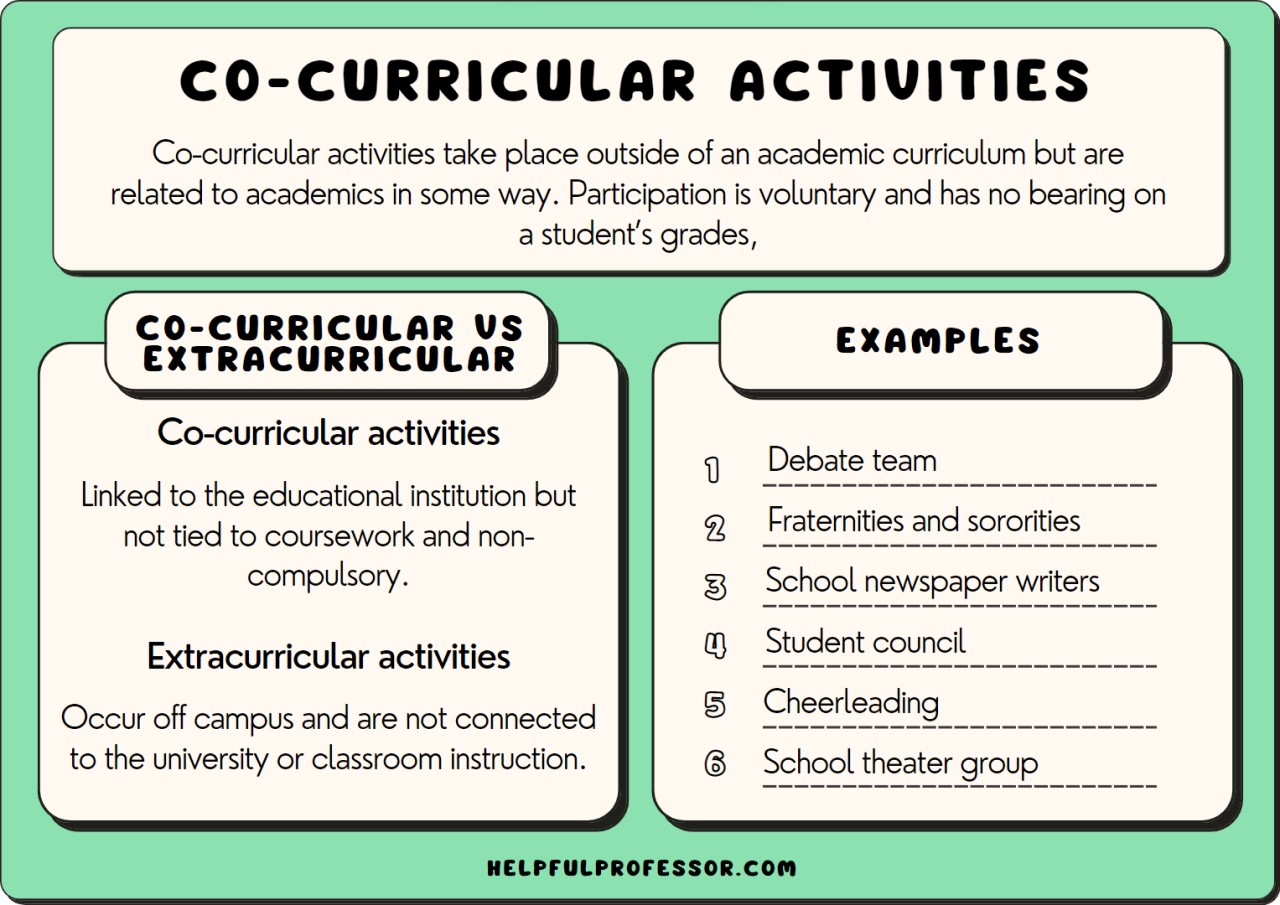
While often used interchangeably, understanding the subtle difference between co-curricular and extracurricular activities is important when strategically planning one’s brand development. Extracurricular activities are generally pursued out of personal interest or leisure, independent of the formal curriculum (e.g., hobby clubs, purely recreational sports). Co-curricular activities, however, are intentionally designed to complement and enhance the formal learning or professional experience, often with a direct link to academic or career goals. For personal branding, this distinction matters because co-curriculars typically offer a more direct path to demonstrating specific professional competencies and aligning with career aspirations. For example, a student pursuing a marketing degree who participates in a university’s student-run marketing agency (co-curricular) is directly building relevant professional experience and demonstrating a commitment to their chosen field, significantly enhancing their brand as an aspiring marketer. In contrast, joining a recreational book club (extracurricular) might show interests but offers less direct impact on a professional marketing brand. The strategic choice of co-curricular activities directly correlates with the specific attributes and skills an individual wishes to feature in their personal brand narrative, making their selection a deliberate branding exercise rather than a casual pursuit.
Crafting Your Personal Brand Through Co-Curricular Engagement
The strategic selection and active participation in co-curricular activities offer unparalleled opportunities to sculpt and articulate a compelling personal brand. These engagements move beyond passive learning or theoretical understanding, providing real-world contexts to develop and display attributes that resonate with target audiences, whether they be recruiters, potential clients, or collaborators. From demonstrating core competencies to fostering invaluable networks, co-curriculars are a proving ground for the values and capabilities that define one’s professional identity.
Demonstrating Core Competencies
One of the most significant advantages of co-curricular activities for personal branding is their capacity to serve as tangible evidence of core competencies. Rather than simply listing “leadership” or “teamwork” on a resume, active involvement in a co-curricular setting allows an individual to illustrate these skills through concrete examples and measurable outcomes. For instance, organizing a charity fundraiser demonstrates project management, financial acumen, and community engagement. Leading a debate team showcases public speaking, critical thinking, and persuasive communication. These experiences translate into powerful STAR (Situation, Task, Action, Result) stories that can be leveraged in interviews, networking conversations, and personal statements, providing a rich narrative that substantiates claims of skill and expertise. By consciously choosing activities that align with the competencies they wish to highlight, individuals can strategically build a portfolio of experiences that directly supports their brand message, making it more credible and impactful. This intentional alignment ensures that every co-curricular engagement contributes directly to the desired brand perception, moving beyond mere participation to strategic demonstration of value.
Cultivating Leadership and Teamwork
Leadership and teamwork are universally sought-after traits, and co-curricular activities provide fertile ground for their cultivation and display. Holding a leadership position in a student club, chairing a committee, or coordinating a volunteer project offers direct experience in motivating peers, delegating tasks, resolving conflicts, and guiding initiatives to successful completion. These roles naturally necessitate the exercise of influence, strategic planning, and accountability – all hallmarks of strong leadership. Similarly, working effectively within a diverse team on a collaborative co-curricular project hones essential teamwork skills, including active listening, negotiation, compromise, and collective problem-solving. For personal branding, showcasing such experiences provides irrefutable proof of an individual’s ability to collaborate, lead, and contribute positively to group dynamics. These are not merely skills learned in a textbook; they are competencies honed through practical application, making an individual’s brand more attractive to organizations seeking effective leaders and team players. Documenting specific achievements, challenges overcome, and lessons learned in these roles further solidifies the brand narrative, positioning the individual as a proactive and capable contributor.
Building a Professional Network
Beyond skill development, co-curricular activities are invaluable for expanding one’s professional network. These settings naturally bring together individuals with shared interests, goals, or academic/professional alignments. Participating in professional societies, industry-specific clubs, or cross-disciplinary projects exposes individuals to peers, mentors, faculty advisors, and even external professionals who volunteer their time or serve on advisory boards. These connections can lead to mentorship opportunities, internships, job referrals, and future collaborations, significantly enhancing an individual’s career trajectory and brand visibility. For example, a student involved in a university’s entrepreneurship club might connect with local startup founders or investors, opening doors to unique opportunities. Each interaction is a chance to present one’s personal brand, demonstrate professionalism, and cultivate relationships that extend far beyond the immediate activity. A strong professional network is a crucial asset for any personal brand, providing access to knowledge, opportunities, and advocacy. Co-curricular activities offer a natural, low-pressure environment to initiate and nurture these vital connections, building social capital that directly supports long-term brand growth and influence.
Strategic Selection: Aligning Activities with Brand Objectives
The efficacy of co-curricular activities in building a powerful personal brand hinges on strategic selection. It’s not simply about accumulating activities; it’s about choosing experiences that resonate with and amplify your desired brand narrative. Each engagement should serve a specific purpose in showcasing your values, skills, and aspirations, creating a cohesive and compelling professional identity. Thoughtful alignment ensures that every minute invested contributes meaningfully to your overall brand strategy.
Identifying Your Brand Values and Aspirations
Before diving into a multitude of co-curricular options, a critical first step is to clearly define your personal brand values and aspirations. What core principles do you want to embody? What unique strengths do you possess? What kind of professional identity are you striving to cultivate? For instance, if you aim to be perceived as an innovative leader in sustainable technology, your co-curricular choices should reflect this. This might involve joining an environmental advocacy group, participating in a clean energy competition, or taking on a leadership role in a science and technology club. Conversely, if your brand objective is to highlight your compassionate leadership and community engagement, volunteering for a social justice initiative or leading a mentorship program would be more fitting. Without a clear understanding of your brand’s essence, co-curricular engagement risks becoming fragmented and diluted, failing to communicate a consistent message. Self-reflection, perhaps even a personal branding audit, to identify your unique selling propositions, career goals, and the impact you wish to make, provides the necessary framework for purposeful selection. This clarity enables individuals to filter opportunities and prioritize those that genuinely reinforce their brand story, ensuring authenticity and strategic alignment.
Maximizing Impact and Visibility
Once brand values and aspirations are defined, the focus shifts to maximizing the impact and visibility of your chosen co-curricular activities. This involves not just participation, but active engagement and seeking leadership roles where appropriate. Being a passive member adds little to a brand narrative; actively contributing, taking initiative, and delivering tangible results significantly elevates your profile. For example, instead of merely attending meetings for a professional society, volunteer to organize an event, manage its social media presence, or recruit new members. These actions demonstrate initiative, responsibility, and the ability to execute, all highly valuable brand attributes. Furthermore, consider the visibility of the activity itself. Participation in high-profile, recognized organizations or projects with measurable outcomes often carries more weight and provides more compelling material for your brand assets (e.g., resume, LinkedIn). Documenting your achievements, collecting testimonials, and even creating a portfolio of work from your co-curricular endeavors (e.g., marketing materials designed for a club, reports written for a community project) further amplifies their impact. By strategically selecting activities that offer opportunities for meaningful contribution and visible achievement, individuals can transform co-curricular involvement from a bullet point on a resume into a powerful testament to their capabilities and commitment, thereby strengthening their personal brand exponentially.
Showcasing Co-Curriculars on Your Professional Brand Assets
The value of co-curricular activities for personal branding is fully realized when they are effectively integrated into your professional brand assets. It’s not enough to simply participate; you must articulate the skills gained, the impact made, and the leadership demonstrated in a way that resonates with your target audience. Strategic presentation on platforms like resumes, LinkedIn profiles, and during interviews transforms these experiences into compelling evidence of your capabilities and commitment.
Integrating into Resumes and LinkedIn Profiles
Your resume and LinkedIn profile are primary touchpoints for your professional brand, and co-curricular activities deserve a prominent, well-articulated space within them. On a resume, dedicate a distinct section, perhaps titled “Leadership & Involvement,” “Professional Associations,” or “Community Engagement,” separate from your academic or work experience. For each entry, go beyond merely stating the organization and your role. Instead, focus on quantifiable achievements and transferable skills. For example, instead of “Member, Marketing Club,” consider “Led team of 5 to successfully execute social media campaign, increasing event attendance by 40% for the annual marketing conference.” This demonstrates leadership, teamwork, and measurable impact.
On LinkedIn, leverage the “Volunteer Experience,” “Organizations,” and “Projects” sections to detail your co-curricular engagements. Craft detailed descriptions that highlight responsibilities, specific accomplishments, and the competencies developed. Connect these experiences to the skills listed on your profile (e.g., “Developed content strategy and managed editorial calendar for university newspaper” supports “Content Creation” and “Project Management”). Soliciting recommendations or endorsements from peers, mentors, or faculty involved in these activities can further validate your contributions and enhance your brand credibility. The key is to transform a list of activities into a compelling narrative of achievement and skill development, directly aligning with the professional brand you aim to project.
Storytelling in Interviews and Personal Statements
Beyond digital platforms, co-curricular activities become incredibly powerful storytelling tools in interviews and personal statements. These are opportunities to bring your brand to life through specific anecdotes that illustrate your values, problem-solving abilities, and leadership potential. When asked about teamwork, resilience, or initiative, draw upon examples from your co-curricular experiences. Use the STAR method to structure your responses: describe the Situation you were in, the Task you needed to accomplish, the Action you took, and the positive Result of your actions. For instance, recounting how you navigated a conflict within a club committee demonstrates conflict resolution skills, while detailing your efforts in organizing a large-scale community event highlights your organizational prowess and commitment.
In personal statements for academic applications or professional awards, co-curricular involvement can provide rich material to showcase your passion, unique perspective, and readiness for new challenges. Frame these experiences as pivotal moments that shaped your goals, developed critical skills, or solidified your career aspirations. The authenticity and depth these stories provide create a memorable impression, differentiating your brand from others. By thoughtfully preparing and practicing how to articulate the value derived from your co-curricular experiences, you transform them into compelling evidence that reinforces your personal brand, demonstrating not just what you’ve done, but who you are and what you’re capable of achieving.
aViewFromTheCave is a participant in the Amazon Services LLC Associates Program, an affiliate advertising program designed to provide a means for sites to earn advertising fees by advertising and linking to Amazon.com. Amazon, the Amazon logo, AmazonSupply, and the AmazonSupply logo are trademarks of Amazon.com, Inc. or its affiliates. As an Amazon Associate we earn affiliate commissions from qualifying purchases.