
In the complex ecosystem of search engine optimization, technical factors often range from backend code optimizations to high-level content strategies. However, for businesses that operate within specific geographical locations, one of the most critical technical pillars is the “citation.” While the term might sound academic, its role in the digital landscape is foundational, acting as a verification signal for search engine algorithms. Understanding what a citation is, how it functions within the tech stack of a search engine, and how to manage it via modern software tools is essential for any digital strategist.
The Mechanics of Citations: How They Influence Local Search Algorithms
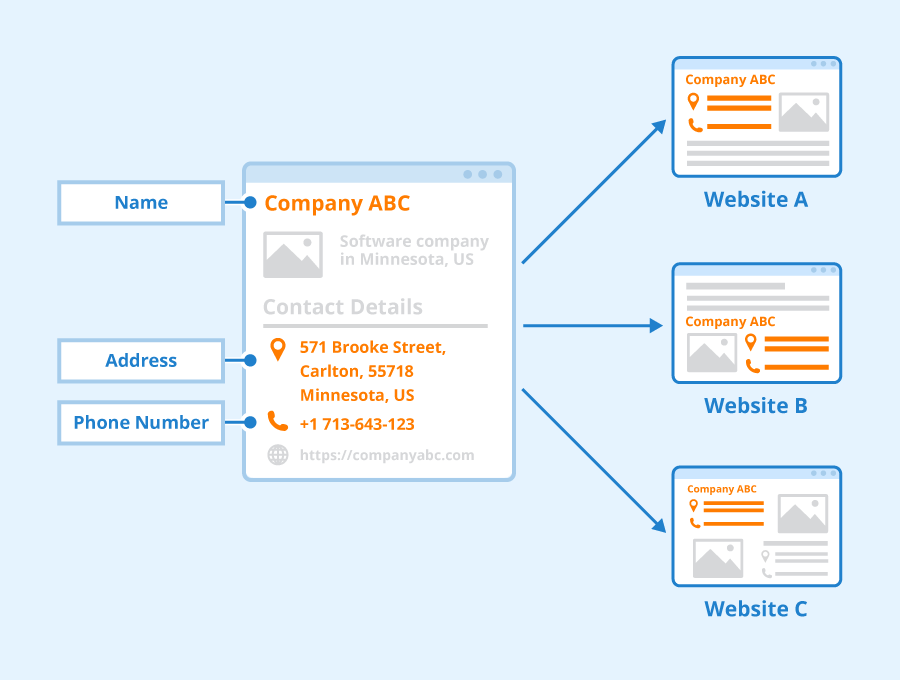
At its core, a citation in SEO is an online mention of a business’s Name, Address, and Phone number (commonly referred to as NAP). Unlike a traditional backlink, a citation does not necessarily require a hyperlink to be valuable. Instead, it functions as a data point that search engine crawlers use to verify the legitimacy and physical presence of a business entity.
Structured vs. Unstructured Citations
From a technical perspective, citations are categorized into two primary types: structured and unstructured.
- Structured Citations: These occur on business listing directories where the data is presented in a standardized format. Platforms like Yelp, Yellow Pages, and Facebook utilize specific fields for NAP data, making it easy for search engine bots to parse and index the information. These are the “canonical” sources of truth for a business’s identity.
- Unstructured Citations: These are mentions of a business on platforms that do not have a dedicated directory structure. Examples include news articles, blog posts, government records, or digital press releases. While harder for algorithms to quantify, unstructured citations carry significant weight because they imply organic authority and community relevance.
The Role of NAP Consistency and Data Integrity
Search engines like Google prioritize user experience, which includes providing accurate information. If a business has different phone numbers or addresses listed across various websites, it creates “data noise.” This inconsistency triggers a lack of trust in the algorithm, potentially demoting the business in the Local Pack (the map results at the top of a search page). Maintaining high data integrity across the web ensures that the “Entity” representing the business is clearly defined and verified.
Essential Platforms and Software for Citation Management
Managing citations manually is a herculean task, especially for enterprises with multiple locations. The modern SEO landscape relies heavily on specialized software and data aggregators to synchronize information across thousands of nodes on the internet.
Data Aggregators: The Backbone of Local SEO
In the United States, a few major data aggregators hold the keys to the local search ecosystem. These include companies like Factual, Data Axle (formerly Infogroup), and Neustar Localeze. These aggregators collect business data and distribute it to hundreds of smaller directories, GPS services, and search engines.
When a business updates its information with a primary aggregator, the change ripples through the web over time. For a technical SEO, ensuring that these primary sources are accurate is the most efficient way to maintain a clean digital footprint.
Automated Listing Management Tools
To streamline this process, several SaaS (Software as a Service) platforms have emerged. Tools such as Yext, BrightLocal, and Moz Local offer centralized dashboards where users can manage their digital presence.
- Yext: Uses an API-based approach to push real-time updates directly to partner sites. This is the fastest way to correct information across the web.
- BrightLocal and Moz Local: These tools focus on auditing existing citations, identifying duplicates, and submitting data to aggregators. They are essential for identifying “citation drift,” where third-party sites accidentally overwrite correct data with outdated information.
Building a Robust Citation Strategy: A Step-by-Step Tutorial
Developing a citation profile is not merely about volume; it is about the authority and relevance of the sources. A technical approach to building citations involves a three-phase process: auditing, cleaning, and expansion.
Phase 1: Conducting a Technical Citation Audit
Before building new listings, you must understand your current status. Use software to crawl the web for all variations of your business name. Look for:
- Mismatched NAP: Even slight variations (e.g., “St.” vs. “Street”) can sometimes cause issues, though modern AI is better at normalizing these than older algorithms.
- Duplicate Listings: Having two listings on the same platform (like Yelp) splits your “ranking power” and confuses customers.
- Old Data: Information from previous locations or disconnected phone lines must be purged.
Phase 2: Strategic Distribution and High-Authority Directories
Once the foundation is clean, the next step is expansion. Start with the “Tier 1” sources:
- Google Business Profile (GBP): The most critical citation in existence.
- Bing Places: Essential for capturing traffic from Microsoft’s ecosystem and voice search via Alexa.
- Apple Maps: Vital for the millions of iOS users.
- Industry-Specific Directories: If you are a lawyer, a citation on Avvo or FindLaw carries more “topical authority” than a generic directory.
Phase 3: The Unstructured Outreach
To truly outpace competitors, you must move beyond directories. This involves digital PR and content marketing. When a local tech blog or news outlet mentions your business and includes your NAP, it sends a powerful signal to search engines that your business is an active, recognized member of the local economy.
The Future of Citations in the Age of AI and Voice Search
As we move toward a world dominated by Large Language Models (LLMs) and AI-driven search (like Google’s SGE or Perplexity), the nature of citations is evolving. We are shifting from a focus on “links” to a focus on “entities.”
Entity-Based SEO and the Evolution of Citations
Search engines are no longer just looking for strings of text; they are looking for “entities” (unique objects or concepts). A citation helps an AI understand that “TechSolutions Inc.” is a specific entity located at a specific latitude and longitude. By connecting your NAP data with Schema Markup (a type of structured data code added to your website), you provide a machine-readable roadmap that helps AI confirm your identity.
Citations and Voice Search Optimization
When a user asks a voice assistant like Siri or Google Assistant, “Where is the nearest computer repair shop?”, the AI doesn’t browse a list of websites. It queries a database of verified citations. If your business information is missing or incorrect in the core databases used by these assistants, you are effectively invisible to voice search. Therefore, the technical accuracy of your citations is the “gatekeeper” for your visibility in the burgeoning voice-AI market.
Troubleshooting and Maintaining Digital Integrity
The digital environment is not static. Competitors, automated bots, and even well-meaning users can suggest edits to your business listings that may be incorrect. Maintaining “digital integrity” requires ongoing technical vigilance.
Managing Duplicate Listings and Data Conflict
Duplicate listings are the “zombies” of the SEO world. They often reappear after being deleted because a secondary data source still contains the old information. To solve this technically, you must identify the “source of truth” causing the duplication. Often, this requires reaching out to the support teams of data aggregators or using software that “locks” your listings to prevent unauthorized changes.
Impact on Mobile Indexing and User Experience
In a mobile-first world, a citation is often the primary way a customer interacts with your brand. If a user clicks a “Call” button on a citation and the number is disconnected, the bounce rate and negative user signal can indirectly harm your SEO. Furthermore, citations are often the source of data for mobile map applications. Ensuring that your “pin” is in the correct location on the map is a technical requirement that falls under the umbrella of citation management.

Conclusion
A citation in SEO is far more than just a mention of a business name; it is a critical component of a business’s technical identity in the digital world. By leveraging data aggregators, utilizing sophisticated management software, and focusing on NAP consistency, businesses can build a foundation of trust with search engine algorithms. As search moves toward an AI-centric, entity-based future, the importance of verified, accurate, and widespread citations will only grow. For any business looking to dominate local search, the technical mastery of citations is not optional—it is the prerequisite for visibility.
aViewFromTheCave is a participant in the Amazon Services LLC Associates Program, an affiliate advertising program designed to provide a means for sites to earn advertising fees by advertising and linking to Amazon.com. Amazon, the Amazon logo, AmazonSupply, and the AmazonSupply logo are trademarks of Amazon.com, Inc. or its affiliates. As an Amazon Associate we earn affiliate commissions from qualifying purchases.