
In the landscape of modern brand strategy, the most potent identities often emerge not from a corporate boardroom, but from the organic evolution of subcultures. One of the most distinct, misunderstood, and eventually commodified cultural brands of the last three decades is the “Chonga.” Originating in the vibrant, multicultural hubs of South Florida—specifically Miami—the term “Chonga” transcends its roots as a slang descriptor to become a fully realized visual and behavioral brand.
To understand what a Chonga is within the context of branding, we must look past the surface-level stereotypes. From a brand strategy perspective, the Chonga identity represents a masterclass in visual consistency, community loyalty, and the complex intersection of personal branding and corporate marketing. This article explores the Chonga as a cultural brand archetype, analyzing its visual identity, its role in personal branding, and the ethical implications of its adoption by mainstream marketing entities.
1. Defining the Chonga: A Visual and Auditory Brand Identity
In professional branding, a brand is defined by its consistency. A brand kit usually includes a specific color palette, typography, and a “voice.” When we analyze the Chonga subculture through this lens, we see a remarkably disciplined visual identity that has remained recognizable for decades.
The Visual Brand Kit
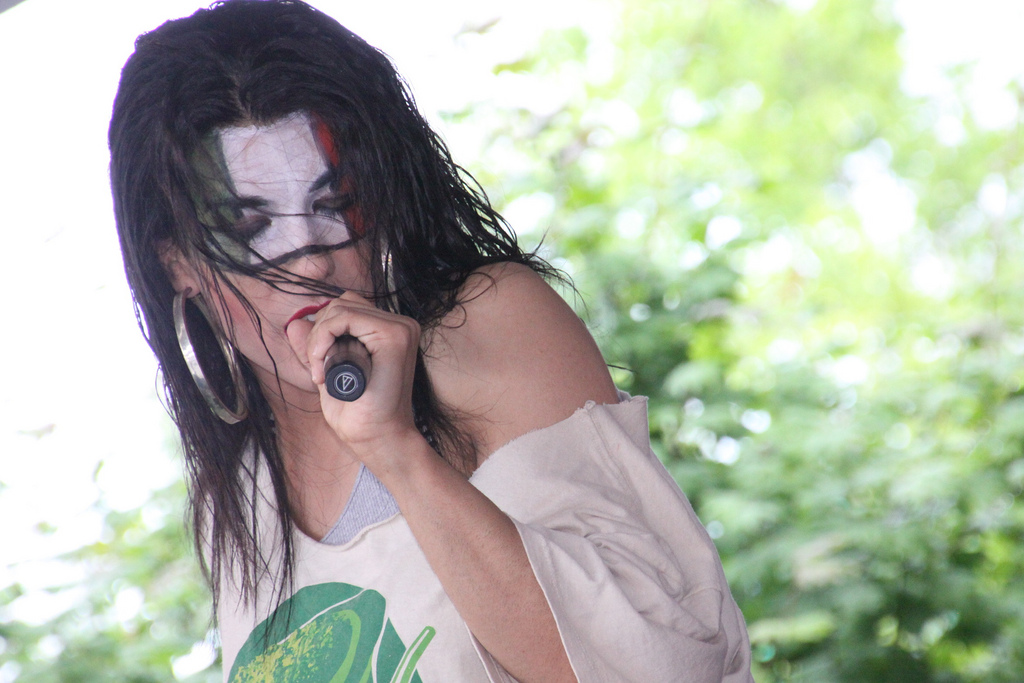
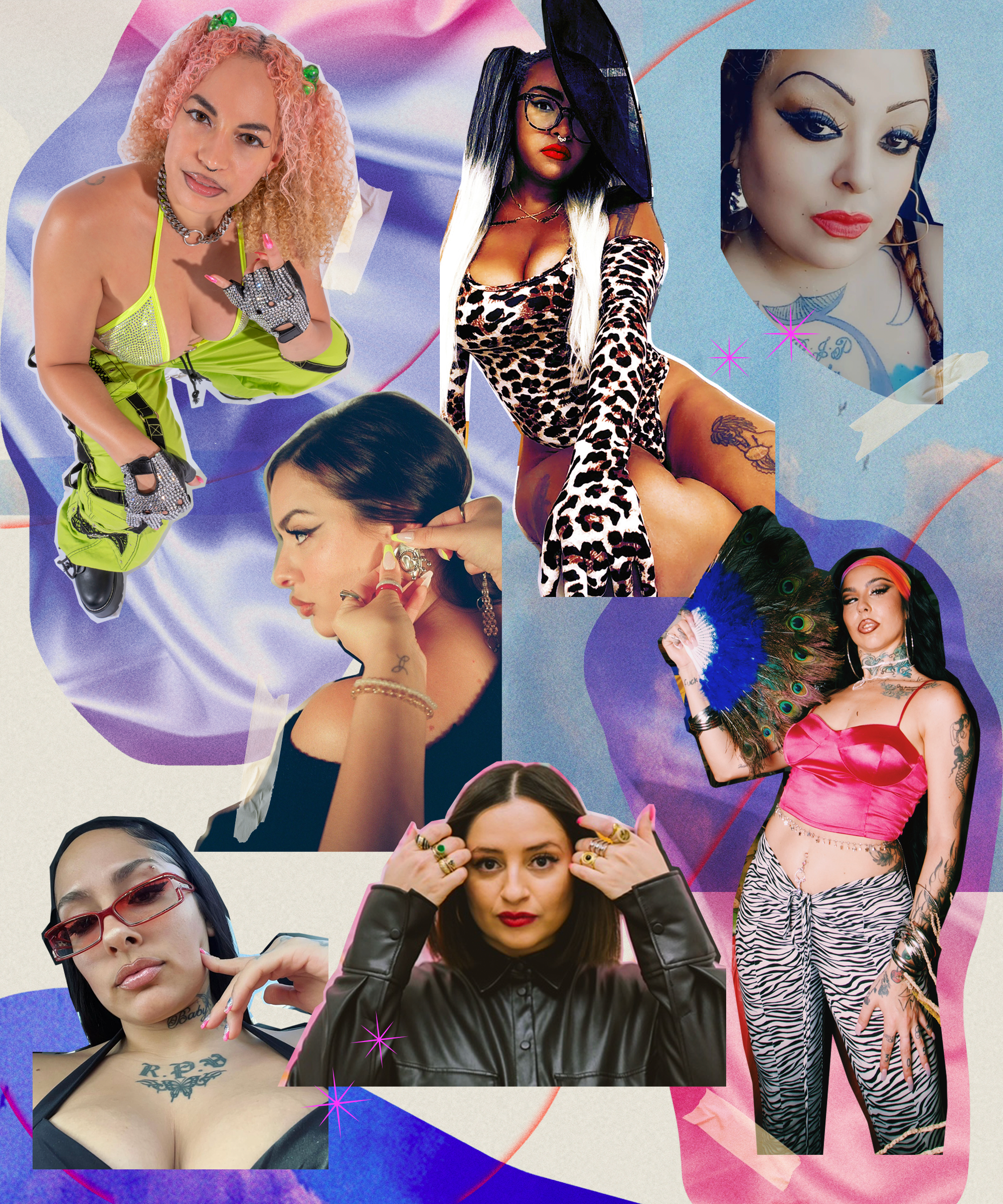
The Chonga brand is defined by a specific set of visual assets. Historically, this included oversized gold hoop earrings, dark or sharply defined lip liner contrasted with lighter lipstick, “baby hairs” styled with precision, and a preference for streetwear that emphasizes both toughness and femininity. In the world of design and corporate identity, these elements function as a “logo”—instant signals that communicate a specific heritage and attitude.
Brand Voice and Linguistic Style
Just as a brand like Apple or Nike has a specific tone of voice, the Chonga identity is tied to a distinct linguistic profile. This involves a specific “Miami accent,” characterized by a unique cadence and the use of Spanglish. In marketing, the way a brand speaks dictates its target audience. The Chonga “brand voice” speaks to resilience, local pride, and a refusal to conform to white-collar aesthetic standards. For marketers, understanding this voice is crucial for achieving “local authenticity” in regional campaigns.
The Evolution from Local to Global
What began as a localized hyper-feminine expression among working-class Latina youth in Miami has transitioned into a global aesthetic. Thanks to the digital age, the “Chonga brand” has been exported. We see its elements in high-fashion runways and pop music videos, proving that grassroots brand identities often possess more longevity and “cool factor” than those manufactured by traditional advertising agencies.
2. Personal Branding and the Performance of the Subcultural Archetype
In the digital era, every individual is a brand manager. The Chonga identity provides a template for personal branding that emphasizes empowerment, sisterhood, and aesthetic defiance. On platforms like TikTok and Instagram, the “Chonga” is no longer just a person; it is a curated persona used to build digital influence.
Digital Identity and Self-Curation
Content creators often lean into the Chonga archetype to build a personal brand that feels “relatable” and “authentic.” By adopting the visual markers of the Chonga, influencers tap into a pre-existing community. This is a strategic move in personal branding: by aligning oneself with an established cultural archetype, an influencer can bypass the “awareness” stage of brand building and move straight into “loyalty.”
The Power of Niche Community Branding
The Chonga brand thrives on exclusivity and “in-group” knowledge. In brand strategy, we often talk about the importance of “knowing your tribe.” The Chonga identity is a quintessential example of a tribal brand. It creates a sense of belonging among those who share the same socio-economic and cultural background. For personal brands, this niche focus is often more lucrative than attempting to appeal to everyone, as it fosters a highly engaged and defensive fan base.
Reclaiming the Narrative: From Stereotype to Brand Asset
For many years, the “Chonga” label was used pejoratively by those outside the culture. However, a significant shift in personal branding has seen young women reclaiming the term. By embracing the label, they turn a potential liability into a brand asset. This is a classic move in corporate strategy—taking a perceived weakness and rebranding it as a unique selling proposition (USP). Today, being a “Chonga” is frequently presented as a badge of Miami authenticity and street-smart sophistication.

3. The Commodification of Culture: Brand Strategy in Media and Entertainment
Corporate entities are always looking for “the next big thing” in culture to monetize. The Chonga identity has been a frequent target for brand managers in the music, fashion, and entertainment industries. This process, known as cultural commodification, involves stripping a subculture of its context to sell products to a wider audience.
The Influence on “Fast Fashion” Brands
Brands like Fashion Nova and Shein have built billion-dollar empires by adopting the “Chonga aesthetic.” These brands recognize that the visual markers of the Chonga—body-conscious silhouettes, bold jewelry, and specific beauty trends—resonate with a global youth market. This is a top-down brand strategy where corporate giants observe organic trends and scale them for mass consumption.
Case Studies in Music and Celebrity Branding
The music industry has long utilized the Chonga brand to give artists “edge.” From the early 2000s to modern-day “trap-pop” stars, we see the deliberate adoption of Chonga visuals to signal “realness.” In these cases, the Chonga identity is used as a brand shortcut to convey toughness and urban credibility. However, when a celebrity with no ties to the original culture adopts this branding, it often sparks debates about the ethics of brand appropriation.
The Role of “Hyper-Local” Marketing
In Miami, many local businesses use Chonga-centric imagery in their marketing to signal that they are “for the 305” (Miami’s area code). This is a localized brand strategy that uses cultural archetypes to build trust. When a local brand uses Chonga references, it feels like an “Easter egg” for the community, creating a deep emotional connection that national brands often struggle to replicate.
4. Brand Authenticity vs. Appropriation: Navigating the Ethical Landscape
As the Chonga identity moves further into the mainstream, brand strategists must navigate the thin line between appreciation and appropriation. In the modern marketplace, “authenticity” is the most valuable currency a brand can hold. If a brand is perceived as “fake” or exploitative, the backlash can be devastating.
The Ethics of Cultural Brand Strategy
When a corporate brand uses the Chonga aesthetic without acknowledging its roots in the Latina experience or the socio-economic conditions that birthed it, the brand risks being labeled as “culture vultures.” For a brand to successfully engage with a subculture like the Chongas, it must move beyond aesthetic mimicry. True brand partnership involves supporting the community, employing creators from that subculture, and ensuring that the narrative is told by those who live it.
Avoiding the Trap of “Caricature Branding”
One of the biggest risks in using the Chonga archetype in marketing is falling into caricature. When brands simplify the Chonga identity into a “costume,” they alienate the very people they are trying to reach. Effective brand strategy requires nuance. It involves understanding the history of the subculture and treating it with the same respect one would give to any other significant cultural movement.
The Future of the Chonga Brand in a Globalized Market
As digital borders continue to blur, the Chonga brand will likely continue to evolve. We are already seeing the emergence of “Cyber-Chongas”—a digital-first evolution that blends traditional Miami aesthetics with futuristic, tech-driven fashion. For brand managers and marketers, the Chonga subculture remains a vital case study in how identity, place, and fashion converge to create a brand that is both timeless and constantly shifting.
Conclusion: The Lasting Impact of the Chonga Brand
To answer the question “what is a chonga” through the lens of brand strategy is to recognize that identities are the ultimate products. The Chonga is not just a style or a slang word; it is a resilient, localized brand that has successfully negotiated the transition from the streets of Miami to the global stage.
For brand strategists, the lesson is clear: the most powerful brands are those that are built from the bottom up. They are brands that offer identity, community, and a way to signal one’s place in the world. Whether it is through the bold swipe of a lip liner or the distinct ring of a gold hoop, the Chonga brand continues to influence the way we think about personal identity, corporate marketing, and the enduring power of cultural authenticity. In a world of fleeting trends, the Chonga remains a definitive example of how a subculture can brand itself into the history books.
aViewFromTheCave is a participant in the Amazon Services LLC Associates Program, an affiliate advertising program designed to provide a means for sites to earn advertising fees by advertising and linking to Amazon.com. Amazon, the Amazon logo, AmazonSupply, and the AmazonSupply logo are trademarks of Amazon.com, Inc. or its affiliates. As an Amazon Associate we earn affiliate commissions from qualifying purchases.