
The term “chocolate torte cake” often conjures images of rich, dense, and exquisitely decadent desserts, a far cry from the light, airy sponge cakes many are familiar with. At its heart, a chocolate torte is a masterpiece of European pastry, distinguishing itself through its texture, ingredient composition, and often, a storied history. While the word “torte” (from the German Torte, meaning cake or tart) and “cake” are often used interchangeably in casual conversation, a torte traditionally signifies a richer, denser, and sometimes multi-layered creation, frequently made with little to no flour, relying instead on ground nuts, eggs, and, in this case, a generous amount of chocolate for its structure and flavor.

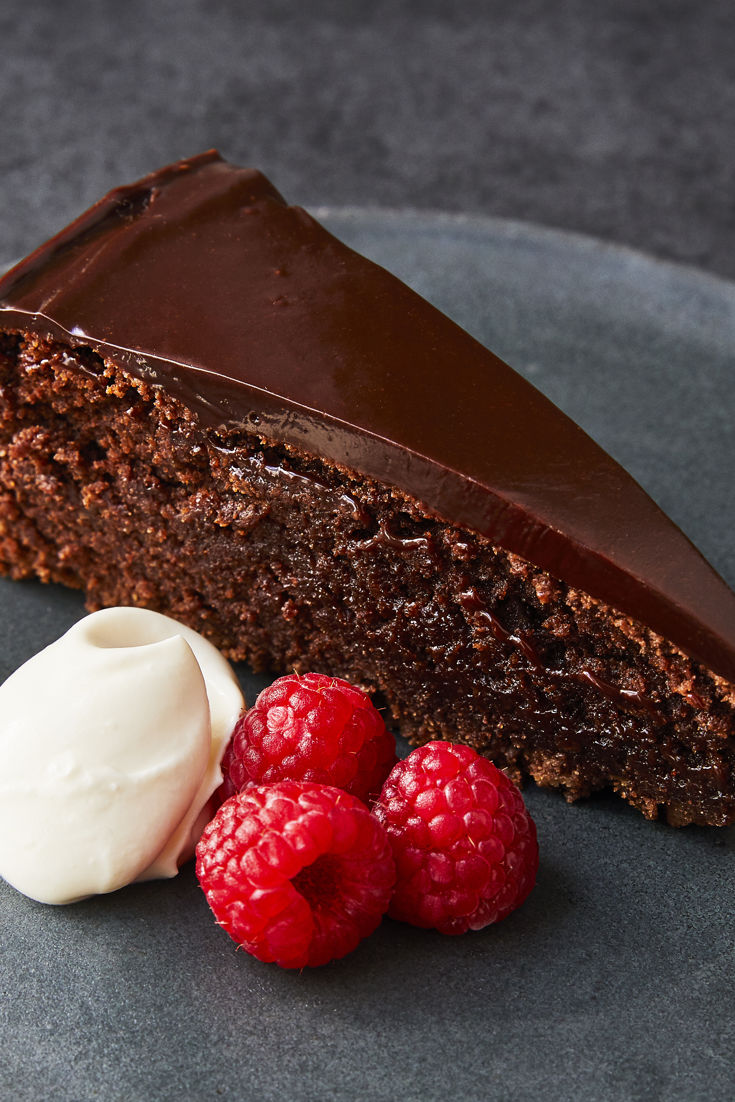
Unlike a conventional cake that prioritizes fluffiness through significant flour content and leavening agents, a chocolate torte embraces an almost fudge-like intensity. Its hallmark is a compact, moist crumb that melts in the mouth, delivering an unadulterated burst of chocolate flavor. This density is typically achieved by incorporating high-quality chocolate, butter, eggs, and sugar, with many classic recipes opting for almond flour or ground nuts over wheat flour, rendering them naturally gluten-free. The absence of a substantial amount of leavening means the torte doesn’t rise significantly, contributing to its signature flat top and weighty presence. Often crowned with a glossy ganache, a dusting of cocoa, or a simple glaze, the chocolate torte is not merely a dessert; it’s an experience, a concentrated expression of chocolaty bliss.
The Essence of a Torte: Density, Richness, and Flourless Formulations
To truly understand a chocolate torte is to appreciate its fundamental departure from the standard cake paradigm. Where cakes aim for height and lightness, tortes seek depth and intensity. The core difference lies in the ratio of ingredients. A traditional cake uses flour as its primary structural component, with eggs, sugar, and fat playing supporting roles, all leavened by baking powder or soda to create an open crumb. A torte, particularly a chocolate torte, often relegates flour to a minimal role, if it’s present at all. Instead, it leverages the emulsifying properties of eggs and the structural integrity of melted chocolate and butter, frequently augmented by finely ground nuts.
This flourless or low-flour composition not only contributes to its distinctive dense texture but also enhances the perceived richness. Without the diluting effect of a large volume of flour, the flavors of the chocolate, butter, and any added liqueurs or extracts become extraordinarily pronounced. The result is a dessert that, despite its size, offers profound satisfaction. This concentrated flavor profile means a small slice of torte is often as fulfilling as a larger piece of conventional cake, making it a perfect indulgence for special occasions or as a luxurious ending to a gourmet meal.
A Glimpse into Torte History: From European Royal Tables to Modern Bakeries
The origins of the torte are deeply embedded in European culinary traditions, particularly those of Austria, Germany, and Hungary. Desserts resembling tortes have graced tables for centuries, with early recipes evolving from rich, elaborate pastries designed for nobility and special celebrations. The iconic Sacher Torte, originating from Vienna in 1832, is perhaps the most famous example of a chocolate torte, its rivalry between Hotel Sacher and Demel café a testament to its cultural significance. This particular torte, characterized by its dense chocolate cake, thin layer of apricot jam, and dark chocolate icing, embodies the very spirit of what a torte represents: elegance, tradition, and profound flavor.
As culinary practices evolved and ingredients became more accessible, the concept of the torte spread across Europe and eventually to the rest of the world. Each region, and indeed each pastry chef, began to put their unique spin on the concept, leading to a diverse array of tortes, from the intensely chocolatey to fruit-laden or nut-based variations. What unites them is their departure from the lighter, more airy cake structure, consistently opting for a richer, more substantial texture. Today, the chocolate torte remains a beloved classic, a testament to enduring European pastry artistry, now finding new expressions and accessibility through modern innovation.
The Technological Evolution of the Torte: From Analog to Algorithmic Delights
In an era defined by rapid technological advancement, even the time-honored tradition of baking a chocolate torte is being reshaped by innovation. From the precision tools in our kitchens to the digital platforms that teach us, sell us ingredients, and market our creations, technology plays an increasingly pivotal role in every stage of a torte’s journey. The culinary world, often perceived as a realm of artisanal craft, is embracing digital transformation to enhance quality, efficiency, and reach, making the art of torte-making more accessible and the business more dynamic.
Smart Kitchens and Digital Precision: Elevating the Baking Process
The modern kitchen is no longer just a space for cooking; it’s becoming a high-tech lab where precision is paramount. For a delicate dessert like a chocolate torte, where ingredient ratios and temperatures are critical, smart kitchen appliances offer an unprecedented level of control. Digital scales with gram-level accuracy ensure ingredients are measured precisely, eliminating guesswork that could compromise the torte’s signature density and texture. Induction ovens maintain incredibly stable temperatures, crucial for even baking and preventing the torte from drying out or collapsing. Smart stand mixers and food processors automate arduous tasks, from creaming butter and sugar to finely grinding nuts, freeing the baker to focus on the art rather than the labor.
Beyond the physical tools, new innovations like smart thermometers connect to apps, providing real-time temperature monitoring for melting chocolate or checking the torte’s internal doneness without opening the oven door, thus maintaining a consistent baking environment. Advanced ingredient technologies also contribute, with meticulously processed high-quality cocoa powders and ethically sourced, temperature-stable couverture chocolates becoming more accessible through specialized online vendors. This integration of technology isn’t about replacing skill; it’s about augmenting it, allowing for greater consistency, experimentation, and ultimately, a superior product.
The Digital Recipe Revolution: AI, Apps, and Online Learning
The journey to baking the perfect chocolate torte often begins online. Recipe apps and comprehensive food blogs have democratized access to countless variations of torte recipes, from classic Sacher to modern flourless interpretations. Platforms like YouTube and TikTok are awash with step-by-step video tutorials, transforming complex pastry techniques into digestible visual guides that cater to both novice and experienced bakers. This digital library of culinary knowledge allows individuals globally to learn, master, and adapt torte recipes with unparalleled ease.
Looking ahead, artificial intelligence is poised to revolutionize recipe development itself. AI tools can analyze vast datasets of flavor profiles, ingredient interactions, and consumer preferences to suggest novel torte variations, optimize ingredient ratios for specific dietary needs (e.g., vegan or sugar-free tortes), or even predict consumer appeal. Imagine an AI suggesting the perfect balance of bittersweet chocolate and espresso for a new torte creation, or recommending the optimal baking time based on ambient humidity. Furthermore, augmented reality (AR) apps could overlay recipe instructions onto your kitchen counter, guiding you through each step of the torte-making process in real-time, making complex preparations more intuitive and error-proof.
Supply Chain Innovation and Sustainable Ingredients
Technology also plays a crucial role in ensuring the quality and sustainability of the ingredients that form the heart of a chocolate torte. Blockchain technology is emerging as a powerful tool for supply chain transparency, allowing consumers and businesses alike to trace the origin of their chocolate, cocoa, and other premium ingredients from farm to fork. This not only assures ethical sourcing and fair trade practices but also verifies the quality and purity of ingredients, critical for a high-end product like a torte.
Moreover, advancements in sustainable agriculture and food science are providing access to high-quality, eco-friendly ingredients. From sustainably harvested cocoa beans to plant-based butter alternatives that mimic the richness of dairy, technology is enabling bakers to create delicious tortes that are also responsible. Online marketplaces and specialized ingredient suppliers, often leveraging sophisticated logistics software, ensure that even niche, premium ingredients can be sourced globally and delivered efficiently, fresh, and temperature-controlled, directly to the baker’s door.
Branding Sweet Success: Crafting an Identity Around the Chocolate Torte
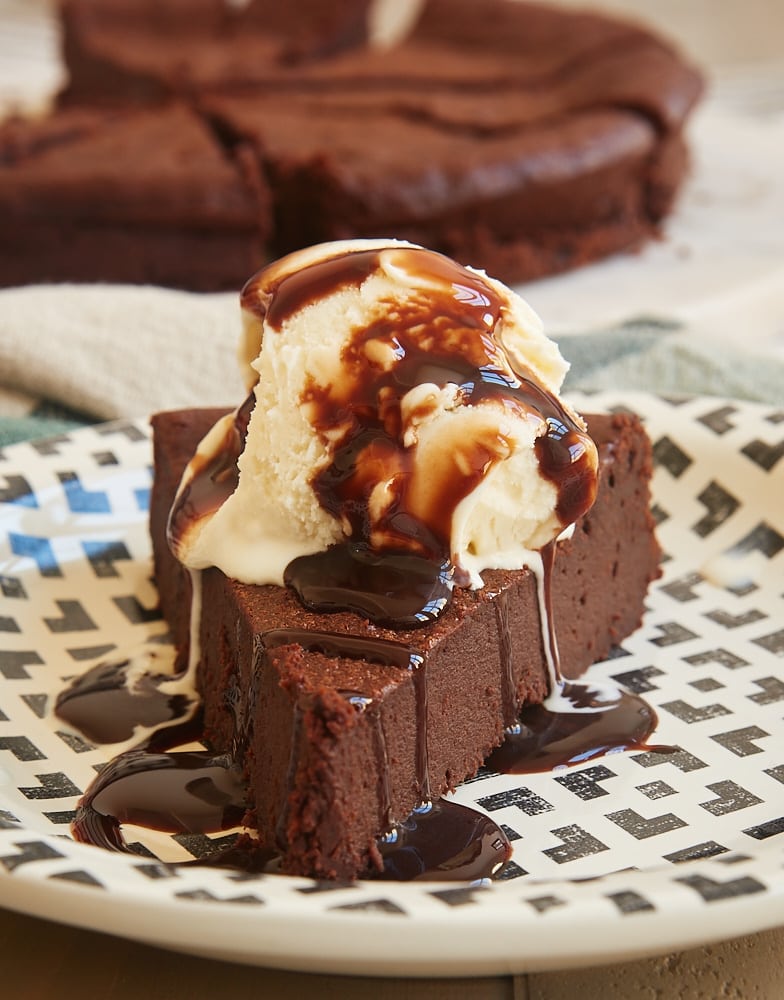
In a competitive culinary landscape, merely baking a delicious chocolate torte isn’t enough; it must be branded. Branding transforms a simple dessert into an experience, a desire, and a memorable identity. For businesses ranging from artisanal bakeries to luxury hotels, the chocolate torte can become a signature item, a cornerstone of their brand strategy, and a powerful tool for differentiation. Crafting an effective brand around this exquisite dessert involves more than just a logo; it’s about storytelling, visual appeal, customer experience, and strategic communication.
The Art of Visual Identity: Packaging, Photography, and Online Presence
The first bite of a torte is often with the eyes, making visual identity paramount. Premium chocolate tortes demand packaging that reflects their inherent quality and luxury. Elegant boxes, custom wrappers, and sophisticated designs not only protect the delicate dessert but also elevate its perceived value. A distinctive logo that subtly hints at the torte’s richness or European heritage can become instantly recognizable.
High-quality food photography is indispensable for showcasing the torte’s allure. Professional photos that highlight its glossy ganache, dense crumb, and artful presentation are vital for online menus, social media, and marketing collateral. These visuals, whether shared on Instagram, Pinterest, or a brand’s website, tell a story of indulgence and craftsmanship. A strong online presence, including an aesthetically pleasing website and active social media channels, allows brands to control their narrative, engage with customers, and visually tantalize potential buyers, turning scrolls into sales.
Storytelling and Reputation: Building a Torte Legacy
Every great brand has a compelling story, and the chocolate torte offers a rich narrative tapestry. Whether it’s the tale of a family recipe passed down through generations, the inspiration behind a unique flavor combination, or the commitment to sourcing the finest single-origin chocolate, storytelling creates an emotional connection with consumers. A brand can highlight its dedication to artisanal techniques, its European heritage, or its modern, innovative approach to a classic. This narrative imbues the torte with character and makes it more than just a dessert; it becomes a piece of history or a work of art.
Reputation management is equally crucial. In the digital age, online reviews and customer feedback wield immense power. A consistent stream of positive reviews on platforms like Yelp, Google, or specialized food apps builds trust and credibility. Actively engaging with customer feedback, both positive and negative, demonstrates attentiveness and a commitment to quality, reinforcing a brand’s reputation as a purveyor of exceptional chocolate tortes. Cultivating a strong brand reputation ensures that when customers think of a truly memorable chocolate torte, they think of your brand.
Marketing the Masterpiece: Digital Strategies and Influencer Engagement
Effective marketing is the bridge between a delectable chocolate torte and its eager consumers. Digital marketing strategies offer a vast array of tools to reach target audiences. Search Engine Optimization (SEO) ensures that when someone searches for “best chocolate torte near me” or “luxury chocolate dessert delivery,” your brand appears prominently. Targeted social media advertising campaigns, leveraging demographics and interests, can put your torte directly in front of potential customers who appreciate fine desserts.
Influencer marketing has also become a powerful avenue. Collaborating with food bloggers, culinary influencers, or local critics can generate authentic buzz and endorsements. An influencer showcasing your torte’s exquisite texture or unique flavor profile to their engaged audience can drive significant interest and sales. Email marketing campaigns, offering exclusive promotions or insights into new torte creations, can foster customer loyalty. Furthermore, strategic collaborations with coffee shops, wineries, or catering services can extend market reach and introduce the torte to new customer segments, establishing it not just as a dessert, but as a premium culinary statement.
The Sweet Economics: Unpacking the Money Behind the Masterpiece
While a chocolate torte is an indulgence for the senses, it is also a product with a complex economic footprint. From the initial investment in high-quality ingredients and specialized equipment to pricing strategies, profit margins, and distribution, the “money” aspect is fundamental to transforming culinary passion into a sustainable business. Whether for a burgeoning home baker or an established high-end patisserie, understanding the financial dynamics of the chocolate torte is key to sweet success.
Cost, Pricing, and Profitability: The Business of Premium Desserts
The creation of a chocolate torte typically demands premium ingredients: high-cocoa content chocolate, artisanal butter, fresh eggs, and often ground nuts like almonds. These ingredients come at a higher cost than those for a standard cake. Consequently, meticulous cost analysis is paramount. Businesses must factor in not only ingredient costs but also labor (the skill and time involved in baking), packaging, utilities, and overheads.
Given these higher input costs, chocolate tortes are often positioned as luxury or premium desserts. This allows for a pricing strategy that reflects their quality, craftsmanship, and the rich experience they offer. Profitability hinges on striking the right balance: pricing competitively to attract discerning customers while ensuring a healthy margin to cover costs and reinvest in the business. Volume sales, even at a premium price point, are critical, as are strategies to minimize waste and optimize production processes to enhance efficiency without compromising quality. Financial tools like inventory management software and cost-tracking spreadsheets are indispensable for monitoring these variables and ensuring a viable business model.
Online Income and Side Hustles: Baking Your Way to Financial Freedom
The digital age has opened up unprecedented opportunities for individuals to monetize their passion for baking, transforming the chocolate torte into a potent source of online income or a lucrative side hustle. Platforms like Etsy, local online farmers’ markets, or dedicated e-commerce websites (e.g., Shopify) allow home bakers to sell their tortes directly to consumers, bypassing traditional brick-and-mortar overheads. Leveraging local delivery services or carefully designed temperature-controlled packaging for shipping can expand reach beyond immediate neighborhoods.
Beyond selling physical tortes, the expertise in making them can be a source of income. Online baking classes, digital recipe books, or membership-based content platforms (Patreon) can teach others the art of torte-making, generating passive income. Content creation around chocolate tortes – think monetized YouTube channels demonstrating techniques or sponsored posts on social media showcasing ingredients or equipment – also presents viable revenue streams. These diverse avenues empower culinary entrepreneurs to build financial freedom around their specialized skills in creating this exquisite dessert.
Investing in Excellence: Tools, Training, and Market Expansion
Sustained success in the premium dessert market requires continuous investment. For a chocolate torte business, this means investing in high-quality, professional-grade kitchen equipment, from precision ovens to specialized tempering machines for chocolate, which can enhance consistency and product quality. Continuous professional development, such as attending advanced pastry courses or culinary workshops, ensures bakers stay abreast of new techniques, flavor trends, and ingredient innovations, keeping their tortes at the forefront of culinary excellence.
Strategic financial planning also involves investing in market expansion. This could mean allocating budget for sophisticated marketing campaigns (as discussed in the ‘Branding’ section), exploring wholesale opportunities with cafes or restaurants, or even considering physical expansion through a small storefront or pop-up. Financial tools for business forecasting, budget management, and investment analysis become critical here, helping entrepreneurs make informed decisions about where and how to grow. Investing in brand recognition, efficient logistics, and continuous product improvement ensures that the chocolate torte not only delights palates but also thrives as a robust and profitable enterprise within the dynamic food industry.
In conclusion, the chocolate torte cake is far more than just a dessert. It is a dense, rich embodiment of culinary artistry and tradition, one that has elegantly adapted to the modern world. Its journey from a European delicacy to a global favorite is continually influenced by technological advancements that refine its creation and delivery. Furthermore, its appeal and commercial viability are intricately tied to astute branding strategies that tell its story and showcase its allure. Finally, its presence in the market underscores complex economic principles, from the careful costing of premium ingredients to the innovative ways it generates income and spurs investment. Whether savored in a quiet moment or celebrated at a grand event, the chocolate torte stands as a testament to the enduring power of exquisite food, seamlessly woven into the fabric of technology, brand, and money.
aViewFromTheCave is a participant in the Amazon Services LLC Associates Program, an affiliate advertising program designed to provide a means for sites to earn advertising fees by advertising and linking to Amazon.com. Amazon, the Amazon logo, AmazonSupply, and the AmazonSupply logo are trademarks of Amazon.com, Inc. or its affiliates. As an Amazon Associate we earn affiliate commissions from qualifying purchases.