
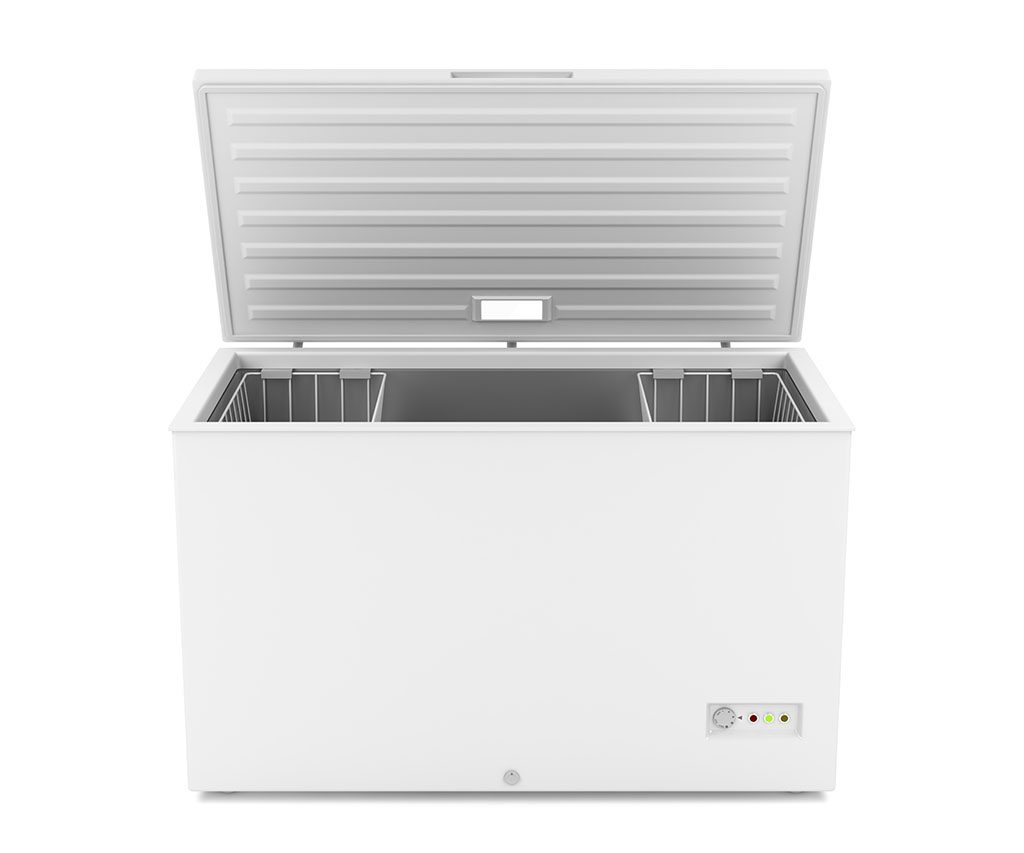
A chest freezer stands as a testament to practical refrigeration engineering, a robust and often indispensable appliance designed for the long-term preservation of perishable goods. At its heart, a chest freezer is a specialized cold storage unit characterized by its distinctive top-opening lid and horizontal configuration, engineered to maintain significantly lower temperatures than a standard refrigerator’s freezer compartment. While seemingly straightforward in its utility, the underlying technology and design principles that enable a chest freezer to perform its function efficiently and reliably are sophisticated, placing it firmly within the realm of essential home technology. This article will delve into the technological intricacies, design evolution, and operational considerations that define a modern chest freezer, exploring how this foundational appliance continues to adapt and integrate into our increasingly connected lives.
The Core Technology: How a Chest Freezer Works
Understanding the “what” of a chest freezer necessitates a journey into the “how.” Its ability to maintain sub-zero temperatures for extended periods is a marvel of thermodynamic engineering, relying on a meticulously designed refrigeration cycle and superior insulation.
Understanding the Refrigeration Cycle
The operational core of any freezer, including the chest freezer, is its vapor-compression refrigeration system. This cycle is a continuous process that transfers heat from inside the freezer cabinet to the external environment, thereby cooling the interior.
-
Compressor: This is the powerhouse of the system. It compresses the gaseous refrigerant, increasing its pressure and temperature. The high-pressure, high-temperature gas then moves to the condenser.
-
Condenser: Located on the exterior (often the back or sides) of the freezer, the condenser coil allows the hot, compressed refrigerant gas to dissipate its heat to the cooler ambient air. As it cools, the refrigerant undergoes a phase change, condensing into a high-pressure liquid.
-
Expansion Valve (or Capillary Tube): The high-pressure liquid refrigerant then passes through an expansion valve or a narrow capillary tube. This causes a sudden drop in pressure, which in turn leads to a significant decrease in the refrigerant’s temperature, preparing it for the evaporator.
-
Evaporator: Positioned inside the freezer cabinet, the evaporator coils absorb heat from the interior compartment. The cold, low-pressure liquid refrigerant evaporates and turns back into a gas as it absorbs this heat. This process is what actively cools the freezer’s contents. The now gaseous refrigerant returns to the compressor to restart the cycle.
This continuous loop ensures that heat is constantly being extracted from within the freezer, maintaining the desired sub-zero temperatures critical for food preservation. The choice of refrigerant has evolved significantly over the decades, moving from ozone-depleting chlorofluorocarbons (CFCs) to hydrofluorocarbons (HFCs) and increasingly towards more environmentally benign alternatives, reflecting advancements in chemical engineering and environmental consciousness within appliance technology.
Superior Insulation and Design Principles
Beyond the active refrigeration cycle, a chest freezer’s effectiveness is heavily reliant on its passive design elements, particularly its insulation and unique structural configuration.
-
Thick Wall Insulation: Chest freezers typically feature substantially thicker insulation layers compared to upright freezers or refrigerator freezer compartments. Materials like rigid polyurethane foam are injected into the walls, lid, and base, creating a highly effective thermal barrier that minimizes heat transfer from the warmer external environment into the cold interior. The denser the insulation and the better its R-value (a measure of thermal resistance), the more efficient the freezer will be in retaining cold.
-
Top-Opening Lid Design: This is perhaps the most defining technological advantage of a chest freezer. Unlike upright models that open from the side, a chest freezer’s top-opening lid effectively traps cold air inside. Cold air is denser than warm air and naturally sinks. When the lid is opened, the heavier cold air largely remains within the chest, minimizing its escape. This contrasts sharply with an upright freezer, where opening the door allows cold air to “spill out” from the bottom, necessitating more frequent compressor cycles to restore temperature. This simple yet effective design principle significantly contributes to energy efficiency and temperature stability.
-
Gasket Seals: High-quality, robust gaskets around the lid ensure an airtight seal when closed, preventing air infiltration and moisture buildup, which can lead to frost formation and energy loss. Advancements in material science have led to more durable and effective gasket materials that maintain their flexibility and sealing integrity over years of use.
Energy Efficiency: Innovations in Cold Storage
In an era of increasing environmental awareness and rising energy costs, energy efficiency has become a paramount design consideration for all appliances, including chest freezers.
-
Energy Star Ratings: Modern chest freezers are typically rated under the Energy Star program, indicating their adherence to strict energy consumption guidelines. These ratings are achieved through a combination of optimized compressor technology, advanced insulation materials, and improved sealing mechanisms.
-
Variable Speed Compressors: Some higher-end models incorporate variable speed compressors, which can adjust their operational output based on the cooling demand, rather than simply cycling on and off at full power. This allows for more precise temperature control, reduced wear and tear on components, and significantly lower energy consumption.
-
Intelligent Defrost Cycles: While many chest freezers are manual defrost, those with low-frost or partial auto-defrost features are engineered to minimize ice buildup through smart temperature management or targeted heating elements that only activate when necessary, balancing convenience with energy use. Even manual defrost models benefit from improved internal air circulation designs that can reduce the frequency of defrosting compared to older units.
Design and Functional Evolution: More Than Just a Box
While the fundamental purpose of a chest freezer remains unchanged, its design and functional capabilities have evolved, making it a more versatile and user-friendly piece of home technology.
Capacity and Form Factor Considerations
Chest freezers come in a wide range of capacities, measured in cubic feet (or liters), from compact models ideal for small apartments to large industrial-grade units.
-
Size Versatility: Consumers can choose from capacities as small as 3.5 cubic feet to over 25 cubic feet, allowing for tailored solutions based on household size, bulk purchasing habits, or specific storage needs.
-
Internal Organization: While historically a “deep freeze” could be a challenge to organize, modern designs often incorporate removable wire baskets and internal dividers. These accessories leverage the vertical space within the chest, making it easier to categorize and access items without having to dig through layers of food. Some models also feature an internal light, a small but significant technological addition that enhances usability.
-
Footprint Optimization: Despite their volumetric capacity, chest freezers are designed to be relatively space-efficient. Their horizontal layout often allows them to fit into basements, garages, or utility rooms where vertical space might be limited, or where an upright appliance would obstruct pathways.
Manual Defrost vs. Low-Frost Technology
One of the key distinctions in chest freezer technology lies in their defrosting mechanisms, impacting both maintenance and operational characteristics.
-
Manual Defrost: The majority of chest freezers are manual defrost. This means ice buildup on the interior walls must be periodically removed by unplugging the unit and allowing the ice to melt. While requiring more manual intervention, manual defrost freezers are often more energy-efficient and maintain more consistent sub-zero temperatures because there are no internal heating elements that momentarily raise the internal temperature for defrosting. They are also generally simpler in their mechanical design, potentially leading to greater longevity and fewer points of failure.
-
Low-Frost Technology: A step above traditional manual defrost, low-frost freezers incorporate design elements like improved air circulation and specialized evaporator coils that reduce the rate of ice buildup. While not completely eliminating the need for manual defrosting, they significantly extend the intervals between defrost cycles, offering a compromise between convenience and energy efficiency. True “frost-free” technology, commonly found in upright freezers, is less common in chest freezers due to the design challenges and potential energy penalties associated with heating elements in a top-loading, well-insulated cavity.
Emerging Smart Features and Connectivity
While chest freezers are generally less “smart” than their refrigerator counterparts, advancements in digital control and connectivity are beginning to emerge.

-
Digital Temperature Controls: Many modern chest freezers feature external digital temperature displays and precise electronic controls, allowing users to set and monitor the internal temperature with accuracy. This replaces older mechanical thermostats, offering greater precision and often better energy management.
-
High-Temperature Alarms: A common and valuable technological addition is a high-temperature alarm. This feature alerts the user if the internal temperature rises above a safe threshold, often due to a power outage or a malfunctioning component, helping to prevent spoilage. Some models include power-on indicator lights to confirm operation at a glance.
-
App Integration (Limited): While not widespread, some premium models are beginning to explore basic smart home integration. This could include Wi-Fi connectivity for remote monitoring of temperature, receiving alerts directly to a smartphone, or even rudimentary inventory management features. These nascent technologies aim to provide greater peace of mind and convenience, transforming a purely functional appliance into a connected device within the broader IoT ecosystem of the home.
Integrating a Chest Freezer into the Modern Home Tech Ecosystem
A chest freezer, despite its relative simplicity compared to other smart home devices, requires thoughtful integration and care to operate optimally within the home environment.
Placement and Environmental Factors
The performance and longevity of a chest freezer are significantly influenced by its placement and the ambient conditions.
-
Ventilation Requirements: Like all refrigeration appliances, chest freezers generate heat as part of their operation (dissipated by the condenser coils). Adequate ventilation around the unit is crucial to allow this heat to escape efficiently. Placing the freezer too close to walls or other obstructions can impede airflow, causing the compressor to work harder, consume more energy, and potentially shorten its lifespan. Most manufacturers recommend specific clearances around the sides and back.
-
Ambient Temperature: Chest freezers are typically designed to operate within a specific range of ambient temperatures. Placing a freezer in an unheated garage during winter, for instance, can sometimes cause issues. If the ambient temperature falls too low (e.g., below 0°C or 32°F), the compressor’s lubricant can become too viscous, or the internal thermostat might not trigger the compressor to cycle on, even if the internal temperature rises. Conversely, extreme heat can overwork the compressor. “Garage ready” freezers are specifically engineered with advanced sensors and robust compressors to handle a wider range of external temperatures.
-
Electrical Requirements: A dedicated, properly grounded electrical outlet is often recommended to prevent overloading circuits and ensure stable power delivery. The freezer’s power consumption, while generally efficient, involves peak demands when the compressor cycles on, making a robust electrical connection vital for consistent performance and safety.
Operational Best Practices for Longevity and Performance
Maximizing the lifespan and efficiency of a chest freezer involves adhering to a few key operational guidelines.
-
Proper Loading and Organization: Overloading a freezer can impede internal air circulation, leading to uneven cooling. Conversely, a too-empty freezer is less efficient, as frozen food acts as thermal mass, helping to stabilize temperatures. Filling it reasonably, but allowing for some air movement, is ideal. Utilizing baskets and bins for organization not only helps in finding items but also discourages leaving the lid open for extended periods.
-
Power Surge Protection: Like any valuable electronic appliance, protecting a chest freezer from power surges can prevent damage to its sensitive electronic controls and compressor. A high-quality surge protector is a worthwhile investment, especially in areas prone to electrical fluctuations.
-
Regular Cleaning and Maintenance: Beyond defrosting, regular cleaning of the interior helps maintain hygiene. More critically, periodic cleaning of the condenser coils (if exposed) removes dust and debris that can accumulate, hindering heat dissipation and forcing the compressor to work harder. Ensuring the lid gasket is clean and free from food particles ensures a perfect seal, preventing warm air ingress.
Troubleshooting Common Tech Issues
While generally reliable, chest freezers can occasionally exhibit technical issues.
-
No Power: Check the power cord, circuit breaker, and wall outlet. A simple power issue can often be resolved without professional intervention.
-
Not Freezing/Insufficient Cooling: This could indicate a problem with the compressor, thermostat, or refrigerant levels. Before calling a technician, ensure the freezer is not overloaded, the lid seal is intact, and the ambient temperature is within the recommended range. Excessive frost buildup can also impair cooling efficiency.
-
Excessive Frost: This is often a sign of a compromised lid seal, frequent or prolonged lid openings, or high humidity in the surrounding environment. Addressing these factors can reduce frost formation. In manual defrost models, this signals the need for a defrost cycle.
-
Unusual Noises: While compressors make a characteristic hum, any new, loud, or rattling noises could indicate a problem with the compressor, fan (if present), or other internal components, warranting professional inspection.
The Chest Freezer’s Enduring Relevance in Appliance Technology
Despite its traditional form factor, the chest freezer continues to be a relevant and evolving piece of appliance technology, influenced by advancements in material science, environmental regulations, and consumer demand for efficiency and durability.
Durability and Material Science
The robust construction of chest freezers contributes significantly to their longevity, often outlasting many other household appliances.
-
Robust Shell and Liner: The outer casing is typically made of durable steel or aluminum, often with a powder-coated finish for corrosion resistance. The inner liner, frequently made of aluminum or high-impact plastic, is chosen for its ability to withstand extreme cold without becoming brittle and for its ease of cleaning.
-
High-Quality Components: Manufacturers increasingly use higher-grade compressors, fan motors, and control boards designed for continuous operation and resistance to temperature fluctuations, ensuring a longer operational life cycle. The simplicity of the manual defrost design, which avoids complex heating elements and defrost timers, also contributes to fewer potential points of failure.
Environmental Impact and Refrigerant Evolution
The appliance industry, including freezer manufacturers, faces increasing pressure to minimize environmental impact.
-
Refrigerant Transitions: As noted, the industry has transitioned away from ozone-depleting CFCs and is continuing to explore alternatives to HFCs, which are potent greenhouse gases. Natural refrigerants like isobutane (R600a) and propane (R290) are gaining traction, offering significantly lower global warming potential while maintaining excellent thermodynamic properties. This ongoing research and implementation represent a significant area of technological advancement in cold storage.
-
Recyclability and End-of-Life Management: Efforts are being made to design freezers that are easier to disassemble and recycle, particularly for components like metals, plastics, and insulation materials. Proper disposal and recycling of old freezers are crucial to safely extract refrigerants and reclaim valuable materials, preventing environmental contamination.

Future Trends in Cold Storage Technology
The future of chest freezers, while perhaps not as revolutionary as AI-powered robots, will likely see incremental yet significant advancements.
-
Even Greater Efficiency: Expect continued breakthroughs in insulation technology (e.g., vacuum insulated panels), more efficient compressor designs, and smarter energy management systems that further reduce power consumption.
-
Modularity and Customization: Future designs might explore more modular interiors, allowing users to customize storage configurations more easily, or even external finishes that better integrate into diverse home aesthetics.
-
Enhanced Connectivity and Diagnostics: As smart home ecosystems mature, chest freezers could feature more sophisticated remote diagnostics, predictive maintenance alerts, and seamless integration with smart energy grids, allowing them to optimize their power consumption during off-peak hours.
-
Integrated Solutions: We might see more integrated solutions where the chest freezer collaborates with other smart appliances (e.g., sharing inventory data with a smart refrigerator or grocery app) to streamline household management.
In conclusion, a chest freezer is far more than a simple cold box; it is a sophisticated piece of household technology built on robust engineering principles. Its continued evolution in efficiency, design, and even nascent smart features ensures its enduring role as a fundamental appliance for preserving food, managing resources, and supporting the modern lifestyle within the intricate web of home technology.
aViewFromTheCave is a participant in the Amazon Services LLC Associates Program, an affiliate advertising program designed to provide a means for sites to earn advertising fees by advertising and linking to Amazon.com. Amazon, the Amazon logo, AmazonSupply, and the AmazonSupply logo are trademarks of Amazon.com, Inc. or its affiliates. As an Amazon Associate we earn affiliate commissions from qualifying purchases.