
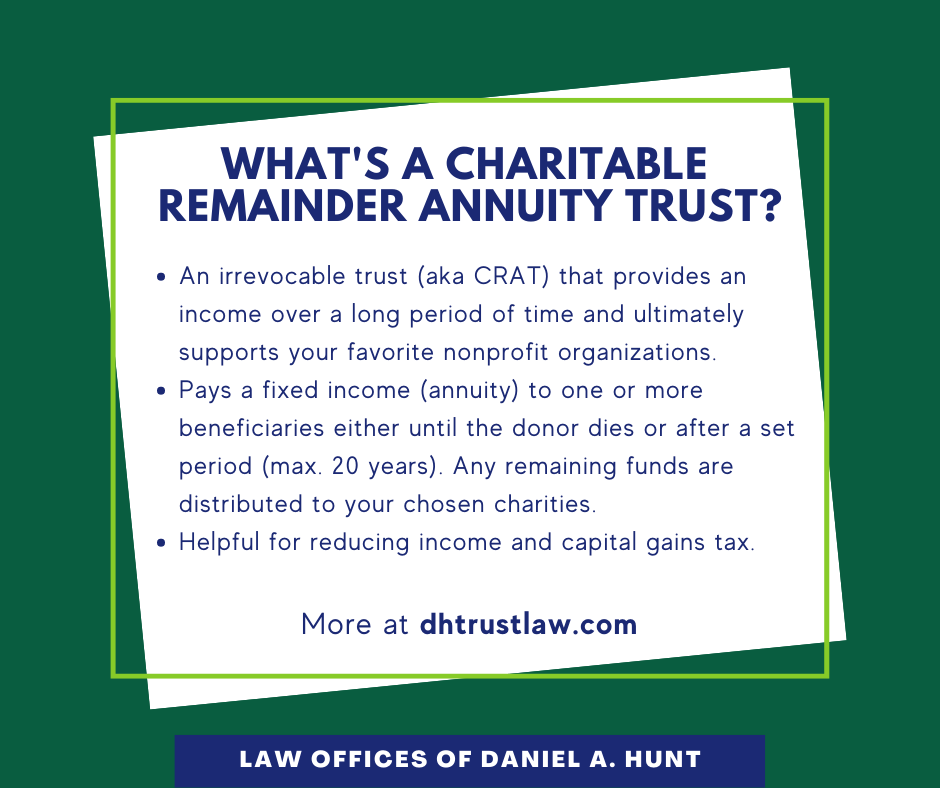
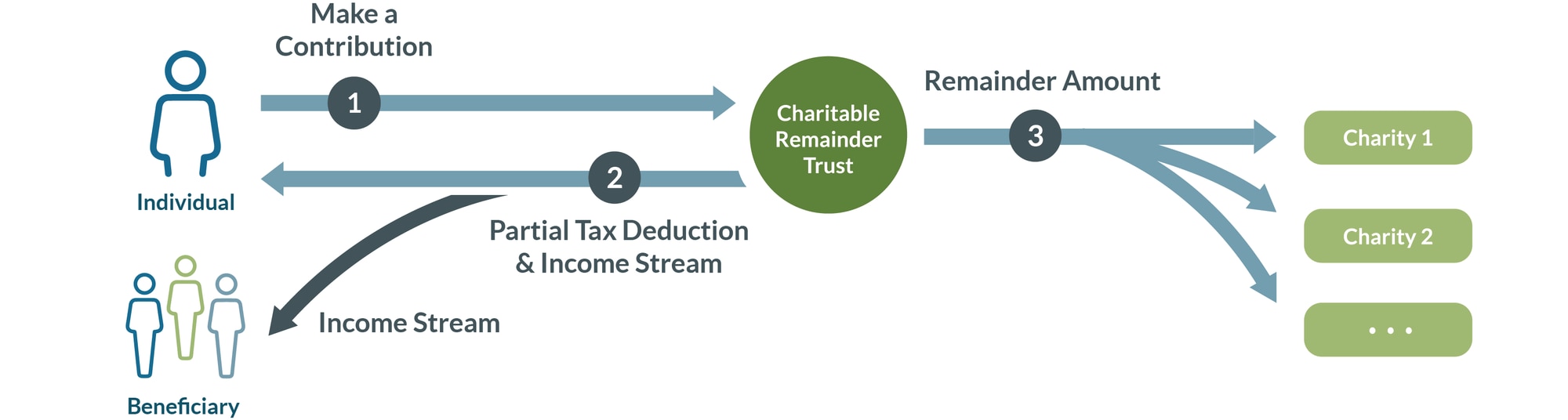
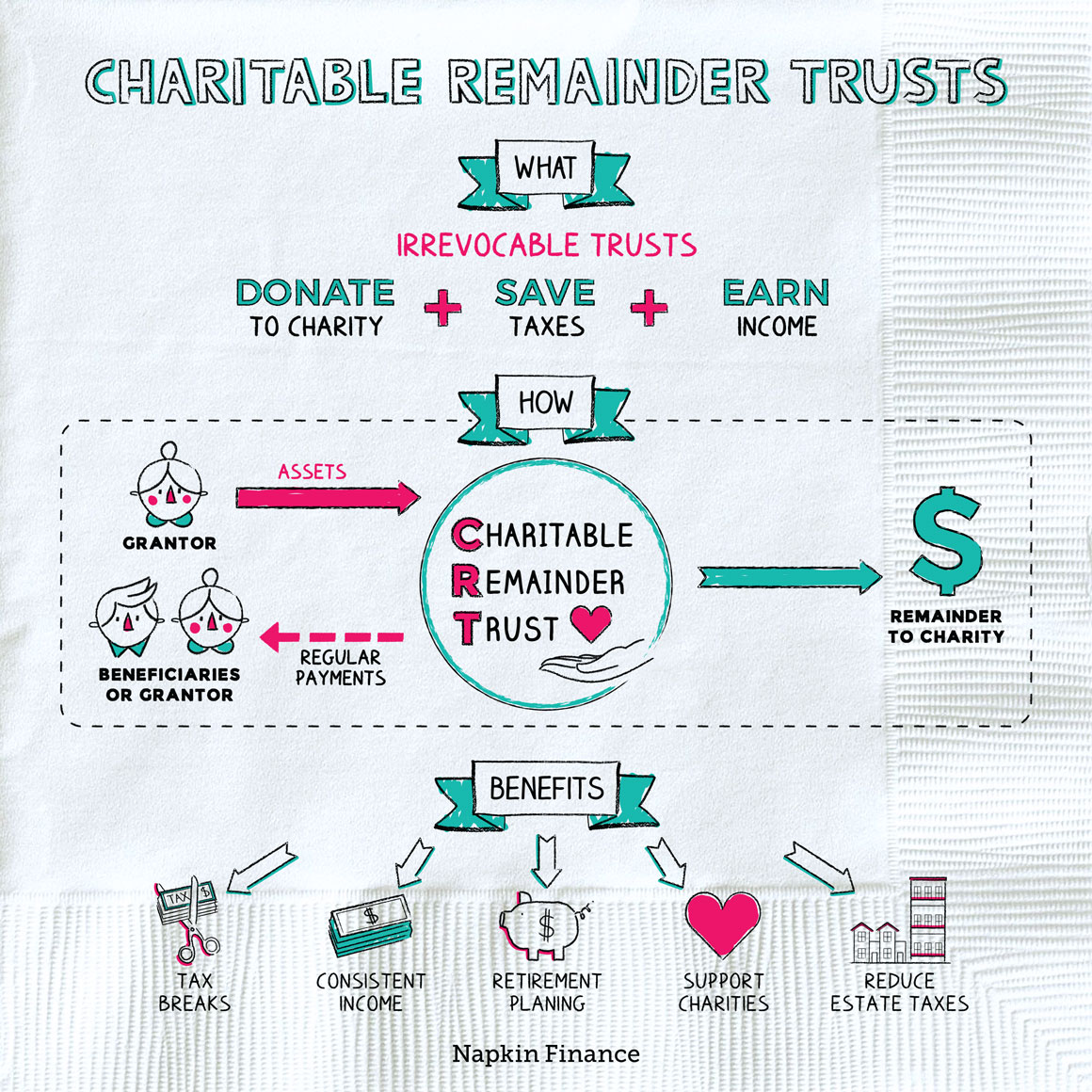
A Charitable Remainder Annuity Trust (CRAT) is a sophisticated estate planning tool that allows individuals to make a significant charitable gift while simultaneously securing a stream of income for themselves or other beneficiaries. It operates as an irrevocable trust, meaning once assets are transferred into it, they cannot be reclaimed by the grantor. The core concept involves the grantor transferring assets, such as cash, securities, or real estate, into the trust. The trust then pays a fixed, predetermined annuity amount to the designated non-charitable beneficiaries (often the grantor themselves) for a specified term or for the lifetime of those beneficiaries. Upon the death of the last beneficiary or the expiration of the term, the remaining assets in the trust are distributed to one or more qualified charities.
This financial instrument offers a compelling blend of philanthropic intent and personal financial planning, appealing to individuals who wish to support charitable causes they care about while also providing for their own financial well-being or that of their loved ones. Understanding the mechanics, benefits, and considerations of a CRAT is crucial for anyone contemplating such a gift.
Understanding the Mechanics of a Charitable Remainder Annuity Trust
At its heart, a CRAT is an irrevocable trust designed to facilitate a dual purpose: income generation and charitable giving. The process begins with the establishment of the trust document, which outlines the terms and conditions, including the annuity payment amount, the term of payment, and the designated charitable beneficiaries. Once the trust is legally established, the grantor irrevocably transfers assets into it. These assets are then managed by a trustee, who is responsible for investing them and distributing the income according to the trust’s terms.
The Irrevocable Nature and Asset Transfer
The cornerstone of a CRAT’s structure is its irrevocability. This means that once assets are placed into the trust, they are no longer considered part of the grantor’s personal estate for tax purposes. This irrevocability is a key element that allows for significant tax benefits. The grantor effectively relinquishes ownership and control over the assets, which are now held by the trust for the benefit of the income beneficiaries and ultimately, the charitable remainder beneficiaries. The types of assets that can be transferred are diverse, including:
- Cash: Straightforward and easily managed.
- Marketable Securities: Stocks, bonds, and mutual funds can be transferred, potentially avoiding capital gains tax if they have appreciated significantly.
- Real Estate: While more complex to manage, appreciated real estate can be a powerful asset to place in a CRAT, offering the potential for significant charitable impact and tax deductions.
- Business Interests: Ownership stakes in closely held businesses can also be contributed.
The trustee then takes responsibility for the management and investment of these assets.
The Annuity Payment and Term
A defining feature of a CRAT is the fixed annuity payment. This payment is calculated as a fixed percentage of the initial fair market value of the assets contributed to the trust, or a fixed dollar amount. This percentage, known as the “annuity rate,” must be at least 5% and no more than 50% of the initial fair market value. The annuity payment remains constant throughout the trust’s term, regardless of the trust’s investment performance. This provides a predictable income stream for the beneficiaries, which is a significant advantage for financial planning.
The term for which these payments are made can be either:
- For the life or lives of one or more named individuals: This is the most common structure, providing income security for the grantor and/or their spouse or other loved ones for their lifetimes.
- For a term of years not to exceed 20 years: This option is useful for situations where the grantor wishes to provide income for a specific period, perhaps until children reach a certain age or for a particular charitable project.
The fixed nature of the annuity payment is a key differentiator from its counterpart, the Charitable Remainder Unitrust (CRUT), which adjusts payments based on the trust’s annual value.
The Charitable Remainder Beneficiary
The ultimate beneficiary of a CRAT is one or more qualified charitable organizations. These can include public charities, private foundations, or other tax-exempt entities recognized by the IRS. The grantor has the flexibility to name specific charities or allow the trustee to select them from a predetermined list. Upon the conclusion of the annuity term, all remaining assets in the trust are irrevocably transferred to these designated charities. This ensures that the grantor’s philanthropic legacy is fulfilled.
Key Benefits of Establishing a Charitable Remainder Annuity Trust
The appeal of a CRAT lies in its multifaceted benefits, encompassing significant tax advantages, income generation, and the satisfaction of philanthropic giving. These advantages make it a powerful tool for individuals seeking to optimize their financial and charitable goals.
Tax Advantages for the Grantor
One of the most compelling reasons to establish a CRAT is the immediate tax benefits it provides. When assets are transferred into the trust, the grantor is generally entitled to an immediate income tax deduction for the present value of the charitable interest. This deduction is calculated based on IRS actuarial tables that consider the age of the income beneficiaries, the annuity rate, and the projected duration of the trust.
Furthermore, transferring appreciated assets into a CRAT can help avoid capital gains tax. If the grantor were to sell these assets themselves, they would be liable for capital gains tax on the profits. By transferring them to a CRAT, the trust can sell the assets without incurring this immediate tax liability. The capital gains are effectively deferred until the annuity payments are distributed to the beneficiaries.
Income Generation for Beneficiaries
As mentioned, the CRAT provides a stable and predictable stream of income to the designated beneficiaries. This income can be crucial for maintaining a desired lifestyle, supplementing retirement income, or providing financial support for family members. The fixed annuity payment offers a sense of security, as it is not subject to market fluctuations. This predictability is a significant draw for individuals who value financial certainty. The income received by the beneficiaries is taxed according to its character as it is paid out from the trust, typically as ordinary income, capital gains, or tax-exempt income, depending on the underlying assets and their disposition within the trust.
Philanthropic Impact and Legacy Building
Beyond the personal financial advantages, a CRAT allows grantors to make a substantial and lasting contribution to charitable causes they believe in. By setting aside a portion of their wealth for philanthropy, individuals can support organizations that align with their values and make a tangible difference in the world. The irrevocable nature of the trust ensures that these assets will ultimately benefit the chosen charities, creating a lasting legacy. This can provide a profound sense of fulfillment and purpose.
Considerations and Potential Drawbacks of a CRAT
While CRATs offer substantial benefits, it is imperative for potential grantors to understand the associated considerations and potential drawbacks. The decision to establish an irrevocable trust is significant, and a thorough understanding of these aspects is crucial for making an informed choice.
Irrevocability and Loss of Control
The irrevocable nature of a CRAT means that once assets are transferred, the grantor relinquishes all rights and control over those assets. They cannot be accessed for unforeseen personal needs or altered in their distribution. This absolute relinquishment of control is a fundamental aspect of the trust and is essential for realizing the tax benefits. Grantors must be comfortable with the idea that these assets are committed to the trust’s purpose.
Fixed Annuity Payments and Inflation Risk
A key characteristic of a CRAT is the fixed annuity payment. While this provides predictability, it also exposes the beneficiaries to inflation risk. Over time, the purchasing power of a fixed annuity amount can diminish due to rising living costs. Unlike a Charitable Remainder Unitrust (CRUT), where payments are adjusted annually based on the trust’s asset value, a CRAT’s payment remains constant. This means that if inflation is significant, the real value of the annuity income may decrease over the term of the trust.
Complexity and Administrative Costs
Establishing and administering a CRAT involves a degree of complexity and associated costs. The process requires legal expertise to draft the trust document correctly, and ongoing administration by a trustee is necessary. This can include asset management, accounting, and tax reporting. These administrative fees, along with potential legal and accounting expenses, can reduce the overall return on the trust assets. It is important to factor these costs into the financial planning when considering a CRAT.
Suitability and Alternative Trusts
A CRAT may not be suitable for everyone. Individuals with highly fluctuating income needs or those who wish to retain more flexibility with their assets might find other estate planning tools or charitable giving strategies more appropriate. For instance, a Charitable Remainder Unitrust (CRUT) offers variable income payments tied to the trust’s performance, which can offer a hedge against inflation. Additionally, other charitable giving vehicles like donor-advised funds or outright gifts might better suit different financial situations and philanthropic goals. A thorough consultation with an estate planning attorney and financial advisor is essential to determine if a CRAT is the right fit.
Who Benefits from a Charitable Remainder Annuity Trust?
The Charitable Remainder Annuity Trust is a powerful financial instrument, but its structure and benefits make it particularly well-suited for a specific demographic of individuals. Understanding these ideal candidates can help clarify the purpose and applicability of this complex trust.
Individuals with Highly Appreciated Assets
One of the primary beneficiaries of a CRAT are individuals who hold significant appreciated assets, such as stocks, bonds, or real estate, that have a low cost basis. Selling these assets outright would trigger substantial capital gains taxes. By transferring these assets into a CRAT, the grantor can:
- Avoid immediate capital gains tax: The trust can sell the appreciated assets without incurring immediate tax liability.
- Generate an income stream: The sale proceeds, free of immediate capital gains tax, can be reinvested by the trustee to provide the annuity payments.
- Receive an upfront tax deduction: The grantor receives an income tax deduction for the estimated value of the charitable remainder interest, further reducing their current tax burden.
This strategy allows individuals to effectively “cash out” of illiquid or highly appreciated holdings, convert them into a reliable income stream, and simultaneously fulfill their philanthropic desires without a substantial immediate tax hit.
Those Seeking Predictable Income and Philanthropic Goals
For individuals who prioritize a stable and predictable income stream, coupled with a strong desire to support charitable causes, a CRAT is an excellent option. The fixed annuity payments provide a sense of financial security, especially for those in retirement or nearing it. This predictability is particularly appealing to individuals who may be risk-averse or who have specific budgetary needs that require a consistent cash flow.
When combined with a desire to leave a lasting legacy, the CRAT becomes a compelling choice. The assurance that a significant portion of their wealth will ultimately benefit a chosen charity offers a profound sense of purpose and accomplishment. This dual focus on personal financial well-being and philanthropic impact is a hallmark of CRAT beneficiaries.
Individuals Planning for Long-Term Estate and Charitable Giving
A CRAT is a strategic tool for individuals who are actively engaged in comprehensive estate planning and are looking for efficient ways to manage their wealth for both their lifetimes and beyond. By establishing a CRAT, individuals can:
- Reduce their taxable estate: Assets placed in an irrevocable trust are removed from the grantor’s estate, potentially lowering estate taxes.
- Fulfill charitable bequests: The trust ensures that designated charities will receive assets upon the termination of the income term, fulfilling charitable intentions without needing to explicitly name them in a will.
- Provide for multiple beneficiaries: A CRAT can be structured to benefit multiple individuals for a period, offering flexibility in how wealth is distributed.
This forward-thinking approach allows individuals to proactively manage their assets, maximize their philanthropic impact, and ensure their financial legacy aligns with their values. It is particularly beneficial for those with substantial net worth who are contemplating significant charitable contributions as part of their long-term financial strategy.
aViewFromTheCave is a participant in the Amazon Services LLC Associates Program, an affiliate advertising program designed to provide a means for sites to earn advertising fees by advertising and linking to Amazon.com. Amazon, the Amazon logo, AmazonSupply, and the AmazonSupply logo are trademarks of Amazon.com, Inc. or its affiliates. As an Amazon Associate we earn affiliate commissions from qualifying purchases.