
In the intricate world of heating, ventilation, and air conditioning, technical jargon often serves as the barrier between a homeowner and an efficient living environment. Among the most frequent, yet least understood, terms encountered in HVAC specifications is “CFM.” Standing for Cubic Feet per Minute, this unit of measurement is the lifeblood of any climate control system. Understanding CFM is not merely an academic exercise; it is the fundamental key to ensuring that your home’s air quality, temperature regulation, and energy efficiency are performing at their peak.
Decoding the Mechanics of Cubic Feet per Minute
At its core, CFM is a volumetric flow rate. It measures the volume of air (in cubic feet) that passes through a specific point in a ductwork system every minute. If you imagine your HVAC system as the circulatory system of a building, the air is the blood, and the CFM represents the rate of flow required to maintain health. Without the correct volume of air movement, the heart of the system—the furnace, air conditioner, or heat pump—cannot distribute thermal energy effectively.
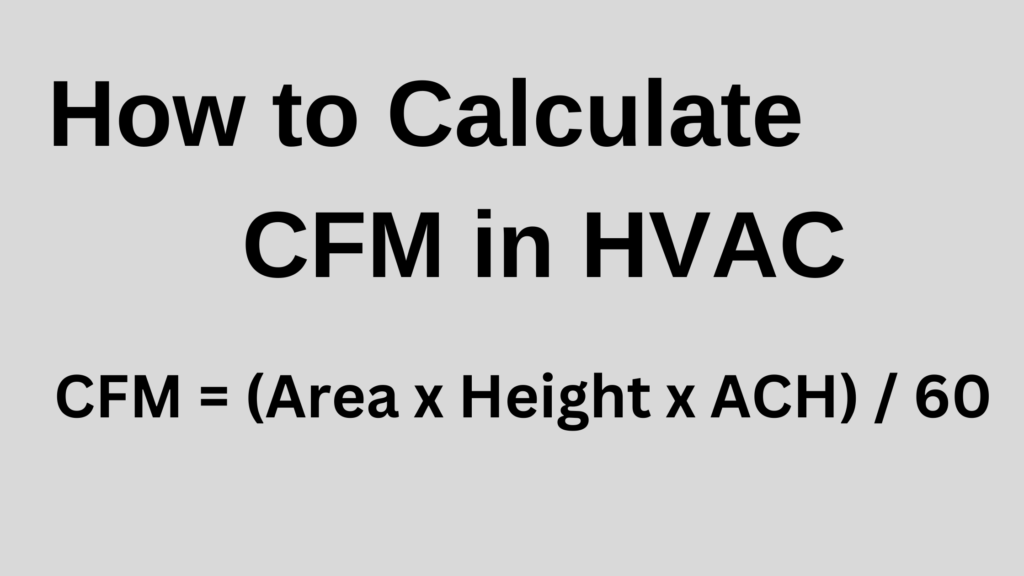
The Science of Air Exchange
HVAC engineers rely on CFM calculations to determine how many times per hour the air within a room needs to be replaced or cycled through the filtration system. This concept, known as “Air Changes per Hour” (ACH), is intrinsically linked to CFM. If a room is too small or the CFM is too low, the air becomes stagnant, trapping allergens, dust, and carbon dioxide. Conversely, if the CFM is too high, the air velocity can create uncomfortable drafts, excessive noise, and localized pressure imbalances that make doors difficult to open or close.
Balancing Pressure and Velocity
It is a common misconception that “more is always better” when it comes to airflow. High CFM does not automatically equate to better comfort. In modern HVAC design, the focus is on the equilibrium between static pressure and airflow velocity. Static pressure is the resistance the air encounters as it moves through ducts, coils, and filters. If your blower motor is pushing high CFM through a restrictive, undersized duct system, it results in high static pressure, which leads to premature component failure and significantly higher energy consumption.
Why CFM Matters for System Efficiency and Longevity
The efficiency of your HVAC unit is dictated by its ability to move the right amount of air across the heat exchanger. Whether you are heating your home or cooling it, the heat transfer process relies on the contact time between the air and the metal coils or burners.
The Impact on Heat Exchanger Integrity
In a furnace, the CFM must be precisely calibrated. If the CFM is too low, the air doesn’t pick up enough heat from the exchanger, causing the metal to overheat, crack, and potentially leak carbon monoxide into the home. If the CFM is too high, the air may strip too much heat, resulting in a cold, “clammy” feel, even if the thermostat is set to a high temperature. Proper CFM ensures the furnace operates within the manufacturer’s specified temperature rise range, preserving the structural integrity of the unit.
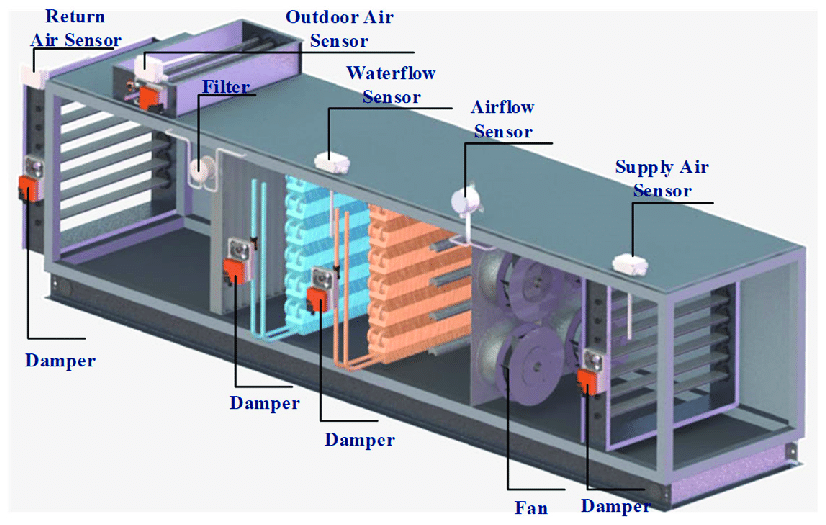
Preventing Evaporator Coil Issues
During the cooling season, the evaporator coil inside your air handler must be kept at a specific temperature. If the CFM is insufficient, the coil can drop below the freezing point of water. As humidity in the air touches the cold coil, it freezes into ice. A “frozen” coil stops airflow entirely, causing the system to work harder, consume more electricity, and eventually suffer from compressor damage. Conversely, a system with excessive CFM might move air too quickly over the coil, preventing the system from removing adequate humidity, which leaves the home feeling muggy regardless of the temperature.
How to Calculate and Adjust CFM for Your Home
Determining the required CFM for a home is a specialized task typically handled by HVAC professionals using Manual D and Manual J calculation standards published by the Air Conditioning Contractors of America (ACCA). These calculations take into account the square footage of the home, the R-value of the insulation, window orientation, and local climate data.
The Variables of Design
Calculating CFM is not a one-size-fits-all process. It involves a “heat load calculation.” For instance, a south-facing room with large windows will require a higher CFM than a north-facing room of the same size to offset solar heat gain. HVAC technicians look at the following variables when determining the required CFM for a specific zone:
- Occupancy: The number of people usually in a room affects the need for fresh air ventilation.
- Duct Resistance: The physical layout of the ductwork, including elbows, junctions, and dampers, determines how much “work” the blower motor must perform.
- Filter Efficiency: High-MERV filters are excellent for air quality but often create significant airflow resistance. The system’s CFM capacity must be adjusted to account for the pressure drop caused by the filter media.
Modern Solutions: Variable Speed Technology
One of the most significant advancements in HVAC technology is the adoption of variable-speed blower motors. In older, single-stage systems, the fan was either “on” or “off,” moving air at a fixed CFM. Modern systems, however, can ramp up or down. These units use smart sensors to detect static pressure changes in the ducts and adjust the CFM in real-time. If a filter is getting dirty or a damper is closed, the system detects the resistance and adjusts its motor speed to maintain the ideal CFM, ensuring consistent comfort and energy savings.
Troubleshooting Common Airflow Issues
If your home feels unevenly cooled or heated, or if your electricity bills are climbing without a change in weather patterns, your CFM might be incorrectly balanced. Identifying the root cause requires a systematic approach to system health.
Signs of Improper CFM
The most common indicators that your CFM is not optimized include:
- Noisy Ducts: Whistling or banging sounds often indicate that air is being forced through too small a space (high velocity) or that the ducts are struggling to handle the volume of air (high pressure).
- Uneven Temperatures: If one room is freezing while another is sweltering, the CFM distribution to those zones is likely mismatched.
- Short Cycling: If your unit turns on and off frequently, it is struggling to move the required volume of air, leading to overheating or overcooling of the internal components.
- High Humidity: A lack of moisture removal is a classic sign of insufficient airflow across the cooling coil.

The Role of Professional Audits
Rather than attempting to adjust airflow settings on a control board yourself, it is advisable to hire a professional to perform a “test and balance.” A technician will use a device called an anemometer or a flow hood to measure the actual CFM coming out of each register. By comparing these actual values against the system’s design requirements, they can adjust dampers, clean coils, or recommend duct modifications to bring the system back into equilibrium.
Ultimately, CFM is the metric that defines the effectiveness of your home’s climate control. By recognizing that an HVAC system is a complex balance of air volume and pressure, homeowners can better appreciate the value of professional maintenance and the importance of investing in high-quality, variable-speed equipment. When the CFM is perfectly calibrated to the specific needs of your building, the result is a seamless, quiet, and highly efficient environment that protects both your comfort and your equipment investment for years to come.
aViewFromTheCave is a participant in the Amazon Services LLC Associates Program, an affiliate advertising program designed to provide a means for sites to earn advertising fees by advertising and linking to Amazon.com. Amazon, the Amazon logo, AmazonSupply, and the AmazonSupply logo are trademarks of Amazon.com, Inc. or its affiliates. As an Amazon Associate we earn affiliate commissions from qualifying purchases.