
In the complex ecosystem of global finance, few institutions wield as much silent yet profound power as the central bank. Often operating behind closed doors, away from the daily transactions of commercial banks or the frenetic pace of stock markets, a central bank is not merely another financial institution; it is the architect and guardian of a nation’s monetary and financial stability. It is the bank for banks, the government’s banker, and the ultimate overseer of the currency that flows through every aspect of economic life. Understanding its purpose, functions, and the tools it employs is crucial for comprehending the forces that shape everything from interest rates on your mortgage to the price of your daily groceries.
Defining the Unseen Hand: What Exactly is a Central Bank?
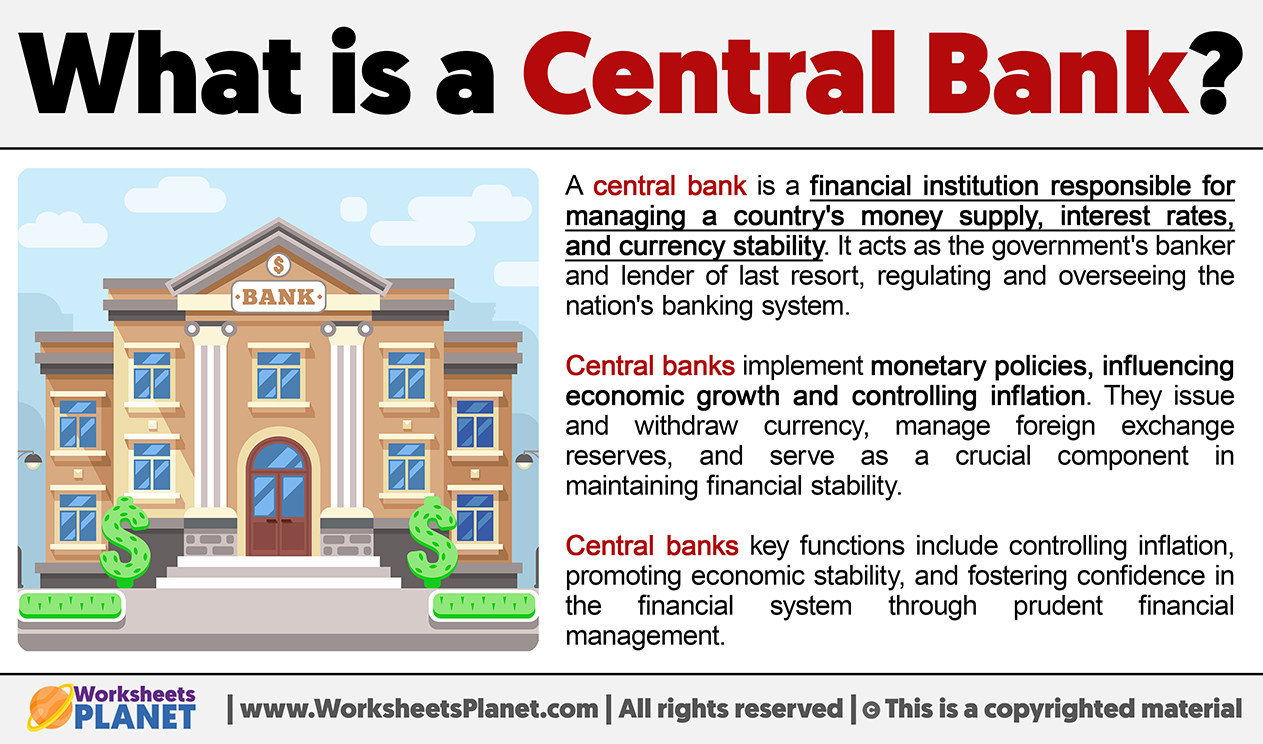
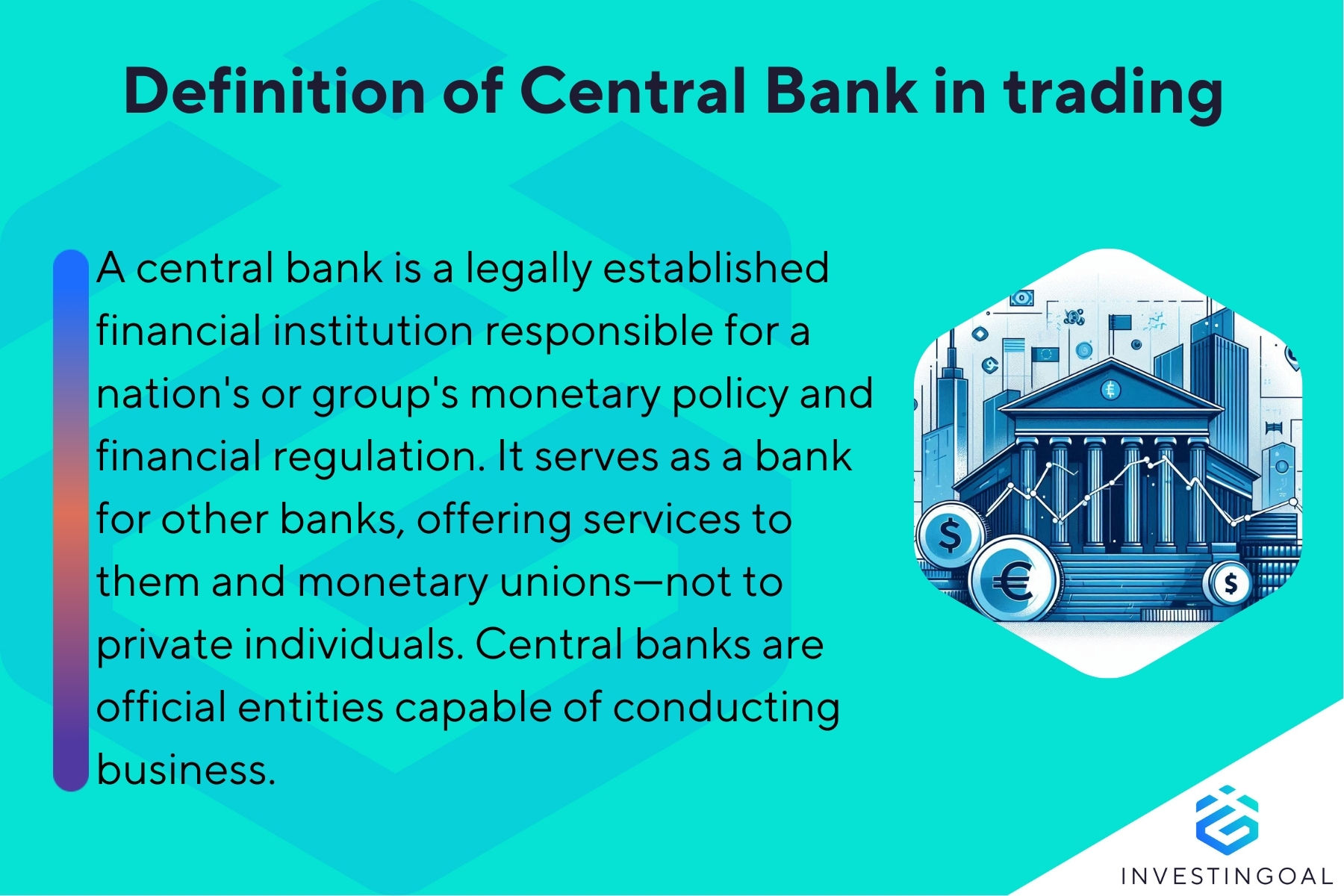
At its core, a central bank is a public institution that manages the currency, money supply, and interest rates of a country or a group of countries. Unlike commercial banks, which serve individuals and businesses, a central bank serves the financial system itself. It operates with a primary mandate to ensure economic stability, often by controlling inflation and fostering sustainable growth.
More Than Just a Bank
To properly grasp what a central bank is, it’s essential to first understand what it is not. It is not a commercial bank where you open a checking account or apply for a personal loan. Instead, it interacts primarily with other financial institutions and the government. Its clientele includes commercial banks, which hold reserves with the central bank, and the treasury department, for whom it manages debt and acts as a fiscal agent. This unique position allows it to exert influence on the entire banking system, setting the stage for broader economic conditions. It’s an institution designed for public good, not private profit.
A Historical Perspective
The concept of central banking evolved over centuries, often born out of necessity to stabilize chaotic financial systems or fund government expenditures. Early forms, such as the Bank of England established in 1694, began as private institutions with close ties to the government, primarily focused on financing wars. Over time, particularly in the 20th century, the role of central banks expanded significantly, transitioning from quasi-private entities to fully public institutions mandated to manage national economies. The creation of the Federal Reserve in the United States in 1913, following a series of financial panics, marked a pivotal moment in recognizing the need for a centralized body to provide stability and liquidity to the financial system. These institutions were, and remain, critical in preventing bank runs, moderating economic cycles, and protecting the value of a nation’s currency.
The Core Mandate
While specific mandates can vary by country, the overarching goals of most modern central banks revolve around two key pillars: price stability and financial stability. Price stability, primarily achieved by controlling inflation, ensures that the purchasing power of money remains relatively consistent over time. This prevents the erosion of savings and fosters economic certainty for investment and consumption. Financial stability, on the other hand, involves safeguarding the health of the banking system and preventing systemic crises, often by acting as a “lender of last resort.” Many central banks, like the Federal Reserve, also explicitly aim for maximum sustainable employment, recognizing the close link between stable prices, a healthy financial system, and a robust job market.
Pillars of Stability: Key Functions of a Central Bank
The broad mandate of a central bank translates into several critical functions, each vital for the smooth operation and long-term health of an economy. These functions collectively form the bedrock upon which a stable financial system is built, influencing everything from the availability of credit to the security of your deposits.
Monetary Policy Formulation and Implementation
This is arguably the most recognized function of a central bank. Monetary policy involves managing the supply of money and credit in the economy to achieve macroeconomic objectives like controlling inflation, reducing unemployment, and stimulating economic growth. The central bank does this by adjusting key interest rates, influencing how much it costs for commercial banks to borrow money, which in turn impacts the interest rates they offer to customers. When a central bank wants to stimulate the economy, it might lower interest rates to encourage borrowing and spending. Conversely, to cool an overheating economy and combat inflation, it would raise rates, making borrowing more expensive and slowing down economic activity.
Maintaining Financial Stability
Beyond setting interest rates, central banks play a crucial role in preventing and mitigating financial crises. They act as the “lender of last resort” to commercial banks facing liquidity shortages, providing emergency funds to prevent bank runs and systemic collapses that could cripple the entire financial system. This safety net instills confidence in depositors and ensures that even during times of stress, the banking system can continue to function. Their interventions during periods of economic distress, such as the 2008 global financial crisis or the COVID-19 pandemic, highlight their indispensability in averting widespread economic collapse.
Supervising and Regulating the Banking System
To prevent problems before they start, central banks often supervise and regulate commercial banks and other financial institutions. This involves setting capital requirements, conducting stress tests, and ensuring adherence to various banking laws and regulations. The goal is to ensure that banks are financially sound, manage their risks appropriately, and operate in a fair and transparent manner, protecting both depositors and the broader financial system from reckless behavior or solvency issues. This oversight helps maintain public trust in the banking sector and prevents practices that could destabilize the economy.
Banker to the Government
Central banks serve as the financial agent and banker for their respective governments. They manage the government’s accounts, process payments, and oversee the issuance and redemption of government debt, such as treasury bonds and bills. This function streamlines government finances, provides a secure repository for public funds, and ensures that the government can efficiently raise capital to fund its operations and public services. In this role, the central bank often advises the government on financial matters, though it typically maintains independence in its monetary policy decisions to avoid political influence.
Issuer of Currency
The central bank is the sole authority for issuing a nation’s currency – both banknotes and coins. It ensures a sufficient supply of physical currency to meet public demand, replaces worn-out notes, and combats counterfeiting. This control over currency issuance is fundamental to its ability to manage the money supply and maintain the value of the national currency. Digital advancements are also seeing central banks explore and sometimes implement central bank digital currencies (CBDCs), a new frontier in their role as currency issuers.
Tools of Influence: How Central Banks Shape Economies
Central banks possess a potent arsenal of tools they deploy to steer the economy toward stability and growth. These instruments, ranging from traditional interest rate adjustments to more unconventional measures, allow them to manage liquidity, influence borrowing costs, and ultimately shape the financial behavior of individuals and businesses.
The Benchmark Rate (Policy Rate)
The most common and impactful tool is the setting of the policy interest rate, often referred to as the benchmark rate (e.g., the federal funds rate in the US, the main refinancing operations rate in the Eurozone). This is the target rate at which commercial banks lend and borrow reserves from each other overnight. By raising or lowering this rate, the central bank directly influences the cost of money for banks. A lower policy rate makes it cheaper for banks to borrow, encouraging them to lend more to consumers and businesses, stimulating economic activity. Conversely, a higher rate makes borrowing more expensive, which tends to curb inflation by reducing demand. The changes in this rate ripple throughout the entire financial system, affecting mortgage rates, car loans, business credit lines, and savings account returns.
Open Market Operations (OMOs)
Central banks conduct open market operations by buying or selling government securities (like bonds) in the open market. To increase the money supply and lower interest rates, the central bank buys government bonds from commercial banks. This injects money into the banking system, increasing banks’ reserves and their capacity to lend. To decrease the money supply and raise interest rates, the central bank sells government bonds, withdrawing money from the system. OMOs are a highly flexible and frequently used tool, allowing for precise adjustments to liquidity conditions.
Reserve Requirements
Central banks can also mandate the percentage of deposits that commercial banks must hold in reserve, rather than lending out. By lowering the reserve requirement, the central bank frees up more money for banks to lend, thereby expanding the money supply. Raising the reserve requirement has the opposite effect, constricting the money supply. While historically a significant tool, many central banks now use reserve requirements less frequently for day-to-day monetary policy adjustments, preferring interest rate settings and OMOs for their flexibility.
Quantitative Easing (QE) and Tightening (QT)
In times of severe economic crisis or when traditional interest rate tools are insufficient (e.g., when rates are already near zero), central banks may resort to unconventional measures like Quantitative Easing (QE). QE involves large-scale asset purchases, typically long-term government bonds and other securities, directly from the market. The goal is to further lower long-term interest rates, inject massive amounts of liquidity into the financial system, and stimulate lending and investment when short-term rates can no longer be cut. Conversely, Quantitative Tightening (QT) is the reverse process, where the central bank reduces its balance sheet by letting bonds mature without reinvesting the proceeds or by actively selling them, thereby withdrawing liquidity from the system.
Discount Window/Lending Facilities
The “discount window” refers to a facility where commercial banks can borrow money directly from the central bank, typically on a short-term basis, to meet their immediate liquidity needs. This acts as a backstop for banks, assuring them that they can always access funds if necessary, which helps prevent widespread panic and stabilizes the financial system. The interest rate charged on these loans (the discount rate) is another policy tool, often set above the policy rate to encourage banks to first seek funds from each other.
Independence and Accountability: The Balancing Act
The effectiveness of a central bank hinges significantly on its ability to operate independently from political interference, yet this independence must be balanced with robust mechanisms for accountability to ensure transparency and responsible decision-making. This delicate equilibrium is crucial for maintaining public trust and achieving long-term economic stability.
The Rationale for Independence
Central bank independence refers to the degree to which a central bank can make monetary policy decisions free from direct political influence or pressure from the government. The primary argument for independence is that monetary policy, particularly the control of inflation, requires a long-term perspective. Politicians, facing electoral cycles, might be tempted to pursue short-term economic boosts (e.g., lower interest rates before an election) that could lead to inflationary spirals and long-term economic instability. An independent central bank, insulated from such pressures, can make tough, unpopular decisions necessary for sustainable economic health. Studies have often shown a correlation between greater central bank independence and lower inflation rates over time.
Types of Independence
Independence isn’t monolithic; it exists on a spectrum. “Goal independence” means the central bank sets its own policy objectives (e.g., target inflation rate). More commonly, central banks have “operational independence,” meaning the government sets the goals (e.g., a specific inflation target), but the central bank has full discretion over the instruments and methods used to achieve those goals. Most modern central banks aim for a high degree of operational independence, with their mandates often enshrined in law. This structural independence is bolstered by features like long, non-renewable terms for central bank governors and board members, and independent funding mechanisms.
Mechanisms of Accountability
While independence is vital, it cannot mean operating without oversight. Accountability is the flip side, ensuring that central banks are answerable for their actions and communicate their decisions clearly. Key mechanisms include:
- Regular Reporting to Legislative Bodies: Central bank officials typically testify before parliamentary or congressional committees, explaining their policy decisions, economic outlook, and strategy.
- Transparency in Decision-Making: Many central banks publish detailed minutes of their policy meetings, economic forecasts, and research papers, allowing the public and markets to understand their rationale.
- Clear Mandates: Their objectives are usually well-defined in law, providing a benchmark against which their performance can be judged.
- Public Speeches and Press Conferences: Central bank leaders frequently engage with the media and the public to explain their policies and the economic landscape.
Challenges to Independence
Despite its benefits, central bank independence is not without challenges. During times of severe economic crisis, governments may feel their hands are tied by an independent central bank’s policies, leading to calls for greater political control. Public scrutiny can also intensify, particularly when policies (like interest rate hikes) have visible impacts on everyday finances. Furthermore, the line between monetary and fiscal policy can blur, especially with unconventional tools like QE, which may involve purchases of government debt, raising questions about the central bank’s role in financing government spending and potentially undermining its perceived independence. Navigating these pressures while upholding their mandates is a constant balancing act for central banks worldwide.
Impact on Your Wallet: The Central Bank’s Everyday Relevance
While central banks may seem like abstract institutions operating in the high echelons of finance, their decisions profoundly and directly impact the financial well-being of every individual and business. Their influence permeates daily economic life, affecting everything from the cost of borrowing to the value of your savings.
Inflation and Purchasing Power
Perhaps the most direct and tangible impact of a central bank’s actions is on inflation. When a central bank effectively manages monetary policy to keep inflation low and stable, your money retains its purchasing power. A dollar today will buy roughly the same amount of goods and services tomorrow. However, if a central bank loses control of inflation, prices can skyrocket, eroding the value of your savings, making long-term financial planning difficult, and squeezing household budgets. Conversely, deflation (a sustained fall in prices) can also be problematic, discouraging spending and investment. The central bank’s relentless focus on price stability is essentially a commitment to protect the value of your hard-earned money.
Interest Rates and Borrowing Costs
The central bank’s policy rate directly influences the interest rates offered by commercial banks for a wide array of financial products. When the central bank raises its benchmark rate to curb inflation, commercial banks tend to follow suit, leading to higher interest rates on mortgages, car loans, personal loans, and credit card debt. This makes borrowing more expensive, potentially slowing down big purchases or business expansion. Conversely, when the central bank lowers rates to stimulate the economy, borrowing becomes cheaper, encouraging consumers to take out loans for homes or cars, and businesses to invest. These rate changes can significantly affect your monthly payments and overall debt burden.
Economic Growth and Job Creation
By managing interest rates and the money supply, central banks aim to foster sustainable economic growth and minimize unemployment. When the economy is sluggish, lower interest rates encourage investment and spending, which can lead to job creation. When the economy is overheating and inflation is a concern, higher rates can slow demand, preventing the economy from spiraling into instability. The central bank’s delicate calibration of monetary policy therefore plays a crucial role in creating an environment where businesses can thrive, and individuals can find employment and improve their living standards.
Currency Value and International Trade
The central bank’s monetary policy also impacts the value of a nation’s currency in international markets. Higher interest rates can attract foreign investment, increasing demand for the domestic currency and strengthening its value. A stronger currency makes imports cheaper but exports more expensive, affecting international trade balances. Conversely, lower interest rates can weaken the currency, making exports more competitive but imports more costly. This has implications for travelers, businesses involved in international trade, and the prices of imported goods you buy.
Mitigating Financial Crises
Finally, the central bank’s role as a lender of last resort and banking supervisor is critical in preventing and containing financial crises. Without a central bank to inject liquidity during times of panic, bank runs could spread, leading to widespread collapses that would devastate savings, disrupt credit flows, and plunge the economy into a deep recession. Their crisis interventions, while sometimes controversial, are designed to protect the broader financial system, thereby safeguarding your deposits, investments, and overall economic security from systemic shocks.
In essence, the central bank is the unseen force that underpins the stability and functionality of our financial lives, making its understanding not just an academic exercise, but a practical necessity for anyone navigating the modern economy.
aViewFromTheCave is a participant in the Amazon Services LLC Associates Program, an affiliate advertising program designed to provide a means for sites to earn advertising fees by advertising and linking to Amazon.com. Amazon, the Amazon logo, AmazonSupply, and the AmazonSupply logo are trademarks of Amazon.com, Inc. or its affiliates. As an Amazon Associate we earn affiliate commissions from qualifying purchases.