
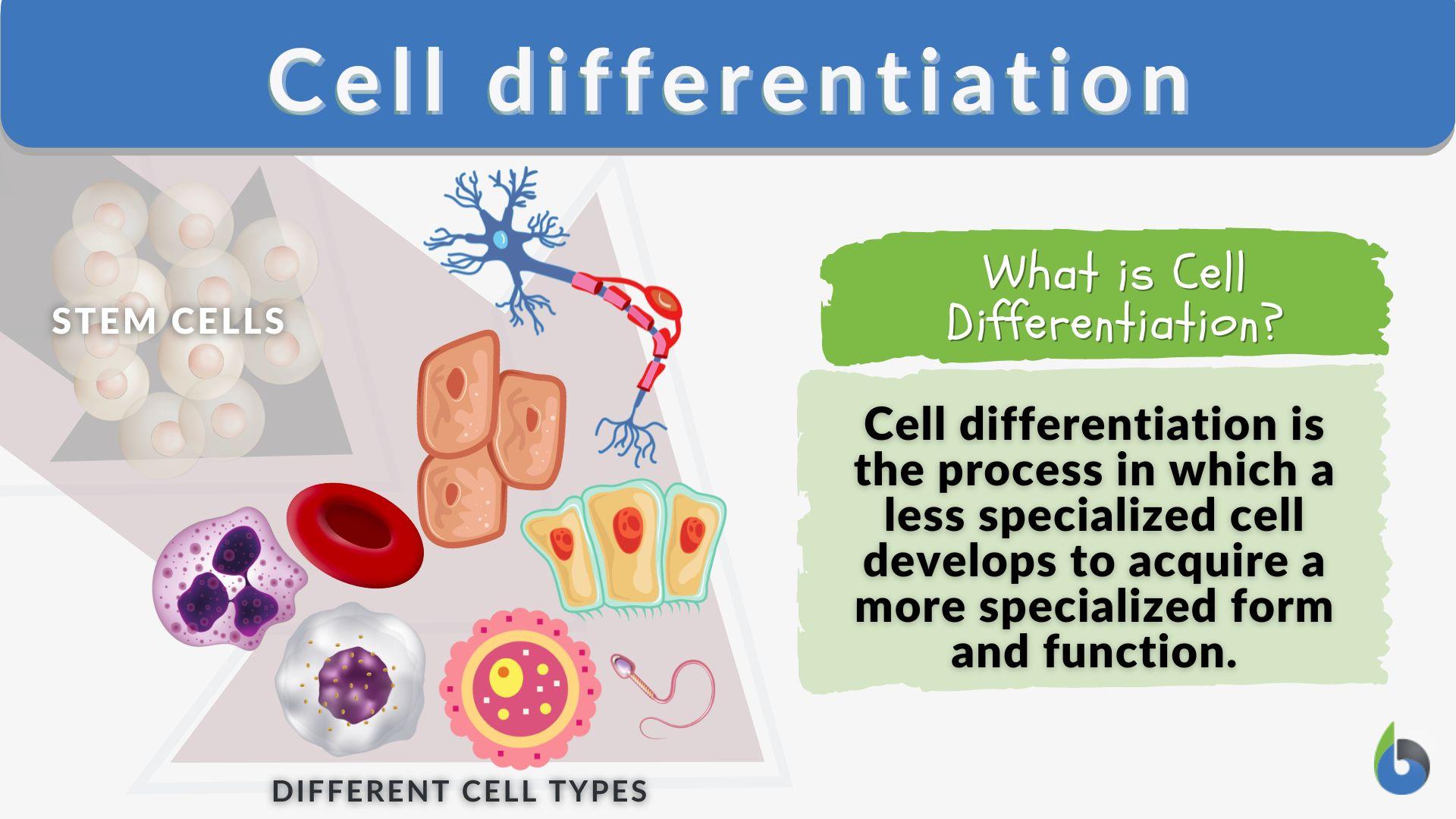
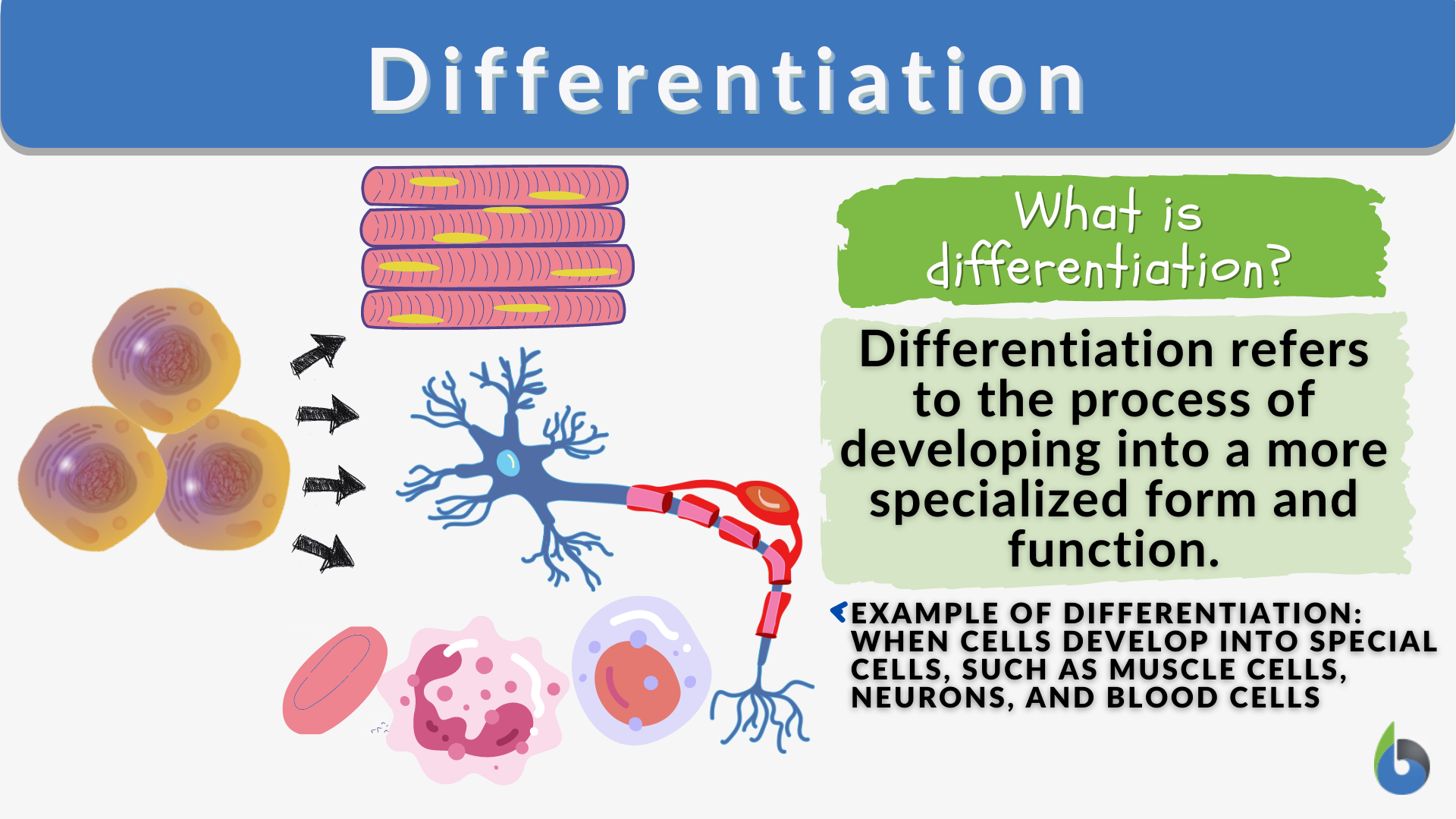
Cell differentiation is a fundamental biological process by which a less specialized cell becomes a more specialized cell type. It is the sophisticated mechanism that drives the remarkable transformation from a single-celled zygote into a complex, multicellular organism comprised of hundreds of distinct cell types, each with unique structures and functions. In the realm of technology, understanding and manipulating cell differentiation represents a pinnacle of biotechnological endeavor, opening avenues for advancements in regenerative medicine, drug discovery, and synthetic biology. Far from being a purely biological curiosity, this process is now a critical frontier in modern tech, where advanced tools, AI, and computational models are employed to decode its mysteries and harness its potential.
The Core Biological Process and its Technological Relevance
At its heart, cell differentiation is a matter of gene expression. All cells in an individual organism generally contain the same DNA, but what distinguishes a neuron from a skin cell or a muscle cell is which genes are “turned on” or “turned off.” This selective gene expression dictates the proteins a cell produces, which in turn determines its structure, function, and overall identity. The technological relevance here is profound: if we can understand the precise sequence of genetic and epigenetic events that guide a cell from an unspecialized state to a specialized one, we gain the ability to direct this process, with vast implications for health and technology.
The Journey from Zygote to Specialized Cell
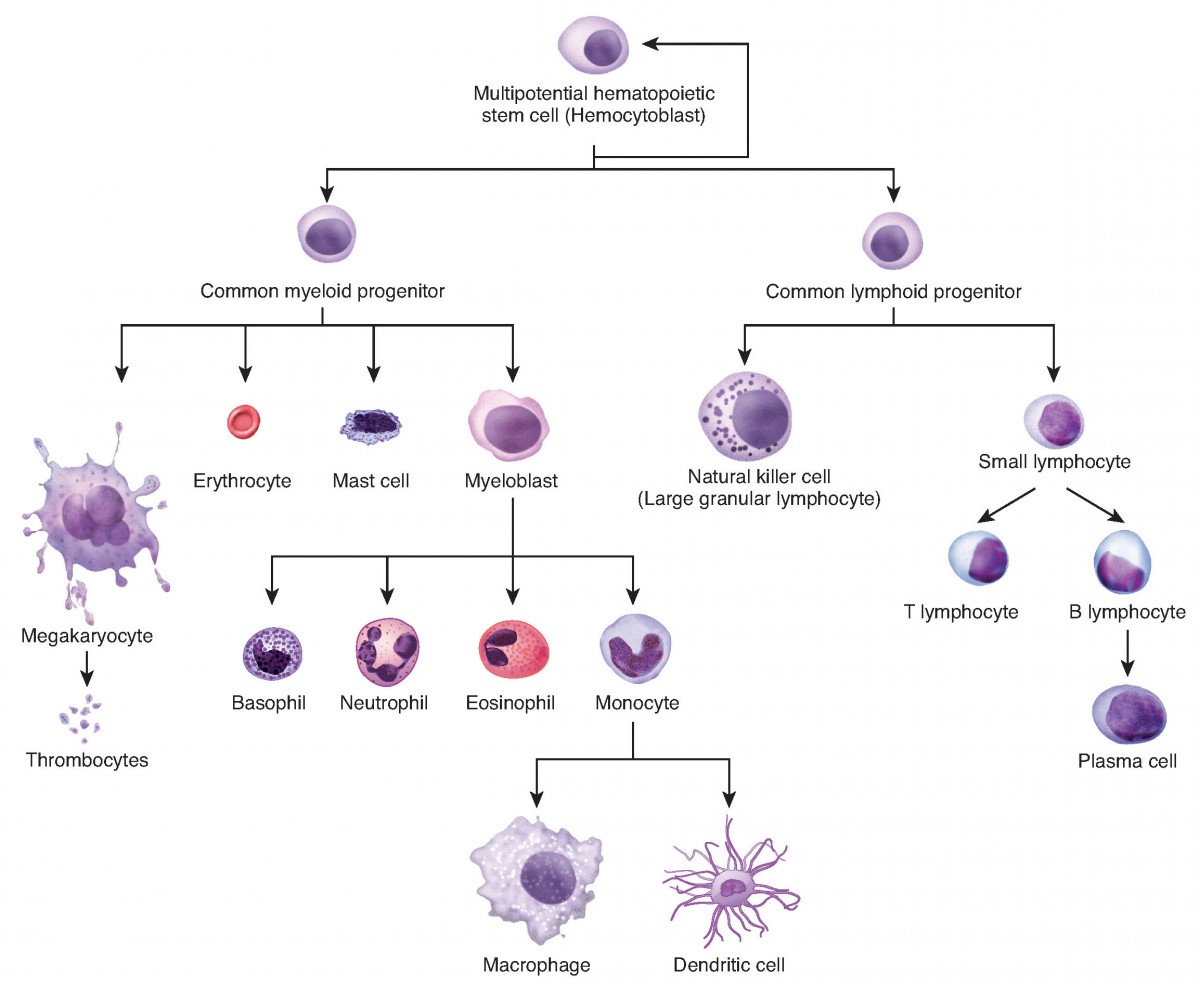
The journey begins with pluripotent stem cells, such as those found in an early embryo, which have the capacity to differentiate into any cell type in the body. As development progresses, these cells undergo a series of differentiations, often passing through multipotent (can differentiate into a limited range of cell types) or oligopotent (can differentiate into even fewer cell types) stages, until they become fully specialized, or unipotent. This hierarchical progression is a biological algorithm, a complex program executed with astonishing precision. Technologists are now employing machine learning algorithms and computational models to map these developmental trajectories, aiming to predict cellular fates and identify critical regulatory checkpoints.
Genetic Regulation: The Software of Life
The instruction set for cell differentiation is encoded in the genome. Specific genes, often referred to as master regulatory genes, play pivotal roles in initiating and orchestrating differentiation pathways. These genes code for transcription factors, proteins that bind to DNA and control the transcription of other genes, effectively switching them on or off. From a technological perspective, this can be viewed as the core software of a biological system. Understanding this genetic “software” allows biotechnologists to identify key control switches. Gene sequencing technologies, paired with bioinformatics tools, are essential for unraveling these complex regulatory networks, providing the blueprints for cellular engineering.
Epigenetics: The Dynamic Control Layer
Beyond the static DNA sequence, epigenetic modifications play a crucial role in cell differentiation. These are changes in gene expression that do not involve alterations to the underlying DNA sequence, such as DNA methylation and histone modifications. Epigenetic marks act as an additional layer of dynamic control, influencing which genes are accessible for transcription and which are silenced. This can be conceptualized as dynamic configuration settings or runtime parameters for the genetic software. Technologies like epigenome sequencing (e.g., ChIP-seq, ATAC-seq) combined with advanced data analytics are vital for mapping these epigenetic landscapes, revealing how cells maintain their identity and how environmental cues can reprogram them. The ability to manipulate these epigenetic settings offers a powerful avenue for cellular reprogramming and therapeutic interventions.
Technological Frontiers in Understanding Differentiation
The complexity of cell differentiation necessitates cutting-edge technological approaches. Modern biotechnology and computational science have provided unprecedented tools to observe, analyze, and predict the intricate dance of cellular specialization.
Advanced Imaging and Single-Cell Sequencing: Unveiling Cellular Trajectories
Technological breakthroughs in imaging, such as super-resolution microscopy and live-cell imaging, allow scientists to visualize cellular processes and molecular dynamics during differentiation in real time. These high-resolution images provide crucial spatial and temporal data. Complementing this, single-cell RNA sequencing (scRNA-seq) has revolutionized our ability to study differentiation by profiling gene expression in individual cells. This allows researchers to identify subtle changes in gene activity that distinguish cells at different stages of differentiation and to reconstruct differentiation pathways cell by cell. The enormous datasets generated by these technologies are processed and interpreted using sophisticated bioinformatics software and machine learning algorithms, revealing previously hidden cellular trajectories and markers.
AI and Machine Learning: Predicting Cellular Fates
The sheer volume and complexity of data generated from genomic, epigenomic, and proteomic studies of differentiation make AI and machine learning indispensable. Algorithms can identify patterns in gene expression, protein interactions, and epigenetic modifications that correlate with specific differentiation outcomes. Predictive models, built using neural networks and other AI techniques, can forecast how a cell might differentiate under certain conditions, or identify the optimal cocktail of signaling molecules to induce a desired cell type. This predictive power significantly accelerates research, reduces experimental costs, and enables a more rational design of differentiation protocols for therapeutic applications.
Computational Modeling: Simulating Biological Complexity
Beyond pattern recognition, computational modeling offers a way to simulate the dynamics of differentiation. Systems biology approaches integrate diverse data types into mathematical models that describe the interactions between genes, proteins, and signaling pathways. These models can simulate the effects of perturbations (e.g., gene knockouts, drug treatments) on differentiation outcomes, providing insights that are difficult or impossible to obtain experimentally. From network analysis to agent-based modeling, these computational tools are akin to biological simulators, allowing researchers to test hypotheses and design experiments virtually before moving to the wet lab, thereby streamlining the discovery process in biotechnological research.
Harnessing Differentiation: Biotech Applications and Trends
The ability to control cell differentiation is not just a scientific pursuit; it’s a cornerstone of several transformative technological applications that are reshaping medicine and biotechnology.
Regenerative Medicine: Repairing and Replacing Tissues
Perhaps the most direct application of understanding cell differentiation is in regenerative medicine. By directing pluripotent or multipotent stem cells (such as induced pluripotent stem cells, or iPSCs, which are reprogrammed adult cells) to differentiate into specific cell types—neurons, cardiomyocytes, pancreatic beta cells—scientists aim to replace damaged or diseased tissues and organs. This involves developing precise cell culture protocols, employing bioreactors, and using bioengineering techniques to scaffold and grow functional tissues. The ultimate goal is to generate patient-specific cells or tissues for transplantation, offering cures for conditions like Parkinson’s disease, diabetes, spinal cord injuries, and heart failure, representing a paradigm shift in medical technology.
Drug Discovery and Personalized Medicine: Tailoring Treatments
Differentiated cells also serve as powerful tools in drug discovery and personalized medicine. Patient-derived iPSCs can be differentiated into specific cell types that are affected by a disease (e.g., patient-specific neurons for neurological disorders). These “disease-in-a-dish” models allow researchers to test potential drug candidates on human cells that genetically mirror the patient’s condition, providing more relevant insights than traditional animal models or general cell lines. This significantly accelerates the drug screening process and helps identify compounds that are more likely to be effective and safe for individual patients, moving towards a future of highly personalized pharmacological interventions facilitated by advanced bioinformatics and high-throughput screening technologies.
Gene Editing and Synthetic Biology: Engineering Cellular Identity
The advent of gene-editing technologies like CRISPR-Cas9 has provided unprecedented precision in manipulating the genetic code that underlies differentiation. This allows scientists to correct genetic defects in stem cells before differentiation or to engineer novel differentiation pathways. In synthetic biology, researchers are going a step further, designing and constructing new biological systems or redesigning existing ones to achieve specific functions. This includes creating cells with enhanced therapeutic properties, programming cells to detect and respond to disease states, or even building novel cellular “factories” that produce biomolecules. These advancements represent the pinnacle of cellular engineering, transforming cells into programmable entities for myriad applications, from medicine to bio-manufacturing.
Ethical and Future Considerations in Differentiated Technologies
As our technological capabilities to manipulate cell differentiation grow, so do the ethical considerations and the potential for future innovation, presenting both immense promise and complex challenges.
Navigating the Bioethical Landscape
The ability to create, reprogram, and direct the fate of human cells, especially stem cells, raises significant ethical questions. Issues surrounding the derivation and use of embryonic stem cells, the potential for human germline editing, and the creation of organoids (mini-organs) for research purposes require careful ethical frameworks and public discourse. Ensuring responsible innovation, transparency, and equitable access to these powerful technologies is paramount as the field progresses.
The Future of Biocomputing and Engineered Organisms
Looking ahead, the understanding of cell differentiation could pave the way for entirely new technological paradigms. Concepts like biocomputing, where biological systems are engineered to perform computational tasks, or the creation of sophisticated synthetic organisms with tailored differentiation programs for environmental remediation or advanced manufacturing, are no longer purely science fiction. The integration of advanced AI with synthetic biology and regenerative medicine promises to unlock unprecedented control over biological systems, driving the next wave of technological revolutions centered on the very building blocks of life itself. The journey from defining “what is cell differentiation” to harnessing its full technological potential is an ongoing testament to human ingenuity and scientific advancement.
aViewFromTheCave is a participant in the Amazon Services LLC Associates Program, an affiliate advertising program designed to provide a means for sites to earn advertising fees by advertising and linking to Amazon.com. Amazon, the Amazon logo, AmazonSupply, and the AmazonSupply logo are trademarks of Amazon.com, Inc. or its affiliates. As an Amazon Associate we earn affiliate commissions from qualifying purchases.