
Monitoring the physiological health of a feline companion requires a nuanced understanding of their vital signs. Among these, the respiratory rate is perhaps the most critical indicator of systemic health, often serving as the earliest warning sign of cardiovascular distress or pulmonary complications. For the discerning pet owner, maintaining a baseline for what constitutes “normal” is essential for effective preventative care and the timely identification of medical emergencies.
Understanding the Feline Respiratory Baseline
A cat’s respiratory rate is defined as the number of breaths taken per minute. Unlike humans, who have a relatively steady rhythm, cats are prone to fluctuations based on their immediate environment, psychological state, and physical exertion. To assess respiratory health accurately, owners must establish a baseline when the animal is in a state of complete rest.
The Standard Range at Rest
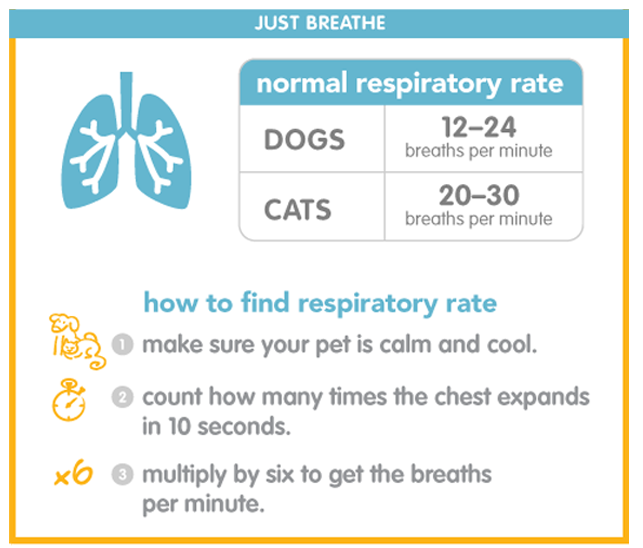
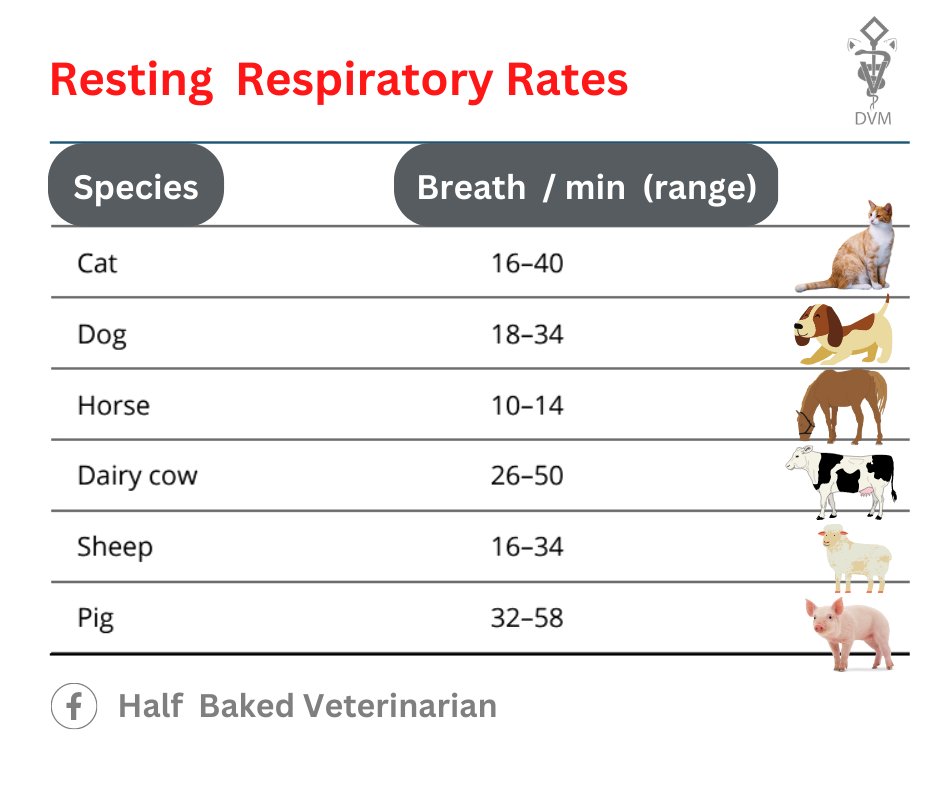
In a healthy adult cat at home, a normal resting respiratory rate (RRR) typically falls between 15 and 30 breaths per minute. A single breath is defined as one complete cycle of inhalation and exhalation. When observing your cat, you should notice a gentle, rhythmic movement of the chest wall or abdomen. If the rate consistently exceeds 30 to 40 breaths per minute while the cat is sleeping or deeply relaxed, it serves as a significant clinical indicator that requires professional evaluation.
Factors Influencing Respiratory Variability
It is critical to distinguish between physiological variation and pathological distress. Cats are highly reactive creatures. Factors such as ambient temperature, humidity, and the presence of stressors—like loud noises, unfamiliar visitors, or recent play sessions—can temporarily elevate the respiratory rate. Furthermore, purring can complicate assessments; the vibration of the chest wall often mimics rapid breathing. To get an accurate measurement, wait until the cat has finished purring and has been sedentary for at least 30 minutes.
The Methodology of Accurate Assessment
The ability to measure a respiratory rate at home is a powerful tool in veterinary diagnostics. By keeping a digital log of these measurements, owners provide veterinarians with longitudinal data that is far more valuable than a singular reading taken in the high-stress environment of a clinical waiting room.
Step-by-Step Monitoring Technique
To measure the rate, choose a time when the cat is curled up and asleep. Do not wake the cat, as the transition to alertness will immediately skew the results. Using a stopwatch or the timer function on a smartphone, observe the rise and fall of the cat’s flank. Count one full cycle (in and out) as one breath. Count the total breaths over a full 60 seconds. Repeat this process three times over the course of a week to determine a stable average.
Recognizing Signs of Respiratory Distress
Beyond the numerical rate, owners must be cognizant of the quality of respiration. Clinical indicators of respiratory distress that necessitate an immediate emergency veterinary visit include:
- Open-Mouth Breathing: Unlike dogs, who pant when overheated, cats should almost never breathe through an open mouth unless they have been engaging in extreme exercise. Open-mouth breathing is a sign of severe respiratory or cardiac compromise.
- Increased Abdominal Effort: If the abdominal muscles are visibly working to force air in or out, the cat is struggling to oxygenate.
- Extended Neck Posture: A cat that sits with its neck stretched forward, elbows flared outward (a position known as orthopnea), is attempting to straighten its airway to maximize oxygen intake.
- Cyanosis: The appearance of a bluish or purplish tint to the gums or tongue indicates a critical lack of oxygen in the blood.

Clinical Implications of Abnormal Respiratory Rates
When a cat’s respiratory rate is consistently outside the 15–30 breaths per minute range, it often points to an underlying medical condition. Because cats are evolutionarily predisposed to masking illness, respiratory changes are frequently the first—and sometimes only—symptom of serious health challenges.
Congestive Heart Failure (CHF)
Feline hypertrophic cardiomyopathy (HCM) is a common heart condition where the heart muscle thickens, impairing its ability to pump blood effectively. This often leads to fluid accumulation in or around the lungs, known as pulmonary edema or pleural effusion. As the lungs become compromised by fluid, the cat’s respiratory rate will rise significantly, often reaching 40 to 60 breaths per minute, even during sleep. Monitoring the RRR at home is widely considered the gold standard for managing cats with known cardiac conditions to detect the onset of heart failure early.
Pulmonary and Airway Diseases
Chronic conditions such as feline asthma, bronchitis, or respiratory infections can also cause persistent tachypnea (rapid breathing). Asthma, in particular, causes the airways to narrow, making the act of breathing physically demanding. In these cases, the respiratory rate might not always be elevated during rest, but the effort required to breathe becomes noticeable. An owner might observe wheezing or a chronic cough that is frequently mistaken for the cat attempting to pass a hairball.
Metabolic and Systemic Stressors
An elevated respiratory rate is not exclusively a symptom of lung or heart disease. Systemic issues such as anemia, fever, pain, or hyperthyroidism can also manifest as tachypnea. Anemia, for instance, reduces the oxygen-carrying capacity of the blood, forcing the heart and lungs to work harder to compensate for the deficiency. Similarly, a fever raises the metabolic rate, leading to an increased demand for oxygen and a resultant uptick in breathing frequency.
Establishing a Proactive Care Routine
The role of the pet owner is that of a frontline healthcare observer. Because veterinary visits are episodic, the continuous monitoring performed at home bridges the gap between checkups, ensuring that subtle shifts in health do not go unnoticed until the animal is in crisis.
Building a Diagnostic Log
Create a simple spreadsheet or use a dedicated health app to record your cat’s resting respiratory rate. Document the date, the time of day, the specific RRR, and any relevant notes, such as “cat was resting after eating” or “very hot day.” Over time, this data transforms from a simple list of numbers into a predictive tool. If your cat’s baseline has been 20 for two years and it suddenly trends to 30, you have objective evidence that warrants a conversation with your veterinarian, even if the cat appears otherwise normal.
When to Consult the Veterinarian
It is better to be over-cautious than to wait for a full-blown emergency. Consult your veterinarian if:
- You observe a consistent upward trend in the RRR over several days.
- The RRR consistently exceeds 30 breaths per minute at rest.
- The respiratory pattern changes, such as the sudden onset of wheezing, coughing, or audible breathing sounds.
- The cat exhibits a reduced appetite or lethargy alongside respiratory changes.
In the management of feline health, the respiratory rate is a quiet signal that speaks volumes. By understanding what is normal, mastering the art of the assessment, and maintaining a watchful eye on your cat’s daily rhythms, you provide the best possible environment for a long, healthy, and high-quality life. While technology and medical diagnostics are essential, the most effective monitoring tool remains the observant owner, empowered by knowledge and dedicated to the well-being of their companion.
aViewFromTheCave is a participant in the Amazon Services LLC Associates Program, an affiliate advertising program designed to provide a means for sites to earn advertising fees by advertising and linking to Amazon.com. Amazon, the Amazon logo, AmazonSupply, and the AmazonSupply logo are trademarks of Amazon.com, Inc. or its affiliates. As an Amazon Associate we earn affiliate commissions from qualifying purchases.