
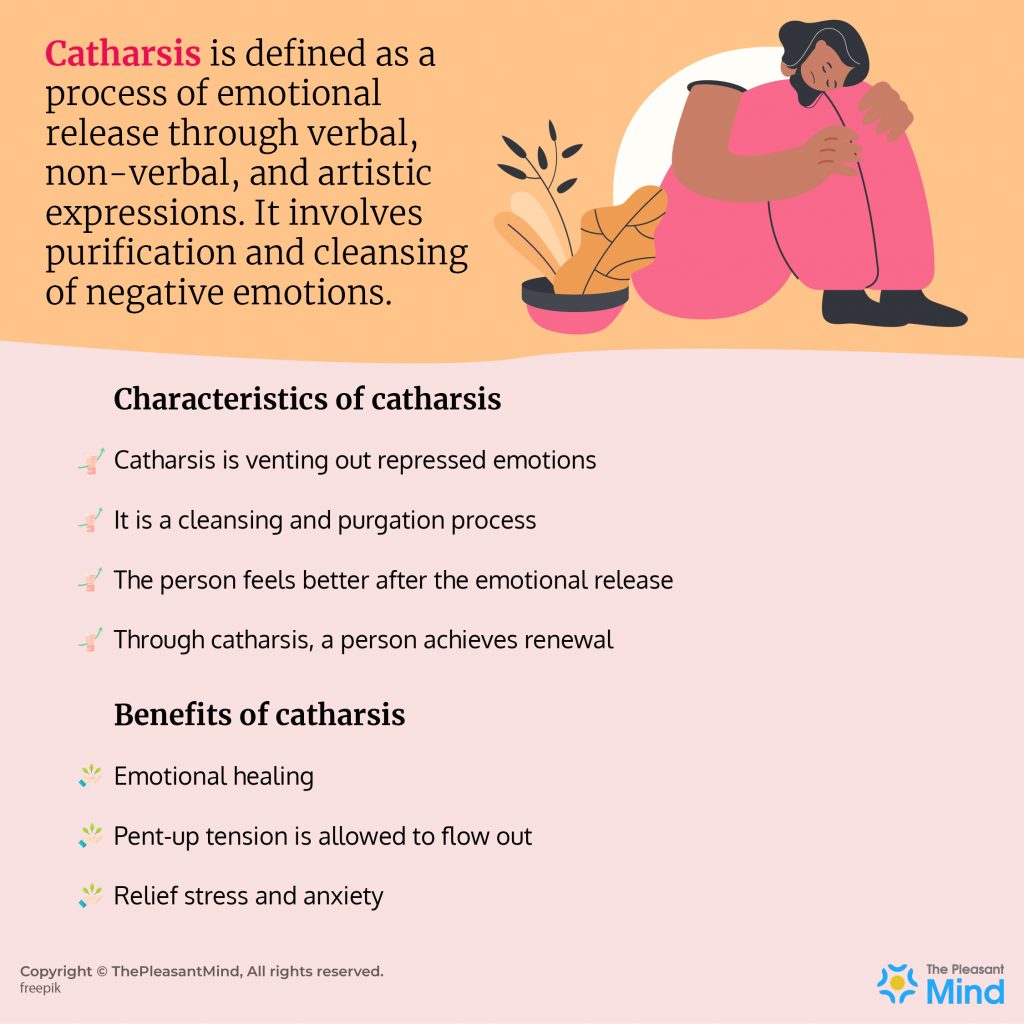
The term “catharsis” often evokes images of dramatic emotional release, whether through art, therapy, or a good cry. While these associations are valid, the concept of catharsis extends far beyond simple emotional venting. In the realm of technology, understanding catharsis can offer profound insights into user experience, the adoption of new tools, and the very nature of how we interact with digital innovation. This exploration delves into the technological dimensions of catharsis, examining how digital platforms and experiences can facilitate or hinder this crucial psychological process.
The Digital Unburdening: Catharsis in Software and Apps
The digital landscape is replete with opportunities for users to experience catharsis. From the initial unboxing of a new gadget to the deep dive into a complex software application, our interactions with technology can trigger significant emotional and psychological shifts. Understanding these shifts is paramount for developers and designers aiming to create impactful and user-centric digital products.
Emotional Release in Interactive Design
Interactive design is perhaps the most direct avenue through which software and apps can facilitate catharsis. Games, in particular, are often designed to allow players to explore heightened emotional states within a safe, virtual environment. This can include the thrill of overcoming challenges, the satisfaction of completing complex puzzles, or even the cathartic release of frustration through simulated conflict. Consider the enduring appeal of action-adventure games where players confront and vanquish antagonists; this virtual conquest can serve as a proxy for real-world stresses, offering a sense of agency and resolution that might be difficult to attain in daily life.
Beyond gaming, productivity apps can also offer a form of catharsis. The act of organizing scattered thoughts, decluttering a digital workspace, or systematically ticking off tasks can provide a profound sense of order and accomplishment. For individuals overwhelmed by disorganization, using a well-designed task management app can be a cathartic experience. The visual progress bars, the satisfying “check” mark, and the tangible reduction in digital clutter all contribute to a feeling of control and relief. This is not just about efficiency; it’s about alleviating the anxiety associated with feeling overwhelmed.
The Therapeutic Potential of Digital Tools
The rise of mental wellness apps has brought the concept of catharsis directly into the technological mainstream. Applications designed for meditation, mindfulness, journaling, and even cognitive behavioral therapy (CBT) are explicitly crafted to help users process emotions, gain clarity, and achieve a sense of release. These tools often employ guided exercises, prompts for self-reflection, and progress tracking to facilitate a journey of emotional exploration.
Journaling apps, for instance, provide a private and accessible space for users to articulate their thoughts and feelings. The act of writing, even in a digital format, can be inherently cathartic. It allows for the externalization of internal struggles, the identification of patterns in one’s thinking, and the development of a more objective perspective. Similarly, meditation apps guide users through techniques to calm the mind and acknowledge emotions without judgment, fostering a sense of peace and emotional equilibrium. The accessibility of these tools means that catharsis is no longer confined to therapy sessions; it can be a regular, self-directed practice integrated into daily life.
AI and the Evolving Landscape of Cathartic Technology
Artificial intelligence is poised to revolutionize how we experience and even seek out catharsis through technology. AI’s ability to understand, personalize, and predict user needs opens up new frontiers for digital experiences that can support emotional well-being and facilitate profound releases.
Personalized Emotional Support Through AI
AI-powered chatbots and virtual assistants are increasingly being developed with features aimed at providing emotional support. While not a replacement for human therapists, these AI agents can offer a non-judgmental ear, engage in therapeutic conversations, and even provide coping strategies based on learned patterns of user distress. For individuals who feel isolated or are hesitant to seek human help, an AI companion can serve as an initial point of contact, offering a low-barrier entry into emotional processing. The AI’s ability to learn from interactions allows for increasingly personalized responses, making the experience feel more empathetic and tailored to the user’s specific needs. This personalized approach can lead to a more profound sense of being understood, a crucial element in achieving catharsis.
AI-Driven Content Creation and Consumption
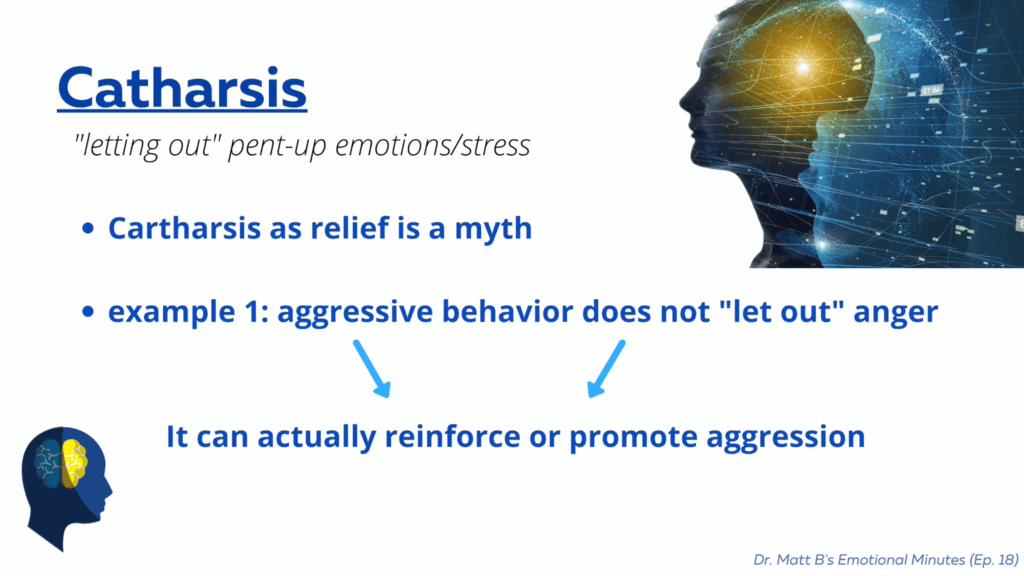
AI is also transforming the way we consume and even create content that can be cathartic. Recommendation algorithms, for example, can identify patterns in a user’s viewing or listening history and suggest music, movies, or articles that resonate with their current emotional state. If a user is experiencing sadness, an AI might recommend uplifting films or melancholic music that allows them to lean into and process that emotion, ultimately leading to a release.
Furthermore, AI tools are emerging that empower users to create their own expressive content. AI-powered writing assistants can help individuals articulate their thoughts more effectively, while AI image generators can translate abstract emotions into visual forms. This creative empowerment can be incredibly cathartic, allowing individuals to express feelings that might be difficult to put into words or to visualize internal experiences in a tangible way. The process of co-creation with AI can foster a sense of accomplishment and provide a unique outlet for emotional expression.
The Ethical Considerations of Cathartic Technology
As technology becomes more adept at facilitating emotional release, it is crucial to address the ethical implications and potential pitfalls. The power to influence emotional states requires careful consideration of user well-being, data privacy, and the potential for misuse.
The Double-Edged Sword of Emotional Engagement
While technology can offer immense benefits for emotional processing, there’s a delicate balance to maintain. Over-reliance on digital catharsis could potentially lead to avoidance of real-world emotional engagement or hinder the development of robust interpersonal coping mechanisms. For instance, if a user constantly turns to a game to vent frustration, they might not develop the skills to navigate difficult conversations or conflict resolution in their personal relationships.
Developers and designers must be mindful of not creating addictive feedback loops that exploit users’ emotional vulnerabilities. The goal should be to empower users and foster genuine well-being, not to create dependencies. This involves designing with intention, focusing on providing tools for healthy emotional processing rather than simply offering a temporary escape. Transparency about the intended use and limitations of such technologies is also paramount.
Data Privacy and Emotional Surveillance
The collection and analysis of user data, particularly in applications designed for emotional support, raise significant privacy concerns. Sensitive personal information about users’ mental states could be highly valuable and, if mishandled, could lead to discrimination or exploitation. Robust data security measures, anonymization techniques, and clear consent protocols are essential to build trust and ensure that users feel safe exploring their emotions through digital means.
The potential for AI to “read” and respond to emotional cues also treads into the realm of emotional surveillance. While intended to be helpful, such capabilities must be implemented with utmost care to avoid creating an environment where users feel constantly monitored or judged. The focus must always remain on empowering the individual and respecting their autonomy in their emotional journey.
Cultivating Intentional Digital Catharsis
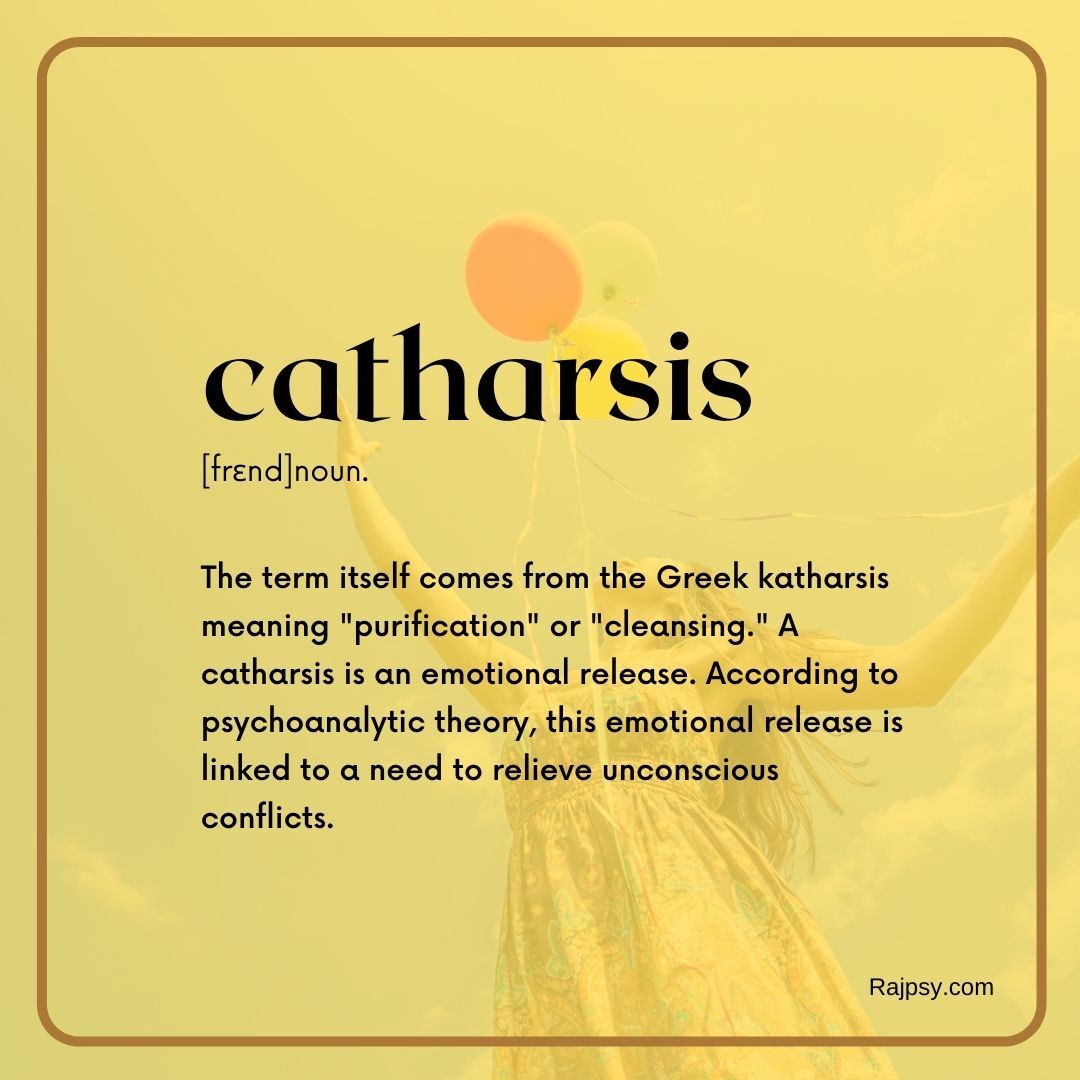
Ultimately, the concept of catharsis in technology is not merely about the features of an app or the sophistication of an AI. It is about the intentional design and mindful use of digital tools to support human emotional well-being. By understanding the psychological underpinnings of catharsis, we can create and utilize technology in ways that foster genuine release, personal growth, and a more balanced relationship with our digital lives.
Designing for Meaningful Engagement
For technology creators, this means moving beyond superficial engagement metrics and focusing on designing experiences that facilitate depth, reflection, and genuine emotional processing. This might involve incorporating elements of narrative, encouraging creative expression, or providing structured pathways for users to confront and understand their emotions. The goal should be to facilitate a cathartic process that leads to lasting positive change, not just a fleeting moment of relief.
User Agency and Self-Awareness
For users, embracing intentional digital catharsis involves a conscious effort to leverage these tools for personal growth rather than passive consumption. This means actively engaging with journaling prompts, seeking out therapeutic content, and using productivity tools to create order and reduce anxiety. It also means being aware of one’s own emotional responses to technology and choosing tools that align with a desire for genuine well-being. By fostering self-awareness, individuals can harness the power of technology to achieve meaningful cathartic experiences.
In conclusion, catharsis, when viewed through a technological lens, is a powerful force that shapes our digital interactions and emotional lives. As technology continues to evolve, so too will its capacity to facilitate this essential human experience. By approaching this intersection with intentionality, ethical consideration, and a focus on user well-being, we can unlock the profound potential of digital catharsis for a healthier, more emotionally resonant future.
aViewFromTheCave is a participant in the Amazon Services LLC Associates Program, an affiliate advertising program designed to provide a means for sites to earn advertising fees by advertising and linking to Amazon.com. Amazon, the Amazon logo, AmazonSupply, and the AmazonSupply logo are trademarks of Amazon.com, Inc. or its affiliates. As an Amazon Associate we earn affiliate commissions from qualifying purchases.