
In an increasingly cashless society, understanding the various forms of digital payment has become paramount for effective personal and business finance management. Among the myriad options available, the “cash card” often emerges as a distinct, yet sometimes misunderstood, financial tool. Far from a simple piece of plastic, a cash card represents a versatile instrument designed to manage pre-loaded funds, offering unique advantages and catering to specific financial needs. This comprehensive exploration will demystify what a cash card is, delve into its diverse forms, weigh its benefits and drawbacks, and ultimately position it within the broader landscape of modern financial instruments.
Unpacking the Concept: A Foundational Financial Tool
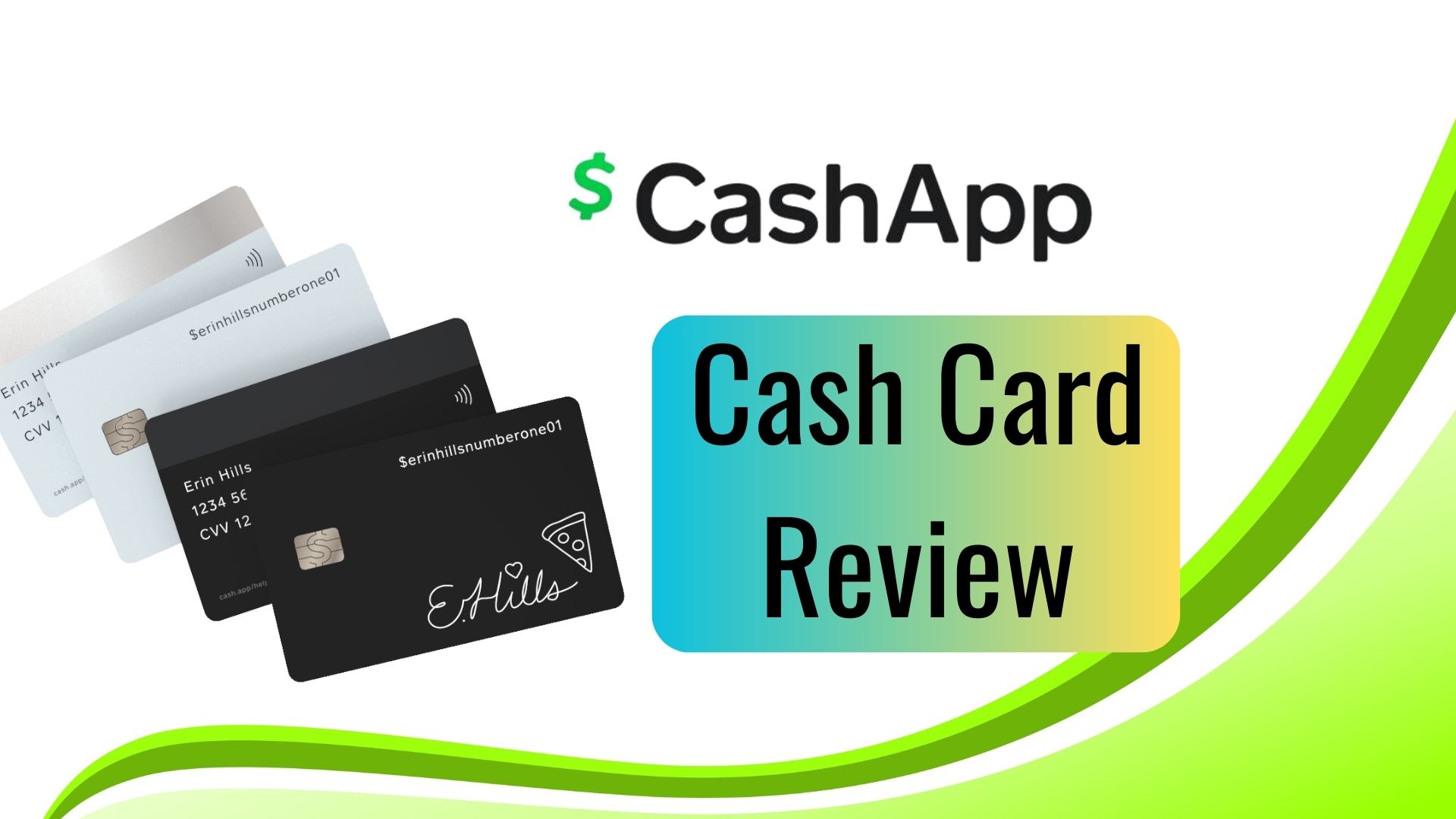
At its core, a cash card is a prepaid payment card, loaded with funds by the user or an issuing entity, and then used to make purchases or withdraw cash up to the loaded amount. Unlike traditional debit or credit cards, cash cards operate on a “pay-as-you-go” principle, making them a powerful tool for budgeting and expenditure control.
Defining the Cash Card: More Than Just Plastic
A cash card functions on the premise of pre-funded value. This means that money must be loaded onto the card before it can be used. Once the funds are depleted, the card cannot be used again until it is reloaded (if it’s a reloadable card) or, in the case of a single-use card, discarded. This fundamental characteristic distinguishes it significantly from other card types. It’s essentially digital cash, providing the convenience of card payments without direct links to a bank account or credit line. Think of it as a digital wallet that holds a specific, predetermined amount of money, ready for spending.
How Cash Cards Differ from Debit and Credit Cards
To fully grasp the identity of a cash card, it’s crucial to understand how it contrasts with its more common counterparts:
- Debit Cards: A debit card is directly linked to a checking or savings account. When you use a debit card, funds are immediately withdrawn from your bank account. While it also uses your own money, it requires an active bank account and provides direct access to those funds. A cash card, conversely, is not directly tied to a bank account; its balance is independent.
- Credit Cards: A credit card allows you to borrow money from a financial institution up to a pre-approved limit. You are essentially using the bank’s money and must repay it, usually with interest, by a due date. Credit cards build credit history and offer various protections and rewards, but they also carry the risk of debt. Cash cards, by their very nature, cannot accrue debt and do not impact your credit score.
This distinction highlights the cash card’s role as a controlled spending mechanism, ideal for those seeking to avoid debt, manage specific budgets, or operate outside traditional banking relationships.
The Mechanics of Operation: Loading and Spending
The process of using a cash card is straightforward. Funds can be loaded onto the card through various channels, depending on the card issuer and type. Common methods include:
- Direct Deposit: For payroll or government benefit cards.
- Bank Transfer: Transferring money from a checking or savings account.
- Cash Deposit: Loading cash at participating retail locations, ATMs, or money transfer services.
- Online Transfer: Using a bank’s online portal or a card issuer’s app.
Once loaded, the card can be used anywhere its payment network (e.g., Visa, Mastercard, Discover, American Express) is accepted, both online and in physical stores. Purchases are deducted from the card’s balance, and users can often check their remaining balance via online portals, mobile apps, or by calling customer service. This simple, transparent mechanism makes cash cards an accessible financial tool for a broad demographic.
The Diverse Landscape of Cash Cards
The term “cash card” is an umbrella for several specific types of prepaid cards, each tailored for different applications and user groups. Understanding these distinctions is vital for selecting the most appropriate financial instrument for a given need.
Prepaid Debit Cards: General Purpose and Reloadable
These are perhaps the most common iteration of a cash card. Prepaid debit cards function much like a regular debit card but are not linked to a bank account. They carry a major payment network logo (Visa, Mastercard, etc.) and can be used for everyday purchases, bill payments, and ATM withdrawals. Many are reloadable, allowing users to add funds repeatedly, making them suitable for ongoing money management. They are often marketed as alternatives to traditional bank accounts for the unbanked or underbanked, providing a means to participate in the digital economy without maintaining a checking account.
Gift Cards: Specificity and Limited Use
Gift cards are a highly specialized form of cash card. They are typically issued by specific retailers or brands and can only be used to purchase goods or services from that particular entity. For example, a Starbucks gift card can only be used at Starbucks. While they are prepaid and carry a specific value, their limited merchant acceptance distinguishes them from general-purpose prepaid debit cards. Some general-purpose gift cards (e.g., Visa or Mastercard gift cards) exist, which are more akin to single-use prepaid debit cards, accepted anywhere that network is.
Payroll Cards: A Digital Paycheck Solution
For employees without traditional bank accounts, or those who prefer not to use them, payroll cards offer a convenient way to receive wages. Employers can directly deposit an employee’s salary onto these cards, which then function as reloadable prepaid debit cards. This eliminates the need for paper checks, reducing administrative burden for employers and providing immediate access to funds for employees, often with fewer fees than check-cashing services. They are a bridge between traditional employment and modern digital finance for a segment of the workforce.
Government Benefit Cards: Streamlining Aid Distribution

Government agencies utilize cash cards to distribute various benefits, such as unemployment benefits, welfare payments (EBT cards for food assistance often function similarly, though specifically for food items), or tax refunds. These cards ensure that recipients have immediate, secure access to their allocated funds without requiring a bank account, simplifying the distribution process and empowering beneficiaries with a digital payment method for essential needs. This system is crucial for financial inclusion and efficient social program delivery.
Advantages and Disadvantages: Weighing the Financial Impact
Like any financial tool, cash cards come with a set of benefits and potential drawbacks. A thorough understanding of these aspects is essential for making informed decisions about their use within personal or business finance strategies.
Key Benefits: Budgeting, Security, and Accessibility
Cash cards offer several compelling advantages, particularly for specific financial goals or demographic groups.
- Enhanced Budgeting Control: This is arguably the most significant benefit. Since you can only spend what’s loaded onto the card, cash cards naturally enforce a budget. This makes them excellent for controlling discretionary spending, allocating funds for specific purposes (e.g., groceries, entertainment), or teaching financial literacy to teenagers. The inability to overspend eliminates the risk of overdraft fees or accumulating debt.
- Reduced Risk of Debt: Unlike credit cards, cash cards cannot lead to debt. There’s no credit line to tap into, and spending is strictly limited to the pre-loaded amount. This makes them a safe option for individuals who struggle with credit card debt or prefer a simpler, debt-free approach to managing expenses.
- Accessibility for the Unbanked or Underbanked: For millions globally who lack access to traditional banking services (checking accounts, savings accounts), cash cards provide a crucial gateway to the digital economy. They allow these individuals to make online purchases, pay bills, and participate in mainstream financial transactions that would otherwise be inaccessible.
- Safer Alternative to Carrying Cash: Carrying large amounts of physical cash is risky. If lost or stolen, it’s often irrecoverable. A registered cash card, however, offers a layer of protection. If the card is lost or stolen, the funds can often be frozen or replaced, much like a debit card, provided it was registered with the issuer. This offers greater security than physical currency.
- Separation of Funds: Cash cards can be used to separate funds for specific purposes, like travel money, online shopping, or a child’s allowance, without affecting your primary bank account. This segmentation aids in financial planning and prevents commingling of funds.
Potential Drawbacks: Fees, Limitations, and Consumer Protection
Despite their advantages, cash cards are not without their downsides, primarily concerning fees and consumer protections.
- Associated Fees: Many cash cards come with various fees that can erode the loaded value. These might include activation fees, monthly maintenance fees, transaction fees (especially for PIN-based purchases or out-of-network ATM withdrawals), reload fees, inactivity fees, or customer service call fees. These costs can add up, making some cash cards less economical than a fee-free checking account.
- Lack of Credit Building Potential: Because cash cards do not involve borrowing, they do not report to credit bureaus and therefore do not help build a credit history. For individuals looking to establish or improve their credit score, cash cards are not the solution; a secured credit card or responsible use of a traditional credit card would be more appropriate.
- Limited Consumer Protections (Compared to Credit Cards): While some prepaid cards offer protections similar to debit cards (e.g., zero liability for unauthorized transactions if reported promptly), they generally do not provide the same robust consumer protections as credit cards, such as chargeback rights for disputed purchases or federal protections under the Fair Credit Billing Act. This means recovering funds for fraudulent or unsatisfactory transactions might be more challenging.
- Acceptance Limitations: While many general-purpose cash cards are widely accepted, specific types (like retailer gift cards) have very limited acceptance. Even general-purpose cards might encounter issues with certain types of transactions, such as car rentals or hotel reservations, which often place holds on funds that can exceed the card’s balance or be difficult to clear.
- No Interest Earnings: Funds held on a cash card typically do not earn interest, unlike money held in a savings account. For long-term savings, a cash card is an inefficient vehicle.
Strategic Uses and Considerations for Consumers
Understanding where a cash card fits best into a personal finance strategy is key to maximizing its utility while mitigating its potential downsides.
Ideal Scenarios for Using a Cash Card
Cash cards excel in situations where controlled spending, security, or accessibility are priorities.
- Budgeting Specific Expenses: Use a cash card to allocate a fixed amount for groceries, entertainment, or dining out each month. Once the funds are spent, you know you’ve hit your budget limit, preventing overspending.
- Managing Teenagers’ Spending: For parents looking to teach financial responsibility, a cash card provides a safe way for teenagers to spend money without the risks of a credit card or the need for a bank account. Parents can load an allowance, track spending, and control the maximum exposure.
- Travel Expenses: Load a cash card with your travel budget. This provides security (if lost, your main bank account isn’t compromised) and helps stick to a spending limit while abroad. Some cards also offer favorable exchange rates.
- Online Shopping Security: Using a cash card for online purchases can add a layer of security. If a merchant’s database is compromised, the maximum exposure is limited to the funds on the cash card, not your entire bank account or credit line.
- Gift-Giving: General-purpose prepaid gift cards are flexible gifts that allow recipients to purchase what they truly want, within the defined value.
Choosing the Right Cash Card: What to Look For
When selecting a cash card, careful consideration of its features and fee structure is paramount to ensure it aligns with your financial needs and budget.
- Fee Structures: Scrutinize all potential fees: activation, monthly maintenance, reload, transaction, ATM withdrawal, and inactivity fees. Opt for cards with transparent and minimal fees, or those that waive fees under certain conditions (e.g., direct deposit).
- Reloading Options: Evaluate the convenience and cost of reloading funds. Does the card support direct deposit, online transfers, or easy cash reloads at accessible locations? Are there fees associated with these methods?
- Network Acceptance: Ensure the card operates on a major payment network (Visa, Mastercard, Discover, American Express) if you need broad acceptance. This is crucial for general-purpose use.
- Customer Service and Features: Check for reliable customer support, online account management tools, mobile app functionality, and features like fraud protection or SMS alerts for transactions and balance updates. Registration with the issuer is vital for dispute resolution and fund protection.
The Future of Cash Cards in a Digital Economy
The financial landscape is in constant flux, and cash cards are evolving alongside it. Their role continues to be significant, particularly for financial inclusion and as a tool for managed spending.
Evolution Towards Digital Wallets and Mobile Payments
While physical cash cards remain popular, their functionality is increasingly being integrated into digital wallets and mobile payment apps (e.g., Apple Pay, Google Pay). Users can link their prepaid card details to these platforms, allowing for contactless payments and enhanced security features. This trend suggests a future where the “cash card” concept might transition from a physical piece of plastic to a purely digital asset within a mobile device, offering even greater convenience and security. The underlying principle of pre-funded, controlled spending, however, will likely persist.
Regulatory Landscape and Consumer Protection Enhancements
As cash cards have become more widespread, regulators have paid closer attention to consumer protections. In many regions, regulations have been introduced to standardize fee disclosures, provide better dispute resolution mechanisms, and offer some level of protection against fraud or unauthorized transactions for registered cards. This ongoing regulatory evolution aims to make cash cards a safer and more transparent financial product, addressing some of the historical drawbacks and strengthening their position as a legitimate and valuable financial tool for a wide range of consumers.
In conclusion, a cash card is a versatile and essential financial tool in the modern economy. It offers a powerful means for budgeting, enhancing security, and fostering financial inclusion, particularly for those outside traditional banking systems. By understanding its various forms, weighing its distinct advantages against its potential drawbacks, and choosing wisely, individuals and businesses can effectively leverage cash cards to manage their money with greater control and confidence.
aViewFromTheCave is a participant in the Amazon Services LLC Associates Program, an affiliate advertising program designed to provide a means for sites to earn advertising fees by advertising and linking to Amazon.com. Amazon, the Amazon logo, AmazonSupply, and the AmazonSupply logo are trademarks of Amazon.com, Inc. or its affiliates. As an Amazon Associate we earn affiliate commissions from qualifying purchases.