
In an increasingly digital world, the way we manage and transfer money has undergone a profound transformation. Gone are the days when bank account numbers, routing codes, or physical checks were the sole conduits for financial transactions. Today, mobile payment applications have revolutionized this landscape, offering instant, seamless, and often personalized ways to send and receive funds. Among these innovations, Cash App stands out as a prominent player, and central to its functionality is a seemingly simple yet incredibly powerful feature: the Cash App tag, more commonly known as a $Cashtag.
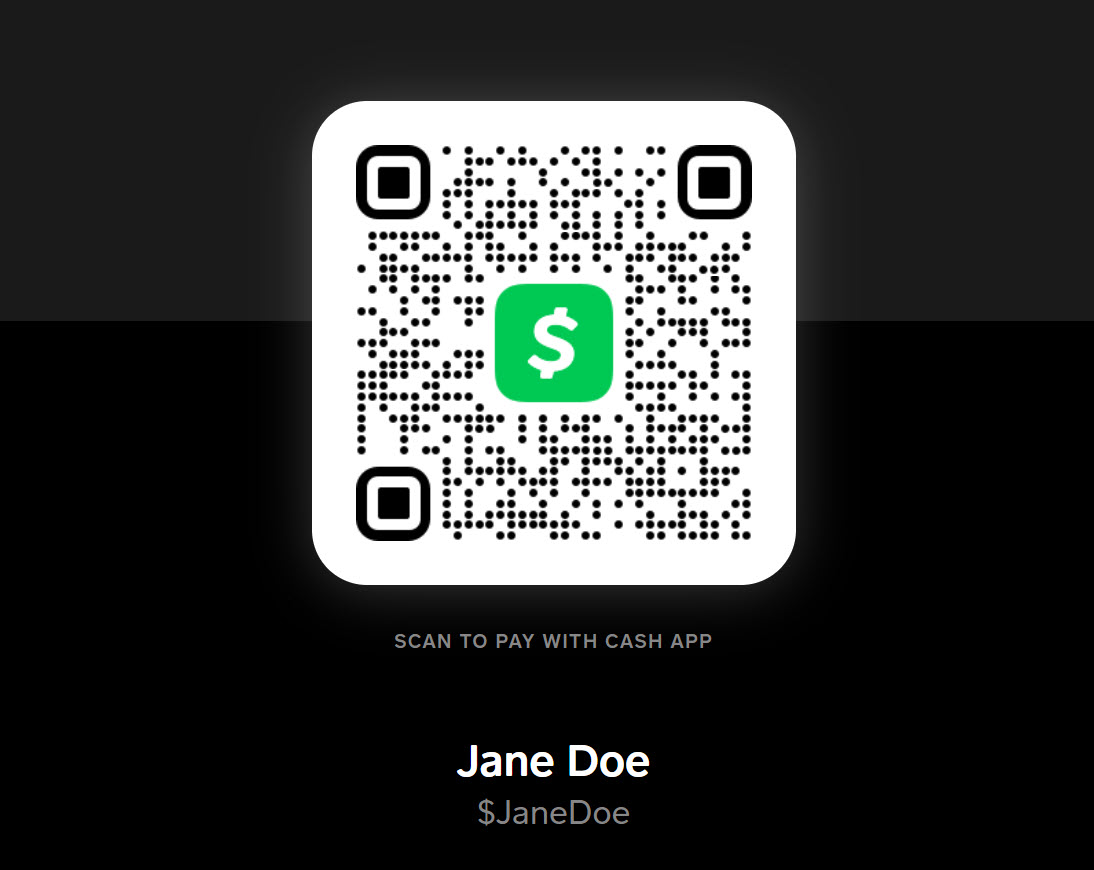
A $Cashtag is much more than just a username; it’s a unique identifier that acts as your digital address within the Cash App ecosystem. It simplifies financial interactions, making them as straightforward as sending a text message. For anyone engaging with modern digital finance, understanding what a $Cashtag is, how it functions, and its role in secure transactions is paramount. This article delves deep into the technological underpinnings and practical applications of the $Cashtag, explaining why it has become an indispensable component of mobile payments and digital identity.
The Core Functionality of a $Cashtag
At its heart, the $Cashtag is a technological solution designed to streamline the process of transferring money between individuals and businesses. It eliminates the need for sensitive banking information, replacing it with a user-friendly handle that is both memorable and secure.
A Unique Digital Identifier
A $Cashtag serves as your distinct, personalized username within the Cash App network. Much like a handle on social media platforms or an email address, it is unique to you. When you create a Cash App account, you are prompted to select a $Cashtag, which typically begins with a dollar sign ($) followed by a combination of letters and numbers (e.g., $JohnDoe123). This identifier is permanently linked to your Cash App profile and, by extension, to your linked bank accounts or debit cards. The uniqueness ensures that when someone sends money to $YourCashtag, those funds are routed precisely to your account, eliminating potential ambiguities or misdirected payments that could occur with more generic identifiers like names or email addresses alone. This specificity is a cornerstone of its technological design, enhancing accuracy and user confidence.
Facilitating Seamless Transactions
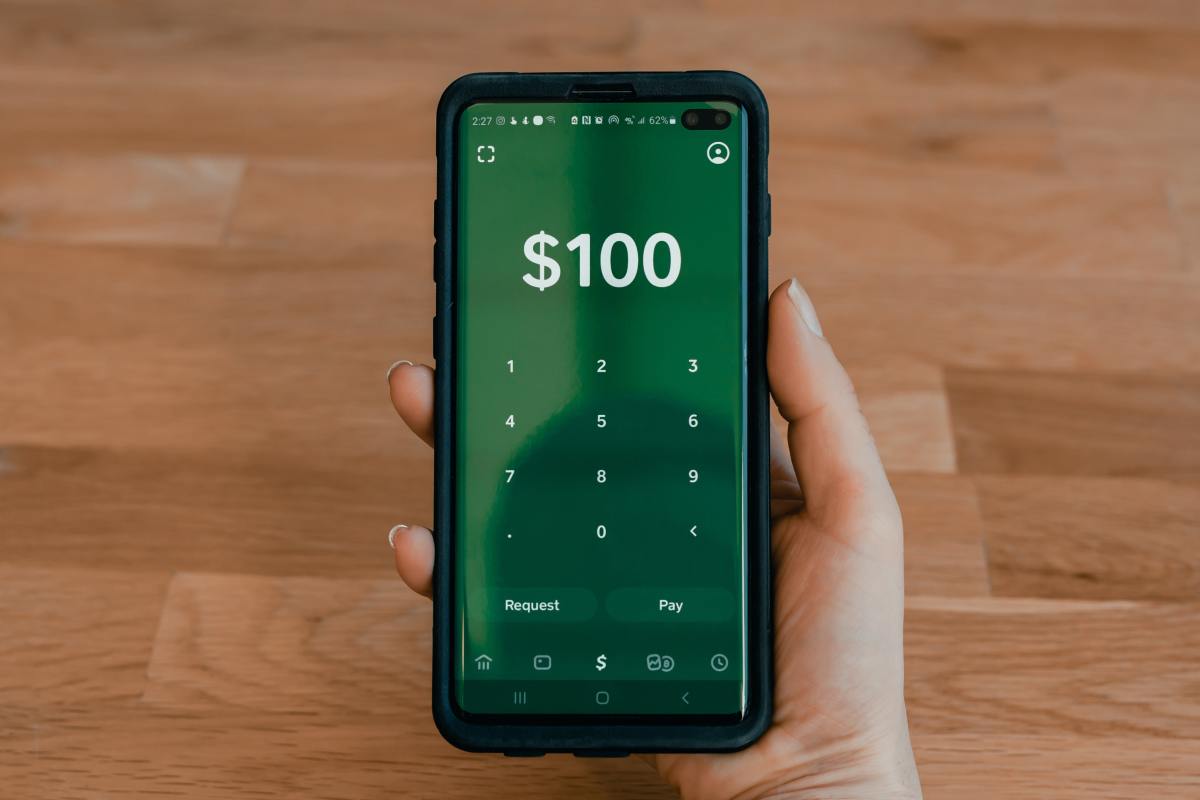
The primary utility of a $Cashtag lies in its ability to facilitate instantaneous and effortless money transfers. To send money to another Cash App user, you simply need their $Cashtag. There’s no need to ask for their bank account number, routing number, or even their full name and email address. This simplicity dramatically reduces friction in transactions, making it easy to split bills, send gifts, or pay for services on the fly. The process is intuitive: open Cash App, enter the amount, type in the recipient’s $Cashtag, and confirm. The recipient’s associated name (or display name) and profile picture often appear, allowing for a quick visual verification before finalizing the transfer, adding an extra layer of user-side security against typos. This ease of use is a critical factor in Cash App’s widespread adoption and its appeal as a modern financial tool.
Beyond Personal Payments: Business Applications
While initially popularized for peer-to-peer (P2P) payments, the utility of the $Cashtag extends significantly into the commercial realm. Businesses, sole proprietors, freelancers, and content creators have embraced $Cashtags as a straightforward method to receive payments from customers, clients, or supporters. For small businesses, it offers a low-cost, easy-to-set-up payment gateway without the complexities of traditional merchant accounts. Content creators can display their $Cashtag for donations or tips, directly monetizing their work with minimal overhead. This versatility demonstrates the $Cashtag’s robust technological design, allowing it to scale from casual personal exchanges to more formal commercial transactions, thus broadening its impact on the digital economy and facilitating new models of income generation and micro-payments.
Setting Up and Managing Your $Cashtag
The process of acquiring and maintaining a $Cashtag is designed to be user-friendly, allowing individuals to quickly integrate into the Cash App payment ecosystem. Understanding these steps is crucial for leveraging the full potential of the platform.
Initial Cashtag Creation
When a new user signs up for Cash App, one of the foundational steps involves selecting a $Cashtag. This process is typically guided, prompting the user to choose a unique identifier that will represent them on the platform. Cash App enforces certain rules for $Cashtag creation: it must be unique, contain at least one letter, and can be between 1 and 20 characters in length. While it can include numbers, it cannot contain symbols other than the ‘$’ prefix, which is automatically added. The system immediately checks for availability, ensuring that no two users share the same $Cashtag. This initial selection is a key moment in establishing a user’s digital financial identity within Cash App, defining how they will be found and paid by others. It’s a simple yet critical technological gatekeeper, ensuring order and uniqueness in a vast user base.
Customization and Modification
Life changes, and sometimes a $Cashtag chosen years ago might no longer feel relevant or professional. Cash App understands this and provides users with the option to customize or modify their $Cashtag. Typically, a user can change their $Cashtag a limited number of times, often once a week or every few weeks, though specific policies can vary. This flexibility is a valuable feature, allowing users to update their digital identity to reflect new names, branding, or personal preferences. However, it’s important to note the implications of such a change: anyone who has your old $Cashtag will no longer be able to find you, necessitating communication with frequent contacts. The old $Cashtag can also be claimed by another user after a certain period of inactivity following the change. This aspect highlights the importance of thoughtful consideration when selecting or modifying a $Cashtag, as it directly impacts your connectivity within the Cash App network.
Linking to Your Cash App Account
The $Cashtag is inextricably linked to your broader Cash App account, which in turn is connected to your bank accounts, debit cards, and potentially other financial instruments. When someone sends money to your $Cashtag, those funds are directed to your Cash App balance. From there, you can choose to keep the money in your Cash App balance for future transactions, use your linked Cash Card (Cash App’s debit card) for purchases, or transfer the funds to your external bank account. This seamless integration of the $Cashtag with the entire financial infrastructure of Cash App is a testament to its robust technological design. It ensures that the simple act of using a unique identifier translates into a fully functional and secure pathway for managing personal funds within the digital ecosystem.
Security and Privacy Considerations with Your $Cashtag
While the $Cashtag offers unparalleled convenience, understanding its security and privacy implications is vital. As with any digital financial tool, user awareness and best practices are crucial for safeguarding funds and personal information.
Public Visibility vs. Personal Data
When you share your $Cashtag, it’s important to understand what information is and isn’t exposed. Typically, when someone searches for your $Cashtag or prepares to send you money, they will see your chosen display name (which could be your full name, a nickname, or a business name) and your profile picture. This limited public visibility is a deliberate design choice by Cash App to balance ease of transaction with personal privacy. Your sensitive financial information, such as your bank account numbers, debit card details, home address, or social security number, remains strictly private and is never revealed through your $Cashtag. This architectural separation ensures that while your payment identifier is public, your underlying financial data is protected, allowing for open transactions without compromising deep personal security.
Preventing Scams and Fraud
Despite Cash App’s robust security measures, users must remain vigilant to prevent scams and fraudulent activities that can exploit the simplicity of $Cashtags. A common tactic involves scammers requesting money to an unfamiliar $Cashtag under false pretenses (e.g., claiming to be from customer support, offering fake prizes, or promising returns on investment). The key rule of thumb is: only send money to people you know and trust. Always double-check the recipient’s $Cashtag, display name, and profile picture before confirming any transaction. Be wary of unsolicited requests for money or information. Cash App transactions, once completed, are generally irreversible, making verification paramount. The technology provides the platform, but user diligence is the first line of defense against social engineering scams. Educating oneself on common fraud tactics is a critical aspect of secure digital financial engagement.
Reporting Suspicious Activity
Cash App implements various security features, including encryption and fraud detection algorithms, to protect its users. However, no system is entirely foolproof, and user action is sometimes required. If you encounter any suspicious activity, receive fraudulent requests, or believe your account has been compromised, it is crucial to report it immediately to Cash App support. The platform provides clear mechanisms within the app to flag unusual transactions, report fraudulent $Cashtags, or contact their support team directly. Prompt reporting not only helps protect your funds but also contributes to the overall security of the Cash App ecosystem by alerting them to emerging threats. Understanding these reporting pathways is an essential part of responsible use of the Cash App tag and its associated services, ensuring that the technological framework is supported by active user participation in maintaining a secure environment.
The Broader Impact and Future of Digital Payment Tags
The $Cashtag is more than just a feature; it’s an embodiment of the larger trends shaping the future of digital finance and person-to-person (P2P) payments. Its success points towards a future where financial interactions are increasingly simplified, global, and seamlessly integrated into our daily lives.
Streamlining Digital Finance
The introduction and widespread adoption of features like the $Cashtag represent a significant leap forward in streamlining digital finance. By abstracting away the complexities of traditional banking identifiers, the $Cashtag reduces the cognitive load on users and minimizes the potential for errors. Sending money becomes as intuitive as sending a text or an email, drastically lowering the barrier to entry for digital financial participation. This simplification has profound implications for financial inclusion, making digital payments accessible to a broader demographic, including those who may find traditional banking systems intimidating or cumbersome. The $Cashtag’s design prioritizes user experience, demonstrating how thoughtful technology can demystify finance and make it more manageable for everyone.
Evolving Payment Ecosystems
The $Cashtag is a powerful example of how mobile applications are driving the evolution of payment ecosystems. It reflects a clear shift towards mobile-first strategies where smartphones are not just communication devices but also indispensable financial tools. This trend extends beyond P2P payments to encompass retail purchases, bill payments, and even investment opportunities within single, integrated platforms. As digital identities become more robust and interconnected, we can anticipate further innovations where such tags might integrate with other digital services, creating a more cohesive and efficient digital economy. The $Cashtag, therefore, is a precursor to a future where our digital identities are intrinsically linked to our financial capabilities across multiple platforms and services.
User Experience and Accessibility
Ultimately, the success of the $Cashtag, and similar digital payment tags, is rooted in its ability to enhance user experience and accessibility. For users, it offers unparalleled convenience and speed. For developers, it presents a model for designing financial technology that is both powerful and approachable. By focusing on simplicity, security, and immediate utility, Cash App has made financial transactions less daunting and more integrated into everyday routines. This approach not only boosts user satisfaction but also accelerates the adoption of digital financial services globally, pushing us closer to a truly cashless and digitally native financial world where managing money is as easy as tapping a screen.
The $Cashtag, a seemingly small feature, encapsulates the enormous strides technology has made in simplifying and securing financial transactions. From its role as a unique digital identifier to its contribution to broader financial accessibility, it underscores the transformative power of well-designed software in shaping our economic interactions. As the digital landscape continues to evolve, the principles embedded in the $Cashtag – simplicity, security, and seamless integration – will undoubtedly continue to guide the innovation of future financial technologies. It stands as a testament to how intelligent application design can convert complex financial operations into intuitive, everyday actions, cementing its place as a vital component in the modern digital finance toolkit.
aViewFromTheCave is a participant in the Amazon Services LLC Associates Program, an affiliate advertising program designed to provide a means for sites to earn advertising fees by advertising and linking to Amazon.com. Amazon, the Amazon logo, AmazonSupply, and the AmazonSupply logo are trademarks of Amazon.com, Inc. or its affiliates. As an Amazon Associate we earn affiliate commissions from qualifying purchases.