
The often-overlooked yet critically important “case caption” serves as the formal heading of a legal document, providing an immediate snapshot of a legal proceeding. While seemingly a mere bureaucratic detail, for businesses and individuals committed to meticulous brand management and robust corporate identity, understanding the nuances of a case caption is indispensable. It is the official gateway through which an entity’s legal battles, partnerships, and public image are formally recorded and often first encountered, establishing a foundational layer of its legal identity within the public sphere. Beyond its administrative function, a case caption acts as a silent but potent identifier, reflecting the parties involved, the jurisdiction, and the specific nature of a dispute, all of which directly bear upon a brand’s formal presence and reputation.
The Strategic Role of a Case Caption in Corporate Identity
For any brand, whether a burgeoning startup or a multinational corporation, maintaining a consistent and accurate corporate identity is paramount. This extends beyond logos and marketing slogans to the meticulous details of legal documentation. The case caption is where a company’s formal legal identity is explicitly declared and recognized within the judicial system. It sets the stage for how a brand is perceived, not just by the court, but by any stakeholder accessing public legal records.
Defining Formal Legal Presence
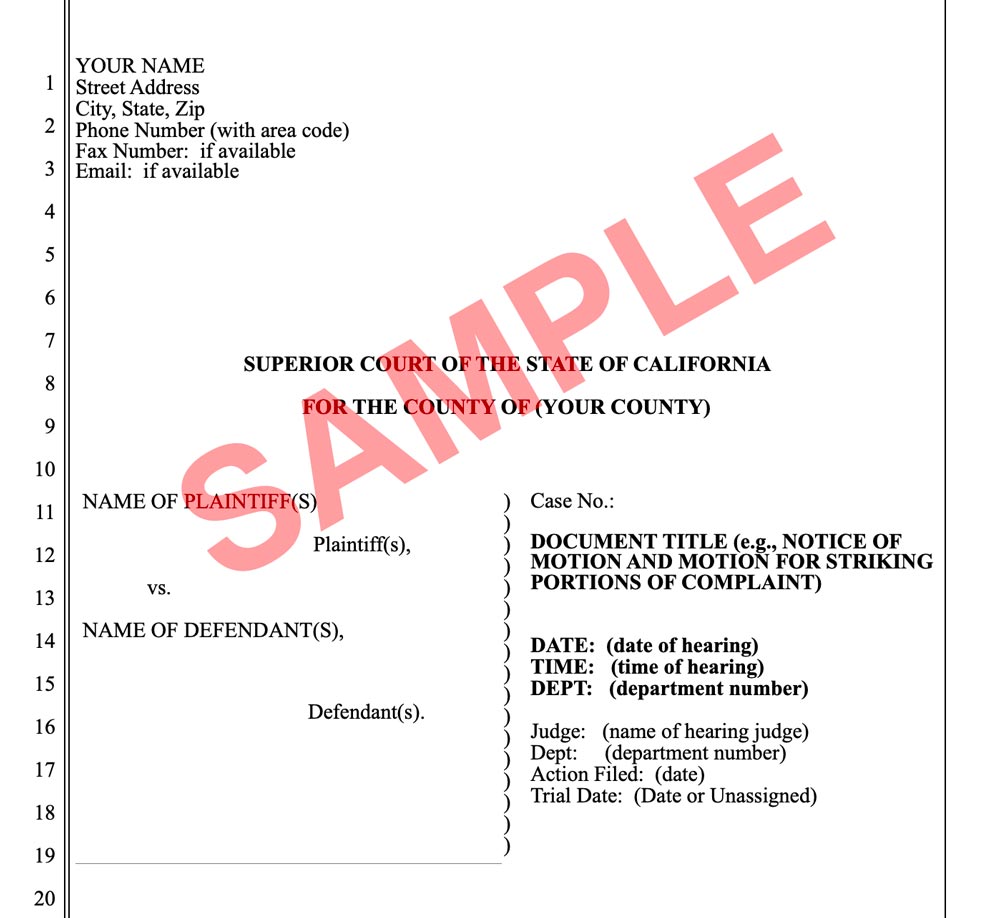
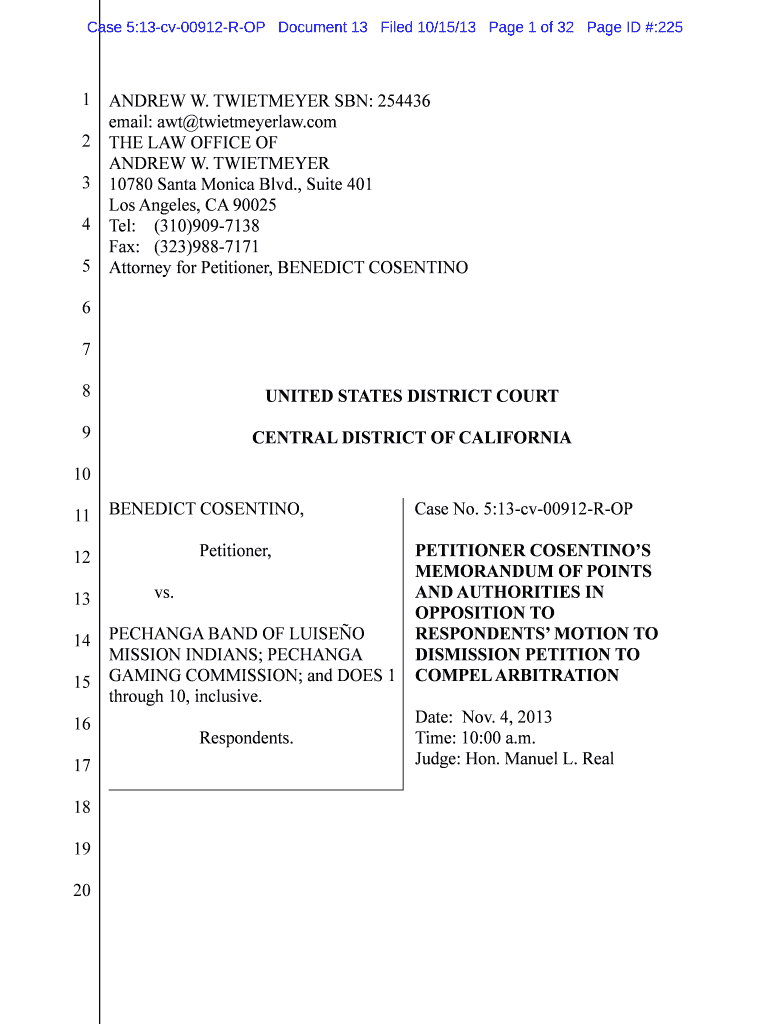
A case caption typically includes several key elements: the name of the court, the names of the parties involved, the case number, and sometimes the title of the document itself. For a corporation, the precise listing of its legal name, without abbreviations or colloquialisms, is crucial. This is not merely an adherence to legal protocol; it is an assertion of its formal existence and its standing within the legal framework. Any deviation or error can lead to confusion, delays, or even questions regarding the legitimacy of the entity’s involvement in a case. For example, a company officially registered as “Acme Corporation Inc.” being listed as “Acme Corp.” in a caption could, in some contexts, create an ambiguity that undermines its corporate identity or legal standing. Therefore, ensuring the exact corporate name is used consistently across all legal filings is a fundamental aspect of maintaining a cohesive and unambiguous corporate identity. This precision becomes particularly vital when a brand operates across multiple jurisdictions, each with specific requirements for corporate naming conventions in legal documents.
The Elements That Shape Perception
Each component of a case caption contributes to the overall perception of the involved parties. The identification of the court, for instance, immediately contextualizes the seriousness and scope of the legal matter. A case filed in a federal district court might signal a dispute of national significance or complex regulatory implications, potentially elevating the perceived risk or profile of the involved corporate brand. Conversely, a matter in a local small claims court carries a different weight.
Furthermore, the listing of parties is not just factual; it has reputational implications. Being listed as a plaintiff (the party initiating the lawsuit) versus a defendant (the party being sued) can subtly influence public and stakeholder perceptions of a brand’s proactive stance or reactive position. While these roles are often fluid and strategic, their immediate identification within the caption shapes the initial narrative. For brands heavily invested in public image, even the order of names or the specific wording used to describe their role can be a point of careful consideration, often reflecting broader brand strategy goals related to transparency, accountability, or assertiveness.
Protecting Your Brand: Case Captions as Indicators of Legal Exposure
In today’s interconnected world, legal proceedings are rarely confined to the courthouse. Public access to legal information means that case captions can quickly become the first point of contact for media, investors, competitors, and consumers seeking information about a brand’s legal entanglements. Therefore, understanding and managing the information presented in case captions is a critical component of brand protection and strategic due diligence.
Identifying Parties and Potential Reputation Risks
A case caption provides an instant overview of who is suing whom. For businesses, this offers an immediate red flag or reassurance regarding potential partners, acquisitions, or even competitors. If a due diligence team uncovers a prospective partner frequently listed as a defendant in significant litigation, the case caption serves as the primary identifier, signaling potential liabilities, operational issues, or ethical concerns that could reflect poorly on their own brand by association. The specific nature of the plaintiff (e.g., a regulatory body, an environmental group, a consumer class) combined with the defendant’s identity in the caption, can paint a clear picture of the types of legal challenges a brand faces, directly impacting its perceived stability and trustworthiness.
Conversely, a brand consistently appearing as a plaintiff in intellectual property infringement cases might project an image of vigilance and protection over its innovations, reinforcing its brand values of originality and integrity. The information gleaned from case captions, therefore, allows brand managers and legal teams to anticipate and mitigate potential reputational damage, formulate proactive PR strategies, and understand the legal landscape impacting their brand’s ecosystem.
Due Diligence and Corporate Vetting
Beyond reactive reputation management, case captions are invaluable tools in proactive corporate vetting. Before entering into a significant partnership, merger, or acquisition, robust due diligence requires a comprehensive legal review. Browsing public court records and focusing on case captions allows analysts to quickly identify all legal actions involving the target entity. This initial scan provides names of specific cases, the courts where they were filed, and the involved parties, creating a roadmap for deeper investigation.
For instance, a series of environmental lawsuits listed in a case caption for a manufacturing company being considered for acquisition might signal significant liabilities and regulatory compliance issues that could tarnish the acquiring brand’s reputation post-merger. Similarly, if a key executive of a target company is frequently listed as a defendant in personal liability lawsuits, this information, identifiable through case captions, can raise questions about leadership integrity and ethical standards, factors crucial for the acquiring brand’s long-term reputation. Thus, the humble case caption becomes a powerful instrument in assessing legal risks, validating corporate ethics, and ensuring alignment with a brand’s core values before significant commitments are made.

Consistency and Accuracy: Upholding Corporate Identity in Litigation
Maintaining consistency and accuracy in legal filings, particularly within case captions, is not merely about procedural correctness; it is a fundamental aspect of upholding a brand’s corporate identity. In the complex landscape of litigation, any ambiguity or error regarding the identity of a corporate entity can have far-reaching implications, impacting everything from jurisdiction to enforcement.
Standardizing Entity Representation
For a multi-faceted brand with subsidiaries, joint ventures, and various operational entities, standardizing how each component is identified in legal documents is crucial. A brand might operate as “Global Tech Solutions Inc.,” but have various product lines or regional offices operating under related but distinct legal names, such as “Global Tech Software LLC” or “Global Tech Innovations (Europe) Ltd.” Each of these entities has its own legal identity and responsibilities.
The case caption must precisely reflect which specific legal entity is involved in a particular lawsuit. Errors here can lead to confusion about who is actually being sued or who has the authority to sue. Such discrepancies can result in motions to dismiss, challenges to service of process, or even a brand being held liable for the actions of a distinct, legally separate entity. Ensuring that legal teams, both in-house and external counsel, adhere to strict guidelines for entity naming in case captions safeguards against these pitfalls, reinforcing the integrity and clarity of the overall corporate structure and brand identity. This also extends to using consistent identifiers such as “f/k/a” (formerly known as) or “d/b/a” (doing business as) when a brand has undergone name changes or operates under trade names, providing a clear legal lineage.
The Ramifications of Discrepancies
Discrepancies in case captions can lead to significant legal and brand-related headaches. Legally, an incorrectly identified party might argue that they were never properly named or served, potentially stalling proceedings or leading to the dismissal of a case. From a brand perspective, such errors can erode confidence among stakeholders. If a corporation cannot consistently and accurately identify itself in official legal documents, it can be perceived as disorganized, unprofessional, or even attempting to obfuscate its true identity.
Consider a scenario where a major brand is facing a product liability lawsuit. If the case caption incorrectly names a non-existent subsidiary or an outdated corporate name, it can prolong the legal process, incur additional costs, and potentially allow negative media coverage to fester while the identity issue is resolved. This prolonged exposure under a cloud of confusion directly impacts brand reputation, suggesting a lack of corporate governance or attention to detail. Therefore, vigilant oversight of case caption accuracy is not just a legal necessity but a strategic imperative for brand stewardship.
Managing Public Perception: Case Captions in the Digital Era
The digital age has fundamentally transformed how legal information, including case captions, is accessed and disseminated. No longer confined to dusty court archives, legal filings are often available online, making case captions a public-facing element of a brand’s legal journey. This increased accessibility demands a proactive approach to managing the public perception shaped by these brief but potent legal identifiers.
Accessibility of Legal Information and Brand Reputation
With searchable court databases and legal news aggregators, anyone with an internet connection can potentially find details about a brand’s legal cases. A prominent case caption listing a well-known company as a defendant in a high-profile lawsuit can swiftly become headline news, influencing public opinion, investor confidence, and even consumer behavior. The immediacy with which this information can be shared and discussed online means that the initial impact of a case caption can be profound and far-reaching.
For instance, a brief mention in a case caption about a data breach or an environmental violation, even before the merits of the case are argued, can trigger a flurry of negative online sentiment, impact stock prices, and erode trust. Brand reputation teams must be acutely aware that these formal legal identifiers are now part of the broader digital footprint of a brand. They are the initial data points that fuel narratives, both accurate and inaccurate, across social media and news platforms.
Proactive Strategies for Brand Management Teams
Given this reality, brand management teams should integrate an understanding of case captions into their broader digital reputation strategies. This involves several proactive steps:
Firstly, monitoring public court dockets for any filings related to the brand is essential. Early awareness allows for the development of strategic communications and crisis management plans before a story goes viral. If a brand knows it will be named in a significant lawsuit, it can prepare statements, educate internal stakeholders, and brief external partners, thereby controlling the narrative rather than reacting to it.
Secondly, training legal and communications teams to understand the public implications of legal filings is crucial. While legal documents are inherently formal, considering how the information in a case caption might be interpreted by a non-legal audience can help in shaping accompanying public statements or press releases.
Finally, ensuring factual accuracy and clarity in all public-facing aspects of a legal case, starting with the case caption, minimizes the risk of misinterpretation. Providing accurate context when discussing ongoing litigation helps to mitigate speculative or damaging narratives. By strategically managing the visibility and interpretation of case captions, brands can better navigate the complexities of public perception in the digital age, transforming a seemingly technical legal detail into a managed component of their broader brand narrative.
aViewFromTheCave is a participant in the Amazon Services LLC Associates Program, an affiliate advertising program designed to provide a means for sites to earn advertising fees by advertising and linking to Amazon.com. Amazon, the Amazon logo, AmazonSupply, and the AmazonSupply logo are trademarks of Amazon.com, Inc. or its affiliates. As an Amazon Associate we earn affiliate commissions from qualifying purchases.