
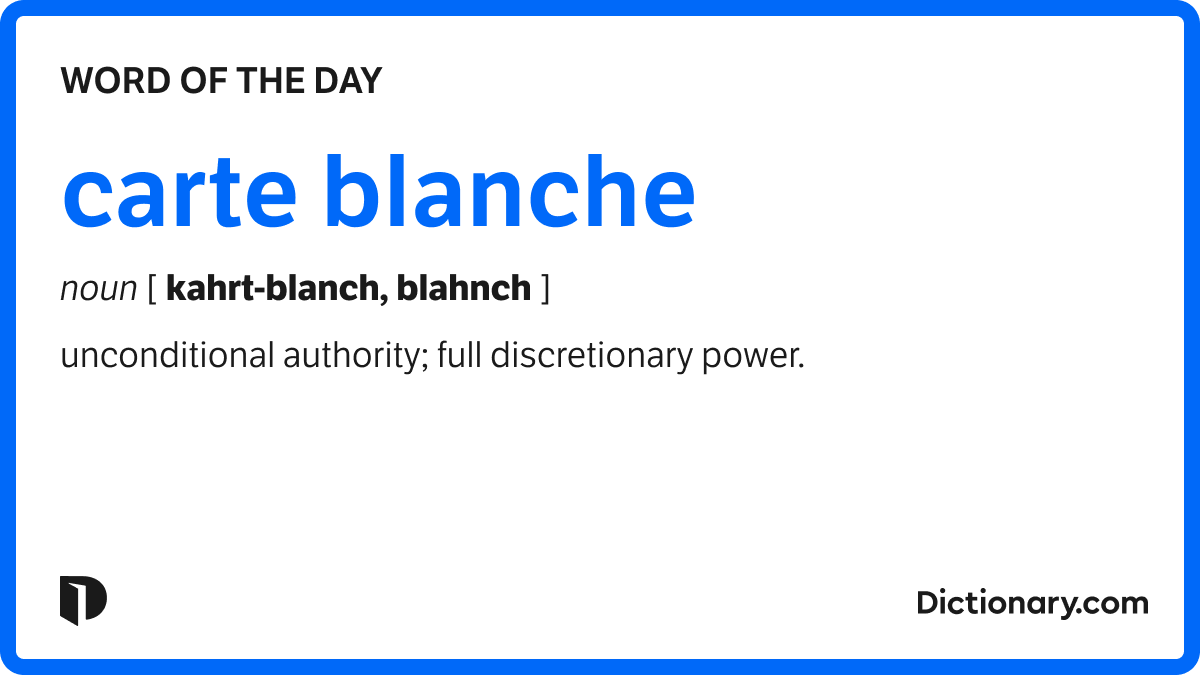
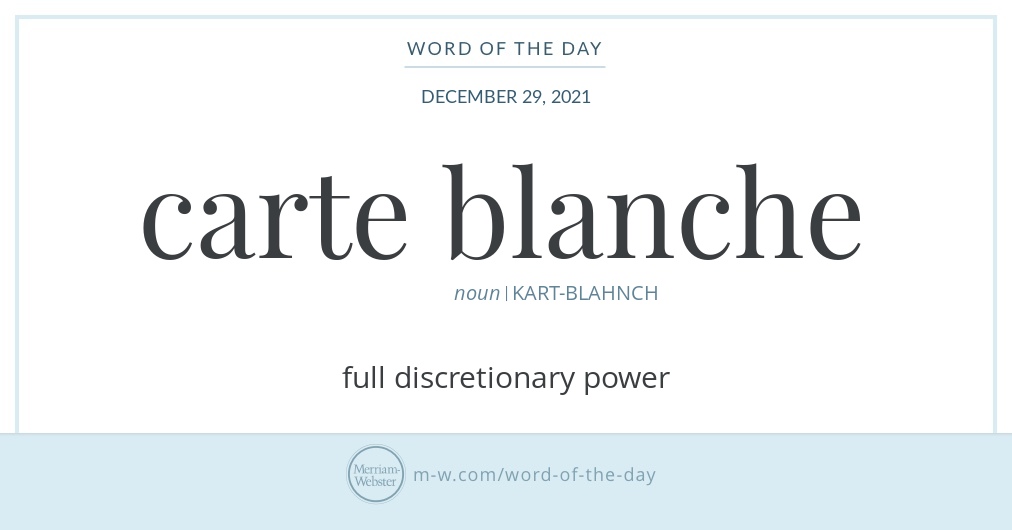
In the high-stakes world of global marketing and corporate identity, the term “carte blanche”—literally translating from French as “white card”—represents one of the most potent and polarizing tools available to a brand manager. To give someone carte blanche is to grant them full discretionary power; it is an invitation to create without the shackles of traditional oversight or the stifling boundaries of a 200-page style guide.
In the context of brand strategy, carte blanche is not merely an absence of rules; it is a strategic decision to prioritize raw innovation over rigid consistency. When a brand grants an artist, a creative director, or a subsidiary agency carte blanche, they are betting that the resulting breakthrough will outweigh the risks of deviating from the established corporate image. This article explores the nuances of the carte blanche approach, its strategic benefits, the inherent risks, and how it is reshaping the way modern brands interact with their audiences.
Understanding Carte Blanche in the Branding Context
At its core, a brand is a promise of consistency. Consumers return to brands because they know exactly what to expect. However, in an era defined by rapid cultural shifts and digital saturation, consistency can quickly turn into stagnation. This is where the concept of carte blanche enters the boardroom.
Defining the “Blank Check” of Creativity
In branding, carte blanche refers to a partnership or project where the external creator is given total authority over the visual and narrative output. Unlike a traditional creative brief, which might specify color palettes, tone of voice, and logo placement, a carte blanche brief is often a single sentence: “Show us your vision of our brand.”
This approach is most common in “drop” culture, high-fashion collaborations, and prestige marketing campaigns. By providing a “blank card,” the parent brand is essentially purchasing the cultural capital of the creator. They are saying, “Our brand is confident enough to be viewed through your unique lens.”
The Shift from Micro-management to Strategic Autonomy
Historically, corporate identity was guarded by “brand police”—internal teams dedicated to ensuring that every pixel and every word aligned with the central handbook. While this remains vital for operational stability, the rise of social media and influencer culture has necessitated a more flexible approach.
Strategic autonomy is the evolution of brand management. Instead of micro-managing every aesthetic choice, sophisticated brands now identify specific “innovation zones” where carte blanche is encouraged. This allows the brand to remain agile, tapping into subcultures and trends that a centralized corporate structure would likely miss or misinterpret.
The Strategic Benefits of Granting Creative Carte Blanche
Why would a billion-dollar corporation risk its hard-earned reputation by letting an outsider take the wheel? The answer lies in the unique advantages that only absolute creative freedom can provide.
Cultivating Authentic Visual Identities
One of the greatest challenges for established brands is appearing “authentic” to younger, more cynical demographics. When a brand tries to mimic a subculture, it often fails the “vibe check.” However, when that same brand gives a prominent figure within that subculture carte blanche to design a collection or lead a campaign, the authenticity is inherent.
The resulting visual identity is often jarringly different from the brand’s core aesthetic, which is exactly the point. It signals to the market that the brand is not a monolith but a living entity capable of evolution and self-reflection.
Fostering Innovation through Unrestricted Design
Constraints are often the enemy of true innovation. When designers are worried about “brand safety” or “alignment,” they tend to play it safe, leading to derivative work. Carte blanche removes the fear of failure. It allows for radical experimentation in typography, material usage, and storytelling.
Many of the most iconic design elements in modern branding were born from projects where the traditional rules were suspended. These “experimental lab” projects often yield insights that eventually trickle down into the core brand identity, modernizing the entire organization.
Strengthening Partnerships with External Agencies
For top-tier creative agencies, the promise of carte blanche is the ultimate incentive. It attracts the best talent and fosters a sense of shared ownership. When a brand trusts an agency with its most valuable asset—its identity—without reservation, the agency is motivated to produce work that is not just “satisfactory,” but legendary. This level of trust builds long-term loyalty and ensures that the brand remains at the forefront of the creative conversation.
Risks and Governance: When Absolute Freedom Meets Brand Standards

While the rewards are high, the risks of a carte blanche strategy are significant. Total freedom can lead to a total loss of identity if not managed with surgical precision.
Avoiding “Brand Drift”
The primary danger of carte blanche is “brand drift”—a phenomenon where a series of disconnected creative projects leave the consumer confused about what the brand actually stands for. If every collaboration looks and feels different, the “red thread” of the brand identity may snap.
To prevent this, carte blanche should be treated as an exception, not the rule. It is a tool for special editions, limited runs, and high-impact marketing, while the “Business as Usual” (BAU) operations remain anchored to the core brand guidelines.
The Importance of a Defined Sandbox
Even the most radical carte blanche project requires a “sandbox”—a set of ultimate boundaries that cannot be crossed. These are not aesthetic rules, but ethical and strategic ones. For example, a brand may grant a designer carte blanche over the visuals but stipulate that the work must not violate the brand’s sustainability commitments or core values.
Professional brand governance involves knowing where the sandbox ends. The goal is to provide enough room for the creator to play, while ensuring they don’t accidentally walk off a cliff that damages the corporate reputation permanently.
Case Studies: Successful Applications of Carte Blanche
Examining real-world examples helps illustrate how carte blanche functions as a sophisticated marketing and design strategy.
High-Fashion Collaborations and Limited Editions
The luxury sector is the undisputed master of the carte blanche. Consider the “LV²” collection by Louis Vuitton, where the late Virgil Abloh and Nigo were given significant freedom to merge their distinct styles with the classic LV monogram. By allowing these creators to “distort” the iconic logo, Louis Vuitton remained the most relevant brand in the world. They didn’t just sell clothes; they sold a cultural moment that was only possible because the corporate office stepped back and let the creators lead.
The “Artist Takeover” in Digital Marketing
In the digital realm, brands like Adobe and Apple frequently use carte blanche takeovers. By giving their social media feeds or website headers over to digital artists for a week, they demonstrate the power of their tools through the eyes of a master. The brand becomes the “canvas” rather than the “content,” a subtle but powerful shift in brand positioning that emphasizes utility and empowerment over mere self-promotion.
Implementing a Carte Blanche Framework for Your Brand
If your organization is considering a carte blanche approach, it requires a shift in mindset from “control” to “curation.”
Setting Non-Negotiable Core Values
Before granting freedom, you must define the soul of the brand. What are the three things that, if removed, would mean the brand no longer exists? These are your non-negotiables. Once these are established, everything else—color, font, medium, tone—can be put on the table for reimagination. This ensures that even the most radical creative output still feels like it belongs to the same family.
Measuring Impact and ROI of Autonomous Projects
The success of a carte blanche project should not be measured by the same KPIs as a traditional direct-response campaign. Instead, focus on:
- Brand Sentiment: Has the perception of the brand shifted among the target audience?
- Earned Media: How much “buzz” did the project generate without paid amplification?
- Internal Inspiration: Has the project pushed the internal design teams to think differently?
By evaluating these metrics, brand managers can justify the “risk” of creative freedom to stakeholders and demonstrate the long-term value of strategic autonomy.
Conclusion
A “carte blanche” is more than just a blank check for creativity; it is a profound gesture of brand confidence. In an age where consumers crave authenticity and novelty, the ability to step back and allow fresh voices to redefine your identity is a competitive advantage.
By carefully selecting when and where to grant this freedom, and by ensuring that the brand’s core values remain the bedrock of every project, organizations can navigate the tension between consistency and innovation. In the end, the most successful brands are those that know exactly who they are—and are brave enough to let someone else tell their story.
aViewFromTheCave is a participant in the Amazon Services LLC Associates Program, an affiliate advertising program designed to provide a means for sites to earn advertising fees by advertising and linking to Amazon.com. Amazon, the Amazon logo, AmazonSupply, and the AmazonSupply logo are trademarks of Amazon.com, Inc. or its affiliates. As an Amazon Associate we earn affiliate commissions from qualifying purchases.