
In the expansive world of audio engineering, few terms are as fundamental yet as misunderstood as “cardioid.” For podcasters, musicians, streamers, and sound engineers, understanding microphone polar patterns is the difference between professional-grade audio and a cluttered, noisy mess. Among the various pickup patterns available—omnidirectional, bidirectional, and shotgun—the cardioid microphone stands as the industry standard for general-purpose recording.
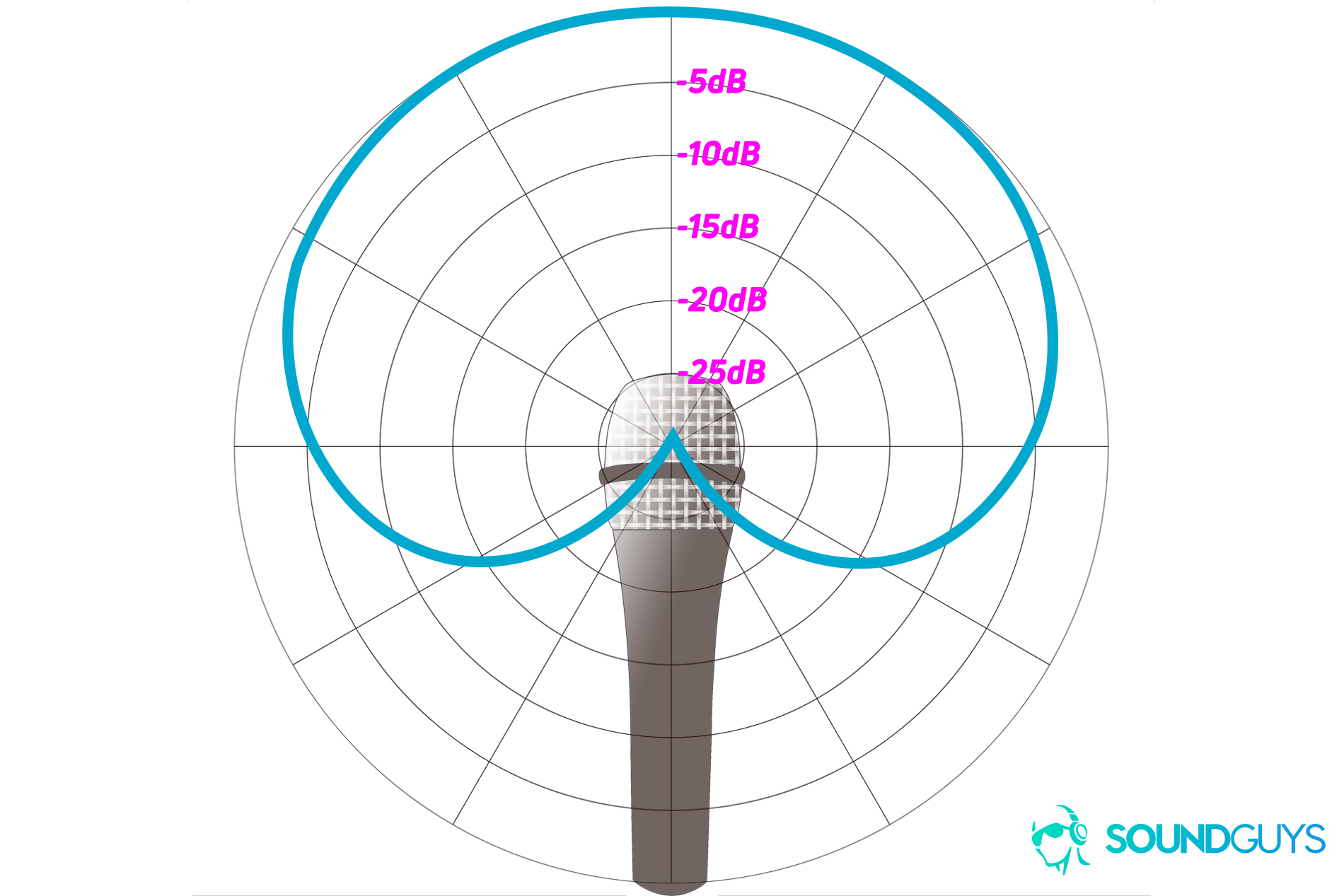
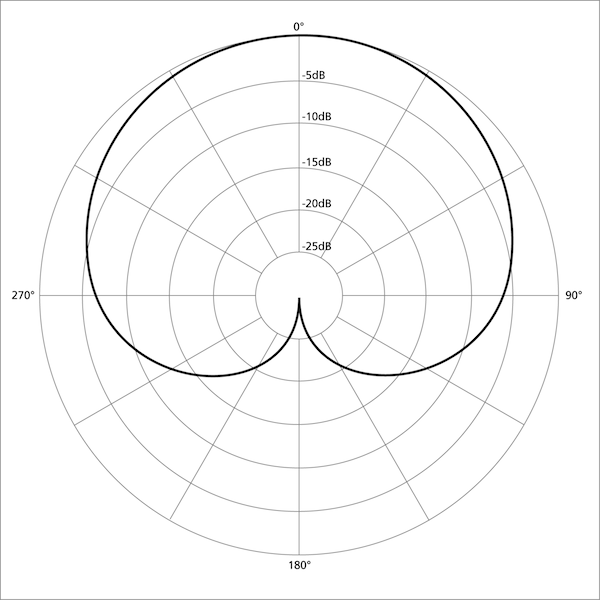
At its core, a cardioid microphone is a directional transducer designed to capture sound primarily from the front, while significantly rejecting audio originating from the rear. The term “cardioid” is derived from the Greek word for “heart,” which describes the shape of the microphone’s sensitivity pattern on a polar graph. If you were to visualize the sensitivity of a cardioid microphone, it would resemble a heart, with the widest point of sensitivity at the front of the capsule and a “null point” at the back where the microphone is effectively deaf to incoming sound.
The Mechanics of Polar Patterns and Directional Sensitivity
To truly grasp why a cardioid microphone is the tool of choice for most recording environments, one must understand how acoustic energy interacts with the microphone capsule. Unlike omnidirectional microphones, which capture sound equally from all directions (360 degrees), a cardioid microphone employs a specific mechanical and acoustic design to achieve its directional characteristics.
Pressure Gradient Capsules
Most cardioid microphones are based on pressure gradient transducer technology. In these designs, the microphone diaphragm is exposed to sound waves from both the front and the rear. The housing of the microphone is engineered with specific ports or acoustic labyrinths that introduce a phase delay to the sound waves reaching the back of the diaphragm. By carefully timing how these waves cancel each other out, the microphone manufacturer creates a “zone of silence” behind the mic.
The Null Point
The most critical feature of a cardioid microphone is the 180-degree null point. Because the rear of the microphone is designed to phase-cancel sound waves arriving from the back, you can leverage this to your advantage. If you are recording a podcast with a noisy computer fan behind the microphone, positioning the microphone so that the rear of the capsule faces the computer can result in a significant reduction of that background noise. This ability to isolate the subject from the environment is what makes the cardioid pattern the cornerstone of studio and live-sound setups.
Practical Applications for Cardioid Microphones
Because the cardioid microphone is designed to prioritize the subject directly in front of it, it is remarkably versatile. Its ability to isolate the desired sound source while ignoring ambient room reflections makes it the primary choice for several high-stakes audio applications.
Podcasting and Voiceover
For the solo podcaster or voiceover artist, the primary goal is a clean, intimate sound that puts the listener right next to the speaker. Cardioid microphones are ideal here because they minimize the “room tone”—that unwanted reverb or echo caused by sound bouncing off hard surfaces in an untreated home studio. By keeping the sound source close to the front of the mic, the user achieves a high signal-to-noise ratio, ensuring that the voice is clear, crisp, and front-and-center.
Live Performance and Stage Vocals
In a live music environment, feedback is the arch-nemesis of a sound engineer. Feedback occurs when a microphone captures the amplified sound from the speakers and feeds it back into the system in a loop, resulting in an ear-piercing shriek. Because a cardioid microphone is deaf to sounds coming from the rear, placing the microphone behind the stage monitors allows for significantly higher gain before feedback occurs. This makes the cardioid dynamic microphone, such as the legendary Shure SM58, the industry standard for stage vocals worldwide.
Home Studio Recording
When recording acoustic instruments or vocals in a non-professional studio, you are often dealing with suboptimal acoustics. A cardioid microphone helps mitigate the limitations of your space by effectively “ignoring” the walls, ceiling, and floor. By directing the front of the mic toward the instrument or the singer, you capture the direct sound while keeping the reflections of the room to a manageable minimum.
Variations of the Cardioid Pattern
While the standard cardioid pattern is the most common, audio technology has evolved to provide variations that cater to specific environmental challenges. Understanding these nuances can help you select the right tool for your specific recording project.
Supercardioid and Hypercardioid
These patterns are tighter than standard cardioid, offering increased isolation and higher gain before feedback. They achieve this by narrowing the front pickup angle even further. While they offer superior isolation, they do introduce a small “lobe” of sensitivity at the very back of the microphone. This means a hypercardioid microphone is excellent for isolating a single snare drum in a kit but requires careful positioning to ensure that sound from behind the mic isn’t accidentally picked up.
Subcardioid (Wide Cardioid)
The subcardioid pattern sits somewhere between an omnidirectional mic and a standard cardioid. It has a wider pickup angle, which is useful when you want to capture a more natural, “room-filling” sound without the harsh isolation of a tight cardioid pattern. It is often used for ensemble recordings or when a more transparent sound is required.
Choosing the Right Microphone for Your Needs
When shopping for your first professional microphone, the technical specifications can be overwhelming. However, if you are looking to record speech, vocals, or individual instruments, a cardioid microphone is almost certainly the correct choice. When evaluating potential purchases, keep the following checklist in mind to ensure you get the best performance for your budget:
The Proximity Effect
One phenomenon inherent to most directional cardioid microphones is the “proximity effect.” This is an increase in low-frequency response as the sound source moves closer to the microphone. While this can make a voice sound rich, deep, and “broadcast-ready,” it can also become muddy if the speaker is too close. Professional audio setups often include a pop filter or a high-pass filter on the audio interface to mitigate the unwanted “thumping” of plosives (like ‘p’ and ‘b’ sounds) while preserving the natural body of the voice.
Dynamic vs. Condenser Cardioid
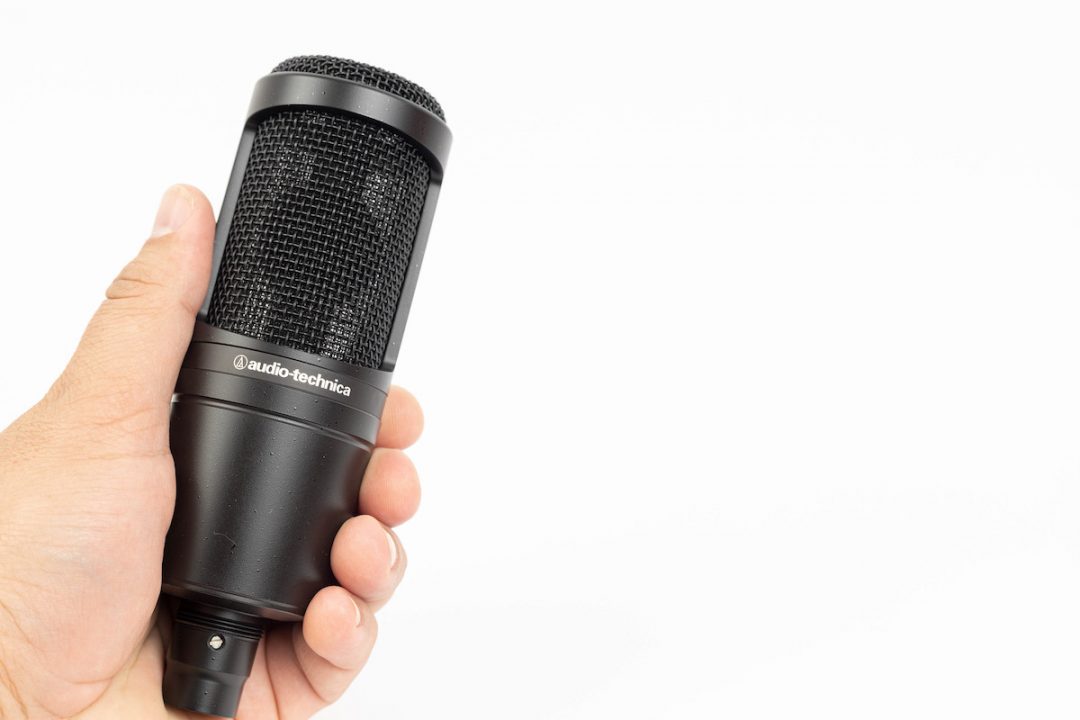
It is important to remember that “cardioid” describes the pattern, not the transducer type. You can buy both dynamic cardioid microphones and condenser cardioid microphones.
- Dynamic cardioid microphones are rugged, handle high volume levels well, and are less sensitive to ambient noise. They are perfect for untreated rooms or loud stage environments.
- Condenser cardioid microphones are more sensitive, capturing more detail and high-end frequencies. They require phantom power (48V) and are the preferred choice for studio vocals where detail and clarity are paramount.
Environmental Considerations
Always consider your recording environment before finalizing your gear. If you are recording in an untreated bedroom, a dynamic cardioid microphone will likely yield better results than a sensitive large-diaphragm condenser, simply because the dynamic mic is less likely to pick up the “clutter” of the room. Conversely, if you have a sound-treated booth, a condenser cardioid will provide the professional, airy quality heard in high-end commercial productions.
The cardioid microphone is not just a piece of hardware; it is the foundation of modern audio discipline. By mastering its directional nature and understanding how to place it relative to your sound source and your room, you gain full control over the sonic character of your work. Whether you are a YouTuber aiming for professional-grade voiceovers or an aspiring musician tracking your first demo, the cardioid pattern remains the most reliable, effective, and versatile tool in your arsenal.
aViewFromTheCave is a participant in the Amazon Services LLC Associates Program, an affiliate advertising program designed to provide a means for sites to earn advertising fees by advertising and linking to Amazon.com. Amazon, the Amazon logo, AmazonSupply, and the AmazonSupply logo are trademarks of Amazon.com, Inc. or its affiliates. As an Amazon Associate we earn affiliate commissions from qualifying purchases.