
In an increasingly interconnected world, where digital data fuels everything from e-commerce to urban planning, the unassuming postal code stands as a crucial piece of infrastructure. While often thought of as merely a system for sorting physical mail, the Canadian postal code – a distinct alpha-numeric identifier – plays an indispensable role in the realm of technology. For developers, data scientists, logistics professionals, and even the everyday online consumer, understanding its structure, function, and digital applications is paramount. This article delves into the technological significance of the Canadian postal code, exploring its integration into software, its utility in data analytics, and its evolving role in the digital landscape.
Unpacking the Canadian Postal Code: A Unique Digital Identifier
The Canadian postal code is not just a sequence of numbers; it’s a sophisticated alpha-numeric system designed for precision, offering a level of specificity that has profound implications for digital applications. Unlike the purely numeric ZIP codes found in the United States, Canada’s system offers unique advantages in data indexing and geographical mapping.
The Alpha-Numeric Structure: More Than Just Numbers
A Canadian postal code consists of six characters, forming an “A1A 1A1” pattern, where ‘A’ represents an alphabetic character and ‘1’ represents a numeric digit. These six characters are divided into two parts by a space: the Forward Sortation Area (FSA) and the Local Delivery Unit (LDU).
-
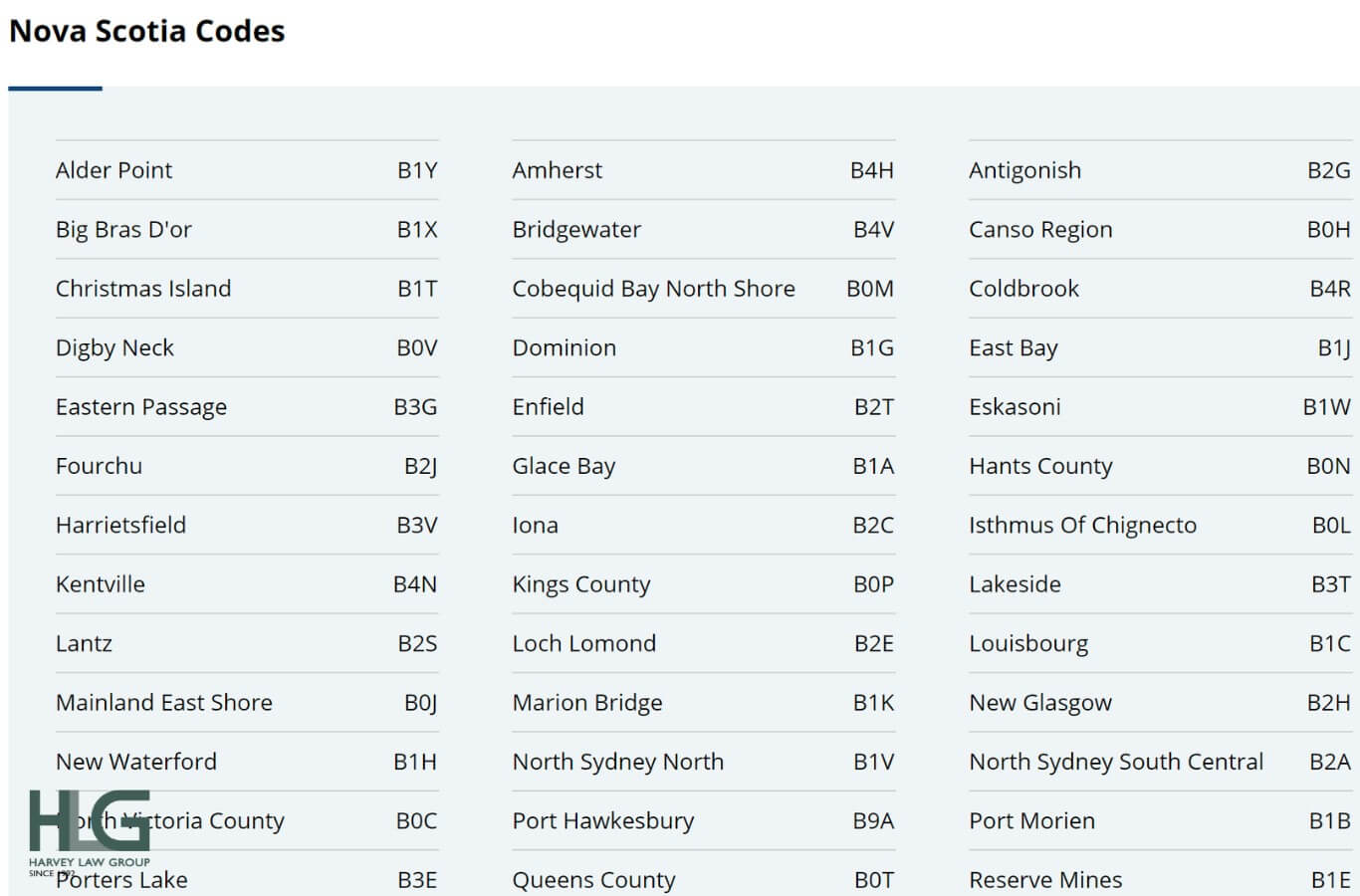
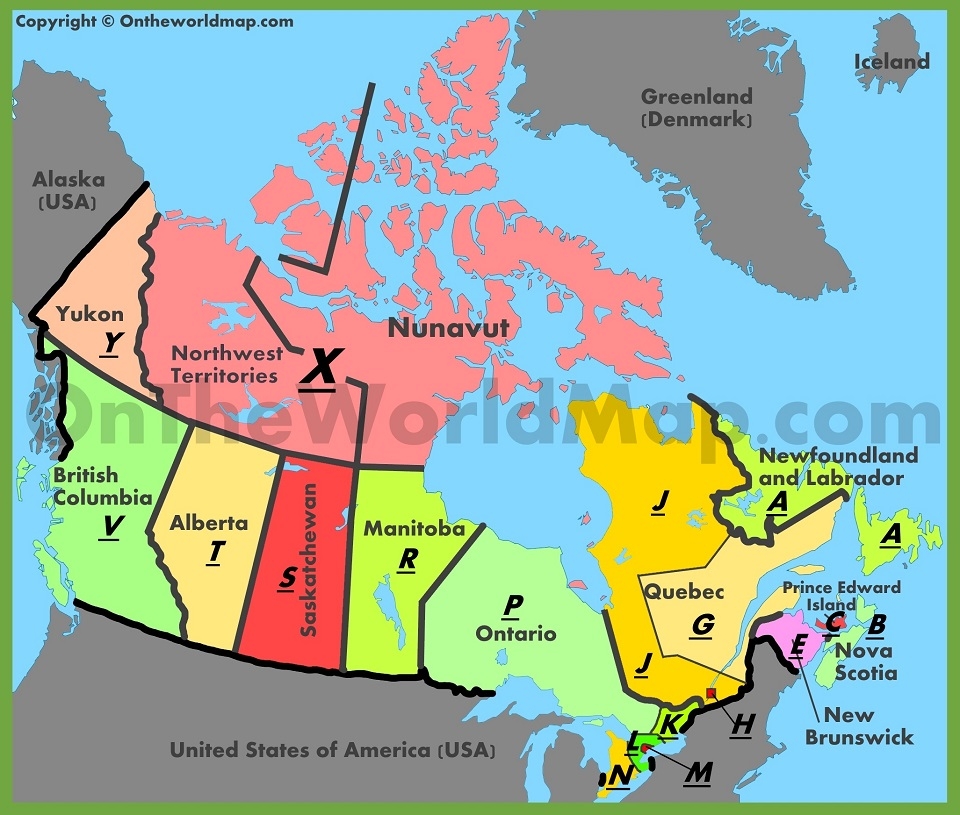
Forward Sortation Area (FSA): The first three characters (e.g., “M5V”) designate a specific geographic area within a province or territory, often corresponding to a large urban area, a section of a city, or a group of smaller communities. The first character of the FSA indicates the province or a major district within a province. For instance, ‘M’ represents Toronto, ‘V’ represents British Columbia, and ‘T’ signifies Alberta. This high-level geographic division is crucial for regional targeting and large-scale data aggregation.
-
Local Delivery Unit (LDU): The last three characters (e.g., “4A8”) identify a specific single address or a small group of addresses within that FSA. This could be a city block, a specific building, a rural route, or even a large institution. The LDU provides a granular level of detail, allowing for precise pinpointing of locations.
This alpha-numeric design provides a far greater number of unique combinations compared to a purely numeric system of the same length, enhancing its capacity to delineate smaller, more precise geographical areas. For software developers, this structure necessitates specific validation rules and parsing logic to ensure accurate data capture and processing.
Evolution from Physical Mail to Digital Gateways
While the Canadian postal code system was initially conceived in the 1970s by Canada Post to streamline mail sorting and delivery, its utility has expanded exponentially with the advent of the digital age. What began as a tool for physical logistics has transformed into a fundamental digital gateway, facilitating a myriad of online operations that extend far beyond mail delivery. From enabling precise location services to powering intricate data analytics, the postal code has become an indispensable element of our technological infrastructure. Its robust structure has allowed it to seamlessly transition from the physical realm into the core of digital logistics and information systems.
Why the Distinction Matters for Developers and Users
For anyone working with location-based data or developing applications that serve Canadian users, understanding the specific format and nuances of the Canadian postal code is critical. Incorrect assumptions, such as treating it like a US ZIP code (e.g., expecting only numbers, or assuming a 5-digit format), can lead to significant errors in address validation, shipping calculations, and data analysis. Developers must implement specific algorithms and validation libraries to correctly parse, store, and utilize Canadian postal codes, ensuring a seamless and error-free experience for users and robust data integrity for systems. This attention to detail is not just about compliance; it’s about building reliable, efficient, and user-friendly digital services that cater accurately to the Canadian market.
Powering E-commerce and Logistics: The Digital Backbone of Deliveries
In the digital economy, efficiency is king, and accurate location data is the cornerstone of seamless operations. Canadian postal codes serve as a critical digital backbone for e-commerce, logistics, and localized service delivery, ensuring that goods and services reach their intended destinations quickly and reliably.
Seamless Shipping and Address Validation
E-commerce platforms globally rely heavily on postal codes for an efficient checkout and delivery process. In Canada, this means incorporating systems that can accurately handle the A1A 1A1 format.
-
Real-time Validation: Online retailers integrate APIs (Application Programming Interfaces) that validate postal codes against authoritative databases provided by Canada Post or third-party mapping services. This ensures that customers enter valid codes, reducing shipping errors and returned packages.
-
Automated Shipping Calculations: Validated postal codes are used by shipping APIs to instantly calculate delivery costs, estimated transit times, and available shipping options based on the origin, destination, and package characteristics. This automated process is vital for providing transparency to customers and optimizing logistics for businesses.
-
Fraud Prevention: During checkout, the postal code provided by the customer is often matched against the billing address associated with their credit card. This simple but effective digital check helps prevent credit card fraud and unauthorized purchases, adding an important layer of digital security to online transactions.
Supply Chain Optimization: From Warehouse to Doorstep
Beyond the initial transaction, postal codes are fundamental to the intricate dance of modern supply chain management.
-
Route Optimization Software: Logistics companies use specialized software that processes vast amounts of postal code data to optimize delivery routes for fleets of vehicles. By grouping deliveries within the same or adjacent LDU and FSA areas, these systems minimize fuel consumption, reduce travel time, and increase the number of deliveries per route.
-
Warehouse and Inventory Management: For large distribution centers, postal codes can inform inventory placement strategies. High-demand products for specific FSAs might be stocked closer to shipping bays, streamlining the picking and packing process.
-
Predictive Analytics for Delivery Times: Leveraging historical delivery data linked to postal codes, logistics platforms can provide increasingly accurate estimated delivery times. This enhances customer satisfaction and helps businesses manage expectations and resources.
Geotargeting and Localized Services
The granular detail provided by Canadian postal codes makes them an invaluable tool for businesses aiming to connect with local customers in a digital space.
-
Local Store Finders: Websites and apps use a user’s entered postal code to display the nearest physical store locations, along with opening hours and contact information.
-
Location-Specific Promotions: Retailers can deploy targeted online ads or promotions based on the user’s inferred or entered postal code, ensuring that marketing efforts are relevant to their geographic area. For example, a winter clothing sale might be promoted more heavily in colder FSAs.
-
On-Demand Services: Food delivery apps, ride-sharing services, and local service providers (e.g., plumbers, electricians) use postal codes to define service areas, match customers with nearby providers, and calculate estimated service times, creating a truly localized digital experience.
Beyond Delivery: Data Analytics and Geographic Insights via Postal Codes
While postal codes are crucial for physical delivery, their true power in the digital age often lies in their capacity to unlock a wealth of data for analysis. When integrated with Geographic Information Systems (GIS) and big data platforms, Canadian postal codes become powerful tools for understanding populations, market trends, and urban dynamics.

Demographics and Market Segmentation
Tech companies and marketers leverage postal code data to paint detailed pictures of consumer segments, guiding strategic decisions.
-
Population Density and Distribution: By aggregating census data with postal code boundaries, analysts can map population density, identify growth areas, and understand the distribution of different age groups. This informs infrastructure planning and resource allocation.
-
Income Levels and Socioeconomic Status: Data providers often link average household income, education levels, and other socioeconomic indicators to specific postal codes. Marketers use this to segment audiences for targeted advertising, product development, and pricing strategies.
-
Consumer Behavior and Lifestyle: Analyzing purchasing habits, digital media consumption, and lifestyle preferences within particular postal code areas allows businesses to tailor product offerings, advertising messages, and customer experiences, creating hyper-personalized digital interactions. For instance, a tech gadget company might target FSAs with higher average disposable incomes.
Urban Planning and Resource Allocation
Government bodies and public services rely on postal code-driven data to make informed decisions about infrastructure, services, and public safety.
-
GIS for Public Services: Integrating postal code data into GIS platforms allows municipalities to map out public utilities, identify areas requiring new infrastructure (e.g., fiber optic cables, public transit routes), and optimize the placement of public facilities like schools, parks, and hospitals.
-
Emergency Response Planning: Emergency services use postal code data to pre-plan response routes, analyze incident frequency by location, and allocate resources efficiently. This helps in understanding disaster-prone areas or zones requiring higher levels of police or fire presence.
-
Public Health Initiatives: Health authorities use postal code data to track disease outbreaks, identify health disparities across different communities, and target public health campaigns effectively, for example, by distributing information about vaccinations to specific FSAs.
Service Area Definition and Optimization
Businesses and service providers use postal code data to strategically define and refine their operational territories.
-
Optimizing Retail Branch Networks: Banks and retail chains analyze customer demographics and competitor locations by postal code to decide where to open new branches or ATMs, ensuring maximum market penetration and service accessibility.
-
Defining Delivery Zones: For internet service providers or utility companies, postal codes help delineate service availability, allowing them to manage their network infrastructure and communicate service options accurately to potential customers.
-
Identifying Untapped Markets: By cross-referencing postal code data with competitor presence and demographic profiles, businesses can identify underserved or high-potential areas for expansion, driving growth strategies based on data-driven geographic insights.
Enhancing Digital Security and User Experience
In the digital realm, trust and ease of use are paramount. Canadian postal codes contribute significantly to both, serving as a tool for security verification while also streamlining the user journey on websites and applications.
Fraud Prevention and Identity Verification
The reliable geographic link provided by a postal code makes it a valuable asset in digital security protocols.
-
Secondary Verification Factor: Many online services, especially financial institutions, require a postal code as part of a multi-factor authentication process or during account creation. Matching the entered postal code with the address on file or the credit card billing address helps confirm the user’s identity and prevent unauthorized access or fraudulent transactions.
-
Risk Assessment: E-commerce platforms can flag transactions where the shipping postal code differs significantly from the billing postal code, or where multiple orders from different names originate from the same suspicious postal code, indicating potential fraud.
-
Compliance with KYC (Know Your Customer) Regulations: In sectors like finance and gambling, postal codes are a key piece of information for complying with KYC and AML (Anti-Money Laundering) regulations, ensuring that services are not provided to individuals in restricted areas or those engaging in illicit activities.
Streamlining Online Forms and Data Entry
A smooth user experience is critical for retaining customers and ensuring data accuracy. Postal codes play a role in making online interactions more efficient.
-
Predictive Text and Auto-fill: Many online forms use a postal code as a trigger for address auto-completion. Once the FSA or even the full postal code is entered, the system can suggest or pre-fill the city, province, and sometimes even the street name, significantly speeding up the checkout or registration process.
-
Error Prevention: By validating postal codes in real-time, digital forms can immediately alert users to incorrect entries, preventing submission errors and the frustration of having to re-enter information. This is particularly important for mobile users who may be prone to typos.
-
Localized Content Delivery: The postal code can be used to automatically set the user’s preferred language for a website (if applicable), display local currency, or show relevant local offers, enhancing the personalized feel of the digital experience without requiring manual selection.
Data Privacy and Ethical Use Considerations
While the utility of postal code data is undeniable, its use also raises important ethical and privacy considerations in the digital age.
-
Anonymization and Aggregation: To mitigate privacy risks, much of the postal code data used for analytics is anonymized and aggregated. Instead of linking specific individuals to their postal codes, data is often presented at the FSA or LDU level, showing trends and demographics without revealing personal identities.
-
GDPR and Canadian Privacy Laws: Companies collecting and processing postal code data must adhere to strict data protection regulations like Canada’s PIPEDA (Personal Information Protection and Electronic Documents Act) and potentially GDPR if dealing with European citizens. This includes obtaining consent, ensuring data security, and being transparent about how the data is used.
-
Balancing Utility with Individual Rights: The ethical challenge lies in maximizing the insights gained from postal code data for public good and business efficiency, while rigorously protecting the privacy rights of individuals. This often involves robust data governance frameworks and responsible data stewardship practices.
The Future Landscape: AI, IoT, and the Evolving Role of Location Data
As technology continues its rapid advancement, the Canadian postal code, or the concept of granular location data it embodies, is poised to play an even more sophisticated role, integrating with artificial intelligence, the Internet of Things (IoT), and potentially novel decentralized systems.
Hyper-Personalization and Predictive Analytics
The marriage of AI with location data promises a future of unprecedented personalization and predictive capabilities.
-
Anticipatory Services: AI algorithms, fed with historical data linked to postal codes and real-time user behavior, could predict individual needs or preferences. For instance, an AI could proactively suggest local services or products based on a user’s travel patterns within their FSA, or even pre-order groceries if they frequently purchase similar items at a specific store near their LDU.
-
Dynamic Resource Allocation: For businesses, AI could use postal code insights to dynamically allocate resources, optimize marketing spend down to a street level, or predict demand spikes in specific neighborhoods, leading to highly efficient operations.
-
Smart Infrastructure Adaptation: In smart cities, AI could use aggregated postal code-level data to adjust traffic light timings, manage public transport schedules, or even predict maintenance needs for infrastructure within specific zones, making urban environments more responsive and efficient.
IoT and Smart Cities: Real-time Location Intelligence
The proliferation of IoT devices will generate an explosion of location-specific data, making granular identifiers like postal codes even more critical for contextualizing and managing this information.
-
Connected Homes and Neighborhoods: Smart home devices could integrate with neighborhood-level data (derived from postal codes) to optimize energy consumption based on local weather patterns or coordinate with waste management services based on pickup schedules for an LDU.
-
Environmental Monitoring: IoT sensors deployed across various postal code areas can provide real-time data on air quality, noise pollution, or traffic congestion, allowing urban planners to identify problem zones and implement targeted interventions.
-
Automated Logistics and Autonomous Vehicles: As autonomous delivery vehicles and drones become more prevalent, precise location data, initially anchored by postal codes, will be essential for navigation, drop-off coordination, and ensuring secure deliveries to the correct LDU.
Blockchain and Decentralized Location Services
Emerging technologies like blockchain offer a glimpse into a future where location data might be managed in a more transparent, secure, and user-controlled manner.
-
Verifiable Location Proofs: Blockchain could enable decentralized systems where users can cryptographically prove their location (e.g., within a specific postal code) without revealing their precise coordinates to a central authority. This could be useful for age verification for online services or accessing geo-restricted content.
-
Enhanced Data Security and Integrity: Storing immutable records of location data or transactions associated with specific postal codes on a blockchain could increase trust and prevent tampering, especially in critical applications like supply chain tracking or land registries.
-
User-Centric Data Sharing: In a decentralized model, individuals might have more direct control over how and with whom their location data (even at a postal code level) is shared, fostering a new paradigm of privacy-preserving location intelligence.
In conclusion, the Canadian postal code is far more than a simple mailing address; it is a foundational digital identifier. Its unique alpha-numeric structure has enabled its seamless integration into the technological fabric of modern society, powering everything from efficient e-commerce logistics to sophisticated data analytics and robust digital security. As we venture further into an era defined by AI, IoT, and evolving digital landscapes, the humble postal code continues to prove its adaptability and indispensability, serving as a critical anchor in the vast sea of location-based information. Its journey from a physical sorting tool to a digital data cornerstone exemplifies how core infrastructure can evolve to meet the complex demands of the technological age.
aViewFromTheCave is a participant in the Amazon Services LLC Associates Program, an affiliate advertising program designed to provide a means for sites to earn advertising fees by advertising and linking to Amazon.com. Amazon, the Amazon logo, AmazonSupply, and the AmazonSupply logo are trademarks of Amazon.com, Inc. or its affiliates. As an Amazon Associate we earn affiliate commissions from qualifying purchases.