
In the rapidly evolving landscape of modern technology, precision is the silent engine of progress. From the high-definition displays on our smartphones to the complex algorithms driving autonomous vehicles, the reliability of these systems hinges on a fundamental process known as calibration. At its core, calibration is the act of comparing a measurement or a performance output against a known standard to ensure accuracy, consistency, and reliability.
In the tech sector, calibration is not a one-time setup but a continuous cycle of refinement. Whether it involves hardware sensors, software algorithms, or the training of artificial intelligence, calibration ensures that the digital world reflects the physical world with absolute fidelity. This guide explores the multi-faceted nature of calibration within the technology niche, examining how it stabilizes our hardware, optimizes our software, and empowers the next generation of AI tools.
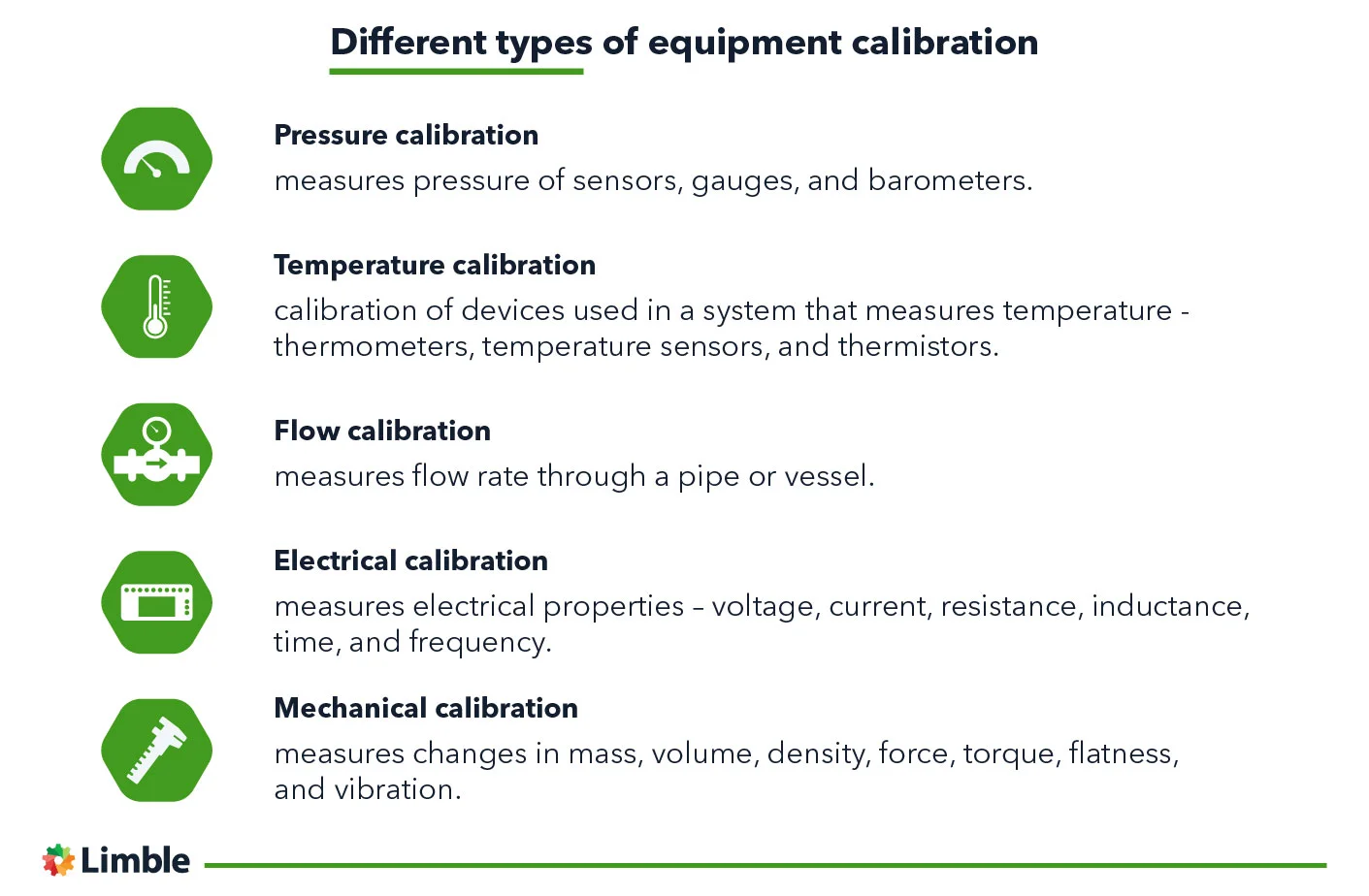
Hardware Calibration: Ensuring Physical Accuracy
The physical components of our technology—the hardware—are subject to environmental factors, wear and tear, and manufacturing variances. Hardware calibration is the process of adjusting these physical instruments to ensure their output matches a verifiable standard. Without this, even the most expensive gadgets become unreliable.
Display and Visual Calibration
For creative professionals, gamers, and even casual users, display calibration is perhaps the most visible form of technical alignment. Every monitor, laptop screen, and mobile display has a unique profile. Over time, the organic components in screens can “drift,” causing colors to shift toward warmer or cooler tones.
Calibration involves using a colorimeter or spectrophotometer to measure the light output of the screen and compare it against standard color spaces like sRGB or DCI-P3. By adjusting the gamma, white point, and color balance, users ensure that the red they see on their screen is the exact red that will appear in a print or on another calibrated device. In high-end tech reviews, “Delta E” scores are often used to measure this accuracy, where a lower number indicates a more perfectly calibrated display.
Sensor and IoT Calibration
In the world of the Internet of Things (IoT) and mobile hardware, sensors are the eyes and ears of the device. Accelerometers, gyroscopes, and GPS modules require precise calibration to function. For instance, when you rotate your phone to change the orientation of a video, the accelerometer is providing the data. If the sensor is uncalibrated, the device may lag or fail to recognize movement correctly.
Drones and autonomous robotics represent the pinnacle of sensor calibration. These devices rely on “Inertial Measurement Units” (IMUs). A drone must be calibrated to understand where “level” is relative to gravity. If the calibration is off by even a fraction of a degree, the flight controller will provide incorrect power to the motors, leading to “drift” or catastrophic failure.
Software and System Calibration: Optimizing Digital Performance
Calibration is not limited to physical components; it is equally vital in the digital architecture of software. In this context, calibration refers to the fine-tuning of system parameters to ensure that software behaves predictably and efficiently across various environments.
Battery and Power Management Calibration
One of the most common software calibration tasks involves battery management systems (BMS). Modern lithium-ion batteries are controlled by software that estimates the remaining charge. Over dozens of charge cycles, the software’s perception of the battery’s “full” and “empty” states can become desynchronized from the chemical reality of the battery cells.
Software calibration of a battery involves a full discharge followed by a controlled full charge. This allows the system’s power management firmware to recalibrate its “fuel gauge” logic. For tech-savvy users, this process prevents the common issue where a smartphone or laptop unexpectedly shuts down while the indicator still shows 5% or 10% remaining.
Network and Connectivity Calibration
As we move toward 6G and more complex Wi-Fi standards, network calibration becomes essential. This involves tuning the software protocols that handle data packet loss and signal interference. Routers and network adapters use “beamforming” technology, which must be calibrated to focus the signal toward connected devices rather than broadcasting it indiscriminately. This software-level adjustment ensures maximum throughput and minimum latency, which is critical for cloud computing and real-time digital communication.

Calibration in the Age of Artificial Intelligence
In the contemporary tech landscape, the term “calibration” has taken on a specialized meaning within the realm of Machine Learning (ML) and Artificial Intelligence (AI). In AI, calibration refers to the relationship between the predicted probability of an outcome and the actual frequency of that outcome.
Probability Calibration in Machine Learning
When an AI tool—such as a diagnostic tool or a digital security scanner—makes a prediction, it provides a confidence score. For example, a security AI might say there is a “90% probability” that a specific file is malware. A “well-calibrated” model is one where, out of all the times it predicts a 90% probability, the event actually happens 90% of the time.
Many modern neural networks are “overconfident.” They might predict a 99% probability for an event that only occurs 70% of the time. Tech developers use techniques like Platt Scaling or Isotonic Regression to recalibrate these models. This ensures that the “AI tools” we rely on for digital security and data analysis provide trustworthy, actionable insights rather than misleading certainties.
Fine-Tuning and Large Language Models (LLMs)
For Large Language Models, calibration is often part of the post-training process. Developers “calibrate” these models to ensure they stay within safety parameters and maintain a consistent “voice.” If an LLM is poorly calibrated, it may hallucinate facts or produce erratic responses. Through a process called Reinforcement Learning from Human Feedback (RLHF), developers calibrate the model’s outputs to align with human expectations of accuracy and tone, transforming a raw data processor into a sophisticated digital assistant.
The Importance of Regular Calibration Cycles
The tech industry operates on the principle of “Entropy”—the tendency for systems to move toward disorder. Calibration is the primary defense against this natural decline. Without regular calibration cycles, technical systems suffer from “drift,” leading to decreased efficiency and increased technical debt.
Preventing Technical Drift and Debt
Technical drift occurs when small, incremental errors accumulate over time. In a data center, if the cooling sensors drift by just one degree, the system may overcompensate, leading to thousands of dollars in wasted electricity. In software development, if an automated testing suite isn’t calibrated to the current production environment, it might yield “false positives,” leading developers to chase non-existent bugs while missing real vulnerabilities.
By implementing scheduled calibration, tech organizations can maintain a “High-Fidelity” environment. This proactive approach reduces the cost of repairs and ensures that systems remain compliant with industry standards, such as ISO certifications for data integrity and hardware safety.
Quality Assurance and User Trust
Ultimately, calibration is a matter of trust. When a user buys a high-end gadget or subscribes to a SaaS (Software as a Service) platform, they are paying for precision. A digital security app that fails to calibrate its threat-detection levels will either annoy users with constant false alarms or leave them vulnerable to real attacks.
In the competitive tech market, the brands that prioritize calibration are the ones that build long-term loyalty. They provide tools that work exactly as advertised, day after day. Whether it is the haptic feedback on a smartphone or the predictive text in an email client, the “feel” of quality is often just the result of meticulous calibration.
Conclusion: The Future of Automated Calibration
As we look toward the future of technology, the process of calibration is becoming increasingly automated. We are moving away from manual adjustments and toward self-calibrating systems. Modern cameras now use AI to calibrate white balance in real-time; cloud servers use machine learning to calibrate their own resource allocation based on predicted traffic patterns.
However, the fundamental principle remains the same: accuracy requires a benchmark. As long as we continue to push the boundaries of what is possible in tech—from quantum computing to the metaverse—calibration will remain the vital bridge between theoretical potential and practical reality. It is the discipline of precision that turns a collection of circuits and code into a reliable tool for human advancement. For any tech professional or enthusiast, understanding “what is a calibration” is the first step in mastering the digital tools that define our era.
aViewFromTheCave is a participant in the Amazon Services LLC Associates Program, an affiliate advertising program designed to provide a means for sites to earn advertising fees by advertising and linking to Amazon.com. Amazon, the Amazon logo, AmazonSupply, and the AmazonSupply logo are trademarks of Amazon.com, Inc. or its affiliates. As an Amazon Associate we earn affiliate commissions from qualifying purchases.