
The term “buy rate” is a fundamental concept in finance, appearing across various sectors from personal foreign exchange to complex business lending and merchant services. At its core, a buy rate represents the specific price or rate at which a financial institution or entity is willing to purchase a particular asset, service, or financial instrument from another party. It’s a critical figure that directly impacts profitability for businesses and the cost or value for individuals engaged in financial transactions. Understanding the nuances of buy rates is essential for making informed financial decisions, whether you’re a global traveler, a small business owner, or a seasoned investor.
The Core Concept of a Buy Rate
A buy rate is not a static, universal figure; rather, it’s a dynamic indicator shaped by market forces, risk assessments, operational costs, and the specific context of the transaction.
Defining “Buy Rate”
Simply put, a buy rate is the price a financial intermediary is prepared to pay to acquire something. This “something” could be a foreign currency, a merchant’s future credit card receivables, or even a loan product from a smaller lender. It is inherently linked to its counterpart, the “sell rate,” which is the price at which the same institution would sell that item. The difference between these two rates is known as the spread, representing the institution’s profit margin for facilitating the transaction.
For example, when you exchange currency, the bank’s buy rate is what they will pay you for your foreign currency, while their sell rate is what they charge you to give you foreign currency. This difference, the spread, is how they make money on the exchange.
Why Buy Rates Matter
The significance of buy rates cannot be overstated for several reasons:
- Profitability for Businesses: For entities like merchant service providers or wholesale lenders, securing favorable buy rates (i.e., a lower cost of acquisition) directly translates to higher profit margins when they subsequently sell or re-package those services to end-users. Conversely, businesses selling their services (like a retailer processing credit cards) want a high effective buy rate for their transactions (meaning lower fees).
- Costs for Individuals: When an individual engages in a transaction where they are “selling” something (e.g., exchanging foreign currency they possess), a lower buy rate means they receive less value. When they are “borrowing” money (where a bank is ‘buying’ their future payments), the underlying buy rate for the loan originator affects the interest rate they ultimately pay.
- Market Efficiency and Competition: Transparent and competitive buy rates foster a more efficient market. When consumers and businesses can compare rates easily, institutions are compelled to offer more competitive terms, benefiting the broader economy.
Buy Rates Across Different Financial Contexts
The concept of a buy rate manifests differently depending on the specific financial market or service.
Foreign Exchange (FX) Buy Rates
In foreign exchange, the buy rate is the rate at which a bank, currency exchange, or online platform will purchase a foreign currency from you, giving you your local currency in return. For instance, if you return from Europe with Euros, the bank’s buy rate will dictate how many U.S. dollars you receive for each Euro.
- Influencing Factors: FX buy rates are heavily influenced by global interbank rates, which reflect the real-time value of currencies traded between major banks. To this, financial institutions add their own spread to cover operational costs and generate profit. Market volatility, geopolitical events, economic data releases, and even the volume of the transaction can impact these rates.
- Practical Implications: Travelers and international businesses must pay close attention to FX buy rates. A small difference in the rate can mean a significant impact on the final amount received, especially for large sums.
Merchant Services Buy Rates (Credit Card Processing)
For businesses, particularly retailers, “buy rate” in the context of merchant services refers to the core cost a credit card processor charges them to “buy” and process a credit or debit card transaction. This isn’t a single fee but a complex structure of charges.
- Components: This buy rate is primarily composed of:
- Interchange Fees: These are non-negotiable fees set by card networks (Visa, MasterCard) and paid to the card-issuing bank. They represent the largest component.
- Assessment Fees: Charged by the card networks themselves (e.g., Visa, MasterCard) for using their network.
- Processor Markup: This is the profit margin added by the merchant service provider for their services (authorization, settlement, customer support).
- Pricing Models: Understanding this “buy rate” often requires deciphering pricing models like interchange-plus (where interchange and assessment fees are passed through directly, with a clear processor markup), tiered pricing (which can obscure the actual costs), or flat-rate pricing.
- Impact on Businesses: The effective buy rate for credit card processing is a critical operational cost for businesses. High rates can significantly erode profit margins, especially for businesses with high transaction volumes or low-margin products.
Loan and Mortgage Buy Rates (Wholesale Lending)
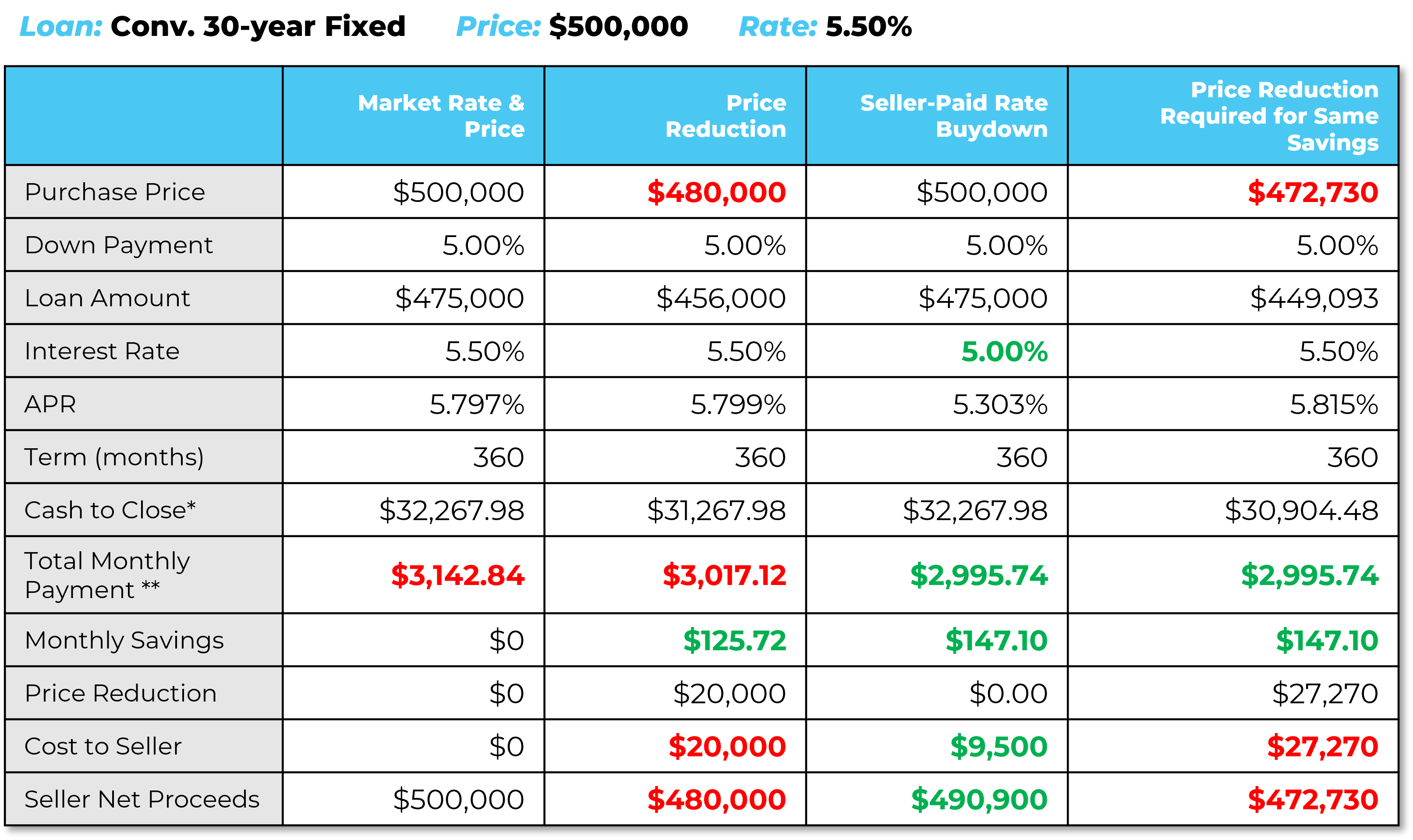
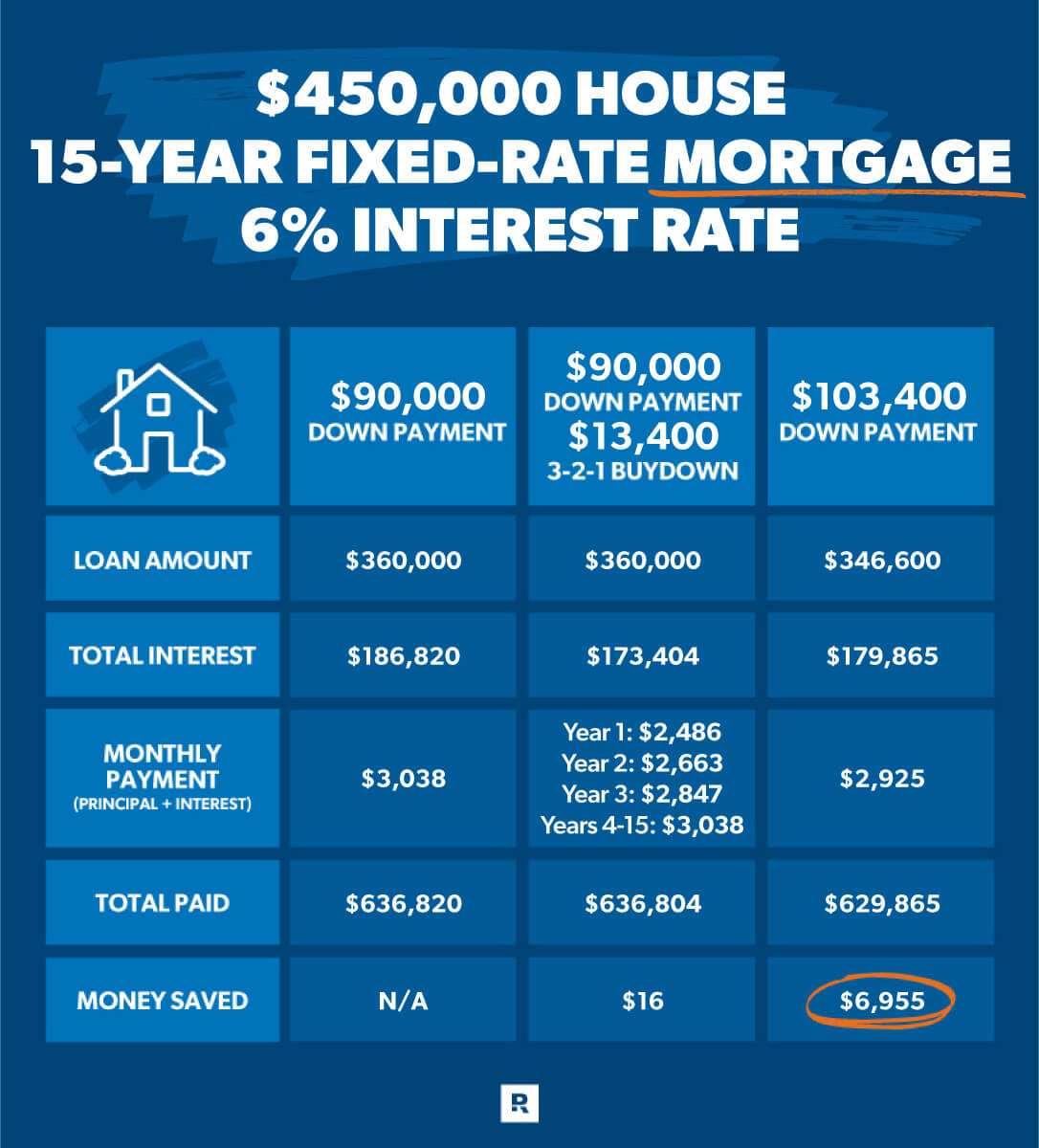
In the lending industry, particularly in wholesale mortgage or commercial lending, a “buy rate” refers to the rate at which a wholesale lender or investor will purchase a loan from a mortgage broker or a smaller correspondent lender. This is essentially the cost of the money for the entity originating the loan.
- Mechanism: A mortgage broker, for instance, doesn’t lend their own money. They originate loans and then sell them to wholesale lenders. The buy rate from the wholesale lender dictates the base interest rate the broker must achieve to make the loan attractive for sale. The broker then adds their own markup (known as their “yield spread premium” or simply “origination fee”) to this buy rate to arrive at the final interest rate offered to the consumer.
- Influencing Factors: These rates are primarily influenced by broader market interest rates (e.g., Federal Reserve rate changes), the creditworthiness of the borrower, the loan-to-value ratio, the type of loan, and the overall market demand for mortgage-backed securities.
- Consumer Impact: While consumers don’t directly see the “buy rate,” it forms the foundation of the interest rate they are quoted. A competitive wholesale buy rate allows lenders to offer more attractive rates to borrowers.
Factors Influencing Buy Rates
Several interconnected factors dictate how a buy rate is set and how it fluctuates.
Market Supply and Demand
The fundamental economic principle of supply and demand heavily influences buy rates. If there’s high demand from financial institutions to acquire a particular asset (e.g., a specific currency or loan type), they might offer a more competitive buy rate. Conversely, if there’s an oversupply of what’s being “sold,” the buy rate offered might be less favorable to the seller.
Interbank Rates and Benchmark Rates
For many financial products, particularly currencies and loans, buy rates are anchored to interbank rates (the rates banks charge each other for short-term lending) or benchmark rates like the Federal Funds Rate (in the U.S.) or SOFR (Secured Overnight Financing Rate). These foundational rates represent the base cost of capital for financial institutions, upon which all other rates are built.
Risk Assessment
Financial institutions are constantly assessing risk. The perceived risk associated with buying a particular asset or transaction directly impacts the buy rate:
- Credit Risk: For loans, the borrower’s credit score and financial stability are paramount. Higher credit risk typically results in a less favorable buy rate for the loan originator, translating to higher interest rates for the borrower.
- Market Risk: For currencies or securities, volatility and potential price swings introduce market risk. Higher market risk can lead to wider spreads and less favorable buy rates.
- Operational Risk: In merchant services, the risk of chargebacks or fraud can influence the buy rate offered to a business.
Operational Costs and Profit Margins
Every financial transaction involves operational costs—technology infrastructure, staffing, regulatory compliance, and marketing. Financial institutions build these costs, along with their desired profit margin, into the spread between their buy and sell rates. The buy rate will be adjusted downwards (for what they buy) or upwards (for what they sell) to ensure these costs are covered and profit is generated.
Volume and Relationship
The volume of transactions and the nature of the relationship between parties can also influence buy rates. High-volume merchants might negotiate better credit card processing buy rates. Large institutional clients often receive more favorable foreign exchange rates due to their significant transaction volumes and established relationships.
Understanding and Optimizing Your Buy Rate
Navigating the world of buy rates requires diligence and a proactive approach.
For Individuals (e.g., Currency Exchange, Borrowing)
- Shop Around: Never accept the first rate offered. Compare currency exchange rates from multiple banks, exchange bureaus, and online platforms. For loans, get quotes from several lenders.
- Understand the Spread: Be aware of the difference between the buy and sell rates. A seemingly good buy rate might be offset by a large spread elsewhere.
- Credit Score: For loans, maintaining an excellent credit score is crucial for accessing the most favorable interest rates, which are directly tied to the lender’s buy rate for that loan product.
- Timing: For foreign exchange, market conditions can shift quickly. If possible, monitor rates and transact when they are most favorable.
For Businesses (e.g., Merchant Services, Wholesale Lending)
- Negotiate: Don’t hesitate to negotiate with your merchant service provider or wholesale lender. Leverage your transaction volume or business history.
- Demand Transparency: Insist on a detailed breakdown of all fees and charges, especially for credit card processing. Understand the interchange-plus model to see true costs.
- Regular Review: Market conditions, your business volume, and available technology evolve. Regularly review your buy rates to ensure they remain competitive.
- Leverage Technology: Utilize financial tools and platforms that help compare rates, analyze statements, and identify potential savings or more favorable terms.
The Future Landscape of Buy Rates
The financial world is in constant flux, and the dynamics of buy rates are no exception.
Impact of Digitalization and Fintech
The rise of financial technology (fintech) has democratized access to financial services and increased transparency. Online platforms and digital banks often operate with lower overheads, leading to tighter spreads and more competitive buy rates for consumers and businesses alike. Automated rate comparison tools are making it easier for users to find the best possible rates, further driving competition.
Regulatory Scrutiny
Regulators globally are increasingly focused on protecting consumers and small businesses from opaque pricing and predatory practices. This scrutiny often targets areas like merchant services and lending, pushing for greater transparency in fee structures and clearer disclosure of underlying buy rates, ultimately aiming for fairer terms for the end-user.
Evolving Global Markets
Geopolitical shifts, emerging economic powers, and the introduction of new financial instruments continually influence currency valuations, interest rate policies, and investment opportunities. These global dynamics will continue to shape the factors that determine buy rates across all financial sectors, making continuous monitoring and adaptation essential for financial literacy and success.
aViewFromTheCave is a participant in the Amazon Services LLC Associates Program, an affiliate advertising program designed to provide a means for sites to earn advertising fees by advertising and linking to Amazon.com. Amazon, the Amazon logo, AmazonSupply, and the AmazonSupply logo are trademarks of Amazon.com, Inc. or its affiliates. As an Amazon Associate we earn affiliate commissions from qualifying purchases.