
In the expansive landscape of industrial process control and fluid management, the butterfly valve stands out as a fundamental component of mechanical engineering. Despite its seemingly simple design—a circular disk rotating on a central shaft—it represents a sophisticated evolution in flow control technology. Understanding the butterfly valve is essential for engineers, plant operators, and facility managers who demand efficiency, compact design, and reliability in their piping systems.
The Mechanical Fundamentals of Butterfly Valves
At its core, a butterfly valve is a quarter-turn rotational motion valve that is used to stop, regulate, and start fluid flow. Its name is derived from the way the internal disk, which is mounted on a rotating shaft, mimics the movement of butterfly wings as it pivots to open or close the flow path.

Design and Components
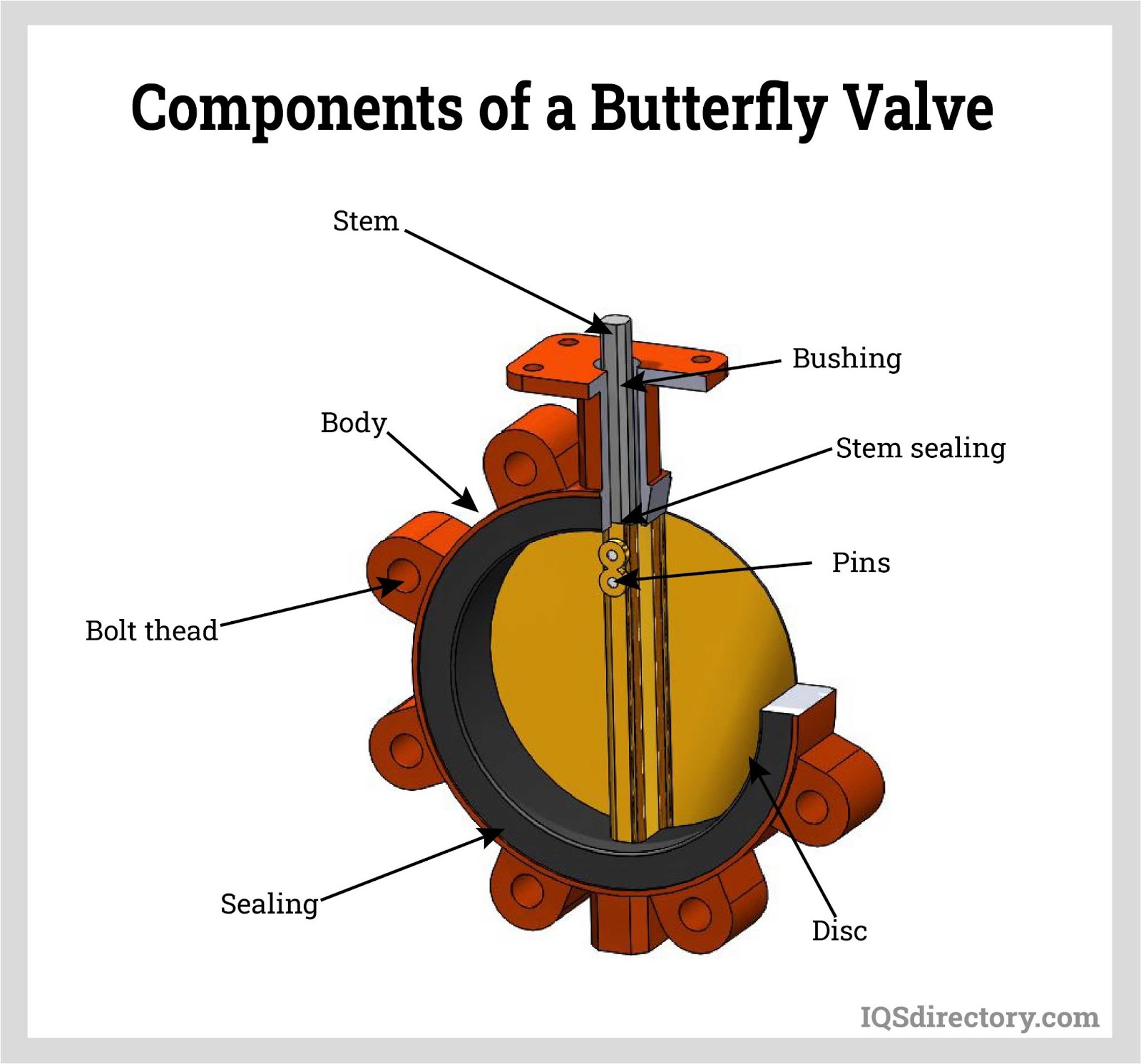
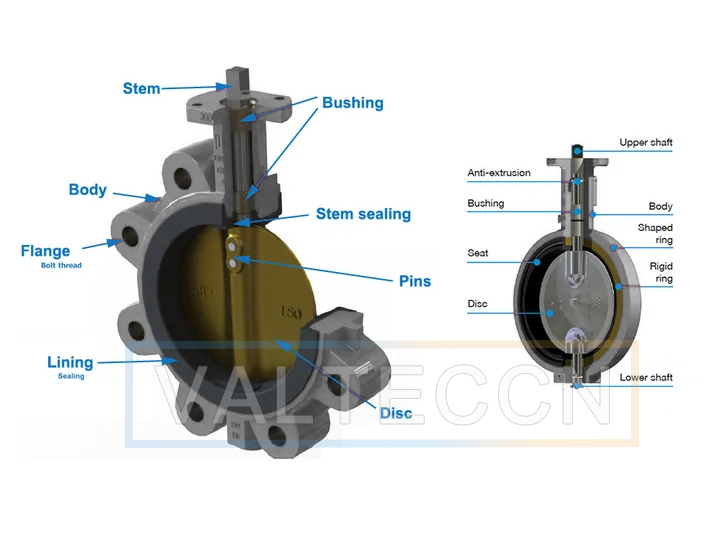
The architecture of a butterfly valve is characterized by its relative simplicity. The primary assembly consists of a body, a disk, a stem (or shaft), and a seat. Unlike gate or globe valves, which rely on linear motion to obstruct flow, the butterfly valve utilizes a disk that remains in the center of the pipe. When the valve is closed, the disk is turned to block the entire passage. When fully open, the disk is rotated a quarter turn, allowing fluid to pass through with minimal restriction.
The disk is connected to an external actuator or manual handle via a stem that passes through the valve body. Sealing is achieved through a resilient or metal-to-metal seat that ensures a tight closure against the disk edge. This streamlined construction makes the butterfly valve significantly lighter and smaller than its counterparts, such as ball or gate valves, which is a critical advantage in complex piping configurations.
Types of Sealing Configurations
One of the most important technical distinctions in butterfly valves is the offset design. A concentric (zero-offset) valve features a stem that aligns with the centerline of the disk and the seat. In contrast, eccentric or “high-performance” butterfly valves feature one, two, or three offsets. These offsets shift the stem away from the disk seat, allowing the disk to lift off the seat immediately upon opening. This design reduces friction and wear, significantly extending the service life of the valve and improving its ability to handle high-pressure and high-temperature applications.
Key Advantages in Industrial Applications
The widespread adoption of butterfly valves across diverse industries—ranging from water treatment to oil and gas—is not accidental. Their design offers distinct mechanical and economic advantages that align with the requirements of modern fluid control infrastructure.
Space Efficiency and Weight Savings
In large-scale industrial plants, space is often at a premium. Butterfly valves possess a wafer-style or lug-style body design, making them exceptionally compact. They occupy a very small “face-to-face” dimension compared to other valve types. This thin profile allows for easier installation in tight piping galleries and reduces the overall footprint of the system. Furthermore, because they are lighter, they place less structural strain on piping supports, which can lead to significant cost savings in materials and installation labor.
Speed and Ease of Operation
Because the valve only requires a 90-degree turn to transition from fully open to fully closed, it facilitates extremely rapid operation. This is particularly beneficial in emergency shutdown scenarios or in processes where frequent adjustments are required. The torque required to operate a butterfly valve is also relatively low, which translates into smaller, more affordable actuators. Whether operated manually with a lever or automatically via pneumatic, hydraulic, or electric actuators, the efficiency of this quarter-turn movement enhances overall system responsiveness.
Cost-Effectiveness
Manufacturing a butterfly valve involves fewer complex components than a gate or ball valve. This simplicity drives down the initial capital expenditure. Additionally, the maintenance requirements for a butterfly valve are generally lower due to the reduced number of moving parts. When a valve seat eventually wears down, the replacement process is often straightforward and less time-consuming, minimizing costly downtime during facility maintenance cycles.
Technical Considerations and Limitations
While butterfly valves offer numerous benefits, they are not a universal solution for every piping challenge. A deep understanding of their limitations is crucial for ensuring system integrity and preventing catastrophic failure.
Flow Turbulence and Pressure Drop
Because the disk of a butterfly valve is permanently located in the flow path—even when fully open—it creates a slight obstruction. This obstruction can induce turbulence in the fluid, which results in a pressure drop across the valve. For systems where maintaining pressure is vital or where the fluid contains debris that could catch on the disk, this design characteristic must be carefully considered. Engineers often calculate the “flow coefficient” (Cv) of a valve to determine how much flow restriction will occur and whether a different valve type, such as a ball valve, might be more appropriate for the specific application.
The Challenge of Cavitation and Choked Flow
In liquid applications, butterfly valves can be susceptible to cavitation if the pressure differential is high enough. Cavitation occurs when the pressure drop across the valve causes the liquid to vaporize, creating bubbles that implode and cause damage to the valve disk and seat. Similarly, in gas applications, high velocities can lead to aerodynamic noise and vibration. Managing these conditions requires proper valve sizing and the potential use of specialty disk profiles or diffusers designed to mitigate the kinetic energy of the fluid as it passes through the valve.
Materials and Sealing Integrity
The choice of materials is the primary determinant of a valve’s lifespan. The seat material, typically rubber or elastomer for low-pressure applications and metal or PTFE for harsh chemicals and high temperatures, must be chemically compatible with the media being transported. If the wrong seat material is chosen, the valve will experience premature degradation, leading to leaks that compromise both the process and the environment. Selecting the correct metallurgical alloy for the body and disk—such as stainless steel, carbon steel, or specialized bronzes—is equally important to combat internal corrosion and erosion.
Emerging Trends in Butterfly Valve Technology
As industry moves toward “Industry 4.0” and the digitalization of manufacturing, the humble butterfly valve is being transformed into an intelligent asset. This shift is redefining how facilities manage fluid systems and maintain uptime.
Integration with Smart Actuators
Modern butterfly valves are increasingly equipped with intelligent actuators that feature built-in sensors. These sensors can monitor parameters such as valve position, torque, vibration, and temperature in real-time. By feeding this data into a central SCADA or distributed control system (DCS), plant managers can perform predictive maintenance. Rather than replacing a valve based on a schedule, they can replace it based on actual wear, significantly reducing maintenance costs and preventing unexpected shutdowns.
Precision Control and Flow Modulation
Traditionally, butterfly valves were viewed primarily as “on-off” devices. However, advancements in actuator precision and disk design have allowed them to become effective control valves for throttling applications. By utilizing sophisticated positioners, butterfly valves can now provide highly accurate flow modulation across a wide range of degrees. This versatility allows facilities to consolidate their inventory by using the same valve type for both isolation and control, further simplifying supply chain management and spare parts storage.
Sustainability and Environmental Compliance
Environmental regulations regarding fugitive emissions are becoming increasingly stringent. Manufacturers are responding by engineering low-emission packing systems and high-integrity seals for butterfly valves. These improvements help prevent leaks of hazardous or volatile chemicals into the atmosphere, aligning with corporate sustainability goals and environmental compliance mandates. As the global focus on decarbonization and water conservation intensifies, the role of the butterfly valve in providing leak-free, reliable, and energy-efficient fluid control becomes more central to modern industrial strategy.
aViewFromTheCave is a participant in the Amazon Services LLC Associates Program, an affiliate advertising program designed to provide a means for sites to earn advertising fees by advertising and linking to Amazon.com. Amazon, the Amazon logo, AmazonSupply, and the AmazonSupply logo are trademarks of Amazon.com, Inc. or its affiliates. As an Amazon Associate we earn affiliate commissions from qualifying purchases.