
In the hyper-competitive landscape of the global fast-food industry, a name is rarely just a name. While competitors fight for market share through price wars and rapid-fire seasonal promotions, certain companies manage to carve out a permanent psychological real estate in the minds of consumers. They do this by elevating a single product from a menu item to a brand icon. One of the most successful examples of this phenomenon is the “ButterBurger.”
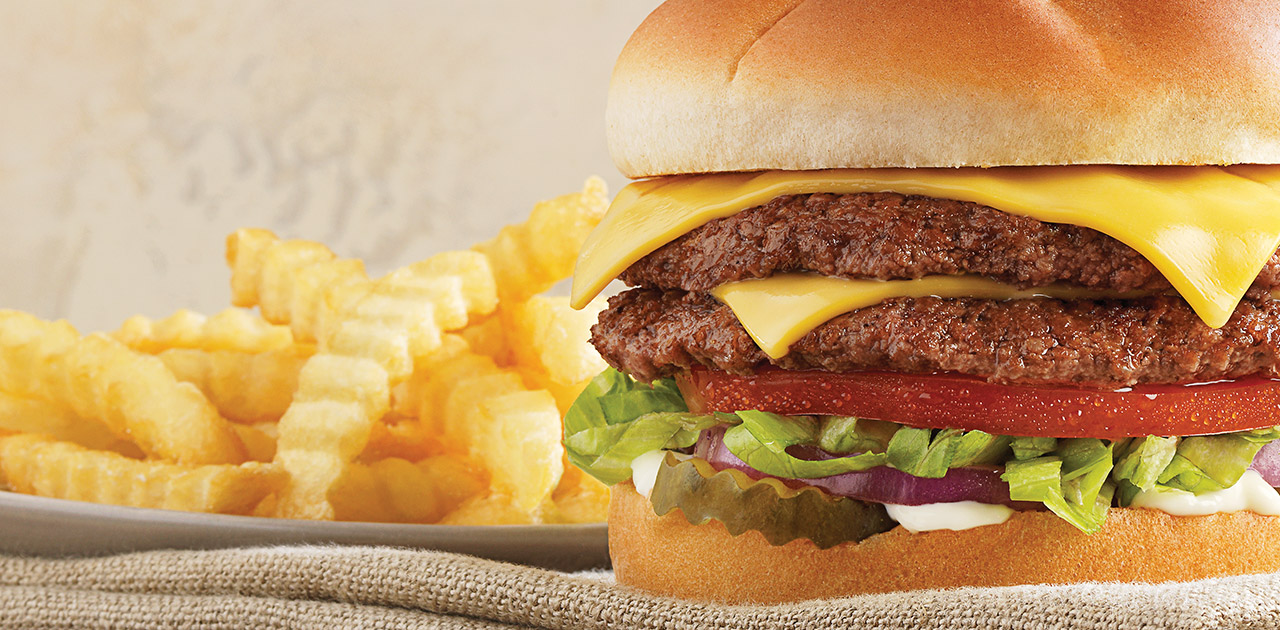
Technically, a ButterBurger is a fresh beef patty served on a lightly buttered and toasted bun—a staple of the Culver’s franchise. However, from a brand strategy perspective, it represents something far more complex: a masterclass in trademarking, sensory marketing, and market differentiation. To understand what a ButterBurger is, one must look past the ingredients and examine the strategic blueprint that allowed a regional favorite to become a national benchmark for brand identity.
The Anatomy of a Brand Anchor
At the core of every successful corporate identity is a “Brand Anchor”—a product or service that embodies the company’s values and serves as the primary entry point for the customer. For Culver’s, the ButterBurger is that anchor.
Defining the ButterBurger Identity
A ButterBurger is defined not just by what it is, but by what it represents in the consumer’s mind. In branding, “quality” is often a subjective term, but through consistent messaging, Culver’s has turned the ButterBurger into a synonym for “fresh, never frozen” and “made-to-order.” This identity is bolstered by the brand’s Midwestern roots, leaning into a narrative of wholesome, dairy-adjacent goodness that feels authentic rather than manufactured. By naming the product after its unique preparation method (the buttered bun), the brand immediately communicates a value proposition of indulgence and traditional craftsmanship that distinguishes it from the industrial feel of a “Big Mac” or a “Whopper.”
Sensory Branding and Consumer Perception
The ButterBurger serves as a sensory brand cue. In marketing, sensory branding refers to the use of sight, sound, and smell to build a stronger emotional connection. The name itself—”ButterBurger”—triggers a specific visceral response. It suggests a texture and a richness that a standard “cheeseburger” does not. When the physical product matches the mental image created by the name, it builds “Brand Trust.” This alignment between promise and delivery is why the ButterBurger has maintained its status as a premium fast-casual icon even as the market becomes saturated with “gourmet” burger options.
Strategic Differentiation in the Fast-Casual Market
In a world where almost every street corner offers a hamburger, the risk of “commoditization” is high. Commoditization occurs when customers view products as interchangeable, leading them to make decisions based solely on price. The ButterBurger is a strategic tool designed specifically to escape this trap.
Escaping the Commodity Trap
Most fast-food chains compete on speed and cost. By focusing the brand narrative on the ButterBurger, the strategy shifts the conversation from “How cheap is the meal?” to “How unique is the experience?” The specific preparation—the searing of the beef and the buttering of the bun—creates a “Point of Difference” (POD). In brand strategy, a POD is what makes a customer drive past three other burger joints to find a specific one. The ButterBurger is not just a burger; it is a proprietary experience that cannot be legally or conceptually replicated by competitors without looking like a direct imitation.
Trademarking as a Defensive Brand Shield
One of the most brilliant aspects of the ButterBurger is its legal status. Culver’s has successfully trademarked the term “ButterBurger.” This is a crucial element of corporate identity. By owning the name, they prevent competitors from using it in their marketing materials. This creates a “Moat” around the brand. Even if another restaurant serves a burger on a buttered bun, they cannot call it a ButterBurger. This exclusivity forces the consumer to associate the term—and the quality it implies—exclusively with one brand. It is a defensive strategy that turns a cooking method into an intellectual property asset.
The Psychology of Product Naming
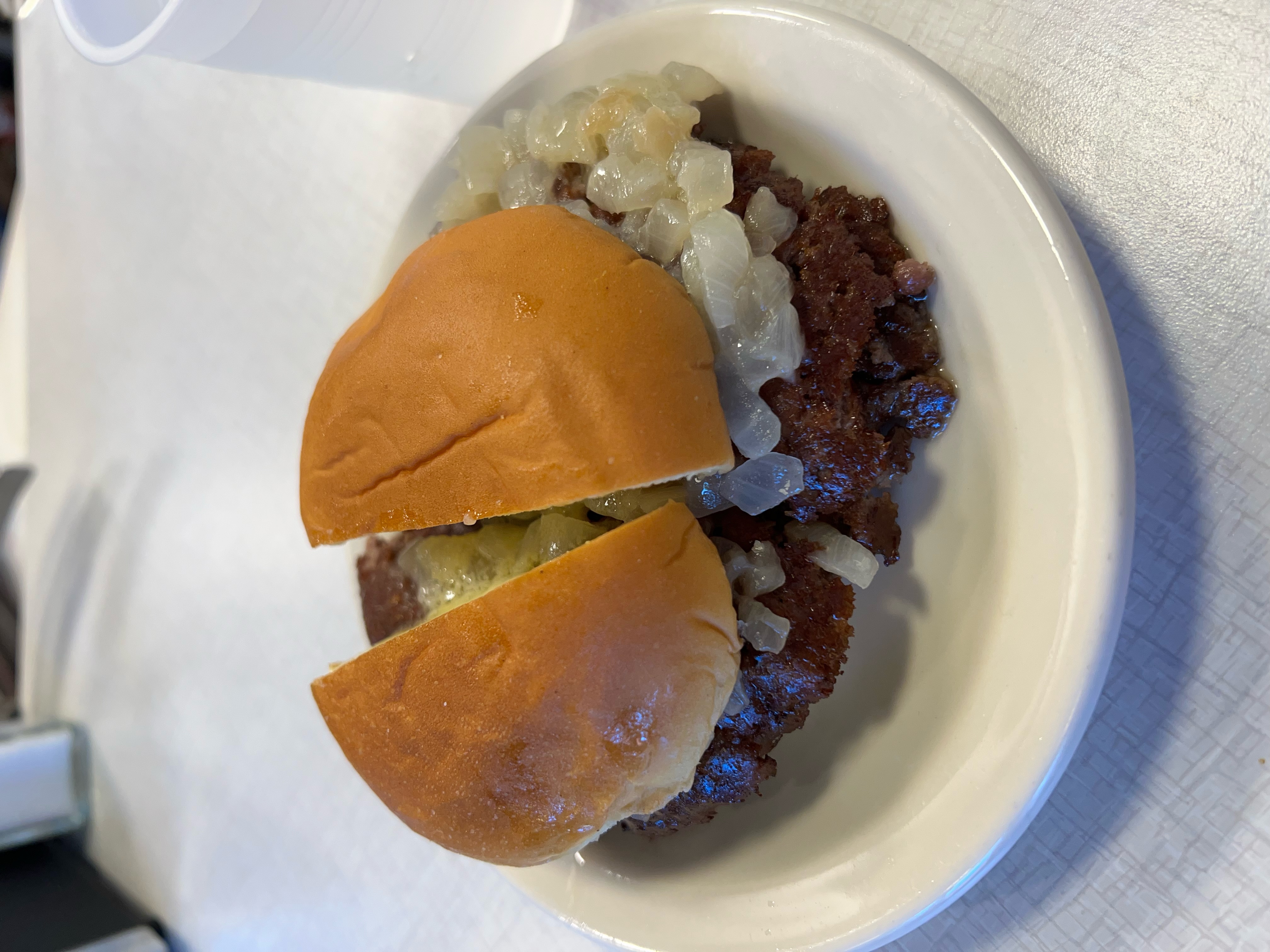
The effectiveness of the ButterBurger lies heavily in the psychology of its nomenclature. Naming a product is one of the most critical decisions in brand development, as the name serves as the “hook” for all subsequent marketing efforts.
Why the Name “ButterBurger” Works
From a marketing linguistics standpoint, the name is a “double-b” alliteration, which makes it easy to remember and satisfying to say. Beyond phonetics, the word “butter” carries a high-value brand association. In the American culinary consciousness, butter is associated with luxury, homemade quality, and flavor. By hyphenating this with “burger,” the brand creates a new category in the consumer’s mind. Instead of competing in the “Burger” category, they are the leaders of the “ButterBurger” category—a category where they are the only player.
Creating Emotional Resonance through Nomenclature
Effective branding moves beyond the rational and into the emotional. The ButterBurger name taps into nostalgia. It evokes the “Greasy Spoon” diners of the 1950s and the comfort food of the Midwest. For a brand looking to expand nationally, this emotional resonance is vital. It allows the company to export a “feeling” of local, small-town hospitality to urban centers and different geographical regions. The name acts as a storyteller, telling the customer that they are about to eat something that was prepared with care, rather than assembled on a conveyor belt.
Scaling the Brand Through Consistency
A signature product is only as good as its last iteration. For a brand to scale, it must ensure that the “ButterBurger experience” is identical in Phoenix, Arizona, as it is in Sauk City, Wisconsin.
Maintaining the Brand Promise Across Franchises
The challenge of franchising is the dilution of brand equity. If a customer has a sub-par ButterBurger at one location, the entire brand suffers. To combat this, Culver’s utilizes the ButterBurger as the centerpiece of their operational training. Every employee is trained on the specific “sear and seal” technique that defines the product. This operational rigor is, in itself, a form of marketing. When the product is consistent, the brand’s reliability becomes its greatest asset, leading to high “Customer Lifetime Value” (CLV).
Operational Excellence as Brand Equity
In the “Money” side of branding, equity is the value of the brand above and beyond its physical assets. The ButterBurger contributes to this equity by streamlining the supply chain and menu focus. By centering the brand on a core product, the company can optimize its procurement of high-quality beef and dairy. This focus allows for better margins and a clearer marketing message. Instead of trying to be everything to everyone, the brand says, “We are the home of the ButterBurger,” which simplifies the consumer’s decision-making process.
Lessons for Modern Marketers
The story of the ButterBurger offers several key takeaways for brand strategists and business owners looking to establish a dominant market presence.
Building Your Own “ButterBurger”
Every business, whether in tech, finance, or retail, needs its own version of a ButterBurger. This is the “Signature Offering” that defines the brand. To find it, a company must identify what it does better than anyone else and give it a name that is both descriptive and proprietary. The lesson here is to lean into your origins. Culver’s didn’t try to hide its Wisconsin roots; it turned them into a competitive advantage by highlighting the use of dairy.
Evolving the Narrative Without Diluting the Core
As brands grow, they often feel the pressure to innovate and change their identity. However, the ButterBurger illustrates the power of “Brand Stewardship”—the act of protecting and nurturing the core identity while allowing for peripheral growth. Culver’s has added salads, chicken, and seafood to its menu, but the ButterBurger remains the sun around which the rest of the menu orbits. For brand managers, the takeaway is clear: innovate your delivery, your marketing, and your technology, but never lose sight of the “Why” that your customers fell in love with in the first place.
In conclusion, a ButterBurger is much more than a culinary item. It is a strategic pillar that demonstrates how a well-executed brand identity can turn a simple product into a cultural icon. Through the clever use of trademarking, sensory appeal, and consistent operational execution, the ButterBurger has become a textbook example of how to build a brand that is both profitable and beloved. It serves as a reminder that in the world of business, the most powerful tool you have is not just what you sell, but how you name it, how you protect it, and how you make your customers feel about it.
aViewFromTheCave is a participant in the Amazon Services LLC Associates Program, an affiliate advertising program designed to provide a means for sites to earn advertising fees by advertising and linking to Amazon.com. Amazon, the Amazon logo, AmazonSupply, and the AmazonSupply logo are trademarks of Amazon.com, Inc. or its affiliates. As an Amazon Associate we earn affiliate commissions from qualifying purchases.