
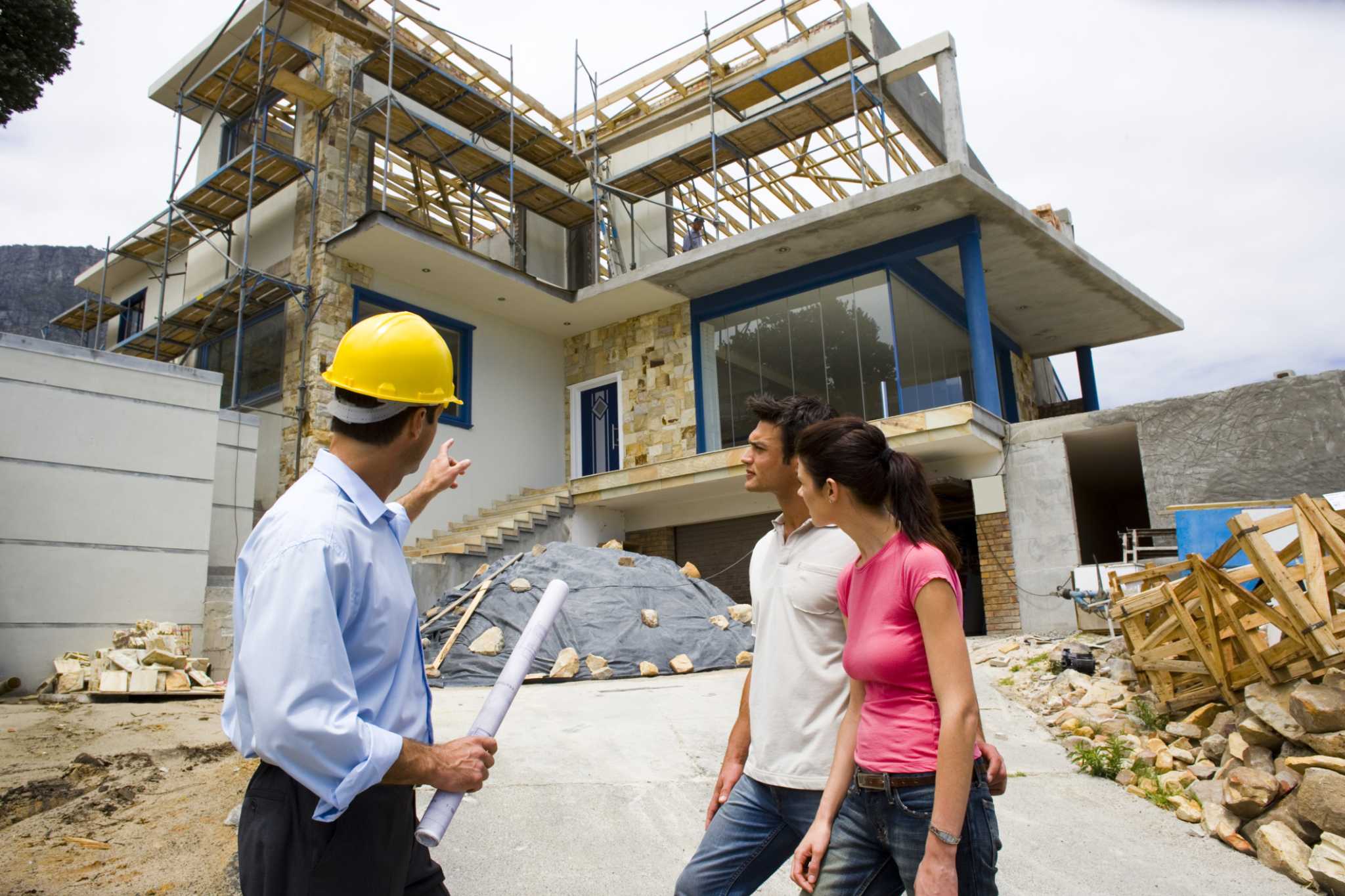
In the increasingly complex world of modern infrastructure, the role of a building engineer stands as a critical pillar, bridging the gap between innovative architectural vision and tangible, functional reality. Far more than just a designer or a builder, a building engineer is a multidisciplinary technologist, leveraging advanced software, sophisticated analytical tools, and cutting-edge systems to ensure the safety, efficiency, and sustainability of the built environment. Their expertise is deeply rooted in the application of scientific principles and technological advancements to craft structures that are not only aesthetically pleasing but also technologically sound, energy-efficient, and resilient.
The Technological Core of Building Engineering
At its heart, building engineering is a tech-centric discipline. Practitioners are frontline adopters and innovators of digital tools and systems that revolutionize how buildings are conceived, designed, constructed, and operated. This technological reliance defines the profession, allowing for precision, optimization, and foresight previously unattainable.
Digital Design and Modeling with BIM and CAD
The foundational technology for virtually every building engineer today is computer-aided design (CAD) and, more importantly, Building Information Modeling (BIM). CAD software, like AutoCAD, provides the digital drafting board, allowing engineers to create precise 2D and 3D representations of building components and systems. However, BIM, exemplified by platforms such as Autodesk Revit or ArchiCAD, takes this a significant step further. BIM is not merely a drawing tool; it’s a collaborative, intelligent, 3D model-based process that gives architecture, engineering, and construction (AEC) professionals the insight and tools to more efficiently plan, design, construct, and manage buildings and infrastructure.
BIM models integrate geometric data with non-graphic information, such as material specifications, performance characteristics, and cost data. For a building engineer, this means:
- Clash Detection: Identifying conflicts between structural, mechanical, electrical, and plumbing (MEP) systems before construction begins, saving immense time and cost.
- Performance Analysis: Simulating energy use, daylighting, and airflow within the model to optimize building performance.
- Lifecycle Management: Creating a digital twin that can be used for facility management throughout the building’s operational life.
Advanced Analytical Tools for Performance and Safety
Beyond basic design, building engineers rely on sophisticated analytical software to test and validate their designs against a multitude of environmental and operational factors. These tools are indispensable for ensuring safety, structural integrity, and optimal performance.
- Finite Element Analysis (FEA): Structural engineers use FEA software to model how various forces (like wind, seismic activity, and gravity) affect building elements. By breaking down complex structures into smaller, manageable “finite elements,” engineers can accurately predict stress, strain, and deformation, optimizing material use and ensuring safety.
- Computational Fluid Dynamics (CFD): For mechanical and environmental engineers, CFD software simulates fluid flow and heat transfer within and around buildings. This is crucial for optimizing HVAC (heating, ventilation, and air conditioning) systems, ensuring comfortable indoor air quality, managing smoke control in emergencies, and analyzing external wind loads on tall structures.
- Energy Modeling Software: Tools like eQUEST, IESVE, or EnergyPlus allow engineers to simulate a building’s energy consumption over its lifecycle, factoring in insulation, glazing, HVAC systems, lighting, and occupancy patterns. This enables the design of highly energy-efficient buildings, reducing operational costs and environmental impact.
Smart Building Systems and IoT Integration
The modern building engineer is increasingly responsible for integrating and managing smart building technologies. This involves deploying a network of sensors, actuators, and control systems, often connected through the Internet of Things (IoT), to automate and optimize building operations.
- Building Management Systems (BMS): These centralized control systems monitor and manage a building’s mechanical and electrical equipment, including HVAC, lighting, power systems, fire systems, and security. Building engineers design, program, and commission these systems to ensure they operate efficiently and provide a comfortable, safe environment for occupants.
- IoT Sensors and Data Analytics: From occupancy sensors that adjust lighting and temperature based on real-time usage, to predictive maintenance sensors that detect equipment faults before they occur, building engineers harness IoT data. This data is then analyzed to fine-tune building performance, reduce energy waste, and enhance occupant experience.
Specializations Driven by Technology
The broad field of building engineering often branches into specialized disciplines, each heavily reliant on unique technological applications and insights.
Structural Engineering and Computational Design
Structural engineers, a key type of building engineer, utilize powerful computational tools to design the skeletal framework of buildings. Beyond FEA, they engage in parametric design and generative design, where algorithms explore numerous design possibilities, optimizing for factors like material efficiency, constructability, and structural performance. This includes the design of complex geometries, high-rise structures, and structures resilient to extreme environmental conditions, all underpinned by advanced software.
Mechanical, Electrical, and Plumbing (MEP) Systems Integration
MEP engineers focus on the “nervous system” and “circulatory system” of a building. Their work involves sophisticated calculations and simulations to design HVAC systems for optimal thermal comfort and air quality, electrical systems for reliable power distribution and lighting efficiency, and plumbing systems for water supply and waste management. They use specialized software for ductwork and piping design, electrical load calculations, and lighting simulations, ensuring all systems are integrated seamlessly and operate efficiently.
Fire Protection and Life Safety Engineering

This specialization involves the application of advanced fire science and engineering principles, often employing computational fire modeling (e.g., FDS – Fire Dynamics Simulator). Building engineers in this field design active and passive fire protection systems, develop evacuation strategies, and ensure compliance with stringent safety codes. Their technological tools allow them to simulate fire growth, smoke movement, and occupant egress, optimizing designs for maximum safety.
Acoustic and Vertical Transportation Engineering
Even seemingly niche areas like acoustics and vertical transportation are heavily tech-driven. Acoustic engineers use specialized software to model sound propagation within spaces, designing for optimal speech intelligibility, noise reduction, and sound isolation. Vertical transportation engineers employ simulation tools to optimize elevator and escalator systems, ensuring efficient passenger flow in high-rise buildings and transit hubs.
Driving Efficiency and Sustainability Through Tech
Modern building engineers are at the forefront of the green building movement, leveraging technology to create structures that minimize environmental impact and maximize resource efficiency.
Energy Modeling and Performance Simulation
As mentioned, energy modeling is crucial. Building engineers use these tools to predict and optimize a building’s energy consumption throughout its lifecycle, leading to designs that significantly reduce greenhouse gas emissions and operational costs. They analyze various scenarios, comparing different insulation materials, window types, HVAC systems, and renewable energy integrations to identify the most sustainable and cost-effective solutions.
AI and Machine Learning in Predictive Maintenance and Optimization
The influx of data from smart building systems opens new avenues for AI and machine learning. Building engineers are beginning to implement AI algorithms for predictive maintenance, anticipating equipment failures before they occur, thereby minimizing downtime and extending asset life. AI also plays a role in optimizing building operations in real-time, adjusting setpoints for HVAC and lighting based on predictive analytics of weather patterns, occupancy, and energy pricing.
Digital Twins for Lifecycle Management
A digital twin is a virtual replica of a physical building, continuously updated with real-time data from sensors and operational systems. Building engineers utilize digital twins for comprehensive lifecycle management, from design validation and construction monitoring to predictive maintenance and retrofitting. This technology provides unparalleled insights into building performance, allowing for continuous optimization and proactive problem-solving throughout the building’s entire lifespan.
Emerging Technologies Shaping the Future
The field of building engineering is dynamic, constantly evolving with new technological breakthroughs. Building engineers must stay abreast of these advancements to remain at the cutting edge.
Robotics and Automation in Construction
While largely a construction-phase technology, building engineers play a role in designing structures that can leverage robotic construction techniques. This includes designing for prefabrication, modular construction, and on-site robotic assembly, which can enhance safety, precision, and speed while reducing labor costs.
Augmented Reality (AR) for On-site Visualization and Collaboration
AR technology is transforming how building engineers interact with their designs on-site. By overlaying digital models onto the real world via tablets or smart glasses, engineers can visualize hidden infrastructure, conduct virtual inspections, verify construction accuracy, and facilitate more intuitive collaboration with construction teams.

Cybersecurity for Building Systems
As buildings become more interconnected and reliant on digital networks, cybersecurity becomes paramount. Building engineers are increasingly responsible for designing secure building automation systems (BAS) and IT/OT (Information Technology/Operational Technology) convergence strategies to protect against cyber threats that could compromise safety, privacy, or operational integrity.
In essence, a building engineer is a master of technology applied to the built environment. They are the architects of a building’s performance, safety, and efficiency, continuously integrating the latest digital tools, analytical methods, and smart systems to create structures that are not only functional and beautiful but also intelligent, sustainable, and resilient in an ever-evolving world.
aViewFromTheCave is a participant in the Amazon Services LLC Associates Program, an affiliate advertising program designed to provide a means for sites to earn advertising fees by advertising and linking to Amazon.com. Amazon, the Amazon logo, AmazonSupply, and the AmazonSupply logo are trademarks of Amazon.com, Inc. or its affiliates. As an Amazon Associate we earn affiliate commissions from qualifying purchases.