
In the lexicon of the modern era, the term “builder” has undergone a profound transformation. While it once conjured images of hard hats, blueprints, and physical infrastructure, it has found a new, high-octane residence in the heart of the technology sector. In today’s digital ecosystem, a builder is an architect of software, a sculptor of data, and a visionary of user experience. They are the individuals who transition from passive consumption to active creation, leveraging the most powerful tools of the 21st century to solve complex problems and design the future of human interaction.
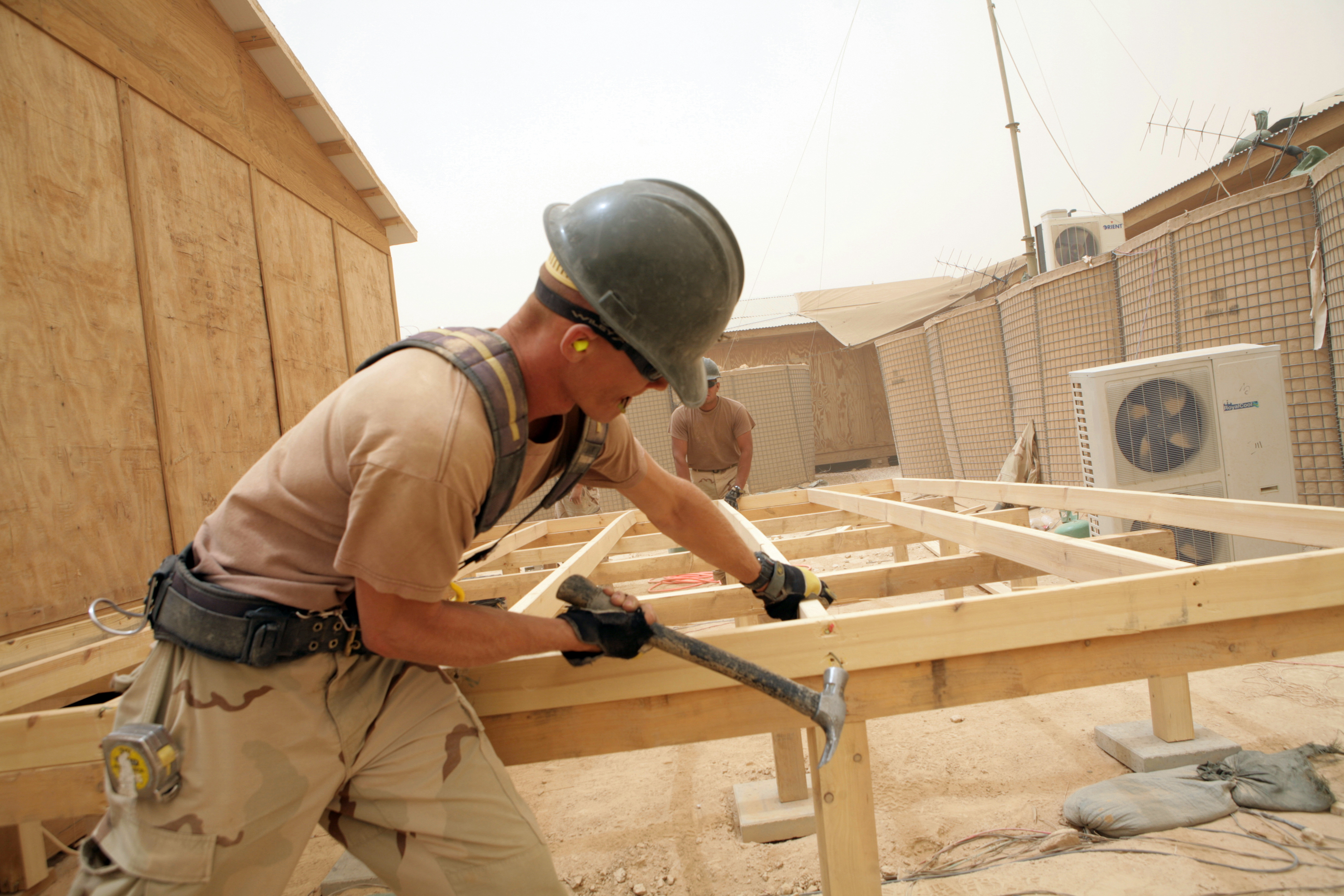
To be a builder in the tech space is to occupy a unique intersection of engineering, artistry, and entrepreneurship. It is no longer just about writing lines of code; it is about understanding how those lines of code create value, disrupt industries, and improve lives. As we delve into the anatomy of this role, we see that the definition of a builder is expanding, driven by the democratization of technology and the rise of tools that allow anyone with an idea to bring it to life.
The Anatomy of a Modern Tech Builder
The modern tech builder is defined less by their job title and more by their mindset. Whether they are a Senior Software Engineer at a FAANG company or an independent developer working from a garage, builders share a fundamental drive to assemble systems that work. They are the “makers” of the digital world, characterized by a relentless curiosity and a pragmatic approach to problem-solving.
Beyond Coding: The Multidisciplinary Skill Set
The traditional image of a builder was often limited to the “coder”—the person who sat in a dark room churning out C++ or Java. While technical proficiency remains a cornerstone, the modern builder is multidisciplinary. They must understand the nuances of UI/UX design to ensure their creations are intuitive. They must grasp the basics of product management to prioritize features that actually matter to users. Furthermore, a builder today must be a lifelong learner, as the shelf life of a specific programming language or framework is shorter than ever. The ability to unlearn and relearn is perhaps the most critical component of a builder’s toolkit.
The “Ship Fast” Mentality
One of the defining traits of a tech builder is the “ship fast” mentality. In a field where the pace of innovation is exponential, perfectionism can be a liability. Builders focus on the Minimum Viable Product (MVP)—the smallest version of a tool that can still provide value. This iterative process allows builders to test their hypotheses in the real world, gather data, and refine their products based on actual user behavior rather than theoretical assumptions. This bias toward action distinguishes a builder from a dreamer; the builder produces tangible, functional output.
The Tools of the Trade: From Full-Stack to No-Code
The evolution of building is inextricably linked to the tools available. We have moved from an era of manual resource management and low-level assembly to a period of high-level abstraction, where builders can leverage massive amounts of existing infrastructure to build more complex systems faster than ever before.
The Rise of Visual Development and No-Code
The definition of a builder has expanded significantly with the advent of “No-Code” and “Low-Code” platforms. Tools like Webflow, Bubble, and Zapier have lowered the barrier to entry, allowing people without formal computer science backgrounds to build sophisticated applications. This “democratization of building” means that domain experts—doctors, lawyers, or educators—can now build the tech tools they need to solve specific problems in their industries. This shift hasn’t replaced traditional coding; rather, it has freed up high-level engineers to focus on more complex infrastructure while empowering a new wave of “citizen builders.”
Leveraging AI as a Co-Pilot
Perhaps the most significant shift in the builder’s toolkit is the integration of Artificial Intelligence. With the rise of Large Language Models (LLMs) and tools like GitHub Copilot, the act of building has become conversational. AI acts as a pair-programmer, suggesting optimizations, debugging code, and even generating entire boilerplate structures. This allows a single builder to achieve the output that previously required a small team. However, this tool requires a new skill: “Prompt Engineering” and the ability to audit AI-generated code. The builder’s role is shifting from the “worker” to the “editor” and “architect.”
The “Build in Public” Movement
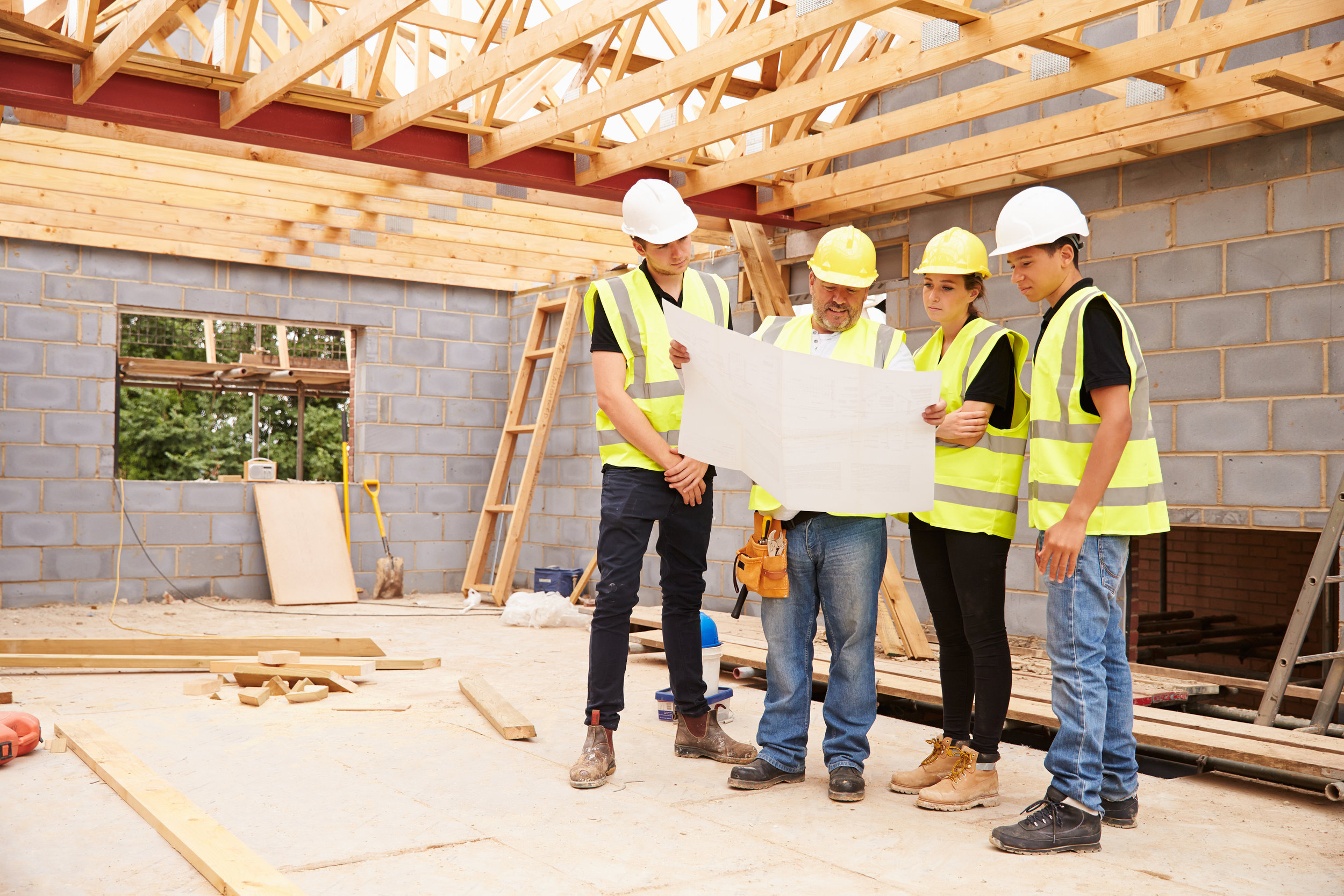
In the tech niche, the process of building is no longer a solitary endeavor conducted behind closed doors. A cultural shift known as “Building in Public” has revolutionized how digital products are conceived and launched. This movement emphasizes transparency, community, and the sharing of the journey—warts and all.
Transparency as a Growth Strategy
Building in public involves sharing progress, setbacks, and technical challenges on platforms like X (formerly Twitter), GitHub, or specialized builder communities. This transparency serves multiple purposes. First, it builds trust with potential users who feel invested in the product’s evolution. Second, it creates an “open-source” spirit of learning, where other builders can learn from the successes and failures of their peers. For the builder, this public accountability acts as a powerful motivator to maintain momentum and refine their craft.
Community-Led Development
When a builder shares their process, they naturally attract a community. This community becomes a vital feedback loop. Instead of building in a vacuum for six months only to find that no one wants the product, builders get real-time validation. They can ask their audience about feature preferences, UI layouts, or bug reports. This collaborative approach ensures that the final product is deeply aligned with market needs, effectively turning the “audience” into “co-creators.”
The Economic Impact of the Builder Economy
The rise of the digital builder has given birth to what is often called the “Builder Economy.” This is a subset of the broader creator economy, focusing on those who build functional tools, SaaS (Software as a Service) platforms, and digital infrastructure rather than just content.
Micro-SaaS and Independent Innovation
We are seeing a surge in “Micro-SaaS” businesses—highly specialized software tools built and maintained by a single person or a very small team. These builders identify niche problems that are too small for giant tech corporations to notice but large enough to support a profitable business. Because the overhead of digital building is so low—often just the cost of a laptop and a few cloud subscriptions—the profit margins for these builders can be incredibly high. This has enabled a new generation of “Solopreneur Builders” who value autonomy and impact over traditional corporate climbing.
Disrupting Traditional Corporate Cycles
Builders are also the primary drivers of disruption within large organizations. Internal “intrapreneurs” use the same building methodologies—agile development, rapid prototyping, and user-centric design—to overhaul legacy systems. By adopting a builder mindset, corporations can move away from bureaucratic stagnation and toward a culture of continuous improvement. The builders within these companies are the ones who bridge the gap between “what we’ve always done” and “what is now possible” through technology.
Future Outlook: The Evolution of Building
As we look toward the future, the role of the builder will continue to evolve alongside advancements in quantum computing, decentralized web (Web3), and increasingly sophisticated AI. The core essence of a builder, however, will remain the same: they are the bridge between a problem and a solution.
The Democratization of Software Creation
We are approaching a point where the “language” of building becomes natural language. When anyone can describe a complex application and see it materialized by AI and automated deployment pipelines, the definition of a builder will shift entirely toward the “What” and “Why” rather than the “How.” Strategy, ethics, and human-centric design will become the primary focus. The technical hurdles are falling away, leaving the builder to focus on the most important question: “What is worth building?”

Building for a Sustainable and Ethical Future
As tech builders wield more power to shape society, the responsibility of building ethically becomes paramount. The builders of tomorrow will not just be judged by the efficiency of their code or the growth of their user base, but by the social and environmental impact of their creations. From building privacy-first applications to creating energy-efficient algorithms, the next frontier for builders is one of stewardship.
In conclusion, a builder is the fundamental unit of progress in the tech world. They are the ones who take the raw materials of data, logic, and design and forge them into the tools that define our modern existence. To be a builder is to be an optimist; it is the belief that things can be better, and that we have the power to make them so through the thoughtful application of technology. Whether you are writing your first line of Python or architecting a global cloud infrastructure, if you are creating something where there was once nothing, you are a builder.
aViewFromTheCave is a participant in the Amazon Services LLC Associates Program, an affiliate advertising program designed to provide a means for sites to earn advertising fees by advertising and linking to Amazon.com. Amazon, the Amazon logo, AmazonSupply, and the AmazonSupply logo are trademarks of Amazon.com, Inc. or its affiliates. As an Amazon Associate we earn affiliate commissions from qualifying purchases.