
In the landscape of modern brand strategy, a product is rarely just the sum of its physical components. When we ask, “What is a brioche roll?” in a commercial context, we are not merely discussing a yeast-leavened bread enriched with butter and eggs. We are discussing one of the most successful examples of product differentiation and premiumization in the global food and beverage industry.
The brioche roll has evolved from a traditional French pastry-adjacent staple into a powerful branding tool used by multinational chains and boutique eateries alike. It represents a strategic shift in how brands communicate value to their customers. By replacing a standard sesame bun with a brioche roll, a brand is not just changing a recipe; it is signaling a shift in market tier, target demographic, and perceived quality. This article explores the brioche roll as a case study in brand strategy, examining how a single product element can redefine a corporate identity and command a premium price point.

The Anatomy of a Brand Upgrade: Why the Brioche Roll Matters
To understand the branding power of the brioche roll, one must first understand the concept of “The Product Upgrade.” In saturated markets, brands often struggle to differentiate themselves on core functionality alone. For a burger chain or a sandwich shop, the core product is standardized. The brioche roll serves as a tactical “upgrade” that transforms a utilitarian commodity into a luxury experience.
From Staple to Specialty
In the mid-20th century, bread was marketed primarily on its shelf-life and uniform consistency. Brands like Wonder Bread focused on reliability and mass production. However, as consumer preferences shifted toward artisanal and “authentic” experiences, the branding of bread changed. The brioche roll sits at the intersection of bread and pastry. Because it contains a high percentage of butter and eggs (often up to 50% fat content relative to flour weight), it occupies a psychological space between a meal and a treat.
From a brand perspective, this allows a company to move its product out of the “fast food” category and into the “fast-casual” or “premium” category. The presence of brioche suggests craftsmanship, even if the roll is mass-produced. It leverages the historical prestige of French baking to elevate a standard menu item, allowing brands to escape the “price-war” of the low-end market.
The Sensory Branding of Texture and Aesthetic
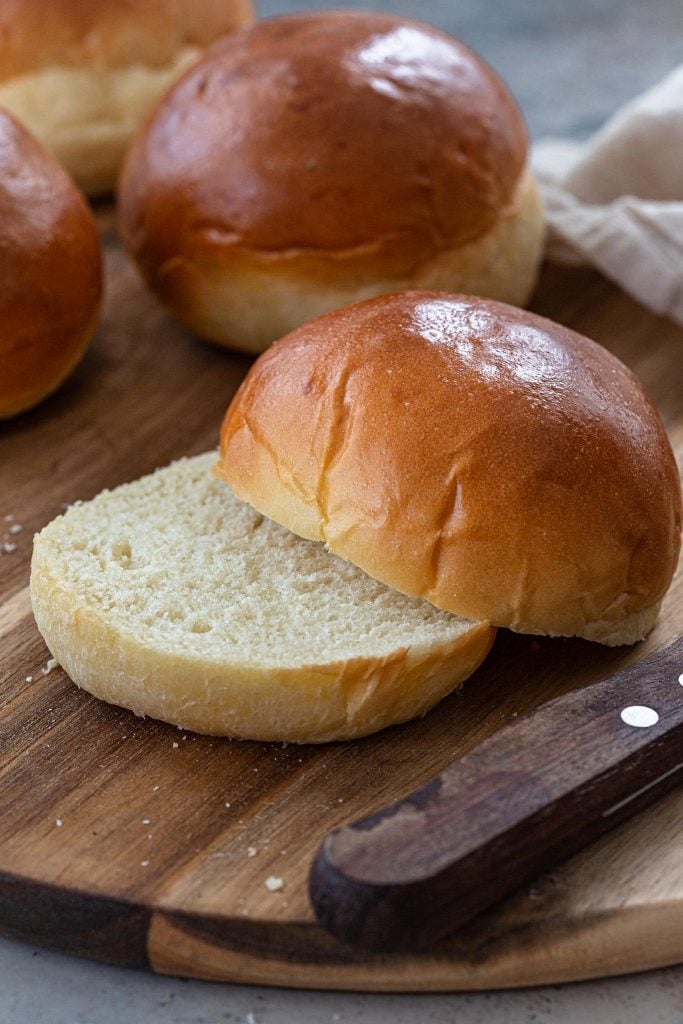
Branding is an emotional and sensory journey. The brioche roll is a master of sensory branding. Visually, its golden-brown, shiny “glaze” (the result of an egg wash) suggests richness and high-quality ingredients before the customer even takes a bite. This visual cue is essential in the age of digital marketing and social media, where a product’s “Instagrammability” is a key component of its brand equity.
The texture—pillowy, soft, yet structurally sound enough to hold heavy fillings—provides a tactile confirmation of the brand’s promise of quality. When a brand chooses brioche, they are investing in the “mouthfeel” of their product, which is a critical, though often overlooked, aspect of brand loyalty. A customer may not be able to articulate why they prefer one brand over another, but the sensory satisfaction provided by a premium roll creates a lasting positive association with the corporate identity.
Premiumization Strategy: How Brands Use “The Brioche Effect”
The “Brioche Effect” is a term that can be applied to any minor product adjustment that leads to a significant increase in perceived value. In brand strategy, premiumization is the process of making a brand or product more appealing to consumers by emphasizing its superior quality and exclusivity.
Justifying Price Points through Quality Perception
One of the most difficult challenges for any brand is raising prices without alienating its customer base. The introduction of a brioche roll is a classic “justification tactic.” By marketing a “Signature Collection” or a “Chef’s Choice” item that features brioche, a brand can justify a price point that is 20% to 50% higher than their standard offering.
The consumer does not see the marginal increase in the cost of goods sold (COGS); they see a significant increase in the “status” of the meal. This is a vital strategy for brands looking to increase their profit margins in an inflationary environment. Instead of cutting costs and risking a decline in quality, the brand invests in a visible, high-impact ingredient that allows them to move up-market.
The Psychology of “Affordable Luxury”
The brioche roll thrives in the niche of “affordable luxury.” While many consumers may not be able to afford high-end luxury goods or fine-dining experiences on a regular basis, they are willing to pay an extra dollar or two for a “better” version of a common item.
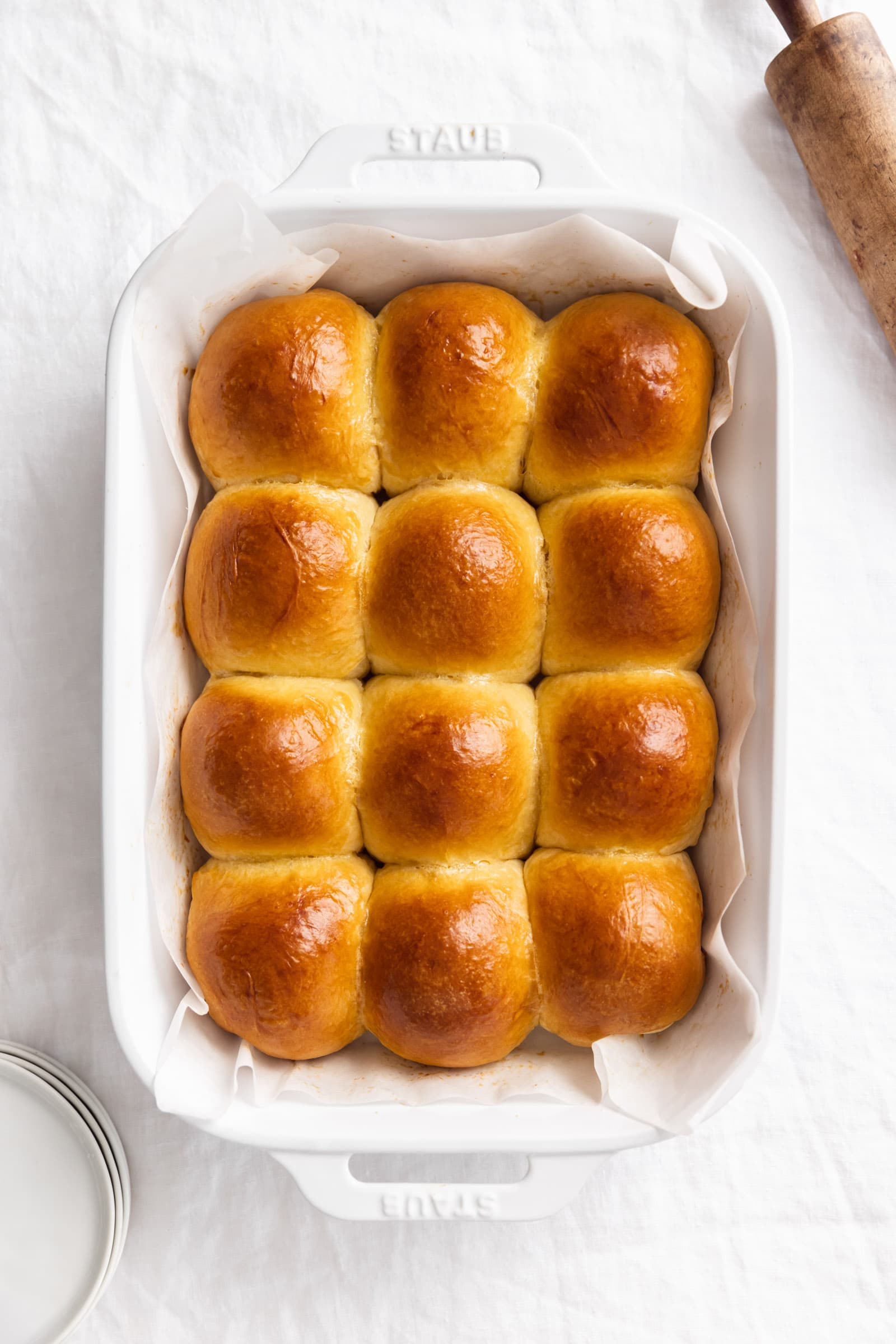
Brands like Shake Shack or Brioche Dorée have built their corporate identities around this concept. They provide an experience that feels elevated compared to traditional competitors but remains accessible. This positioning creates a “halo effect” across the entire brand. Even if a customer doesn’t order the brioche-based item, the fact that the brand offers it elevates the perception of all other products on the menu. It signals that the brand cares about ingredients and culinary trends, fostering a sense of trust and sophistication.
Corporate Identity and the Artisanal Narrative
A brand is a story, and the brioche roll is a compelling character in that narrative. For a corporation, the challenge is often how to appear “artisanal” while maintaining the efficiency of a large-scale operation. The brioche roll facilitates this narrative by bridging the gap between the bakery and the boardroom.
Communicating Heritage and Craftsmanship
The origins of brioche are rooted in 17th-century France, a history that many brands leverage in their marketing copy. By using words like “authentic,” “traditional,” or “French-style,” a brand can borrow the heritage of an entire culture to bolster its own identity. This is particularly effective in markets like North America and Asia, where French culinary techniques are synonymous with the pinnacle of quality.
This narrative of craftsmanship is essential for brands trying to move away from the “processed” image associated with mass-market food. The brioche roll, with its rich ingredients and complex baking process (compared to standard white bread), serves as a shorthand for “hand-crafted.” It allows a brand to speak to the values of quality, time, and care—even if the product is delivered through a drive-thru window.
Consistency vs. Authenticity in Global Scaling
For global brands, the challenge is maintaining the “brioche brand” across different geographic regions. The brioche roll must look and taste the same in London as it does in New York to maintain brand integrity. This requires a sophisticated supply chain and a commitment to standardized quality.
The strategy here is to balance the feeling of authenticity with the reality of consistency. A brand that successfully scales the brioche experience proves its operational excellence. It shows that they can deliver a premium, “artisanal” product at scale, which is the ultimate goal of any corporate identity in the food space. This consistency builds brand equity, as consumers know they can rely on that specific “brioche experience” regardless of where they are in the world.
Marketing the Experience: Beyond the Physical Product
Finally, the success of the brioche roll as a brand asset lies in how it is marketed. In modern brand strategy, the product is the starting point, but the experience is the final goal.
Visual Storytelling in Food Branding
The brioche roll is inherently cinematic. In commercials and digital ads, the “slow-motion pull” of a soft brioche bun or the glistening reflection of light off its egg-washed surface creates an immediate craving. This visual storytelling is a key part of the brand’s “appetite appeal.”
Marketing teams use the brioche roll to create a “hero” image. In high-end food photography, the roll provides the perfect frame for the ingredients inside. Its structural integrity means it doesn’t flatten, keeping the “brand image” of the sandwich intact from the first bite to the last. This reliability is a dream for marketers who need their product to look as good in the customer’s hand as it does on the billboard.
Influencer Marketing and the “Aesthetic” Food Trend
The rise of the brioche roll coincided with the rise of food influencers. On platforms like Instagram and TikTok, the “cross-section” shot of a sandwich on a brioche roll became a viral staple. Brands that adopted brioche rolls early were able to tap into this organic marketing.
When a brand’s product becomes a trend, the brand identity is reinforced by the community. The brioche roll isn’t just a choice made by the brand; it becomes a choice made by the consumer who wants to be seen eating it. This social proof is the most powerful form of branding. It moves the product from being a “menu option” to being a “lifestyle choice,” solidifying the brioche roll’s place as a cornerstone of modern, premium brand strategy.
In conclusion, the brioche roll is far more than a piece of bread. It is a strategic asset used to navigate the complexities of market positioning, consumer psychology, and brand storytelling. By understanding “what is a brioche roll” through the lens of brand strategy, we see how companies use simple, high-quality ingredients to build powerful, premium identities that resonate with the modern consumer.
aViewFromTheCave is a participant in the Amazon Services LLC Associates Program, an affiliate advertising program designed to provide a means for sites to earn advertising fees by advertising and linking to Amazon.com. Amazon, the Amazon logo, AmazonSupply, and the AmazonSupply logo are trademarks of Amazon.com, Inc. or its affiliates. As an Amazon Associate we earn affiliate commissions from qualifying purchases.