
The term “brewski” holds a peculiar yet potent place within the lexicon of alcoholic beverages. Far from a technical descriptor, it functions as a colloquial shorthand, a cultural signifier that transcends mere product identification to encapsulate a lifestyle, a demographic, and a particular brand positioning. In the intricate world of brand strategy, understanding such informal terminology is paramount, as it reveals layers of consumer perception, marketing opportunity, and the very essence of corporate identity within the beer industry. For brand strategists, the question “what is a brewski?” is not about its chemical composition, but about its perceived identity, its market positioning, and the emotional connection it fosters.
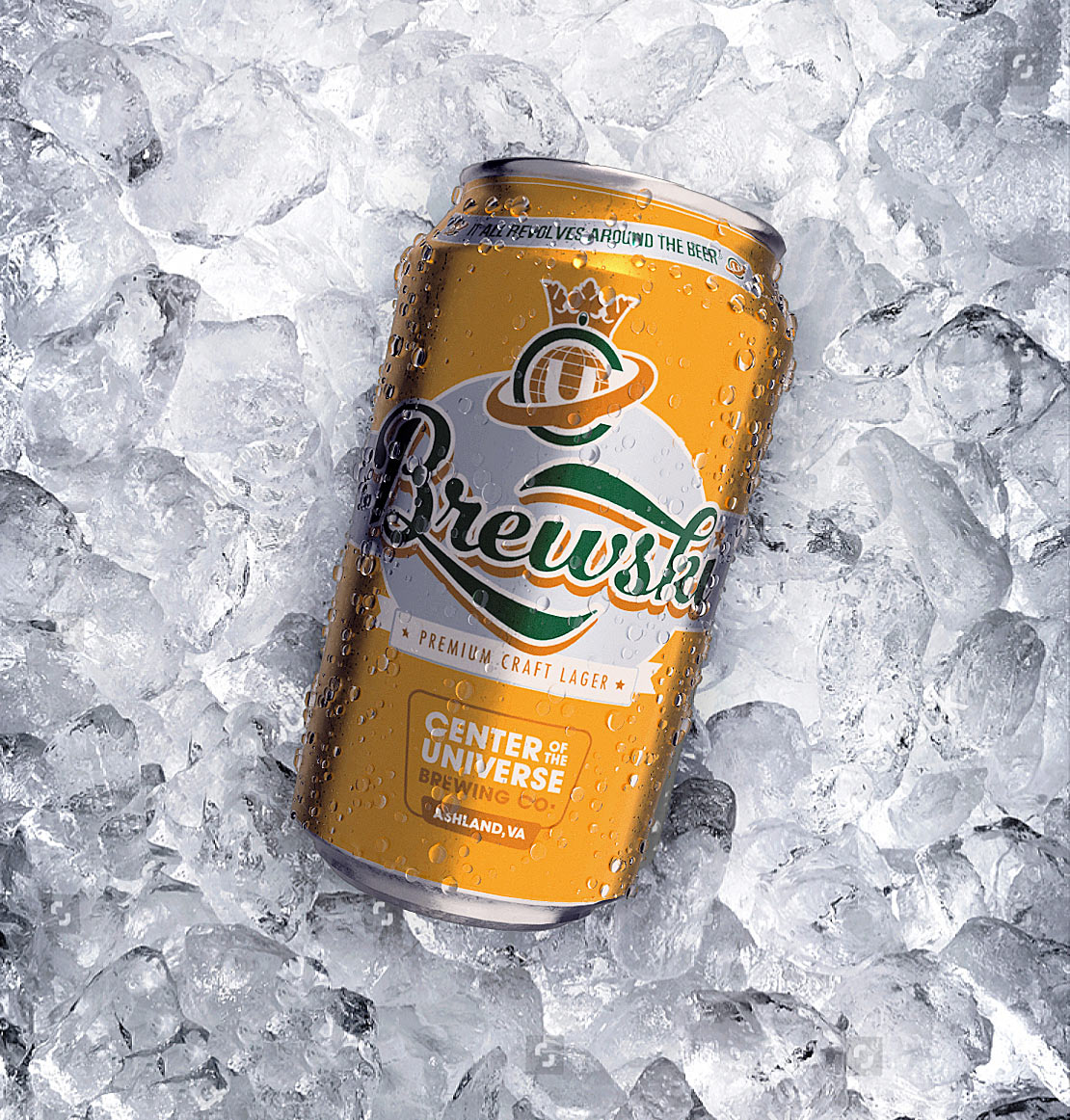
The Lexicon of Libation: Understanding “Brewski” as a Brand Marker
The journey of “brewski” from casual slang to a widely recognized term illustrates the power of informal language in shaping brand perception. It’s a linguistic phenomenon that reflects how consumers internalize and refer to products, often stripped of their formal branding. This vernacular becomes a powerful tool, or challenge, for brand managers.
From Technical Term to Cultural Shorthand
At its core, a “brewski” is simply a beer. Yet, the adoption of the slang term elevates it beyond a generic product. It implies a certain informality, a relaxed setting, and often, a particular social context. For brands, this shorthand is both an opportunity and a constraint. It allows for quick, relatable communication, but it also pigeonholes the product into a certain cultural niche. Brands must decide whether to lean into this casual identity or to consciously steer away from it, opting for more formal or sophisticated branding. The effectiveness of “brewski” as a cultural shorthand lies in its immediate recognition and the unwritten assumptions it carries about the product and its consumer.
Demographic Targeting through Vernacular
The use of “brewski” inherently targets a specific demographic. It resonates most strongly with a younger, often male, audience associated with casual social gatherings, sports, and uncomplicated enjoyment. Brands that embrace this terminology, either overtly in their marketing or subtly through their overall brand persona, are consciously aligning themselves with this demographic. This isn’t merely about language; it’s about projecting an image of relatability and authenticity that speaks directly to a desired consumer segment. Craft breweries, particularly those aiming for an edgy or irreverent vibe, might strategically use similar vernacular to differentiate themselves from more traditional, established brands, signaling a departure from formality and a connection to a specific subculture.
The Role of Slang in Brand Authenticity
Authenticity is a cornerstone of effective modern branding. In a market saturated with options, consumers gravitate towards brands that feel genuine and true to themselves. The adoption of slang like “brewski” can contribute to perceived brand authenticity by signaling an understanding of, and embeddedness within, the target culture. When a brand uses language that its audience naturally employs, it bridges the gap between marketer and consumer, creating a sense of shared identity. However, this must be handled with care. Inauthentic or forced use of slang can backfire, appearing disingenuous or condescending. The most successful brands integrate such terms seamlessly, making them feel like a natural extension of their established brand voice rather than a calculated marketing ploy.
Crafting the “Brewski” Experience: Brand Strategy in Beer
The art of branding a “brewski” extends far beyond its name. It encompasses a holistic strategy that dictates how the product is perceived, from its visual presentation to the experiences it promises. This strategic framework differentiates one beer from another, even when the underlying product is fundamentally similar.
Positioning: Premium, Mass Market, or Niche?
Every “brewski” occupies a specific position in the market, a deliberate choice by its brand strategists.
- Mass Market Brewskis: These brands prioritize widespread accessibility, consistent quality, and often, affordability. Their branding emphasizes broad appeal, reliability, and social inclusion. Think of the iconic American lagers, whose branding evokes tailgates, barbecues, and universal camaraderie. Their marketing campaigns are designed for maximum reach, often featuring diverse groups enjoying their product in everyday settings.
- Premium Brewskis: These brands aim for exclusivity, quality ingredients, and an elevated experience. Their branding focuses on heritage, craftsmanship, and sophisticated taste profiles. Packaging often features elegant designs, specific bottle shapes, and understated messaging. Marketing might highlight the brewing process, the origin of ingredients, or pairing suggestions, targeting consumers willing to pay more for perceived superior quality and status.
- Niche Brewskis (e.g., Craft, Local, Experimental): This segment thrives on differentiation, unique flavors, and often, a strong local or subcultural identity. Their branding is highly specialized, reflecting their distinct offerings and target communities. Packaging is often artistic, quirky, or minimalist, designed to stand out on crowded shelves. Marketing heavily relies on storytelling, community engagement, and a direct connection with consumers who value novelty and individuality.
Visual Identity: Labels, Logos, and Packaging as Storytellers
The visual elements of a “brewski” are its most immediate brand communicators. A label is not just a regulatory necessity; it’s a miniature billboard, a piece of art, and a narrative device.
- Color Palettes: Different colors evoke different emotions and brand associations. Bright, bold colors might signal a refreshing, light beer, while darker, richer tones could suggest a stout or ale with depth and complexity.
- Typography: The font choice speaks volumes. A classic serif font might convey tradition and heritage, while a modern sans-serif could suggest innovation and sleekness. Hand-drawn fonts are often used by craft breweries to emphasize artisanal qualities.
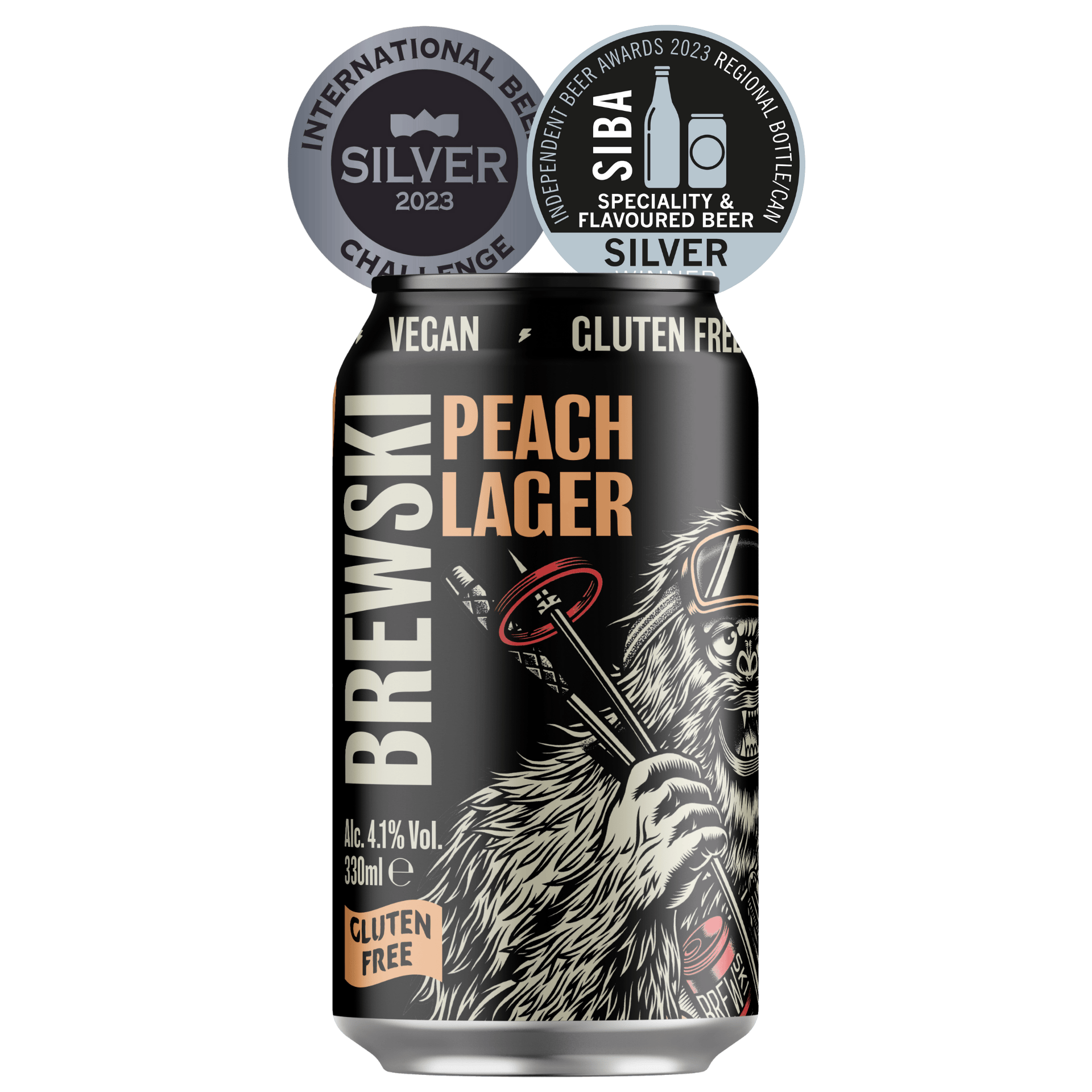
- Imagery and Iconography: From majestic animals and heraldic crests to abstract designs and pop culture references, the imagery on a label instantly communicates brand personality. A strong icon can become synonymous with the brand itself, fostering immediate recognition.
- Packaging Materials: The choice of bottle versus can, clear versus amber glass, and even the cap or tab design, all contribute to the brand’s tactile and visual experience. Premium brands might opt for unique bottle shapes, while sustainable brands might highlight recyclable materials.
Experiential Marketing and Community Building
Beyond the product itself, brands cultivate the “brewski” experience through events, sponsorships, and community engagement. This can include:
- Tasting Rooms and Breweries: For many craft brands, the physical brewery serves as a direct extension of the brand. It’s a space for consumers to connect with the brand’s story, witness the brewing process, and engage with staff.
- Festivals and Events: Sponsoring music festivals, sports events, or local community gatherings allows brands to embed themselves in relevant social contexts, associating their “brewski” with positive, memorable experiences.
- Online Communities and Social Media: Brands build online spaces where enthusiasts can share their experiences, discuss new releases, and feel part of a larger community. This fosters loyalty and brand advocacy.
- Merchandise: Apparel, glassware, and other branded items serve as walking advertisements and allow consumers to publicly display their allegiance to a particular “brewski” brand, extending its reach beyond consumption.
The Psychological Impact of “Brewski” Marketing
Effective branding taps into consumer psychology, leveraging emotions, aspirations, and social dynamics to create lasting connections. The marketing of a “brewski” often plays on deep-seated human desires and cultural narratives.
Evoking Nostalgia and Camaraderie
Many beer brands strategically evoke feelings of nostalgia, connecting their product to simpler times, cherished memories, and shared experiences. Advertising often features friends laughing, celebrating milestones, or enjoying a quiet moment together, positioning the “brewski” as a catalyst for human connection. This taps into a universal longing for belonging and warmth, making the product synonymous with friendship and good times. The casual nature implied by “brewski” itself aligns perfectly with this, suggesting an unpretentious environment where genuine connections are forged.
Lifestyle Association and Aspirational Branding
“Brewski” brands frequently align themselves with specific lifestyles, allowing consumers to project their desired self-image onto the product. This could range from rugged outdoor adventure and sophisticated urban living to laid-back bohemianism or competitive sportsmanship. Through imagery, endorsements, and narrative, brands tell a story about who drinks their “brewski” and what kind of life they lead. Consumers then purchase not just a beverage, but a piece of that aspirational identity. A brand might position its “brewski” as the reward after a tough hike, the perfect accompaniment to a gourmet meal, or the celebratory drink after a big win.
Challenging Perceptions: Diversifying the “Brewski” Image
While “brewski” historically skewed towards a specific demographic, modern branding strategies are actively working to broaden its appeal. This involves challenging traditional stereotypes and showcasing a more diverse range of consumers.
- Gender Neutrality: Moving beyond male-centric advertising to include women as active, central consumers, rather than secondary figures.
- Cultural Inclusivity: Featuring diverse ethnic backgrounds and cultural celebrations in marketing campaigns.
- Age Segmentation: While alcoholic beverages have age restrictions, brands are exploring ways to appeal to different adult age groups without alienating others, often by emphasizing different aspects of the product (e.g., tradition for older demographics, innovation for younger).
- Beyond Alcohol Content: With the rise of non-alcoholic beers and low-alcohol options, brands are broadening the “brewski” concept to include choices for those seeking the taste and social experience without the intoxicating effects, thereby expanding market reach and challenging the very definition of a “brewski.”
Case Studies: Iconic “Brewskis” and Their Branding Journeys
Examining specific examples illuminates the practical application of these branding principles. From global giants to local innovators, each “brewski” tells a unique brand story.
Mass Market Dominators: Consistency and Accessibility
Brands like Budweiser or Heineken exemplify mass-market dominance. Their branding emphasizes consistency, reliability, and global recognition. Their logos are instantly identifiable, their advertising campaigns are far-reaching, and their messaging often centers on universal themes of camaraderie and celebration. For these “brewskis,” the brand promise is about dependable quality and a shared experience, available almost anywhere in the world. Their success lies in creating a universally accepted identity that transcends cultural nuances while subtly adapting to local markets.
Craft Revolution: Innovation and Storytelling
The explosion of the craft beer market is a testament to the power of niche branding and authentic storytelling. Breweries like Sierra Nevada or Stone Brewing built their reputations on innovation, quality ingredients, and a strong sense of identity. Their “brewskis” are often characterized by bold, artistic labels, unique flavor profiles, and narratives that highlight the passion of their founders, the artisanal brewing process, or their commitment to specific values. These brands cultivate fiercely loyal followings by offering something distinct and personal, often positioning themselves as an alternative to the mass-produced options.
Global Giants: Adapting “Brewski” for International Appeal
Brands like Stella Artois demonstrate the challenge and opportunity of international branding. Originally positioned as a premium European lager, Stella Artois successfully navigated global markets by maintaining an aura of sophistication and heritage (“Reassuringly Expensive”) while adapting its messaging to resonate with local consumer preferences. This involved careful consideration of how the “brewski” was perceived in different cultures, adjusting advertising campaigns to maintain its premium image without appearing elitist or inaccessible. Their success highlights the importance of cultural sensitivity in maintaining a consistent yet adaptable brand identity across diverse geographies.
The Future of “Brewski” Branding: Innovation and Evolution
The beverage industry is dynamic, driven by evolving consumer tastes, technological advancements, and a growing emphasis on social responsibility. The branding of “brewskis” must continuously adapt to remain relevant and competitive.
Sustainability and Ethical Sourcing as Brand Pillars
As environmental consciousness grows, consumers increasingly seek brands aligned with their values. For “brewskis,” this translates into opportunities to integrate sustainability and ethical sourcing into core brand messaging. This could involve highlighting eco-friendly brewing practices, using recyclable packaging, supporting local farmers, or engaging in carbon-neutral initiatives. Brands that genuinely embed these principles, rather than merely superficial “greenwashing,” will resonate deeply with a segment of consumers who see their purchasing power as a vote for a better future. Such practices become powerful brand differentiators, adding a layer of integrity to the “brewski” experience.
Digital Engagement and Social Media Presence
The digital realm is an indispensable platform for modern “brewski” branding. Social media allows for direct engagement with consumers, immediate feedback, and the rapid dissemination of brand stories. From visually appealing Instagram feeds showcasing new releases and behind-the-scenes glimpses, to interactive campaigns on TikTok and X, brands must master digital storytelling. Influencer marketing, user-generated content, and online community building are crucial for fostering brand loyalty and expanding reach. The digital space also offers invaluable data analytics, allowing brands to fine-tune their messaging and target specific audiences with unprecedented precision.
Non-Alcoholic Options: Expanding the “Brewski” Definition
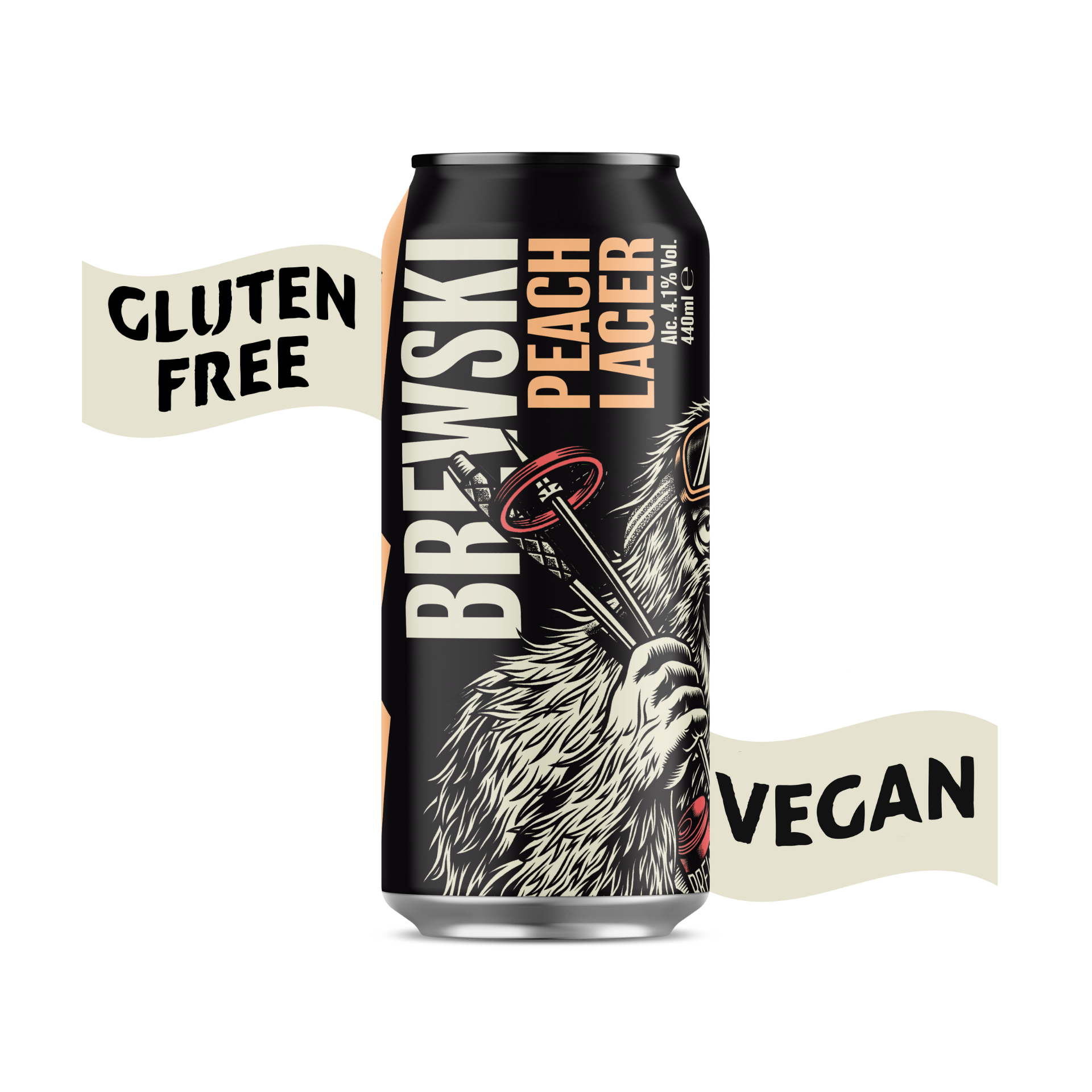
Perhaps one of the most significant shifts in the “brewski” landscape is the rise of non-alcoholic (NA) and low-alcohol (Lo-No) options. This trend challenges the traditional definition of a “brewski” as solely an alcoholic beverage. Brands are now investing heavily in developing NA beers that offer the complex flavors and social experience of their alcoholic counterparts, without the intoxicating effects. This expansion caters to health-conscious consumers, designated drivers, or those simply choosing to reduce their alcohol intake. Branding for NA “brewskis” focuses on inclusion, sophistication, and the ability to participate in social rituals without compromise, effectively redefining what it means to enjoy a “brewski.” This segment represents a significant growth area and a new frontier for brand innovation.
aViewFromTheCave is a participant in the Amazon Services LLC Associates Program, an affiliate advertising program designed to provide a means for sites to earn advertising fees by advertising and linking to Amazon.com. Amazon, the Amazon logo, AmazonSupply, and the AmazonSupply logo are trademarks of Amazon.com, Inc. or its affiliates. As an Amazon Associate we earn affiliate commissions from qualifying purchases.