
In today’s dynamic marketplace, the allure of new opportunities and the desire for sustained growth often lead businesses to explore avenues beyond their core offerings. One of the most powerful and strategic approaches to achieving this is through brand extension. But what exactly is a brand extension, and how can it be effectively utilized to amplify a company’s reach and impact? This article delves into the concept, its various forms, the benefits and potential pitfalls, and how it interplays with key areas like technology, branding, and finance.
Understanding the Core Concept: Beyond the Original Product
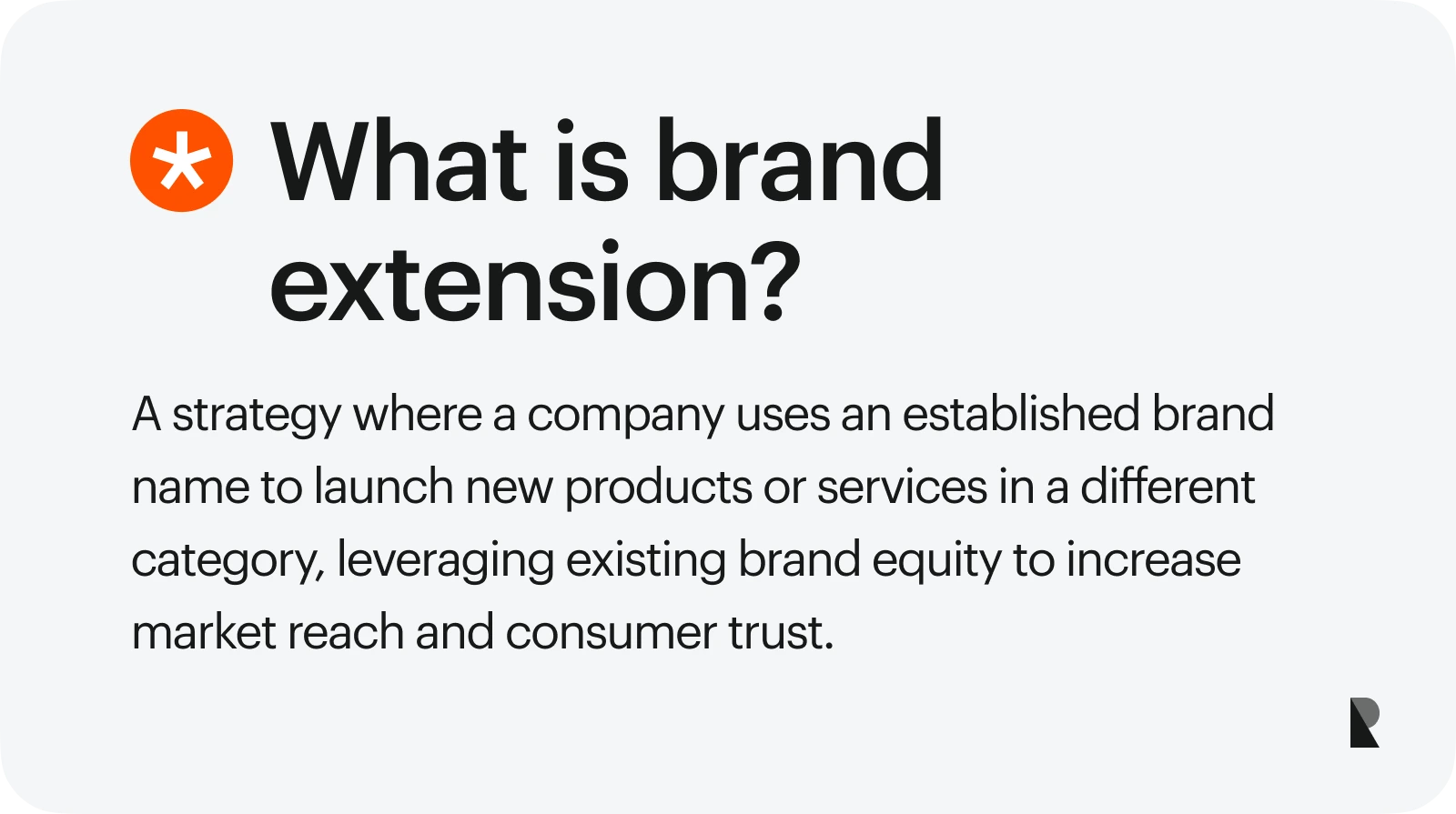
At its heart, a brand extension is a marketing strategy where an established brand name is used to introduce a new product or product line. This new offering, while distinct from the original, aims to leverage the existing goodwill, recognition, and customer loyalty associated with the parent brand. Think of it as a trusted friend introducing you to another equally reliable acquaintance; you’re more likely to give that acquaintance a chance because of your positive prior relationship.

The success of a brand extension hinges on the perceived fit between the new product and the parent brand’s identity, values, and existing customer base. If the connection feels natural and logical, consumers are more inclined to accept and embrace the new offering. Conversely, a poorly conceived extension can dilute the parent brand’s equity, confuse consumers, and even damage its reputation.
Types of Brand Extensions
Brand extensions can manifest in various forms, each with its own strategic implications:
Line Extensions: Expanding Within an Existing Category
Line extensions involve introducing new variations of an existing product within the same product category. This could mean adding new flavors, sizes, colors, or functional improvements to a successful product. For instance, a soft drink brand might introduce a sugar-free version, a new fruit flavor, or a smaller, on-the-go size.
- Benefits: Line extensions are often the least risky form of brand extension. They capitalize on existing manufacturing and distribution channels, and the marketing message can build directly on what consumers already know and trust. They can also help defend market share against competitors by offering more choice and appealing to niche segments.
- Considerations: The primary risk here is over-saturation and cannibalization. If a company introduces too many similar products, they might end up competing with themselves, eating into the sales of their existing offerings. It’s crucial to ensure each new line extension offers a genuine, perceived value to the consumer.
Category Extensions: Venturing into New Product Categories
Category extensions are more ambitious. They involve introducing products in entirely new categories, but under the umbrella of the established brand name. This is where the “transfer of meaning” from the parent brand becomes critical. A technology company known for its innovative software might extend its brand to offer productivity gadgets, or a financial services firm might launch a personal finance app.
- Benefits: Category extensions offer the potential for significant growth and market diversification. They allow brands to tap into new customer segments and revenue streams. A strong, well-respected brand name can provide a significant advantage in overcoming the initial hurdle of consumer awareness and trust in a new market.
- Considerations: This is where the “fit” becomes paramount. For example, if a luxury car brand were to launch a budget airline, the dissonance between the premium image of the car and the low-cost nature of the airline could lead to confusion and brand dilution. The parent brand’s core attributes and values must align with the new category for the extension to be successful.
Co-Branding: Strategic Alliances for Mutual Benefit
Co-branding involves two or more established brands collaborating to market a new product or service. This strategy allows each brand to leverage the strengths and customer bases of the other, creating a more compelling offering than either could produce alone. Think of a credit card company partnering with an airline to offer co-branded travel rewards cards.
- Benefits: Co-branding can expand reach, attract new customer segments, and reduce marketing costs. It can also lend credibility to a new product by associating it with reputable partners.
- Considerations: Careful selection of partners is crucial. The brands must have compatible images and target audiences. A misalignment can lead to brand confusion or even damage the reputation of one or both partners. Clear agreements on responsibilities, marketing, and profit sharing are essential for successful co-branding.
The Strategic Imperative: Why Brands Extend
The decision to pursue a brand extension isn’t taken lightly. It’s a strategic move driven by several compelling factors, often intertwined with the core principles of technology, branding, and financial growth.
Capitalizing on Brand Equity: The Foundation of Trust
Brand equity, essentially the added value a brand name gives to a product, is a company’s most valuable intangible asset. It encompasses consumer awareness, perceived quality, brand associations, and brand loyalty. A strong brand extension leverages this existing equity. Consumers are predisposed to trust and try products from brands they already know and like, reducing the perceived risk of purchasing something new. This trust acts as a powerful shortcut, bypassing the lengthy and expensive process of building awareness from scratch.
Driving Innovation and Market Adaptation
The technological landscape is in perpetual motion. AI tools are revolutionizing software development, new apps are constantly emerging, and gadgets are evolving at a breakneck pace. Brands that remain stagnant risk obsolescence. Brand extensions can be a powerful engine for innovation, allowing companies to adapt to changing market demands and technological advancements. A software company might extend its expertise into AI-powered tools for productivity, or a gadget manufacturer might launch a smart home device. This allows them to stay relevant and capture emerging market opportunities.

Enhancing Financial Performance and Profitability
Ultimately, business decisions are driven by financial considerations. Brand extensions can significantly impact a company’s bottom line in several ways:
- Increased Revenue Streams: By introducing new products, companies tap into new markets and customer segments, leading to diversified revenue streams.
- Reduced Marketing Costs: Leveraging an existing brand name significantly lowers the cost of customer acquisition compared to launching a completely new brand.
- Economies of Scale: Expanding production and distribution to accommodate new product lines can lead to greater efficiencies and lower per-unit costs.
- Improved Profitability: Successful brand extensions, when well-executed and aligned with the parent brand, often command premium pricing and contribute significantly to overall profitability.
Navigating the Nuances: Benefits and Potential Pitfalls
While brand extensions offer immense potential, they are not without their challenges. A thoughtful and strategic approach is crucial to maximize benefits and mitigate risks.
The Upside: Unlocking Growth and Market Dominance
- Accelerated Market Entry: The established brand name acts as a powerful catalyst, allowing new products to gain traction much faster than a new brand could.
- Enhanced Brand Image: Successful extensions can reinforce and even elevate the parent brand’s image by showcasing its versatility and commitment to innovation. A tech company known for robust software might enhance its reputation for reliability by offering secure cloud storage solutions.
- Customer Loyalty Reinforcement: Offering a wider range of desirable products to existing customers deepens their relationship with the brand, fostering increased loyalty and reducing churn.
- Competitive Advantage: Well-executed brand extensions can create a significant competitive moat, making it harder for rivals to replicate a company’s diversified product portfolio and strong market presence.
The Downside: The Perils of Dilution and Missteps
- Brand Dilution: This is arguably the most significant risk. If an extension is poorly conceived, irrelevant, or of low quality, it can weaken the core attributes and perceived value of the parent brand in the minds of consumers. A strong technology brand that releases a poorly designed, low-quality gadget could tarnish its reputation for excellence.
- Cannibalization: As mentioned earlier, a new product might inadvertently eat into the sales of existing, similar products from the same brand, leading to no net gain in overall sales and potentially lower profit margins.
- Brand Mismatch: When the new product category doesn’t align with the parent brand’s core identity or values, it can create confusion and erode consumer trust. For example, a brand known for its premium personal finance advice launching a high-risk, speculative investment app could alienate its established customer base.
- Loss of Focus: Overextending the brand can lead to a diffusion of resources and expertise, potentially weakening the company’s ability to excel in its core business.
Making it Work: Key Considerations for Successful Brand Extension
To harness the power of brand extensions while avoiding the pitfalls, several critical factors must be carefully considered:
The Importance of Perceived Fit and Brand Consistency
This is the cornerstone of a successful brand extension. The new product must make sense to the consumer within the context of the parent brand. This involves evaluating:
- Functional Fit: Does the new product perform a similar function or solve a similar problem as the parent brand’s offerings?
- Image Fit: Does the new product’s image and positioning align with the parent brand’s established perception?
- Customer Fit: Does the new product appeal to the same or a similar target audience?
Maintaining brand consistency across all touchpoints is crucial. This includes packaging, advertising, customer service, and the overall brand experience. Any dissonance can quickly lead to confusion and brand erosion.
Leveraging Technology and Data for Informed Decisions
In today’s data-driven world, technology plays a pivotal role in informing brand extension strategies.
- Market Research and Analytics: Advanced analytics can help identify unmet customer needs, market gaps, and predict the potential success of new product categories. This includes analyzing consumer behavior, social media sentiment, and competitor offerings.
- AI-Powered Product Development: AI tools can assist in designing and optimizing new products, from concept generation to testing and refinement, ensuring they meet the quality standards expected of the parent brand.
- Digital Marketing and Targeted Outreach: Technology enables highly targeted marketing campaigns, allowing brands to reach the most receptive audiences for their new extensions, minimizing wasted expenditure and maximizing impact.
Financial Prudence and Risk Management
A robust financial strategy is indispensable for any brand extension initiative.
- Thorough Financial Projections: Companies must conduct detailed financial modeling, including sales forecasts, cost analysis, and profitability projections for the new venture.
- Resource Allocation: Deciding how much capital to invest in the extension, and ensuring adequate resources are allocated for marketing, production, and distribution, is critical.
- Risk Assessment and Mitigation: Identifying potential financial risks, such as lower-than-expected sales or higher-than-anticipated costs, and developing contingency plans is essential.
In conclusion, a brand extension is a potent tool for growth, allowing companies to leverage their established trust and identity to venture into new territories. Whether it’s a subtle line extension or an ambitious category leap, success hinges on a deep understanding of the parent brand’s equity, a keen eye for market opportunities, and a steadfast commitment to quality and consistency. By thoughtfully integrating technological insights, strategic branding principles, and sound financial management, businesses can effectively navigate the complexities of brand extension and unlock significant, sustainable growth in an ever-evolving marketplace.
aViewFromTheCave is a participant in the Amazon Services LLC Associates Program, an affiliate advertising program designed to provide a means for sites to earn advertising fees by advertising and linking to Amazon.com. Amazon, the Amazon logo, AmazonSupply, and the AmazonSupply logo are trademarks of Amazon.com, Inc. or its affiliates. As an Amazon Associate we earn affiliate commissions from qualifying purchases.