
A brand book, often referred to as a brand style guide or brand identity manual, is a comprehensive document that serves as the definitive source of truth for a brand’s visual and verbal identity. It’s not merely a collection of logos and color palettes; rather, it’s a strategic tool designed to ensure consistency, coherence, and authenticity across all touchpoints where a brand interacts with its audience. In essence, a brand book is the DNA of a brand, codifying its essence and providing clear guidelines for its expression.
For businesses, especially those aiming for significant market presence and long-term recognition, a well-crafted brand book is indispensable. It acts as a compass, guiding designers, marketers, content creators, and even employees in how to represent the brand accurately and effectively. Without it, brands risk a fragmented and diluted identity, leading to confusion among consumers and a loss of trust. This document bridges the gap between abstract brand values and tangible marketing materials, ensuring that every advertisement, social media post, website element, and product packaging speaks with a unified voice and visual language.
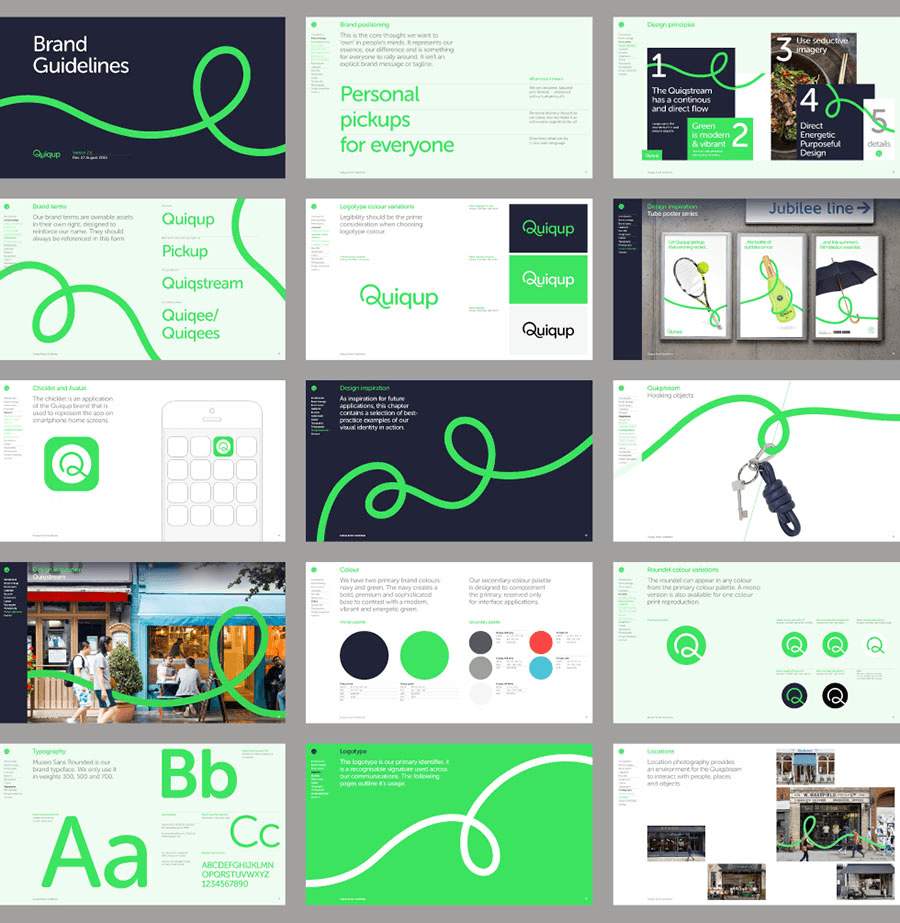
The creation of a brand book is a strategic undertaking. It requires a deep understanding of the brand’s mission, vision, values, target audience, and competitive landscape. It involves meticulous attention to detail, ensuring that every element, from typography to tone of voice, aligns with the overarching brand strategy. While the technical aspects of design are crucial, the true power of a brand book lies in its ability to translate abstract brand concepts into actionable guidelines that foster a strong and memorable brand.
In the realm of branding, consistency is paramount. A consistent brand builds recognition, fosters trust, and cultivates loyalty. Imagine encountering a favorite product with wildly different packaging and messaging each time you purchase it – it would be disorienting and erode confidence. A brand book systematically prevents this by establishing clear rules and standards. This document is therefore not just a design manual; it’s a foundational element of a successful branding strategy, ensuring that the brand’s story is told consistently and compellingly, every single time.
The Core Components of a Brand Book
A robust brand book is more than just a collection of visual assets. It delves into the foundational elements that define a brand’s identity and provides practical guidance on their application. This section will explore the essential components that make up a comprehensive brand book, ensuring that its users have a clear understanding of what makes a brand’s identity tick.
Logo Usage and Variations
The logo is often the most recognizable element of a brand. A brand book meticulously defines its primary logo, along with any approved variations. This includes:
- Primary Logo: The main, most frequently used version of the logo. This section will specify its exact dimensions, proportions, and any minimum or maximum size requirements to ensure legibility across different mediums.
- Logo Variations: This might include a wordmark (text only), an icon or symbol, or a stacked version of the logo. Each variation will have its own set of usage guidelines, indicating when and where each is appropriate.
- Clear Space (Exclusion Zone): This crucial guideline dictates the minimum amount of space that must be maintained around the logo, preventing it from being cluttered by other design elements. It ensures the logo remains prominent and unobstructed.
- Minimum Size: Defining the smallest reproducible size of the logo is essential for maintaining its integrity, especially in digital or small print applications.
- Misuse Guidelines: Perhaps one of the most critical aspects, this section explicitly outlines what not to do with the logo. This includes prohibiting stretching, skewing, recoloring, adding effects like drop shadows, or placing it on busy backgrounds that compromise its visibility. Clear visual examples of misuse are often included to prevent misinterpretation.
Color Palette and Typography
Color and typography are powerful tools that evoke emotion and convey personality. The brand book standardizes these elements to ensure a consistent aesthetic and emotional resonance.
- Primary Color Palette: This defines the core colors of the brand. For each primary color, the brand book will specify its exact color values across different color models:
- CMYK (Cyan, Magenta, Yellow, Black): Used for professional printing.
- RGB (Red, Green, Blue): Used for digital displays like websites and screens.
- HEX (Hexadecimal): Also used for web design and digital applications.
- Pantone: A standardized color matching system used in printing to ensure color consistency across different printing processes and locations.
- Secondary Color Palette: These are supporting colors that complement the primary palette, offering flexibility for various design applications. Guidelines on how and when to use secondary colors will be provided, often with ratios or recommended combinations.
- Typography Guidelines: This section outlines the approved fonts for the brand and their specific applications.
- Primary Typeface(s): The main font(s) used for headlines, body text, and other prominent text elements.
- Secondary Typeface(s): Complementary fonts that might be used for specific purposes, such as captions or call-to-actions.
- Hierarchy and Usage: Clear instructions on how to use the typefaces, including font sizes, weights (e.g., bold, regular, light), line spacing (leading), character spacing (kerning), and alignment for different content types (e.g., headings, subheadings, body copy, captions). This ensures readability and a consistent visual hierarchy.
Imagery and Visual Style
Beyond logos and colors, the visual language of a brand is heavily influenced by its imagery. This section ensures that all visual content aligns with the brand’s personality and messaging.
- Photography Style: Guidelines will dictate the type of photography that should be used. This might include preferences for:
- Subject Matter: What kind of people, objects, or scenes are appropriate?
- Mood and Tone: Should the images be aspirational, relatable, edgy, or serene?
- Composition and Framing: Are close-ups preferred, or wider shots? Is a specific aspect ratio mandatory?
- Lighting and Color Treatment: Should images be bright and airy, or darker and moodier? Are there specific color grading requirements?
- Illustration Style: If illustrations are part of the brand’s visual identity, this section will detail their stylistic characteristics, such as line weight, detail level, color usage, and overall aesthetic (e.g., flat design, hand-drawn, abstract).
- Iconography: Similar to logos, icons are simplified graphical representations. This section will define the style, weight, and color usage for any icons used within the brand’s communications.
- Graphic Elements: This covers any other recurring graphical elements, such as patterns, textures, or shapes, and provides guidelines for their application and scale.
Brand Voice and Tone
A brand’s personality isn’t just visual; it’s also expressed through its language. The brand voice and tone section ensures that all written and spoken communications are consistent with the brand’s persona.
- Brand Personality: This section defines the core characteristics of the brand’s voice. Is it authoritative, friendly, humorous, sophisticated, playful, or informative?
- Tone of Voice: While the brand voice is the underlying personality, the tone of voice is how that personality is expressed in specific contexts. For example, a brand might have a generally friendly voice but adopt a more empathetic tone when addressing customer service issues.
- Keywords and Phrases: Specific words or phrases that the brand should use or avoid. This can include industry-specific jargon, buzzwords, or terms that might be perceived negatively.
- Grammar and Punctuation: While often assumed, some brand books specify stylistic preferences for grammar and punctuation to ensure a unique and consistent writing style.
- Examples: Providing concrete examples of both effective and ineffective communication helps users understand how to apply the guidelines in practice. This might include sample social media posts, email responses, or website copy.
The Strategic Importance of a Brand Book
A brand book is far more than a mere operational document; it is a strategic asset that underpins a brand’s growth, market positioning, and long-term success. By codifying brand identity, it enables consistent execution, fosters internal alignment, and ultimately builds a stronger, more recognizable brand in the marketplace.
Ensuring Brand Consistency and Recognition
In today’s crowded marketplace, standing out requires unwavering consistency. A brand book acts as the central repository for all brand assets and guidelines, ensuring that every piece of communication, from a large-scale advertising campaign to a small social media post, adheres to the established standards.
- Unified Brand Experience: When all touchpoints consistently reflect the same visual and verbal identity, it creates a cohesive and predictable brand experience for the consumer. This builds familiarity and reinforces the brand’s presence in the minds of the audience.
- Building Trust and Credibility: Inconsistency can sow seeds of doubt. A well-defined and consistently applied brand identity signals professionalism and reliability, thereby fostering trust and enhancing credibility with customers, partners, and stakeholders.
- Memorability and Recall: Repetition breeds recognition. By consistently using the same logo, color palette, typography, and tone of voice, a brand becomes more memorable. Consumers are more likely to recall and choose a brand they recognize and feel familiar with.
- Differentiating from Competitors: In a sea of similar products or services, a strong and consistent brand identity helps a company differentiate itself. The unique elements codified in a brand book create a distinct personality that sets it apart from the competition.
Facilitating Internal Alignment and Collaboration
A brand book is an invaluable tool for internal communication and collaboration, ensuring that everyone within an organization understands and can effectively represent the brand.

- Common Language for Brand Understanding: It provides a shared understanding of what the brand stands for, its values, and how it should be communicated. This eliminates ambiguity and ensures everyone is on the same page, regardless of their department or role.
- Empowering Employees: When employees are equipped with clear guidelines, they feel more confident in their ability to represent the brand accurately. This empowers them to act as brand ambassadors, contributing to a consistent external message.
- Streamlining Creative Processes: For design and marketing teams, the brand book is a shortcut to creating on-brand materials. It eliminates the need for constant back-and-forth about basic brand elements, saving time and resources.
- Onboarding New Team Members: A brand book serves as an essential resource for onboarding new employees, providing them with a comprehensive introduction to the brand’s identity from day one. This accelerates their integration and ability to contribute effectively.
- Ensuring External Partner Compliance: When working with external agencies, freelancers, or vendors, the brand book serves as a clear brief, ensuring that external parties adhere to the brand’s standards and maintain consistency.
Supporting Brand Evolution and Growth
While a brand book codifies the current identity, it’s not a static document. It should evolve alongside the brand, providing a stable foundation for strategic growth and adaptation.
- Foundation for Brand Extensions: As a brand expands into new product lines, markets, or services, the brand book provides a stable framework. New initiatives can be developed and launched while ensuring they remain inherently “on-brand.”
- Guiding Strategic Pivots: In instances where a brand needs to reposition or refresh its identity, the brand book serves as the starting point for these strategic decisions. Existing guidelines can be analyzed and updated to reflect the new direction.
- Measuring Brand Health: By defining the core elements of the brand, the brand book provides benchmarks against which the brand’s execution can be measured. Deviations from the brand book can indicate potential issues that need addressing.
- Maintaining Brand Relevance: A living brand book can incorporate updates to reflect changing market trends, consumer preferences, or competitive landscapes, ensuring the brand remains relevant and resonant over time.
Crafting and Maintaining an Effective Brand Book
Creating a brand book is a significant undertaking, but its value is realized through its ongoing use and maintenance. This section outlines the process of developing a comprehensive brand book and emphasizes the importance of keeping it a relevant and accessible resource.
The Development Process: From Strategy to Execution
The creation of a brand book is not a purely creative endeavor; it’s deeply rooted in strategic thinking and a thorough understanding of the brand’s core.
- Brand Audit and Discovery: Before any design work begins, a comprehensive audit of the existing brand is crucial. This involves understanding the brand’s mission, vision, values, target audience, competitive landscape, and current brand perception. This discovery phase informs all subsequent decisions.
- Defining Brand Pillars: Identifying the key elements that define the brand’s personality, promise, and purpose is essential. These pillars act as the guiding principles for all brand expressions.
- Visual Identity Design: This is where the tangible elements come to life. It involves developing the logo, selecting color palettes, choosing typography, and defining visual styles for imagery and graphics. This process is iterative and requires a deep understanding of design principles and their psychological impact.
- Developing Brand Voice and Tone Guidelines: Translating abstract brand personality into concrete language guidelines requires careful consideration of the target audience and desired emotional response. This involves defining the “how” and “what” of brand communication.
- Structuring and Documenting: Once all elements are defined, they need to be organized into a clear, logical, and easily digestible document. This involves choosing the right format (digital is most common and recommended) and using clear headings and subheadings.
Implementation and Accessibility
A brand book is only effective if it is used. Therefore, ensuring its accessibility and encouraging its adoption is paramount.
- Centralized Digital Platform: Storing the brand book on a cloud-based platform, an internal company portal, or a dedicated branding software makes it easily accessible to all relevant stakeholders, regardless of their location or device.
- Training and Onboarding: Conducting workshops and providing training sessions for employees, especially those in marketing, design, and communications roles, is crucial for ensuring understanding and correct application of the guidelines. New hires should receive comprehensive onboarding that includes a thorough review of the brand book.
- Regular Communication: Periodically reminding teams about the brand book and its importance, perhaps through internal newsletters or team meetings, helps keep it top-of-mind.
- Integration with Workflows: Where possible, integrate brand book elements directly into creative tools or project management systems. This could include providing downloadable brand assets (logos, templates) directly from the platform.
Maintenance and Evolution
A brand book is a living document that needs to be regularly reviewed and updated to remain relevant and effective.
- Scheduled Reviews: Establish a schedule for reviewing the brand book, for instance, annually or bi-annually. This allows for a proactive assessment of its continued relevance.
- Adapting to Market Changes: As the market evolves, consumer preferences shift, and the competitive landscape changes, the brand may need to adapt. The brand book should be updated to reflect these necessary adjustments.
- Incorporating Feedback: Gather feedback from teams who regularly use the brand book. Their insights can highlight areas that are unclear, difficult to implement, or need expansion.
- Version Control: Implement a clear version control system to track all updates and changes. This ensures that everyone is using the most current version and provides a historical record of the brand’s evolution.
- Adding New Assets: As new marketing materials, campaigns, or visual elements are developed and approved, they should be added to the brand book to maintain its comprehensiveness.
The Future of Brand Books: Digitalization and Beyond
The evolution of technology has profoundly impacted how brand books are created, accessed, and utilized. The shift from static print documents to dynamic digital platforms has opened up new possibilities for brand management and consistency.
Digital Brand Centers and DAM Systems
The most significant trend in the evolution of brand books is their transformation into comprehensive digital brand centers or being integrated with Digital Asset Management (DAM) systems.
- Centralized Digital Hubs: Instead of a PDF document, many organizations now use online platforms that serve as a central repository for all brand assets and guidelines. These platforms are often interactive and user-friendly.
- Real-time Updates and Accessibility: Digital brand centers allow for real-time updates. When a guideline or asset is changed, it’s immediately reflected for all users, eliminating the risk of outdated information. Accessibility is also greatly enhanced, allowing users to access the brand book from any device, anywhere.
- Digital Asset Management (DAM): DAM systems go beyond just storing assets; they provide robust tools for organizing, searching, sharing, and tracking the usage of brand assets. They often integrate with the brand book guidelines, ensuring that users can only access and download approved versions.
- Interactive Tools and Features: Modern digital brand centers can include interactive elements such as color pickers, font previewers, and even tools that allow users to generate on-brand content within the platform. This makes the brand book more engaging and practical.
- Usage Analytics: Some advanced systems offer analytics on asset usage, helping brand managers understand which assets are most popular, where they are being used, and if there are any compliance issues. This data can inform future branding decisions.
AI and Automation in Brand Management
Artificial intelligence (AI) is beginning to play a role in streamlining and enhancing brand book management and application.
- Automated Content Review: AI tools can be used to scan marketing materials and flag potential brand guideline violations, such as incorrect logo usage or off-brand colors, before they are published.
- Content Generation Assistance: AI-powered writing tools can help generate on-brand copy by adhering to the defined voice and tone guidelines. Similarly, AI design tools can assist in creating visual assets that align with the brand’s aesthetic.
- Personalized Brand Experiences: In the future, AI might help dynamically adapt brand elements based on audience segmentation or individual user preferences, while still adhering to core brand principles.
- Predictive Branding Insights: AI could analyze market trends and consumer behavior to suggest potential future directions for brand evolution, helping to keep the brand book and identity relevant.

The Enduring Importance of Human Oversight
While technology offers powerful tools for brand management, the human element remains critical.
- Strategic Decision-Making: AI can assist, but the overarching brand strategy, the articulation of core values, and the decision to evolve the brand still require human insight, creativity, and strategic thinking.
- Brand Guardianship: Dedicated brand managers and guardians are essential for overseeing the brand book, ensuring its integrity, making necessary updates, and providing guidance to teams.
- Creative Interpretation: While guidelines are essential, there are often nuances and creative interpretations required in applying them. Human creativity is needed to make brand communications engaging and impactful.
- Ethical Considerations: AI can be trained on data, but human judgment is necessary to ensure that the brand’s messaging and visual identity are ethically sound and inclusive.
The brand book is no longer a static, physical manual. It has become a dynamic, digital ecosystem that supports consistent brand execution, fosters collaboration, and empowers organizations to build and maintain strong, recognizable brands in an increasingly complex and digital world. Its future lies in leveraging technology to enhance its utility while retaining the essential human oversight that ensures authenticity and strategic alignment.
aViewFromTheCave is a participant in the Amazon Services LLC Associates Program, an affiliate advertising program designed to provide a means for sites to earn advertising fees by advertising and linking to Amazon.com. Amazon, the Amazon logo, AmazonSupply, and the AmazonSupply logo are trademarks of Amazon.com, Inc. or its affiliates. As an Amazon Associate we earn affiliate commissions from qualifying purchases.