
In the crowded marketplace of professional image, every detail serves as a signal. While the necktie has long been the default uniform of the corporate world, the bow tie occupies a unique space in the lexicon of personal branding. Far from being a mere relic of formal black-tie events, the bow tie functions as a deliberate visual communication tool. For the modern professional, it is an instrument of differentiation, signaling intellectual confidence, creative autonomy, and a commitment to distinct identity in an era of homogenized business attire.
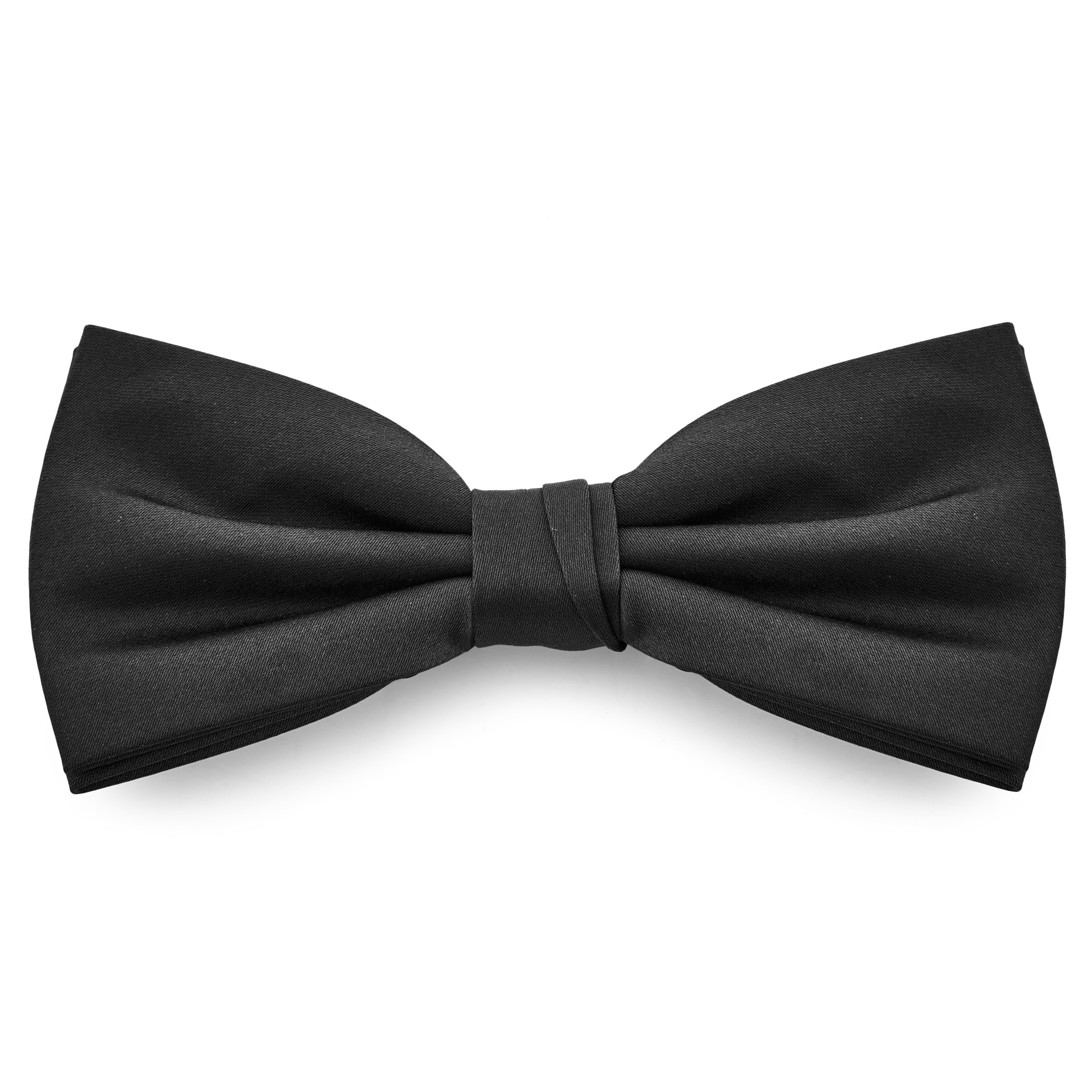
The Bow Tie as a Strategic Identity Marker
In the realm of personal branding, consistency is the bedrock of recognition. A personal brand is not simply a logo or a mission statement; it is the sum of the visual and behavioral cues an individual projects into their network. The choice to wear a bow tie is rarely a neutral act. It is a calculated aesthetic decision that serves to elevate one’s visibility in professional settings.
Visual Anchoring and Memorability
When you enter a room filled with professionals dressed in identical navy or charcoal power suits and standard long ties, the individual wearing a bow tie immediately creates a “pattern interrupt.” This psychological phenomenon ensures that you become the focal point of a visual landscape. By adopting a signature accessory, you provide peers and potential clients with an easy-to-remember shorthand for your identity. If your personal brand is built on being the “creative consultant” or the “out-of-the-box strategist,” the bow tie reinforces that messaging with non-verbal consistency.
Intellectual Signaling and Authority
Historically, the bow tie has been associated with professions that prioritize intellectualism and non-conformity—architects, academics, engineers, and surgeons. By donning a bow tie, you are participating in a visual lineage that suggests an appreciation for precision and traditional craftsmanship, yet rejects the “corporate drone” aesthetic. It signals that you are comfortable with intellectual independence. For personal branding, this is a powerful differentiator; it tells clients that you bring a unique perspective to their challenges rather than a standard, repeatable solution.
Design Principles: Constructing a Coherent Visual Narrative
Effective personal branding requires alignment between your visual identity and your professional value proposition. A bow tie is a bold choice, and like any high-impact design element, it must be executed with intentionality. If the bow tie does not align with your broader brand personality, it risks appearing as a gimmick rather than an extension of your professional persona.
Color Theory and Context
The selection of your bow tie should follow the same principles of color psychology used in corporate branding. A vibrant, primary-colored bow tie may communicate creativity, approachability, and high energy—perfect for those in marketing or design roles. Conversely, muted tones or patterns like houndstooth or understated silks signal sophistication, stability, and gravitas. Understanding how these choices impact your “brand voice” is essential. Your accessory should never distract from the substance of your work, but rather frame your professional image in a way that aligns with your market positioning.
The Power of Authenticity
The most dangerous trap in personal branding is inauthenticity. If you wear a bow tie solely because you believe it will make you look “successful,” but you feel uncomfortable or out of character while wearing it, the dissonance will be apparent to your clients. A brand identity must be authentic to be sustainable. If you choose to integrate the bow tie into your daily attire, it must become a natural component of your self-presentation. It requires a level of comfort that radiates confidence, which is the most critical asset in any professional interaction.
The Bow Tie in Corporate Culture and Professional Networking
Networking is fundamentally about building relationships based on trust and differentiation. In a digital-first world, physical presence remains the most effective way to solidify those bonds. The bow tie serves as a conversation starter, lowering the barrier to entry for networking interactions and providing a foundation for rapport.
Facilitating the “Ice-Breaker” Effect
The bow tie is a known “pattern interrupt” that often invites questions. This is a massive advantage in high-stakes networking environments. When a prospect or a potential partner asks about your choice of attire, you have already moved past the awkward “what do you do?” phase of the conversation. You have opened a doorway to discuss your values, your background, and your perspective. In branding terms, this is “earned engagement.” It allows you to pivot naturally from a lighthearted comment about your accessory into a meaningful discussion about how your brand provides value.
Consistency Across Multiple Channels
A robust personal brand must translate across all touchpoints, from in-person meetings to LinkedIn profile pictures and digital appearances. By consistently wearing a bow tie, you solidify your digital visual identity. When a lead or a colleague visits your profile, the visual representation should match the person they met in the boardroom. This consistency builds trust—one of the most valuable currencies in the business world. Over time, the bow tie becomes an iconographic element of your brand. It represents a promise of quality and distinct thought, becoming synonymous with your professional name.
Mastering the Brand Aesthetic: Professional Implementation
Implementing a specific visual marker like the bow tie requires adherence to the rules of professional presentation. It is not enough to simply wear the item; one must curate the entire look to maintain professional credibility.
Balancing Sophistication with Practicality
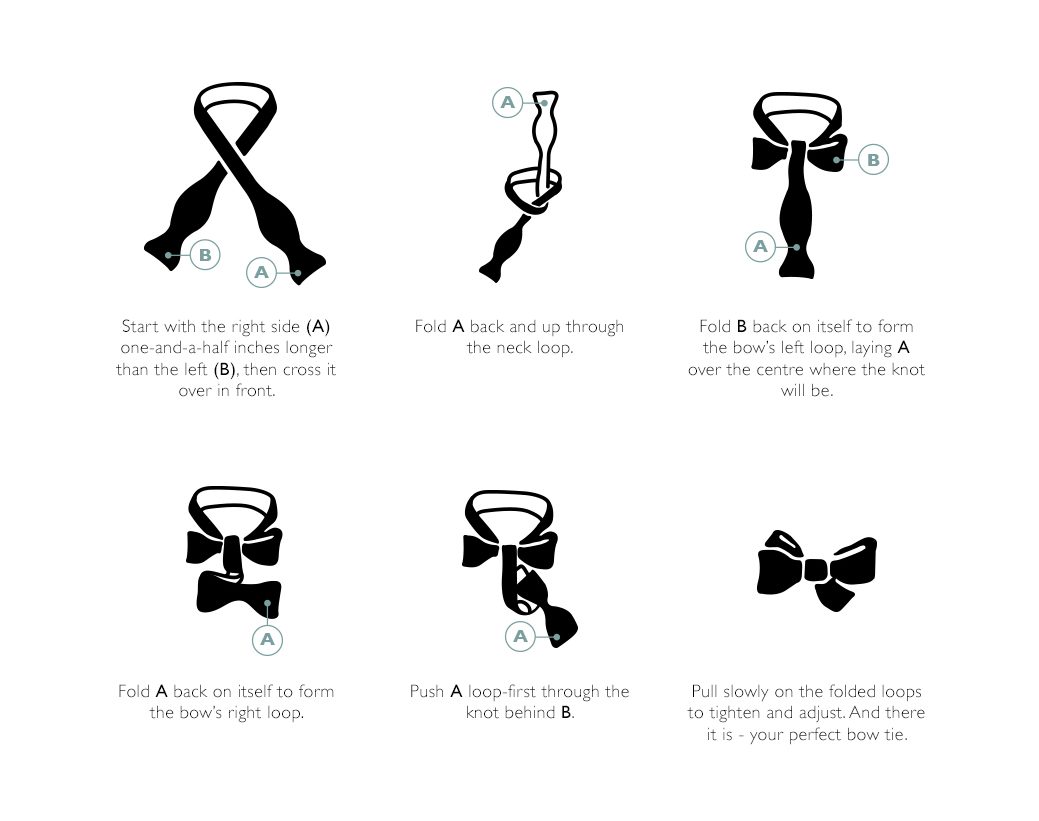
The bow tie is an accessory of refinement. To ensure it enhances rather than undermines your professional brand, it must be paired with appropriate tailoring. A high-quality, hand-tied bow tie is a sign of attention to detail. Clip-on variations, while functional, are often perceived as shortcuts. In a professional branding context, the “craft” behind the item matters. Choosing to tie your own bow tie signals that you are willing to invest time in the details of your presentation—a trait that clients often subconsciously project onto the quality of your professional work.

Maintaining Versatility
A well-developed personal brand is versatile. The beauty of the bow tie is its adaptability; it can be scaled up for formal presentations or scaled down for casual Friday strategy sessions. By learning to incorporate different fabrics—wool for the winter, cotton or linen for the summer—you demonstrate an understanding of context and seasonal relevance. This level of curation shows that you are in control of your image, a critical component of executive presence.
In conclusion, the bow tie is much more than a neck accessory. It is a strategic tool for personal branding that allows professionals to carve out a distinct identity in a crowded market. It signals intellect, confidence, and a commitment to detail. Whether you are building a consultancy, leading a creative team, or positioning yourself as a thought leader in your industry, the bow tie can serve as the visual anchor that makes your professional brand not just seen, but remembered. When your visual identity is as carefully constructed as your professional strategy, you gain a subtle yet powerful advantage in every interaction, transforming the way the market perceives your value and your unique contribution.
aViewFromTheCave is a participant in the Amazon Services LLC Associates Program, an affiliate advertising program designed to provide a means for sites to earn advertising fees by advertising and linking to Amazon.com. Amazon, the Amazon logo, AmazonSupply, and the AmazonSupply logo are trademarks of Amazon.com, Inc. or its affiliates. As an Amazon Associate we earn affiliate commissions from qualifying purchases.