
The term “bolt of fabric” might conjure an image of a giant roll, but its significance extends far beyond a simple physical description, especially when viewed through the lens of finance, business operations, and personal budgeting. For anyone involved in textile-related ventures, from large-scale manufacturing to small online craft businesses and even dedicated hobbyists, understanding what a bolt entails—and its inherent financial implications—is critical for shrewd purchasing, effective inventory management, and ultimately, robust profitability or significant personal savings.
Understanding the Standard Unit in Textile Commerce
At its core, a bolt of fabric represents a standardized, large-scale unit of material, primarily used for wholesale and manufacturing purposes. While the precise dimensions can vary, the concept remains consistent: it’s a bulk quantity designed to offer economic advantages over smaller, retail cuts.

Defining the Bolt: More Than Just a Roll
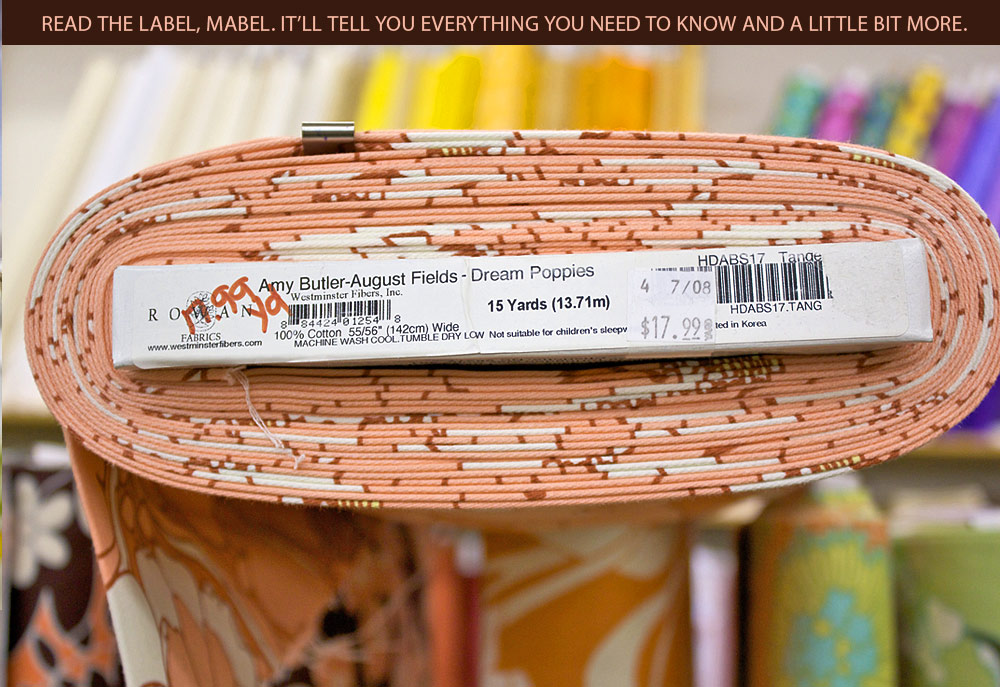
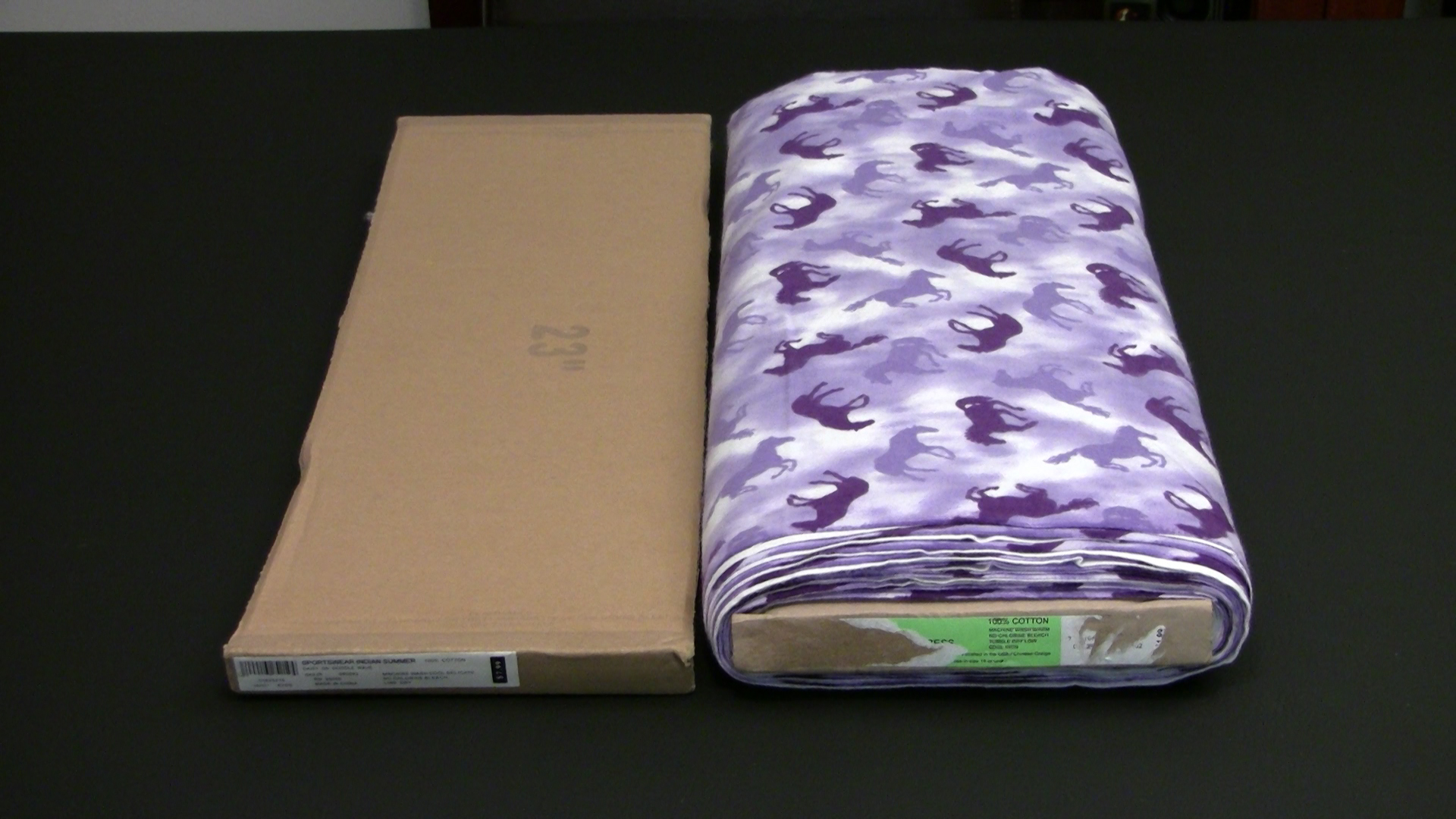
A bolt of fabric refers to a large roll of textile material wound tightly onto a core, typically cardboard or plastic. This core prevents creasing and allows for easier storage and transportation. Historically, the term “bolt” dates back centuries, signifying a specific, large measurement of cloth, though the exact length has evolved over time and varies by fabric type and region. It’s the industry’s default unit for transactions between mills or distributors and manufacturers, designers, or bulk buyers. Unlike a simple “roll,” which can be any length, a “bolt” implies a standard, commercially viable quantity that influences pricing tiers and logistical considerations.
Standard Dimensions and Variations
While there isn’t one universal “standard” length for a bolt, common lengths are typically between 40 to 100 yards (approximately 36 to 91 meters). However, this can fluctuate significantly based on several factors:
- Fabric Type: Heavier or thicker fabrics like upholstery velvet or canvas often come in shorter bolts (e.g., 20-30 yards) because of their weight and bulk, making them manageable. Lighter, more delicate fabrics like chiffon or silk might come in longer bolts (e.g., 50-100 yards).
- Fiber Content: Natural fibers (cotton, linen, wool) may have different standard bolt lengths than synthetics (polyester, nylon), influenced by manufacturing processes and material properties.
- Supplier and Region: Different mills or distributors may have their own internal standards, and there can be regional variations in customary bolt sizes. For instance, European measures might lean towards meters, while North American markets typically use yards.
- Width: The width of fabric on a bolt is also standardized for a given type, commonly ranging from 36 inches (91 cm) for quilting cottons to 60 inches (152 cm) for apparel fabrics, and even wider for specialized uses. The width, combined with length, dictates the total square yardage and, consequently, the material cost.
Understanding these variations is crucial for accurate financial planning, as a “bolt” from one supplier might not yield the same usable quantity or total cost as a “bolt” from another. Due diligence in verifying specific measurements is paramount for buyers.
Financial Implications for Businesses and Entrepreneurs
For any business that relies on fabric as a raw material, from fashion brands to interior design firms or even event decorators, purchasing by the bolt is often the most financially sound strategy. It directly impacts procurement costs, inventory management, and ultimately, the bottom line.
Cost Savings and Bulk Purchasing Advantages
The most significant financial advantage of buying fabric by the bolt is the substantial cost saving per unit. Fabric distributors and mills offer tiered pricing structures where the price per yard or meter decreases significantly as the quantity purchased increases. A bolt, being a large quantity, almost always qualifies for wholesale pricing, which can be anywhere from 20% to 70% less than retail per-yard pricing.
This bulk discount directly translates into:
- Lower Material Costs: Reducing the per-unit cost of your primary raw material directly lowers your overall cost of goods sold (COGS).
- Improved Profit Margins: With lower COGS, your gross profit margin on each product increases, provided your selling price remains constant or is adjusted strategically.
- Competitive Pricing: The ability to acquire materials at a lower cost can allow businesses to offer more competitive pricing for their finished products, attracting more customers and increasing market share without sacrificing profitability.
Ignoring the bulk purchasing option by consistently buying fabric in smaller quantities can severely inflate production costs and erode potential profits.
Inventory Management and Cash Flow
While buying in bulk offers cost savings, it also necessitates careful inventory management, which has direct cash flow implications.
- Optimized Inventory Levels: Purchasing bolts means holding larger quantities of fabric. This requires adequate storage space and a robust inventory tracking system to prevent overstocking (tying up capital) or understocking (leading to production delays).
- Reduced Shipping Costs: Buying one large bolt is often more cost-effective in terms of shipping per yard than buying multiple smaller cuts over time. Fewer shipments also mean less administrative overhead.
- Predictable Supply: Having a bolt on hand ensures a consistent supply for production runs, reducing the risk of stock-outs, production halts, and potential penalties for delayed orders. This predictability can save money by avoiding rush orders or expedited shipping fees.
- Working Capital Management: The capital invested in a bolt of fabric is tied up until the fabric is used and the finished product sold. Businesses must balance the cost savings of bulk buying against their available working capital and inventory turnover rates. A slow-moving fabric in bolt form can become a financial burden.
Effective inventory management software or systems are invaluable here, helping businesses track fabric usage, forecast demand, and optimize reorder points to maintain a healthy balance between cost savings and cash flow liquidity.
Impact on Production Costs and Profit Margins
The choice of how to purchase fabric directly influences a business’s operational efficiency and financial health.
- Streamlined Production: Having fabric in bolt form can streamline the cutting process in manufacturing, reducing waste and labor costs associated with handling multiple smaller pieces. It allows for continuous cutting, which is faster and more efficient.
- Waste Reduction: While not always obvious, larger cuts from bolts can sometimes lead to more efficient pattern layouts, minimizing fabric waste compared to trying to fit patterns onto smaller, odd-shaped remnants from partial rolls. Less waste means more finished products from the same amount of purchased material, effectively increasing the value derived from each dollar spent.
- Pricing Strategy: Understanding the true cost per yard or meter from a bolt purchase allows businesses to accurately price their products for maximum profitability. It provides a clear baseline for calculating material expenses for each item produced, ensuring that pricing covers all costs and yields a desired profit margin.
Ultimately, strategic bolt purchasing is a cornerstone of sound financial management for any fabric-dependent business, impacting everything from raw material costs to production efficiency and final profitability.
Strategic Purchasing for Online Income and Side Hustles
For individuals running smaller operations, such as Etsy shops, custom apparel businesses, or craft-based side hustles, the decision to buy by the bolt is a strategic one, often representing a significant leap in scale and financial commitment.
Evaluating Needs: When to Buy by the Bolt
The critical question for micro-entrepreneurs is not if buying by the bolt saves money, but when it makes financial sense. This involves careful calculation and demand forecasting:
- Consistent Demand: If your side hustle has a proven track record of selling a particular product made from a specific fabric, and you anticipate consistent demand over several months, a bolt purchase can be highly advantageous.
- Standardized Products: Businesses producing standardized items (e.g., a line of identical tote bags, scrunchies, or baby blankets) will benefit more than those creating one-off custom pieces.
- Material Lifespan: Consider the shelf life of the fabric. Some materials (like certain silks or delicate laces) may degrade over time or be susceptible to environmental damage, making it risky to stock excessive quantities if demand is uncertain.
- Storage Space: A bolt of fabric can be substantial. Assess whether you have adequate, clean, and dry storage space that won’t damage the material. Wasted fabric due to poor storage negates any cost savings.
A simple break-even analysis comparing the cost of buying per yard versus per bolt, alongside your sales projections, can guide this decision.
Sourcing and Negotiation: Maximizing Value
Even for smaller buyers, there are opportunities to maximize value when sourcing bolts:
- Wholesale Suppliers: Identify reputable wholesale fabric suppliers or direct-from-mill distributors. Many now cater to smaller businesses with lower minimum order quantities than traditional industrial suppliers.
- Trade Shows and Online Marketplaces: Attend industry trade shows (physical or virtual) or explore online wholesale platforms dedicated to textiles. These can offer competitive pricing and opportunities to discover new materials.
- Volume Discounts: Don’t hesitate to inquire about additional volume discounts, even if you’re only buying one or two bolts. Building relationships with suppliers can lead to better terms over time.
- End-of-Roll Deals: Sometimes, mills or distributors sell “end-of-roll” bolts that are slightly shorter than standard but come at a significant discount. These can be excellent for testing new products or for items that don’t require full standard lengths.
- Shipping Costs: Always factor in shipping costs when comparing prices, as these can significantly impact the final cost per yard, especially for heavy bolts.
Resale Potential and Minimizing Waste
For entrepreneurial individuals, a bolt of fabric isn’t just a raw material; it can also be an asset with potential for resale or diversification.
- Pre-Cuts and Bundles: If you find a fantastic deal on a bolt, you might purchase more than you initially need. Consider cutting and repackaging portions of the bolt into smaller, curated bundles or fat quarters to sell to other crafters. This can generate additional income and reduce your net cost for the fabric you retain.
- Project Diversification: A large quantity of fabric can inspire new product ideas. If your primary product line slows, having material on hand allows you to quickly pivot to creating new items for sale without incurring immediate new material costs.
- Mitigating Dead Stock: If a particular fabric isn’t selling as anticipated in your finished products, the ability to sell off remaining bolt yardage to other crafters or small businesses can help recoup some of your initial investment, preventing it from becoming completely dead stock. This requires a small understanding of the secondary fabric market.
Personal Finance Benefits for Avid Creators
Beyond business, individuals who frequently engage in sewing, quilting, or large DIY home decor projects can also find substantial personal finance benefits in understanding and utilizing fabric bolts.
Budgeting for Large Projects and Hobbies
For personal use, buying fabric by the bolt can be a strategic budgeting tool for dedicated hobbyists.
- Significant Savings: Just like businesses, individual consumers can access wholesale or discounted pricing by purchasing bolts, dramatically reducing the overall cost of their craft. This allows a greater allocation of personal funds to other aspects of their hobby, such as tools, patterns, or classes.
- Project Cost Control: If you’re undertaking a large project like quilting a king-size bedspread or reupholstering a full furniture set, a bolt ensures you have a continuous run of matching fabric. This prevents the costly scenario of running out of material mid-project and having to scramble to find a dye-lot match, often at a premium.
- Financial Planning for Future Projects: If you have a passion for a particular fabric type or print, buying a bolt when it’s on sale can be an investment in future projects, allowing you to stock up at a lower price point than waiting until you need it.
Long-Term Savings and Material Security
The long-term financial benefits of bolt purchasing for personal use extend to material security and reducing recurring expenses.
- Building a Stash Economically: Many crafters maintain a fabric “stash” for spontaneous projects. Buying in bolts allows you to build this stash far more economically than purchasing small cuts over time, essentially pre-paying for future creative endeavors at a discount.
- Avoidance of Price Increases: Once you own the fabric, you are insulated from future price increases or discontinuation of that specific design or color. This ensures continuity for ongoing personal projects or future gifts.
- Quality Control: Buying a bolt from a reputable supplier allows for a single quality check of the entire lot, rather than inspecting multiple smaller cuts that might have subtle variations in weave or dye. This reduces the risk of wasted time and money on defective material.
The Future of Fabric Procurement and Financial Planning
The textile industry is continually evolving, and with it, the strategies for financially astute fabric procurement. Digital tools and a growing emphasis on sustainability are shaping how businesses and individuals approach buying by the bolt.
Digital Tools for Inventory and Cost Tracking
Modern financial planning and inventory management are increasingly reliant on technology.
- Spreadsheets and Software: Simple spreadsheets or specialized inventory software can track bolt purchases, cost per yard, usage rates, and remaining stock. This data is invaluable for reorder planning and calculating precise material costs for products.
- Demand Forecasting: Advanced analytics can help businesses forecast demand for specific fabrics, optimizing bolt purchases to prevent overstocking (tying up capital) or understocking (missing sales opportunities).
- Supplier Relationship Management (SRM): Digital platforms can help manage relationships with multiple suppliers, tracking order history, pricing agreements, and communication, leading to better negotiation and terms.
Sustainable Sourcing and Ethical Investments
An emerging financial consideration when buying bolts is the ethical and sustainable footprint of the fabric.
- Eco-Friendly Materials: Investing in bolts of organic cotton, recycled polyester, or other sustainably produced textiles can appeal to a growing market segment willing to pay a premium for ethical products. While the initial cost per bolt might be higher, the perceived value and marketability can lead to greater profitability and brand loyalty.
- Supply Chain Transparency: Understanding where your fabric bolts come from and supporting suppliers with transparent and ethical labor practices can mitigate reputational risks and align with corporate social responsibility goals, which increasingly impact investor and consumer decisions.
- Long-Term Value: High-quality, sustainably sourced fabrics often have better longevity, reducing waste and potentially commanding higher prices for finished goods, representing a long-term value investment.
In conclusion, “what is a bolt of fabric?” is not merely a question of measurement but a gateway to a deeper understanding of financial efficiency, strategic purchasing, and optimized resource allocation across various scales of textile-related endeavors. Whether for a burgeoning business or a dedicated personal craft, mastering the economics of the fabric bolt is a fundamental step toward financial success and creative fulfillment.
aViewFromTheCave is a participant in the Amazon Services LLC Associates Program, an affiliate advertising program designed to provide a means for sites to earn advertising fees by advertising and linking to Amazon.com. Amazon, the Amazon logo, AmazonSupply, and the AmazonSupply logo are trademarks of Amazon.com, Inc. or its affiliates. As an Amazon Associate we earn affiliate commissions from qualifying purchases.