
To the uninitiated, the question “What is a Bojangle?” might sound like an inquiry into a piece of folklore, a dance move, or an obscure piece of Southern slang. However, in the world of corporate strategy and fast-service retail, Bojangles represents one of the most successful examples of regional brand loyalty and niche market positioning in the United States. Founded in 1977 in Charlotte, North Carolina, Bojangles has evolved from a single fried chicken stall into a multi-billion dollar brand that commands a cult-like following.
To understand what a “Bojangle” truly is, one must look past the menu and analyze the brand’s strategic pillars: its commitment to Southern heritage, its unique positioning in the “Chicken-plus-Biscuit” category, and its masterful use of experiential marketing to create a sense of belonging among its consumer base.
The DNA of the Bojangles Brand: Heritage as a Competitive Advantage
Every successful brand is built on a foundation of storytelling. For Bojangles, that story is rooted in the authenticity of the American South. Unlike global competitors that attempt to appeal to everyone by neutralizing their regional identifiers, Bojangles leans heavily into its North Carolinian roots. This creates a brand personality that feels “homegrown” rather than “corporate.”
Roots in the Carolinas and the Power of Origin
The Bojangles brand was born from a specific vision by Jack Fulk and Richard Thomas: to provide a flavor profile that was bolder and more seasoned than the industry standard. By rooting the brand in Charlotte, the company tapped into a geographic identity that values hospitality, scratch-made cooking, and “Cajun” flair. From a brand strategy perspective, this geographic anchoring acts as a moat. It allows Bojangles to own the “Southern” narrative in its core markets, making it difficult for outsiders to infiltrate without appearing like a pale imitation.
The “Famous Chicken ‘n Biscuits” Value Proposition
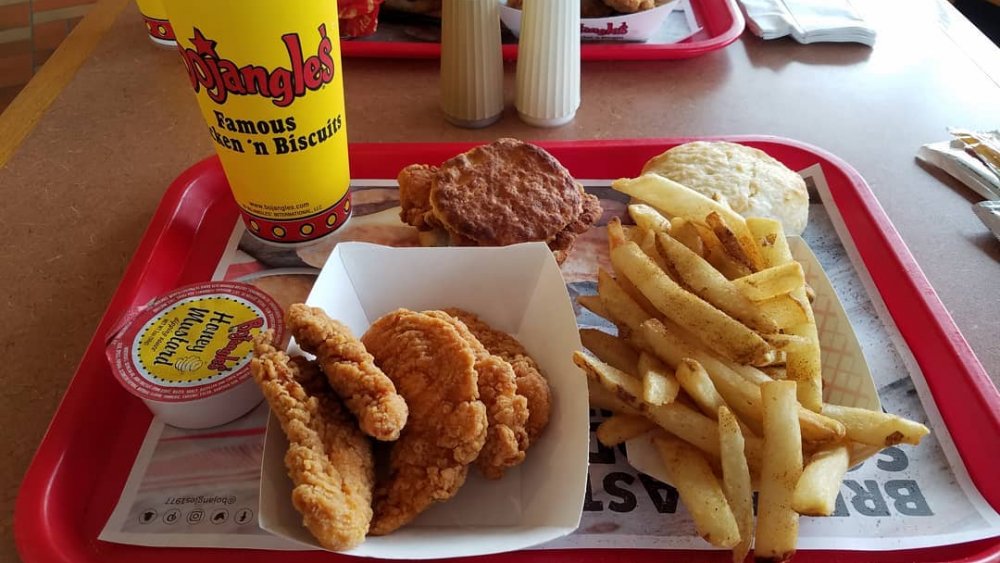
The brand’s identity is inextricably linked to its product consistency. In branding, the “Product” is the most tangible touchpoint. Bojangles defined its niche through two specific items: spicy, bone-in fried chicken and made-from-scratch buttermilk biscuits. By focusing on a “Chicken ‘n Biscuits” identity rather than just “Fast Food,” the brand carved out a space in the consumer’s mind that is distinct from burger-centric chains. This specialization reinforces the brand promise of quality over mass-market variety.
Strategic Positioning and Market Differentiation
In a crowded Quick Service Restaurant (QSR) landscape, brand survival depends on differentiation. Bojangles has successfully navigated this by dominating a specific day-part that many of its competitors ignored for decades: the breakfast hour. This strategic move transformed the brand from a lunch-and-dinner spot into a 24/7 lifestyle choice for its fans.
The All-Day Breakfast Competitive Edge
Long before McDonald’s or Wendy’s prioritized all-day breakfast, Bojangles made the biscuit the hero of its menu at all hours. This decision was a masterclass in brand positioning. By offering “breakfast anytime,” Bojangles signaled to its customers that the brand operates on their schedule, not the corporate clock. This flexibility has become a core component of the Bojangles brand identity, associating the name with comfort and reliability regardless of the time of day.
The “Made from Scratch” Brand Promise
In an era of highly processed, flash-frozen fast food, Bojangles leans into the “scratch-made” narrative. Every 20 minutes, a “Master Biscuit Maker” prepares a fresh batch of biscuits in-store. This is not just a culinary choice; it is a brand strategy designed to convey transparency and craftsmanship. By highlighting the human element—the actual person kneading the dough—Bojangles elevates its brand from a mechanical food provider to a kitchen-centric establishment. This helps justify its premium positioning in the market compared to lower-tier competitors.
Visual Identity and the Psychology of “It’s Bo Time”
A brand is not just what you eat; it is how you feel when you see its colors or hear its name. Bojangles has cultivated a visual and auditory identity that is instantly recognizable across the Southeastern United States, utilizing specific psychological triggers to drive consumer action.

The Iconic Color Palette and Logo
The Bojangles visual identity is centered on a vibrant combination of yellow, red, and blue. Red and yellow are psychologically proven to stimulate appetite and create a sense of urgency, a staple in QSR branding. However, the addition of the “Bojangles” script logo—with its whimsical, slightly retro font—adds a layer of friendliness and accessibility. The branding avoids the clinical, minimalist look favored by modern tech-forward chains, opting instead for a “festive” aesthetic that suggests a celebration of food.
The Power of the “It’s Bo Time” Slogan
Perhaps the most successful element of the Bojangles brand strategy is the “It’s Bo Time” campaign. A great slogan does more than describe a product; it issues a call to action. “It’s Bo Time” transforms the act of eating into an event. It suggests that there is a specific moment in the day when only Bojangles will suffice. This slogan has permeated the cultural lexicon in the South, often used in sports marketing and social media to signal excitement. By creating a catchphrase that consumers actually use, Bojangles has achieved the pinnacle of brand integration: becoming part of the local vernacular.
Community Integration and the “Home Team” Strategy
A brand’s strength is often measured by its community ties. Bojangles has mastered the art of “hyper-local” branding, ensuring that it isn’t just a store in a town, but a partner in the community’s culture. This is most evident in their heavy investment in sports and regional traditions.
Sports Sponsorships and Cultural Alignment
Bojangles has strategically aligned itself with the passions of its core demographic: college football, NASCAR, and the NFL. By being the “Official Fried Chicken” of various universities and professional teams like the Carolina Panthers, the brand reinforces its identity as a staple of the Southern “tailgate” culture. From a marketing perspective, this is a “lifestyle” play. Bojangles positions its “Big Bo Box” as an essential component of the game-day experience, moving the brand from a solitary meal to a social necessity.
The Role of the “Big Bo Box” in Social Branding
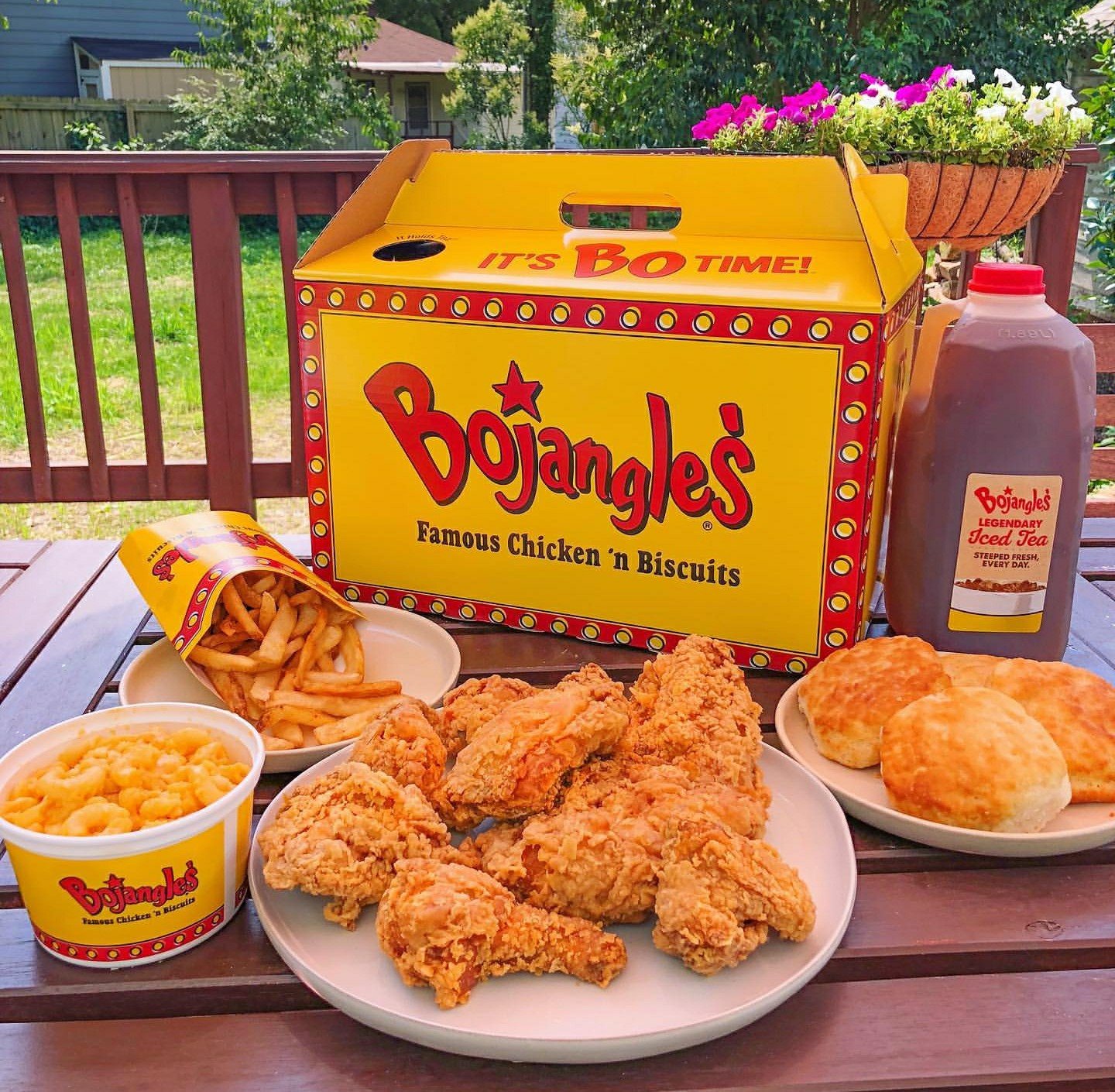
The packaging of the “Big Bo Box” is a stroke of branding genius. It is designed to be shared, reinforcing the brand values of family, community, and hospitality. In the world of corporate identity, packaging is a silent salesman. The oversized, bright yellow box serves as a mobile billboard. When a consumer carries a Big Bo Box into a party or an office, they are making a public statement about their brand preference, effectively acting as a brand ambassador.
Modernizing a Legacy Brand: Growth and Digital Transformation
The final aspect of understanding what a “Bojangle” is involves looking at its future. As the brand moves beyond its Southern stronghold and enters new markets like Texas, Ohio, and even international territories, it faces the challenge of maintaining its “small-town” soul while operating as a high-tech, modern enterprise.
Digital Transformation and the User Experience
To compete in the modern era, Bojangles has had to transition its brand into the digital space. This includes a robust mobile app, loyalty programs, and streamlined “Bo-To-Go” curbside pickup. The challenge for the brand team has been to ensure that the digital experience feels as “warm” as the in-store experience. By naming their loyalty rewards and focusing on user-friendly interfaces, they have managed to modernize the brand without alienating the older, traditionalist customer base that has been loyal for decades.
Scaling the Southern Identity
As Bojangles expands, the central brand question becomes: Can “Southern” be a flavor that travels? The brand’s current strategy suggests that they are not just selling chicken, but an experience of Southern hospitality. By maintaining strict standards for their scratch-made biscuits even in expansion markets, Bojangles is betting that their brand equity—built on authenticity and “Bo Time” energy—will resonate with consumers who are tired of generic, mass-produced fast food.
Conclusion: The Meaning of the “Bo”
So, what is a Bojangle? From a brand strategy perspective, it is a masterclass in regional dominance and emotional resonance. It is a brand that understands its audience perfectly and refuses to compromise on the core pillars that made it famous: bold flavor, handmade quality, and a deep-seated connection to Southern culture.
Bojangles serves as a case study for any brand looking to build a “tribe.” It proves that by owning a niche, leaning into your origin story, and creating a sense of urgency through clever marketing, a company can grow from a local favorite into a powerful corporate identity. Whether it’s through the iconic “It’s Bo Time” bell or the smell of fresh biscuits at 6:00 AM, the Bojangles brand is more than just a restaurant; it is a cultural landmark that continues to define what it means to be a modern, successful American brand.
aViewFromTheCave is a participant in the Amazon Services LLC Associates Program, an affiliate advertising program designed to provide a means for sites to earn advertising fees by advertising and linking to Amazon.com. Amazon, the Amazon logo, AmazonSupply, and the AmazonSupply logo are trademarks of Amazon.com, Inc. or its affiliates. As an Amazon Associate we earn affiliate commissions from qualifying purchases.