
In the rapidly evolving landscape of health-focused technology and physiological diagnostics, few tools have gained as much traction as the Bod Pod. Often categorized under the umbrella of high-end biometric monitoring gadgets, this piece of hardware represents a significant leap forward in precision health technology. By leveraging sophisticated sensor arrays and proprietary algorithms, the Bod Pod has become the gold standard for individuals and clinics seeking to move beyond crude estimation tools like basic BMI charts or consumer-grade smart scales. Understanding what this technology does requires looking past its futuristic aesthetic and focusing on the underlying engineering that makes it a cornerstone of modern body composition analysis.
The Engineering Behind Air Displacement Plethysmography
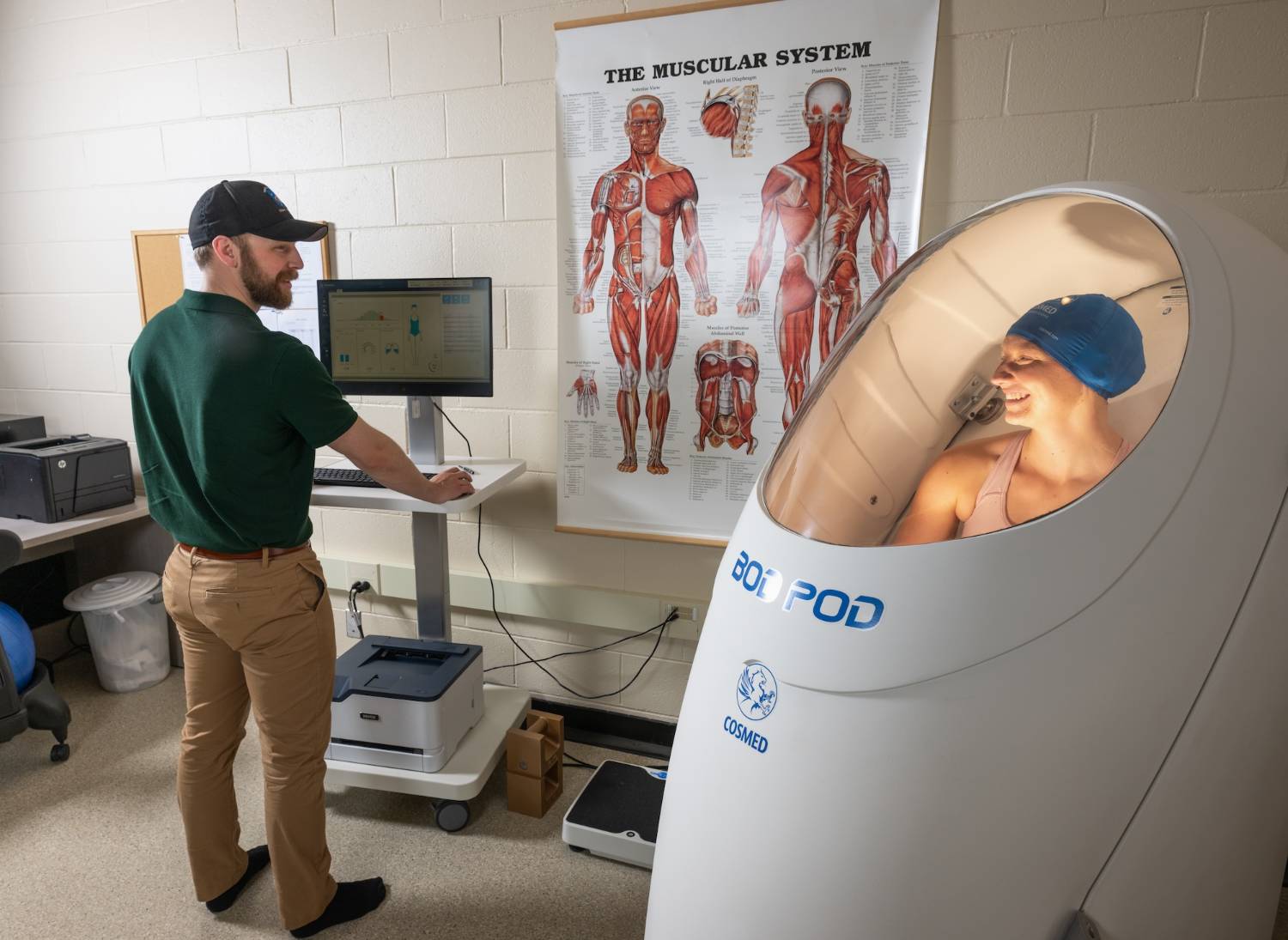
At its core, the Bod Pod is an implementation of a scientific technique known as Air Displacement Plethysmography (ADP). While the name may sound intimidating, the physics behind it is elegant and highly accurate. The device functions as a specialized chamber designed to measure the volume of a human body through the displacement of air, rather than the displacement of water—which was the traditional standard for hydrostatic weighing.
Precision Sensor Arrays and Pressure Calibration
The device operates within a controlled environment where precision is paramount. When a user sits inside the chamber, the system meticulously calibrates the volume of the internal air space. By utilizing high-frequency sensors to detect minute changes in pressure—governed by Boyle’s Law—the device calculates the exact volume of the individual sitting within it. The software integration then subtracts the known volume of the chamber from the measured displacement to derive the user’s body volume with a margin of error that is significantly lower than almost any other non-invasive diagnostic tool currently on the market.
Integrating Density with Mass
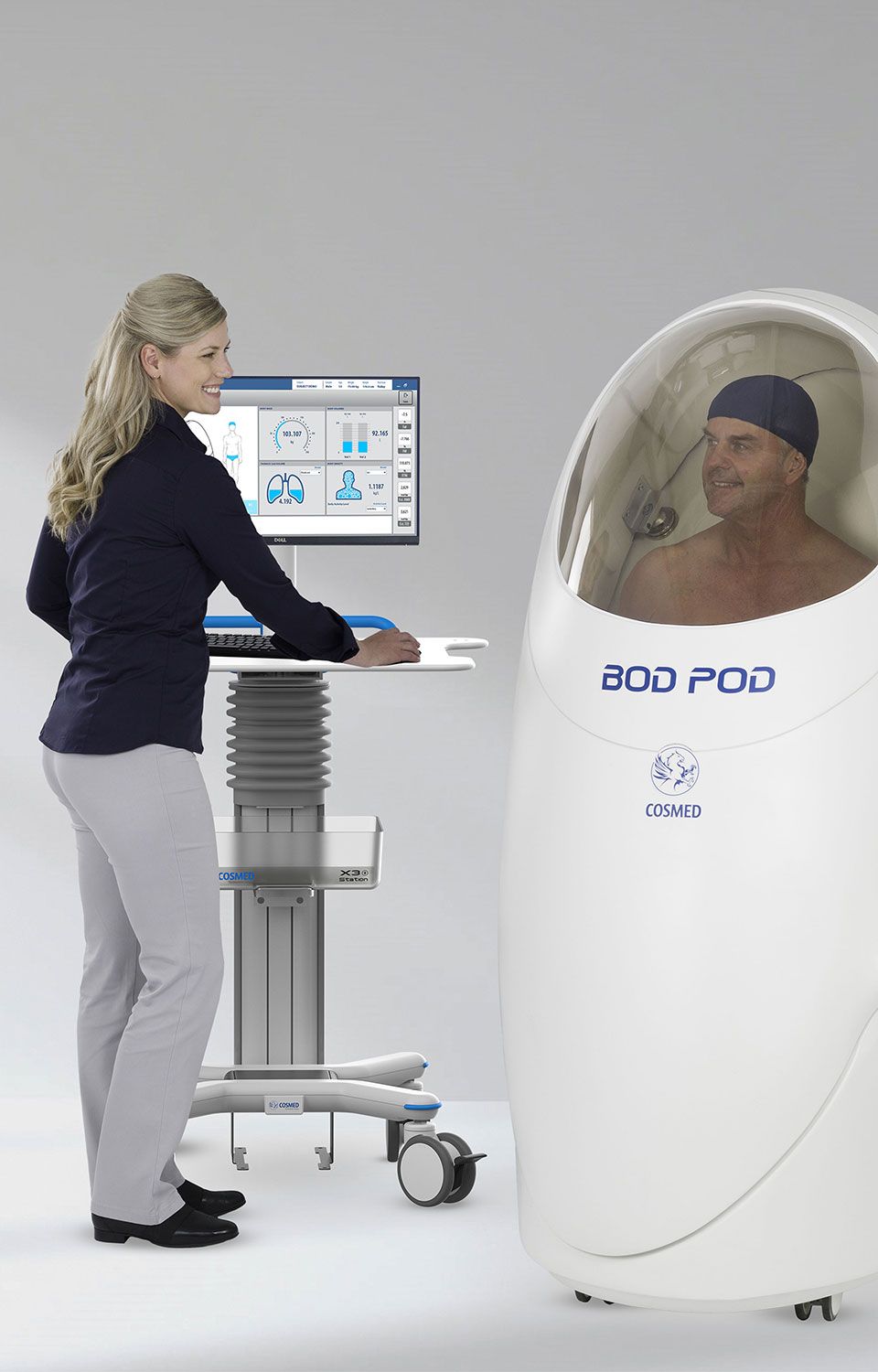
The Bod Pod does not operate as a standalone metric. It is paired with a high-precision digital scale integrated into the chair. Because body composition is essentially a calculation of density, the device requires two primary data points: mass and volume. Once the system has determined the user’s mass via the weight scale and their volume via air displacement, it applies internal algorithms to calculate body density. From this density, the system partitions the body into two fundamental components: fat mass and fat-free mass (which includes muscle, bone, and water). This data-driven approach is what elevates the Bod Pod from a simple piece of gym equipment to a sophisticated piece of biometric software and hardware.
Why the Bod Pod Outperforms Consumer Technology
The rise of wearable fitness technology and AI-powered smart mirrors has brought health metrics into the home. However, there remains a persistent gap between the “estimates” provided by consumer gadgets and the “diagnostic data” provided by clinical-grade technology. The Bod Pod occupies this niche as a high-fidelity diagnostic tool that professionals rely on to make informed decisions.
Eliminating the Variables of Bioelectrical Impedance
Most home-based smart scales utilize Bioelectrical Impedance Analysis (BIA), which sends a small, imperceptible electrical current through the body. While BIA is convenient, it is notoriously volatile. Factors such as hydration levels, recent exercise, meal timing, and even skin temperature can radically shift the results, leading to significant fluctuations in perceived body composition. The Bod Pod is largely immune to these physiological variables. Because it measures physical displacement, it provides a consistent, repeatable baseline that allows users to track true metabolic shifts rather than temporary changes in fluid retention or electrolyte balance.
Advanced Software Algorithms for Standardized Reporting
The software powering the Bod Pod is perhaps its most significant asset. When a user completes a session, the system processes thousands of data points to generate a comprehensive report. This is not merely a percentage; it is a longitudinal snapshot that accounts for age, sex, and ethnicity-specific prediction equations. By utilizing a database of validated clinical benchmarks, the software allows for a level of analytical depth that helps trainers, researchers, and individuals understand exactly how their metabolic rate and body composition are evolving over a long-term cycle, rather than reacting to daily fluctuations in weight.
Clinical Applications and The Future of Biometric Diagnostics
The versatility of the Bod Pod extends far beyond the average fitness enthusiast. Its clinical reliability has made it a preferred tool in specialized fields ranging from sports medicine to geriatric nutrition. As the global shift toward proactive health management continues, the role of these diagnostic gadgets is expanding to fill a critical need in personal health data architecture.
Sports Performance and Recovery Cycles
In the elite sporting world, body composition is as vital as cardiovascular capacity. Professional athletes rely on Bod Pod measurements to ensure that their training regimens are resulting in muscle hypertrophy while maintaining an optimal fat-to-muscle ratio. By using the device’s data to adjust caloric intake and macronutrient profiles, coaches can mitigate the risk of overtraining and ensure that athletes are peaking at the correct time during a competitive season. This data-driven approach removes the guesswork from sports nutrition, turning the athlete’s physique into a finely tuned instrument managed by scientific feedback.
Research and Medical Monitoring
Beyond the gym, the Bod Pod serves a critical role in clinical research. Physicians use the technology to track muscle wasting in patients suffering from chronic illnesses or to monitor the effectiveness of weight-loss interventions in clinical trials. Because the Bod Pod provides such a high level of repeatability, it is considered the industry standard for longitudinal studies. As digital health continues to merge with physical diagnostic tools, we are likely to see the Bod Pod’s data integrate more seamlessly with personal health platforms, allowing individuals to store their biometric history in the cloud, sync it with AI-powered health advisors, and receive personalized recommendations based on objective, repeatable physical data.
Best Practices for Optimal Measurement Consistency
Even with the most advanced diagnostic technology, user protocol is essential for obtaining the best results. The Bod Pod is a precision instrument, and like any high-end piece of hardware, it performs best when the operating environment and user preparation are standardized.
Standardizing the Environment
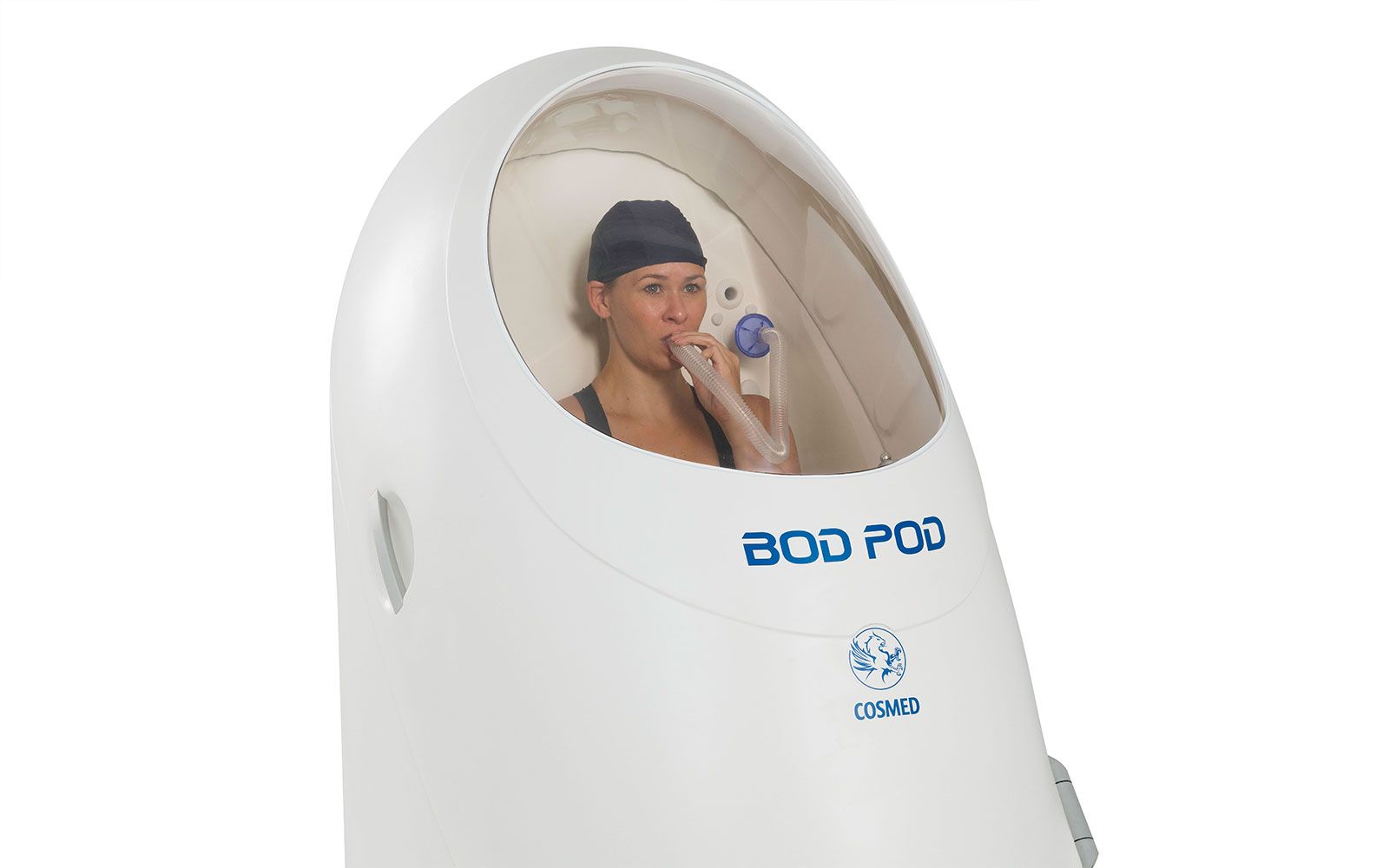
For those looking to maximize the accuracy of their scans, consistency is the primary variable. This means ensuring that measurements are taken under the same conditions every time. Ideally, users should wear tight-fitting, minimal clothing—typically a swimsuit or compression gear—and a swim cap to eliminate the trapping of air between hair strands. The air pockets trapped in hair or loose fabric can result in slight volume inaccuracies, which the software is designed to minimize, but user compliance remains the most significant factor in achieving the highest accuracy.
The Role of Longitudinal Tracking
The value of the Bod Pod is best realized through repeated testing. A single scan provides a snapshot, but a series of scans creates a trajectory. By establishing a quarterly or bi-annual testing schedule, an individual can create a data set that highlights trends in metabolic health. This longitudinal data serves as a roadmap for health optimization, allowing for the fine-tuning of exercise and nutrition plans. As more clinics and high-end fitness facilities adopt this hardware, the barrier to accessing professional-grade diagnostics is lowering, moving us toward a future where biometric literacy is a standard component of overall wellness.
Ultimately, the Bod Pod stands as a testament to the intersection of physics and health. It is a bridge between the clinical laboratory and the modern fitness center, providing objective, actionable data in an era where misinformation regarding health and nutrition is rampant. For anyone serious about understanding the precise composition of their body, it remains the gold standard in biometric technology.
aViewFromTheCave is a participant in the Amazon Services LLC Associates Program, an affiliate advertising program designed to provide a means for sites to earn advertising fees by advertising and linking to Amazon.com. Amazon, the Amazon logo, AmazonSupply, and the AmazonSupply logo are trademarks of Amazon.com, Inc. or its affiliates. As an Amazon Associate we earn affiliate commissions from qualifying purchases.