
In the rapidly evolving landscape of the twenty-first century, few technologies have sparked as much debate, innovation, and confusion as the blockchain. Often overshadowed by the volatile headlines of cryptocurrency markets, the underlying technology of blockchain represents a fundamental shift in how data is stored, verified, and transmitted across the globe. At its core, a blockchain is a distributed, immutable ledger that facilitates the process of recording transactions and tracking assets in a business network. To understand blockchain is to understand the future of digital trust, decentralized software architecture, and the next iteration of the internet itself.
The Fundamental Architecture of Blockchain Technology
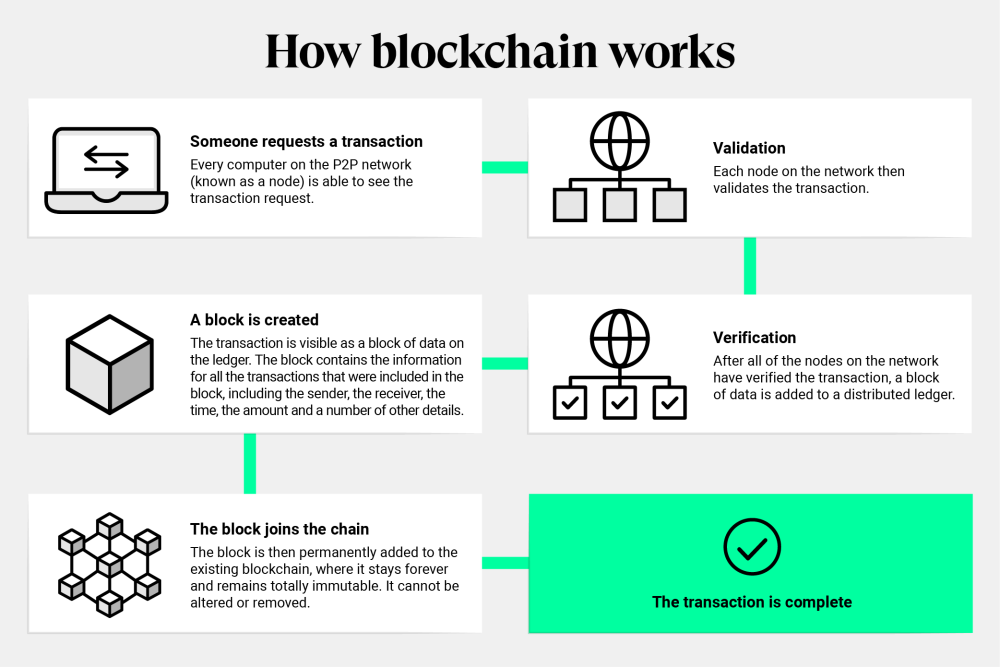
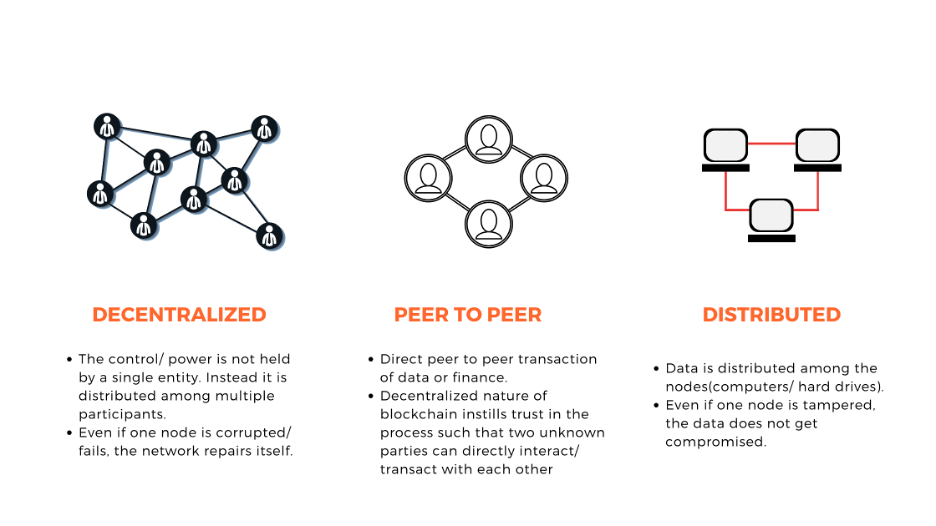
To grasp what a blockchain is, one must first look at its structural components. Unlike a traditional database managed by a central authority—such as a bank or a government agency—a blockchain is maintained by a peer-to-peer network of computers, known as nodes. This decentralized nature is the cornerstone of the technology, ensuring that no single entity has total control over the information contained within the ledger.
From Blocks to Chains: The Data Structure
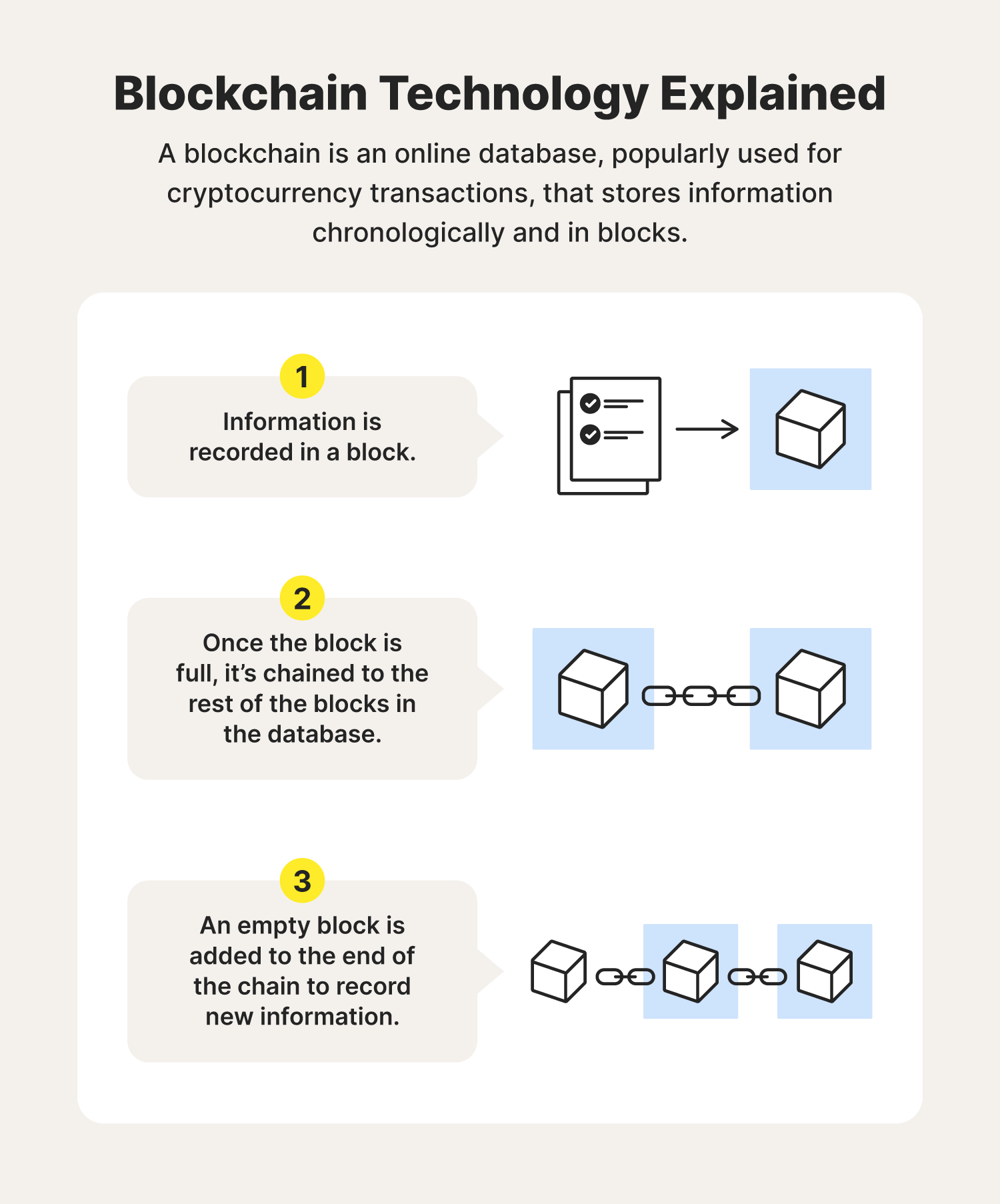
The term “blockchain” is literal. It is a sequence of “blocks” that contain data. Each block typically contains a list of validated transactions, a timestamp, and a unique mathematical identifier called a “hash.” Crucially, each block also contains the hash of the previous block in the sequence. This creates a chronological chain. Because each block is cryptographically linked to the one before it, any attempt to alter data in an earlier block would require changing every subsequent block in the chain, a feat that is computationally near-impossible in a sufficiently large network.
Decentralization vs. Centralization
In a centralized system, a single point of failure exists. If a central server is hacked or suffers a technical malfunction, the entire system is compromised. Blockchain solves this through decentralization. Every node in the network possesses a full copy of the ledger. This redundancy ensures that the system remains functional even if multiple nodes go offline. Furthermore, decentralization removes the “middleman,” allowing for direct interaction between parties without the need for a trusted third-party intermediary to verify the legitimacy of a transaction.
The Role of Nodes in a Network
Nodes are the heartbeat of the blockchain. They are responsible for storing data, communicating with other nodes to spread information about new transactions, and participating in the “consensus” process. There are different types of nodes: “full nodes” keep a complete history of the blockchain, while “light nodes” may only store essential headers to save space. Together, these participants form a resilient infrastructure that operates 24/7, independent of geographic borders or corporate jurisdictions.
How Transactions Work: The Lifecycle of a Block
Understanding the technical journey of a transaction helps demystify how blockchain maintains its integrity. When a user initiates a transaction, it isn’t immediately added to the ledger. Instead, it enters a state of digital limbo known as the “mempool” (memory pool), where it awaits verification by the network.
Initiation and Verification
Once a transaction is broadcasted to the network, nodes check it against a set of predefined rules. These rules verify that the sender has the necessary digital signatures and the requisite “balance” (or rights) to execute the transfer. In a software context, this is an automated process governed by the protocol’s code. Once verified, the transaction is grouped with others to form a new candidate block.
Consensus Mechanisms: Proof of Work vs. Proof of Stake
The most critical part of the blockchain lifecycle is “consensus”—the method by which the network agrees on which version of the ledger is the “true” one.
- Proof of Work (PoW): Utilized by the original Bitcoin protocol, PoW requires nodes (miners) to solve complex mathematical puzzles. The first to solve the puzzle earns the right to add the block to the chain. This requires significant computational power, making it expensive to attack the network.
- Proof of Stake (PoS): A more energy-efficient alternative, PoS selects validators based on the number of tokens they “stake” or lock up as collateral. This aligns the interests of the validators with the health of the network, as any malicious activity would result in the loss of their staked assets.
Immutability and the Hashing Process
Once a block is added to the chain through consensus, it becomes “immutable.” This immutability is achieved through cryptographic hashing. A hash function takes an input of any size and produces a fixed-length string of characters. Even the slightest change to the input data results in a completely different hash. Because each block references the previous block’s hash, the blockchain acts as a digital “glass box”—everyone can see what is inside, but no one can change the contents without breaking the entire structure.
Security Protocols and Digital Sovereignty
In the realm of digital security, blockchain is often touted as a revolutionary breakthrough. Its security model is not based on firewalls or passwords in the traditional sense, but on mathematics and game theory.
Cryptography and Private Keys
Blockchain relies heavily on asymmetric cryptography. Every user has a public key (which acts like an email address) and a private key (which acts like a password). To send data or assets, a user must “sign” the transaction with their private key. This digital signature proves ownership without revealing the key itself. This architecture empowers individuals with digital sovereignty, allowing them to control their data and assets without relying on a centralized service provider to keep their credentials safe.
Resistance to Cyberattacks
Traditional databases are vulnerable to “Single Point of Failure” attacks. If a hacker gains administrative access to a central server, they can manipulate the data. In a blockchain, a hacker would need to control more than 51% of the network’s total computing power or staked assets to override the consensus and commit a “51% attack.” For established blockchains, the cost and coordination required for such an attack are so high that it becomes practically unfeasible, providing a level of security that traditional software architectures struggle to match.
Transparency and Auditability
Every transaction on a public blockchain is visible to anyone with an internet connection. While users remain pseudonymous (identified by strings of characters rather than names), the movement of data is entirely transparent. This creates an unprecedented level of auditability. In software development and supply chain management, this means that every change, every update, and every movement can be traced back to its origin, eliminating the possibility of “shadow data” or fraudulent entries.
Smart Contracts and Programmable Logic
While the first generation of blockchain was designed for simple transfers of value, the second and third generations have introduced “Smart Contracts.” These are self-executing contracts with the terms of the agreement directly written into lines of code.
The Evolution Beyond Simple Transactions
Smart contracts, popularized by the Ethereum network, allow blockchain to move beyond a passive ledger and become a “world computer.” Instead of just recording that “Person A sent 5 units to Person B,” the blockchain can now process complex logic: “If Person A delivers the software update by Friday, then release the payment from the escrow.” This automation removes the need for legal intermediaries and reduces the potential for human error or bias.
Real-World Applications in Software Development
For developers, blockchain represents a new layer in the tech stack. It provides a decentralized backend for “DApps” (Decentralized Applications). These applications run on a blockchain rather than a centralized cloud server like AWS or Google Cloud. This ensures that the application is censorship-resistant and that the code will always execute exactly as written, providing a “trustless” environment for users.
Interoperability and the Future of Web3
The current focus in the tech industry is “Web3″—a decentralized version of the internet where users own their data. For Web3 to succeed, different blockchains must be able to communicate with one another. This is known as interoperability. Developers are currently building “bridges” and cross-chain protocols that allow data to move seamlessly across different blockchain ecosystems, creating a unified fabric of decentralized services.
The Future Landscape: Scalability and Integration
As blockchain technology matures, the focus has shifted from “what it is” to “how it can scale.” For blockchain to handle the transaction volume of a global system like Visa or the data throughput of a major social media platform, it must overcome significant technical hurdles.
Layer 1 vs. Layer 2 Solutions
The “Scalability Trilemma” suggests that it is difficult for a blockchain to achieve security, decentralization, and scalability simultaneously. To solve this, developers use Layer 2 solutions. While Layer 1 is the main blockchain (like Ethereum or Bitcoin), Layer 2 refers to secondary protocols built on top of the main chain. These protocols process transactions off-chain and then “roll them up” into a single entry on the main chain, significantly increasing speed and reducing costs.
Sustainable Technology and Green Blockchain
Early criticisms of blockchain focused on the high energy consumption of Proof of Work mining. However, the tech industry has responded with a massive shift toward sustainability. The transition of major networks to Proof of Stake has reduced energy consumption by over 99.9%. Furthermore, new “Green Blockchains” are being developed specifically for environmental monitoring and carbon credit tracking, proving that the technology can be a tool for environmental stewardship rather than a burden.
In conclusion, blockchain is far more than a financial tool; it is a foundational technology that redefines the parameters of digital security, transparency, and software architecture. By distributing trust across a global network of participants, blockchain provides a robust framework for a more open, secure, and decentralized digital future. Whether through the automation of smart contracts or the immutable recording of data, its impact on the tech landscape is only just beginning to be realized.
aViewFromTheCave is a participant in the Amazon Services LLC Associates Program, an affiliate advertising program designed to provide a means for sites to earn advertising fees by advertising and linking to Amazon.com. Amazon, the Amazon logo, AmazonSupply, and the AmazonSupply logo are trademarks of Amazon.com, Inc. or its affiliates. As an Amazon Associate we earn affiliate commissions from qualifying purchases.