
In the landscape of modern sporting goods, few products have managed to disrupt a legacy market as effectively as the Blitzball. While the casual observer might see a simple plastic baseball, a brand strategist sees a masterclass in niche positioning, patent-driven identity, and viral marketing. The story of Blitzball is not just about a backyard toy; it is an exploration of how a brand can take a century-old concept—the curveball—and re-engineer it into a premium, high-growth consumer category.
To understand what a Blitzball is, one must look past its 72-sided geometry and into the strategic framework that allowed it to unseat established giants and redefine the “backyard sports” industry.

The Origin Story: Engineering a Niche Identity
Every successful brand begins with a “Unique Selling Proposition” (USP) that solves a specific pain point. For decades, the backyard baseball market was dominated by the classic Wiffle Ball. However, as consumer expectations evolved toward high-performance experiences, a gap emerged in the market for a product that offered more speed, more distance, and more dramatic movement.
Identifying the Market Gap
The creators of Blitzball recognized that the traditional plastic ball was limited by its aerodynamics. It was light, prone to wind interference, and difficult to throw for distance. By identifying this “performance ceiling,” the brand was able to position itself as the “pro-level” alternative to the standard backyard experience. This wasn’t just a product launch; it was the creation of a new tier within a stagnant category. They didn’t just sell a ball; they sold the promise of professional-grade physics accessible to the average person.
Design as a Brand Signature
The physical design of the Blitzball serves as its primary brand identifier. The proprietary 72-sided design is more than an engineering feat; it is a visual trademark. In branding, sensory and visual cues are vital for recognition. The distinct, geometric look of a Blitzball makes it instantly recognizable in a crowded retail aisle or a cluttered YouTube thumbnail. This “geometric branding” allows the company to own a specific aesthetic that communicates “advanced technology” and “performance” without saying a word.
Viral Marketing: Leveraging Social Media as a Growth Engine
A brand is only as strong as its reach, and Blitzball’s growth is inextricably linked to the rise of social media “trick shot” culture. By leaning into visual-first platforms like YouTube, Instagram, and TikTok, Blitzball transformed from a regional curiosity into a global phenomenon.
The Power of Visual Proof
The greatest challenge for any performance brand is proving its claims. Blitzball overcame this by allowing the product to speak for itself through user-generated content. When a pitcher throws a Blitzball, the movement is so exaggerated that it appears to defy physics. This visual “wow factor” is tailor-made for viral loops. The brand capitalized on this by partnering with influencers and content creators who specialized in backyard sports. These creators didn’t just feature the ball; they showcased the experience of using it, effectively outsourcing the brand’s marketing to the very community it sought to serve.
Community-Driven Content Strategy
Unlike traditional corporate brands that rely on polished, high-budget commercials, Blitzball’s brand identity is rooted in authenticity. They encouraged a “bottom-up” marketing approach where fans would compete to see who could record the most impressive strikeout or the longest home run. This strategy turned customers into brand ambassadors. By fostering a community where “showcasing your skills” was the primary interaction, the brand built a level of loyalty and engagement that traditional advertising simply cannot buy.
Strategic Positioning: High Performance for the Everyman
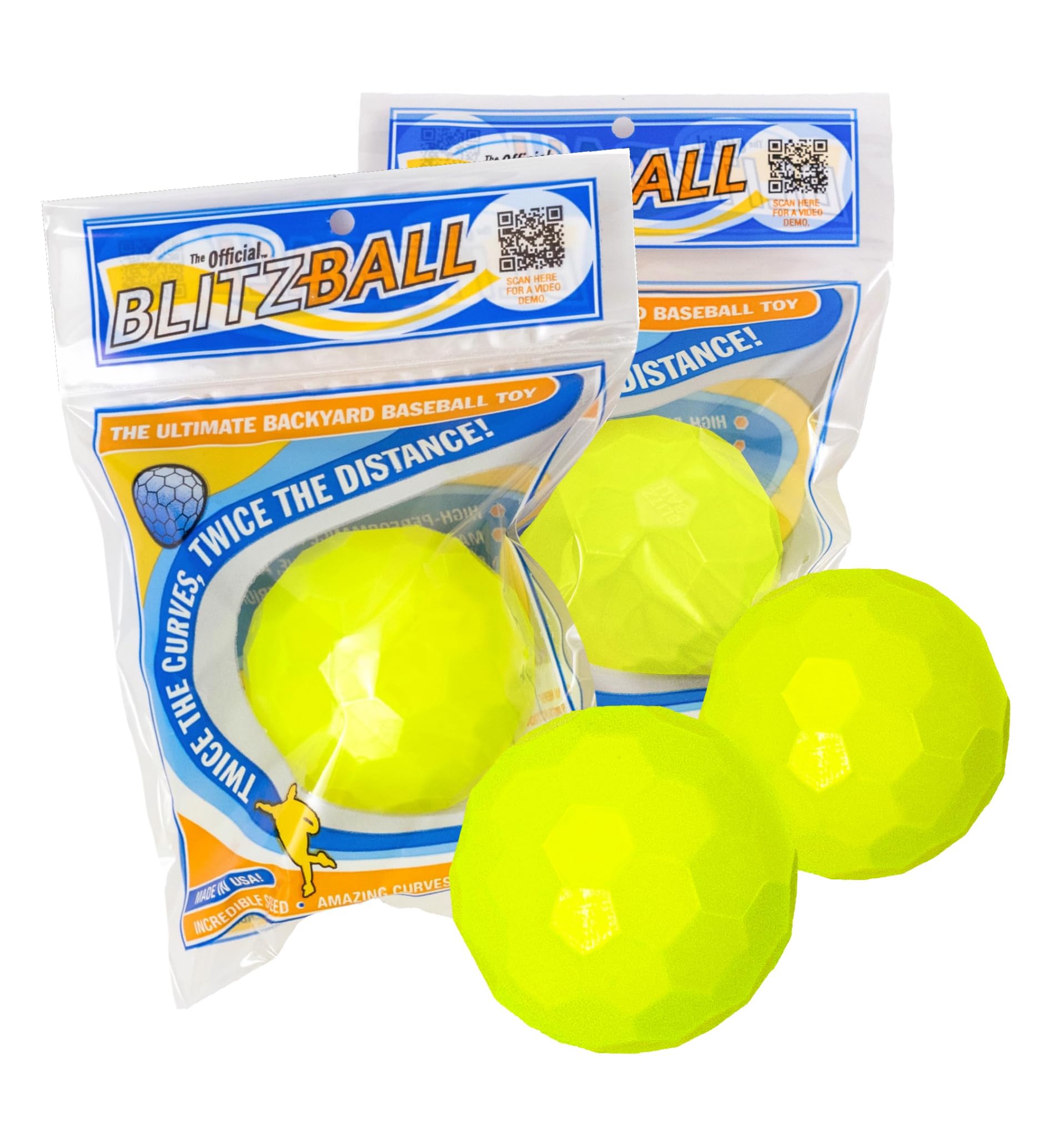
The “Blitzball brand” is a study in “accessible elitism.” It positions itself as a premium product—superior to the dollar-store plastic balls—while remaining affordable enough for the mass market. This delicate balance is what allowed the brand to penetrate both specialty sports stores and massive retail chains.
Professionalizing Backyard Sports
One of the most significant achievements of the Blitzball brand was the shift in perception of backyard baseball from a “kids’ game” to a “competitive hobby.” By introducing terms like “maximum curve,” “added velocity,” and “pro-style grip,” the brand’s marketing materials use the lexicon of professional athletics. This elevates the consumer’s self-image. When you buy a Blitzball, you aren’t just buying a toy; you are purchasing a tool for a high-performance hobby. This shift allowed the brand to target a broader demographic, including teenagers and adults who had previously outgrown backyard play.
The “Elite” Perception in a Budget Category
In marketing, price and perception are often linked. While a Blitzball is more expensive than a generic plastic ball, it is positioned as a “value-add” investment. The brand emphasizes durability and the “science” behind the plastic, justifying the higher price point. This positioning protects the brand from being commoditized. When a consumer walks into a store, they don’t look for “a plastic ball”; they look for “a Blitzball.” This brand-name-as-category-identifier is the ultimate goal of any corporate identity strategy.
Scaling the Brand: Retail Presence and Global Expansion
Transitioning from a viral sensation to a staple of the sporting goods industry requires more than just good marketing; it requires a robust distribution strategy. Blitzball’s ability to scale is a testament to its operational brand strength.
Multi-Channel Distribution Excellence
Blitzball successfully navigated the transition from a Direct-to-Consumer (DTC) model to a broad retail presence. By securing spots on the shelves of major retailers like Walmart, Target, and Amazon, the brand ensured that it was available at the exact moment of consumer intent. This “omnichannel” approach is crucial for modern brands. The social media hype creates the demand, while the widespread retail availability fulfills it. The brand’s presence in these stores also lends it a “seal of approval,” signaling to skeptical parents and shoppers that this is a legitimate, high-quality product.
Safeguarding Brand Integrity During Growth
As a brand scales, there is always the risk of dilution or the emergence of “knock-off” competitors. Blitzball has maintained its brand integrity through rigorous patent protection and consistent messaging. They have avoided the trap of over-extending the brand into unrelated categories, choosing instead to double down on what they do best: high-performance plastic sports equipment. This focus ensures that the “Blitzball” name remains synonymous with quality and extreme performance, preventing the brand from becoming just another generic name in the toy bin.
The Future of Blitzball: Sustaining Brand Longevity
For a brand to survive beyond a “fad” phase, it must innovate and deepen its relationship with its audience. Blitzball is currently in a phase of brand maturation, moving from a “disruptor” to a “category leader.”
Building a Competitive Ecosystem
To ensure longevity, Blitzball is moving toward the creation of a competitive ecosystem. This includes the development of official tournament rules, partnerships with organized backyard leagues, and the potential for a professionalized “Blitzball World Series.” By formalizing the way the product is used, the brand creates a recurring reason for consumers to stay engaged. It transforms the product from a one-time purchase into an entry ticket for a lifelong hobby.

Strategic Brand Extensions
The future of the Blitzball brand likely involves strategic extensions into complementary equipment—specialized bats, strike zone targets, and even digital training apps. However, the key to their success will be maintaining the core identity: the ball itself. As long as the “Blitzball” remains the gold standard for backyard aerodynamics, the brand can expand its ecosystem without losing its soul.
In conclusion, when asking “what is a Blitzball,” the answer is far more complex than a description of a plastic sphere. It is a brand that successfully identified a gap in a legacy market, utilized modern social dynamics to build a massive audience, and executed a retail strategy that turned a viral moment into a sustainable corporate identity. It is a textbook example of how design, physics, and marketing can converge to create a modern sporting icon.
aViewFromTheCave is a participant in the Amazon Services LLC Associates Program, an affiliate advertising program designed to provide a means for sites to earn advertising fees by advertising and linking to Amazon.com. Amazon, the Amazon logo, AmazonSupply, and the AmazonSupply logo are trademarks of Amazon.com, Inc. or its affiliates. As an Amazon Associate we earn affiliate commissions from qualifying purchases.