
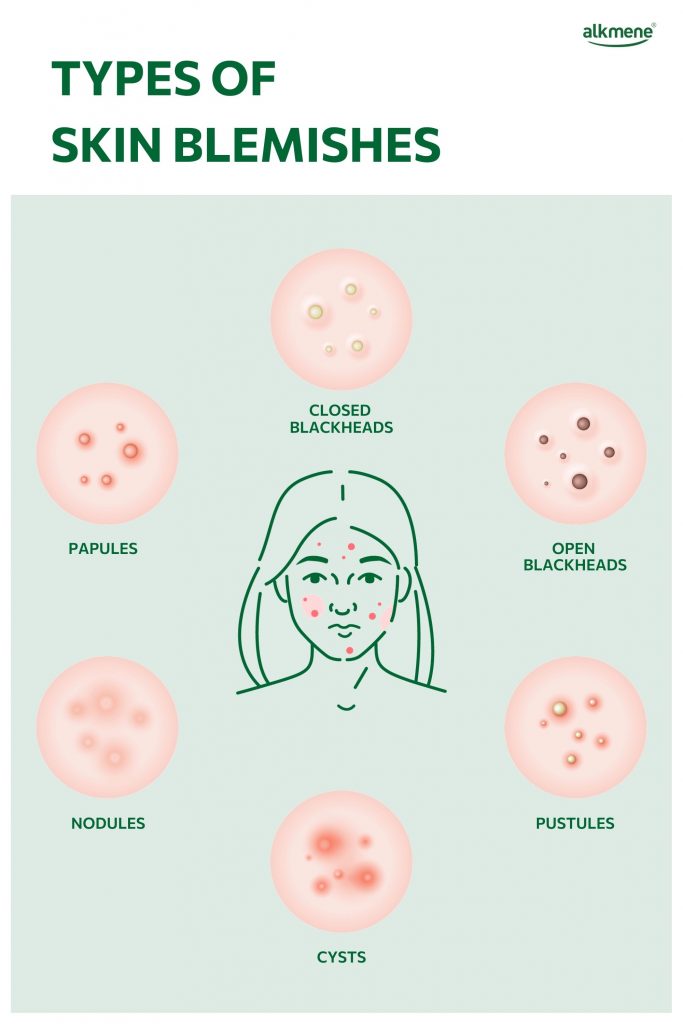
From a medical perspective, a blemish is a general term encompassing any mark, spot, discoloration, or area of the skin that is perceived as imperfect or unattractive. This broad definition includes everything from common acne lesions (blackheads, whiteheads, papules, pustules, cysts, nodules) to dark spots (hyperpigmentation), scars, birthmarks, age spots, and even temporary redness or irritation. However, within the intricate world of branding, particularly in the beauty and personal care industry, the concept of a “blemish” is strategically defined and leveraged to shape consumer perception, drive market demand, and cultivate specific brand identities.
Understanding the Blemish: A Brand’s Strategic Definition
For skincare brands, a blemish is not merely a clinical descriptor; it is a powerful marketing construct. Brands meticulously define and categorize skin imperfections in ways that resonate with consumer anxieties and aspirations, thereby creating a market for their solutions.
The Strategic Framing of Imperfection
- Categorization and Naming: Brands simplify complex dermatological terminology into consumer-friendly, often problem-oriented names. For example, “acne vulgaris” becomes “breakouts,” “melasma” becomes “dark spots,” and “lentigines” become “age spots.” This re-framing makes conditions relatable and allows brands to position specific product lines as targeted remedies for these clearly articulated “problems.” This strategic naming is a cornerstone of effective brand communication, making products accessible and relevant.
- Problem-Solution Narratives: At its core, branding thrives on storytelling. A blemish is typically positioned as an antagonist—a barrier to beauty, confidence, or social acceptance. Brands then cast their products as the heroic solution, offering a clear path from a perceived “problem” to an “ideal state.” This narrative often taps into deep-seated desires for clear, even-toned, “perfect” skin, subtly linking product use to enhanced self-worth and social desirability.
- Visual Representation and Aspiration: Advertising campaigns are masters of visual rhetoric. Blemishes are often depicted subtly in “before” scenarios, or their absence is highlighted in glowing “after” shots. The strategic use of lighting, filters, and models with seemingly flawless complexions sets an aspirational standard. This visual ideal is not just aesthetic; it’s a brand promise, reinforcing the potential for transformation and aligning the brand with an aspirational lifestyle.
- Target Audience Segmentation: Different types of blemishes enable brands to segment their market with precision. A brand targeting a younger demographic might define blemishes around “pimples” and “oily skin,” while one for mature consumers would focus on “fine lines,” “wrinkles,” and “age spots.” This segmentation allows for highly tailored product formulations, messaging, and overall brand positioning, ensuring maximum relevance to distinct consumer groups.
By strategically defining and framing what constitutes a “blemish,” brands not only educate consumers but also cultivate desire, shaping beauty standards and influencing self-perception in the process.
The Personal Brand Impact: Appearance, Perception, and Blemishes
In an era dominated by visual communication and interconnected digital platforms, personal branding has become an essential facet of both professional and social identity. How an individual presents themselves, both online and offline, contributes significantly to their perceived competence, credibility, and overall personal narrative. Within this dynamic, skin appearance, including the presence of blemishes, can subtly yet powerfully influence how one is perceived and how effectively their personal brand is communicated.
The Subtle Influence on Self and Others
- First Impressions and Professionalism: Clear, healthy-looking skin is frequently associated with good hygiene, diligent self-care, and attention to detail. While it is unjust to conflate skin condition with professional capability, societal biases can unconsciously link a polished appearance with attributes like reliability, organization, and confidence. For individuals in client-facing roles, public speaking, or any profession requiring frequent social interaction, managing skin health can be an element of maintaining a professional image. Prominent blemishes can, at times, become a visual distraction, potentially diverting attention from an individual’s message or expertise.
- Confidence and Self-Efficacy: A cornerstone of a strong personal brand is authentic confidence. When individuals feel secure and positive about their appearance, they often exude greater self-assurance, which translates into more effective communication, assertive behavior, and an overall more engaging presence. Conversely, grappling with persistent or noticeable blemishes can erode self-esteem, leading to self-consciousness, reduced eye contact, or a reluctance to fully engage in professional or social settings. This internal struggle can inadvertently impact how one projects their desired personal brand.
- Authenticity vs. Aspiration in Digital Spaces: The proliferation of social media has intensified the pressure to present an idealized image, with filters and editing tools allowing for instantaneous digital alteration. While this offers individuals the ability to project a perfectly curated personal brand, it also sparks a crucial debate around authenticity. A truly resonant personal brand is often built on genuine character, transparency, and relatability. Navigating the delicate balance between presenting a polished image and embracing one’s natural self—including minor imperfections—is a key challenge for those cultivating an authentic personal brand. Some individuals strategically choose to share their experiences with skin conditions, fostering relatability and building a community around shared realities, thereby transforming a perceived “blemish” into a powerful point of connection and brand differentiation.

Ultimately, while skin blemishes are a natural human experience, their management and presentation can be a conscious or unconscious component of cultivating a desired personal brand, influencing perceptions and the efficacy with which one projects their chosen image.
Crafting Brand Solutions: Marketing the Clear Skin Ideal
The highly lucrative skincare industry is fundamentally built upon offering solutions to perceived imperfections. Brands invest heavily in scientific research, product development, and sophisticated marketing strategies to position their offerings as the definitive answer to blemishes. This extends beyond merely formulating effective products; it involves crafting an entire brand experience centered on the promise of clear, healthy-looking skin.
Strategies for Branding Blemish Solutions
- Product Development and Niche Targeting: Brands frequently develop highly specialized product lines tailored to specific types of blemishes—e.g., anti-acne ranges, dark spot correctors, anti-redness treatments. This hyper-targeting enables clear messaging and positions the brand as an expert in a particular niche. Key ingredients become powerful differentiators, with brands highlighting scientific backing or natural origins to build trust and perceived efficacy. The branding around these ingredients (e.g., “Retinol Complex,” “Vitamin C Serum,” “Salicylic Acid Treatment”) often becomes as vital as the ingredients themselves, creating a recognizable and desirable lexicon.
- Messaging and Storytelling: The language employed in marketing campaigns is meticulously crafted to evoke emotion and ignite desire. Brands frequently weave compelling stories of transformation, empowering consumers to “overcome” the problem of blemishes. Messaging often extends beyond mere skin improvement, promising “boosted confidence,” a “radiant glow,” or a “youthful appearance,” thereby linking product use to an improved lifestyle and enhanced self-image. Before-and-after testimonials, often featuring relatable individuals, serve as potent tools to demonstrate efficacy and build brand credibility.
- Visual Identity and Packaging: The visual elements of a brand—its logo, color palette, typography, and packaging—are scrupulously designed to convey trustworthiness, sophistication, and efficacy. For blemish solutions, packaging often communicates clinical effectiveness through minimalist designs and pharmaceutical-like bottles, or natural purity through earthy tones and botanical imagery. These carefully chosen visual cues instantly convey the brand’s promise and help it stand out in a competitive market.
- Influencer Marketing and Endorsements: In the digital age, influencer marketing has become a cornerstone strategy for skincare brands. Collaborations with dermatologists, beauty bloggers, and social media personalities allow brands to reach wider audiences and leverage the trust their followers place in these authentic voices. These endorsements, whether organic or sponsored, provide powerful social proof and amplify the brand’s message about its blemish-fighting prowess.
By masterfully blending scientific innovation with compelling narratives, aspirational imagery, and strategic partnerships, brands successfully market the “clear skin ideal,” transforming a common biological reality into a highly desirable and achievable consumer aspiration.
Brand Authenticity and Managing Imperfection: Beyond the Surface
While many brands continue to focus on eradicating blemishes to achieve an ideal of perfection, a growing and influential trend emphasizes authenticity, self-acceptance, and holistic skin health. This evolving perspective challenges traditional beauty standards and necessitates that brands adopt more nuanced and genuine communication strategies.
Embracing Realism and Trust
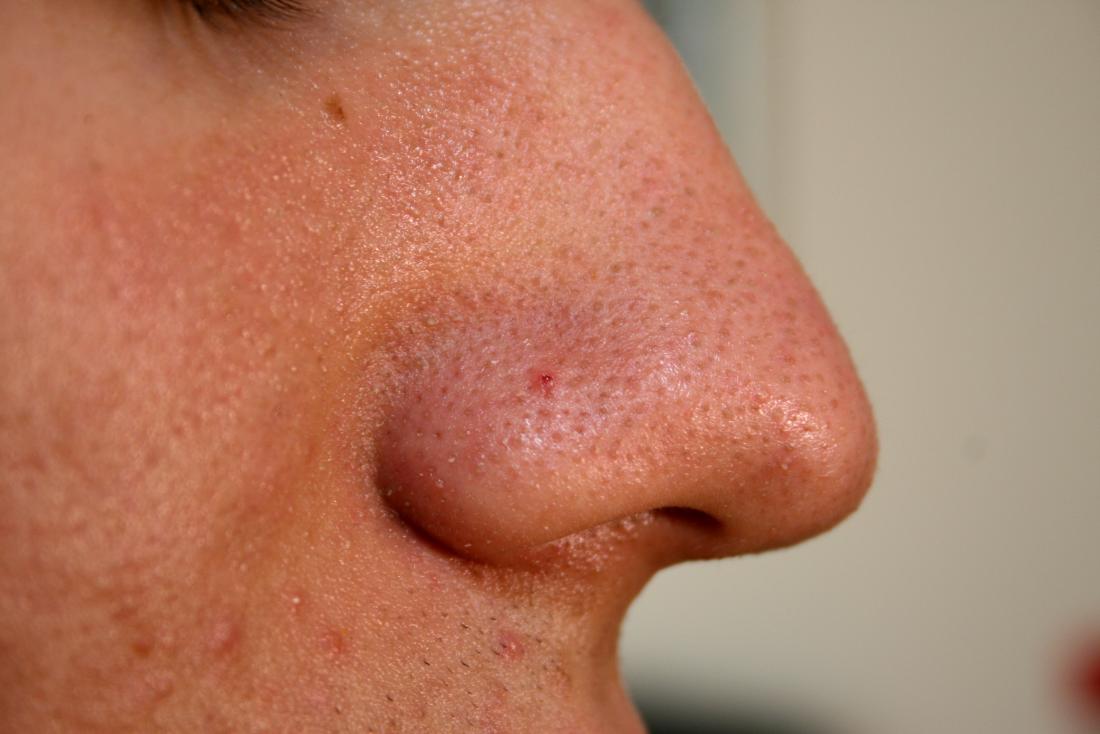
- Embracing Realism and Inclusivity: Progressive brands are increasingly moving away from heavily retouched imagery, opting instead to showcase real skin with its natural textures, pores, and even occasional blemishes. This approach seeks to foster relatability and inclusivity, acknowledging that “perfect” skin is an unrealistic and often unattainable ideal. By featuring diverse skin types and conditions, these brands build deeper trust and connection with consumers who feel seen, understood, and represented.
- Focusing on Skin Health, Not Just Flawlessness: Instead of solely promising blemish removal, many brands are now pivoting their messaging toward overall skin health, resilience, and barrier function. The emphasis shifts from “fixing” imperfections to “nurturing” the skin. This aligns with a broader wellness movement and positions brands as partners in a long-term journey of self-care, rather than providers of quick, superficial fixes. This also allows for a more sustainable brand narrative that isn’t dependent on creating constant anxiety about “flaws.”
- Transparency and Education: Authentic brands prioritize transparency regarding their ingredients, sourcing, and product efficacy. They proactively educate consumers about skin biology and the multifaceted nature of blemishes, empowering informed choices rather than simply dictating solutions. This builds significant brand credibility and positions the brand as a reliable source of information, fostering a loyal and engaged community.
- Metaphorical Resilience: Brands as Skin: In a metaphorical sense, brands themselves can experience “blemishes”—public relations crises, negative feedback, or missteps in messaging. Just as healthy skin possesses inherent mechanisms to heal and repair, resilient brands develop robust strategies for managing these challenges. Authenticity, transparency, and an unwavering commitment to their core values act as the “skin barrier” for a brand, enabling it to navigate imperfections and emerge stronger, often by openly acknowledging and addressing issues rather than attempting to conceal them. This parallels the growing acceptance of natural skin variation and the shift from an “eradication” mindset to one of “management and care” in personal well-being.
The concept of a “blemish on the skin,” while seemingly simple, profoundly intersects with the principles of branding. It underscores how definitions are constructed, how perceptions are shaped, how solutions are marketed, and how authenticity is valued, both for individuals and the brands they choose to trust.
aViewFromTheCave is a participant in the Amazon Services LLC Associates Program, an affiliate advertising program designed to provide a means for sites to earn advertising fees by advertising and linking to Amazon.com. Amazon, the Amazon logo, AmazonSupply, and the AmazonSupply logo are trademarks of Amazon.com, Inc. or its affiliates. As an Amazon Associate we earn affiliate commissions from qualifying purchases.