
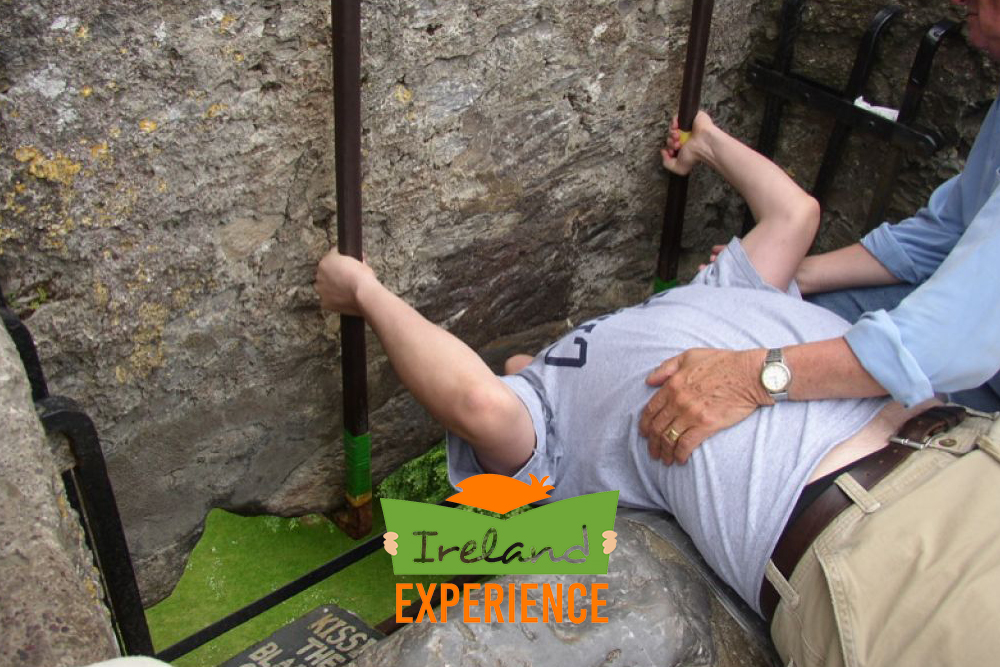
In the landscape of brand communication, the term “blarney” has evolved far beyond its folkloric origins in County Cork, Ireland. While the traditional definition refers to the gift of the gab—a charming, persuasive, and slightly evasive way of speaking—in the context of contemporary corporate identity and brand strategy, “blarney” takes on a more nuanced role. It is the art of strategic storytelling that balances authenticity with aspiration. For modern brands, mastering this form of communication is the difference between being perceived as a faceless commodity and becoming a legendary market leader.
The Strategic Anatomy of Brand Blarney
At its core, brand blarney is not about deception; it is about the deliberate cultivation of “charismatic resonance.” When a company moves beyond the cold, hard data of its product specs and begins to weave a narrative that feels both inevitable and enchanting, it is employing the essence of blarney.

Moving Beyond Utility to Mythology
Consumers today are flooded with choice. In a saturated market, functional superiority is rarely enough to foster long-term loyalty. Brands that survive and thrive are those that wrap their utility in a layer of mythology. This is where strategic blarney resides. By identifying the emotional truth of their product—not just what it does, but what it represents in the life of the user—a brand can elevate itself from a transaction to an experience.
Think of luxury watchmakers or premium tech firms. They do not merely sell components and assembly lines; they sell the narrative of heritage, status, and forward-thinking innovation. This is not a lie, but it is certainly a curated, persuasive version of reality—a professional application of the gift of the gab.
The Role of Voice and Narrative Voice
To cultivate an effective brand voice, one must master the rhythm of communication. Effective blarney in marketing is characterized by a specific cadence: it is confident, slightly informal, and rhythmically engaging. It avoids the dry, stilted language of traditional corporate speak, opting instead for a conversational tone that invites the consumer into an inside joke or a shared worldview. When a brand adopts a persona that feels like a person rather than an institution, it lowers the natural defenses of the customer, making the marketing message feel like a recommendation from a trusted friend rather than an intrusion from a corporation.
Decoding the Ethics of Charismatic Persuasion
When discussing the application of charm in brand strategy, the line between persuasive storytelling and manipulative “blarney” must be carefully managed. In an era of radical transparency, the most successful brands are those that treat their charm as a vehicle for truth, rather than a mask for shortcomings.
Transparency as the New Credibility
In the past, a bit of corporate blarney might have been used to smooth over a subpar product feature or a failed initiative. Today, however, that approach is a liability. The digital age has provided consumers with instant access to reviews, technical breakdowns, and peer-to-peer discourse. Consequently, the modern application of blarney must be rooted in honesty. The “charm” should be used to articulate complex or dry value propositions in an engaging way, not to obscure facts.
If a brand attempts to use its narrative power to deceive, the blowback is swift and permanent. Therefore, the new golden rule for the corporate storyteller is to ensure that the “gift of the gab” serves to amplify the brand’s genuine virtues rather than hiding its vices.
Consistency Across Touchpoints
True brand identity is built on consistency. Blarney, in the traditional sense, is often spontaneous and improvisational. In the corporate world, however, this charm must be systematized. Whether it is a social media caption, a technical white paper, or a customer service interaction, the brand voice must remain consistent. This creates a cohesive identity that feels reliable even while it remains engaging. If the marketing copy is whimsical and charismatic, but the user interface is cold and bureaucratic, the brand illusion breaks. Achieving a unified tone is how a brand achieves a “legendary” status in the minds of its audience.
Measuring the Impact of Narrative Branding
Can charm be quantified? For a marketing department, the challenge is to map the qualitative nature of a brand’s “blarney” to the quantitative requirements of key performance indicators (KPIs).
Emotional Metrics vs. Conversion Rates
While sales figures and conversion rates are the standard metrics for success, they do not tell the whole story of how a brand is perceived. Brands that successfully employ a charming, narrative-driven strategy often see a higher “Customer Lifetime Value” (CLV). This occurs because customers who feel a personal, emotional connection to a brand are less price-sensitive and more likely to advocate for the brand to others.
Measuring this requires tracking qualitative metrics such as sentiment analysis in community forums, the shareability of brand content, and the growth of organic brand-related search terms. When your audience begins to repeat your brand’s phrases, stories, or catch-lines, your blarney has successfully transitioned into a cultural meme.
The Lifecycle of a Brand Story
No narrative remains fresh forever. The most strategic brands treat their “gift of the gab” as an evolving script. They launch with an origin story, sustain interest through incremental narrative updates, and eventually pivot their messaging to stay ahead of the cultural conversation. This requires a team that understands the importance of narrative structure—the beginning, the struggle, and the ultimate resolution that the product provides for the consumer. When you view your brand strategy as an unfolding drama rather than a static ad campaign, you maintain the “blarney” that keeps your audience captivated over the long term.
The Future of Charisma in Digital Markets
As we look toward the future, where AI-generated content is becoming the standard, the human touch—the authentic, rhythmic, and persuasive element of “blarney”—will become a premium differentiator.
The Human Touch in an Automated Age
The danger for many companies in the coming years will be the over-optimization of their brand voice. Algorithms are excellent at efficiency, but they are often poor at charisma. They can replicate patterns, but they struggle to capture the wit and the slight, endearing unpredictability that defines truly great brand communication.
Brands that choose to inject deliberate, human-centric storytelling into their strategy will find themselves standing out against a backdrop of generic, machine-produced content. The future of brand strategy is not just about being seen; it is about being heard and, more importantly, being enjoyed. By leaning into the art of the blarney, businesses can create a lasting impression that algorithms simply cannot replicate.

Final Thoughts on Brand Identity
A “blarney” is, at its heart, a tool for human connection. It is the ability to take a mundane product and give it a soul. For the modern brand strategist, the goal is to weave the cold facts of the business into a compelling, human-centered narrative that resonates on a personal level. By maintaining an honest foundation while utilizing the flair and persuasiveness of the Irish tradition of the gab, any company can shift from a mere provider of goods to a beacon of brand identity that commands attention, inspires loyalty, and earns the respect of the market.
aViewFromTheCave is a participant in the Amazon Services LLC Associates Program, an affiliate advertising program designed to provide a means for sites to earn advertising fees by advertising and linking to Amazon.com. Amazon, the Amazon logo, AmazonSupply, and the AmazonSupply logo are trademarks of Amazon.com, Inc. or its affiliates. As an Amazon Associate we earn affiliate commissions from qualifying purchases.