
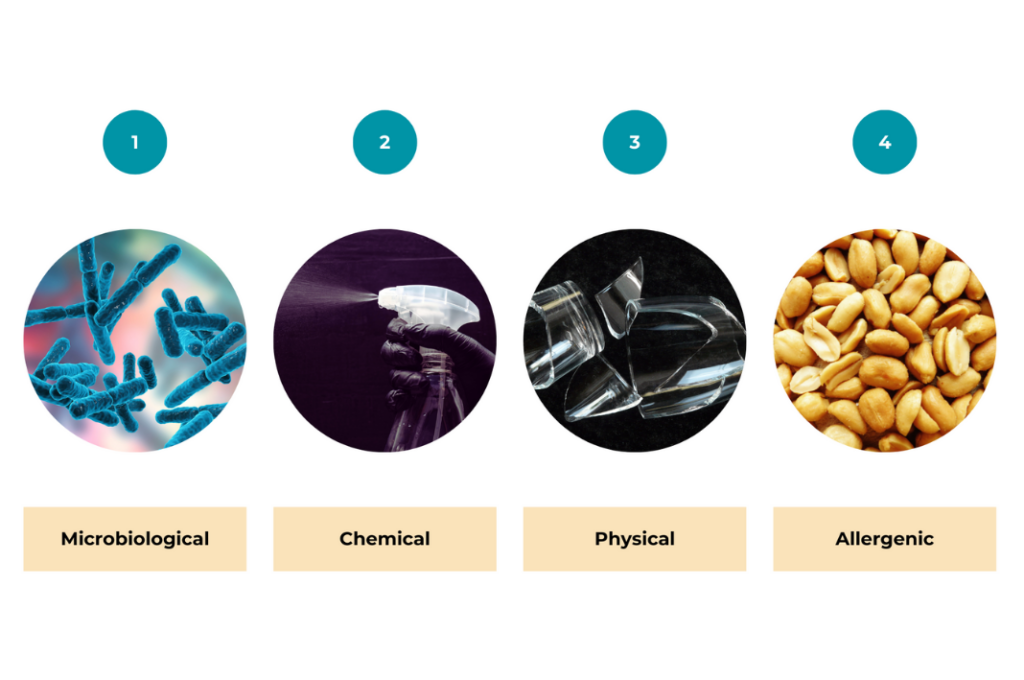
The seemingly simple act of eating can be fraught with unseen risks. While we often associate food hazards with chemical contaminants or physical foreign objects, the most pervasive and potentially devastating threats are biological in nature. Biological food hazards refer to any living organism, or its toxic products, that can cause illness or disease when present in food. These microscopic invaders, ranging from bacteria and viruses to parasites and fungi, pose a significant challenge to global food security and public health. However, in an era of rapid technological advancement, we are witnessing a paradigm shift in how these hazards are understood, detected, and mitigated. This article delves into the world of biological food hazards, exploring their nature, impact, and crucially, the innovative technological solutions emerging to combat them.
Understanding the Microbial Menace: Types and Sources of Biological Food Hazards
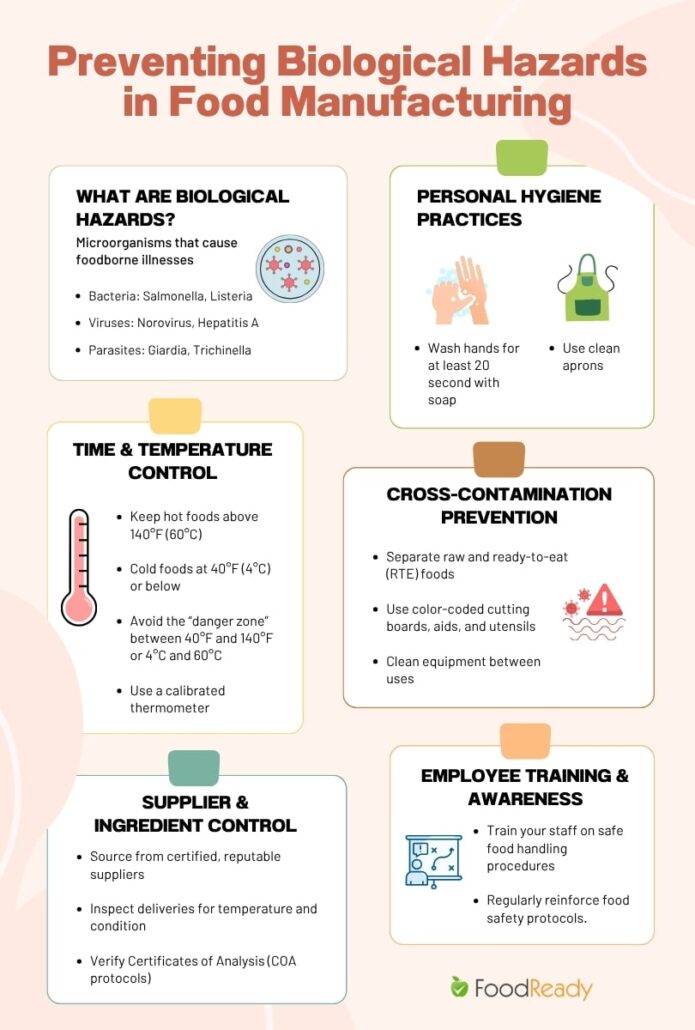
Biological food hazards are not a monolithic entity. They encompass a diverse range of microorganisms, each with its unique characteristics and modes of transmission. A deep understanding of these entities is the first step in developing effective technological interventions.
The Bacterial Brigade: Common Culprits and Their Havens
Bacteria are arguably the most frequently encountered biological food hazard. While many bacteria are beneficial or harmless, certain pathogenic strains can thrive in food environments and cause a spectrum of illnesses, from mild gastrointestinal upset to life-threatening infections.
- Salmonella: Famously associated with poultry and eggs, Salmonella can contaminate a wide range of foods, including fruits, vegetables, and processed products, through fecal contamination or improper handling. Its ability to survive in various food matrices and its relatively low infectious dose make it a persistent concern.
- Escherichia coli (E. coli): Particularly the Shiga toxin-producing strains (STEC) like O157:H7, E. coli is often linked to undercooked ground beef, but can also be found in contaminated produce due to irrigation with contaminated water or cross-contamination. The severe hemolytic uremic syndrome (HUS) it can cause highlights its potent danger.
- Listeria monocytogenes: This hardy bacterium is a particular threat to pregnant women, newborns, the elderly, and immunocompromised individuals. It can grow at refrigeration temperatures, making it a challenge for ready-to-eat foods like deli meats, soft cheeses, and sprouts. Its ability to form biofilms on food processing equipment further complicates its control.
- Staphylococcus aureus: Often found on human skin and in nasal passages, S. aureus produces a heat-stable toxin that can cause rapid-onset vomiting and diarrhea. This hazard is frequently associated with foods handled extensively by humans, such as salads, pastries, and sandwiches, where improper temperature control allows toxin production.
- Clostridium perfringens: This bacterium is often referred to as the “food service germ” due to its prevalence in large-batch cooked foods that are held at improper temperatures for extended periods, such as stews, gravies, and roasts. It produces toxins in the intestines, leading to abdominal cramps and diarrhea.
Viral Invaders: The Elusive and Contagious
Viruses, unlike bacteria, cannot replicate independently and require a living host. However, they are highly contagious and can be easily transmitted through contaminated food and water, primarily via the fecal-oral route.
- Norovirus: This is the leading cause of foodborne illness outbreaks globally. It is incredibly resilient, surviving on surfaces and in food for extended periods. Contamination often occurs through infected food handlers or by consuming shellfish harvested from contaminated waters.
- Hepatitis A Virus (HAV): This virus targets the liver and can cause jaundice, fatigue, and abdominal pain. It is often transmitted through raw or undercooked foods, particularly shellfish, and by food handlers with poor hygiene practices.
Parasitic Prowlers: The Persistent and Insidious
Parasites are organisms that live on or inside a host organism and get their food from or at the expense of their host. In the context of food safety, they can cause chronic and debilitating illnesses.
- Toxoplasma gondii: This parasite can be found in undercooked meat (especially pork, lamb, and venison) and can also be transmitted through contaminated water or by contact with cat feces. It is a significant concern for pregnant women due to the risk of congenital toxoplasmosis.
- Trichinella species: These roundworms are transmitted by consuming raw or undercooked meat from infected animals, most commonly pork. The larvae encyst in muscle tissue, leading to symptoms like nausea, diarrhea, and muscle pain.
- Anisakis species: These marine roundworms are found in raw or undercooked fish. Ingesting live larvae can cause anisakiasis, characterized by abdominal pain, nausea, and vomiting.
Fungal Follies: Molds and Mycotoxins
While some molds are desirable in food production (e.g., in cheese), others can produce harmful toxins known as mycotoxins. These toxins can be potent carcinogens, neurotoxins, and immunosuppressants.
- Aspergillus species: Certain Aspergillus species produce aflatoxins, which are among the most potent naturally occurring carcinogens. They are commonly found on crops like corn, peanuts, and tree nuts.
- Penicillium species: Some Penicillium molds can produce ochratoxin A, a nephrotoxin and potential carcinogen found in cereals, coffee, and dried fruits.
The Technological Arsenal: Innovations in Biological Hazard Detection and Prevention
The growing understanding of biological food hazards, coupled with the increasing complexity of global food supply chains, has spurred remarkable innovation in technological solutions aimed at safeguarding our food. These advancements are not just about identifying threats but also about proactively preventing them.
Sensing the Invisible: Advanced Detection and Identification Technologies
The ability to rapidly and accurately detect the presence of biological hazards at various stages of the food production process is paramount. Traditional methods, while still valuable, are being augmented and, in some cases, replaced by cutting-edge technologies.
- Polymerase Chain Reaction (PCR) and Real-Time PCR (qPCR): PCR is a molecular biology technique that amplifies specific segments of DNA, allowing for the detection of even trace amounts of microbial DNA. qPCR offers quantitative analysis, determining the number of target organisms present. These methods are highly sensitive, specific, and relatively rapid, making them invaluable for identifying pathogens in raw ingredients, finished products, and environmental samples within food processing facilities.
- DNA Microarrays and Biosensors: Microarrays are solid surfaces onto which thousands of DNA probes are immobilized. They allow for the simultaneous detection of multiple pathogens or genetic markers in a single test. Biosensors, on the other hand, utilize biological recognition elements (e.g., antibodies, enzymes, nucleic acids) integrated with a transducer to generate a measurable signal in response to the presence of a specific analyte. These technologies offer the potential for on-site, rapid, and multiplexed detection, reducing reliance on centralized laboratory testing.
- Mass Spectrometry (MS) and Matrix-Assisted Laser Desorption/Ionization (MALDI-TOF): While traditionally used for chemical analysis, mass spectrometry is increasingly being employed for microbial identification. MALDI-TOF MS can identify microorganisms by analyzing the protein profile of a sample, providing a rapid and accurate “fingerprint” for identification. This is particularly useful for distinguishing between closely related bacterial species.
- Spectroscopy (e.g., Raman, Near-Infrared): Spectroscopic techniques can analyze the interaction of light with food samples to detect biochemical changes associated with microbial contamination or spoilage. While not always directly identifying specific pathogens, they can serve as rapid screening tools to flag potentially compromised products for further investigation.
- Next-Generation Sequencing (NGS): NGS technologies, such as whole-genome sequencing (WGS), are revolutionizing food safety by providing unprecedented insights into microbial populations. WGS can identify pathogens, determine their genetic relatedness (crucial for outbreak investigations), detect antibiotic resistance genes, and even reveal their origin. This data is invaluable for tracing the source of contamination and implementing targeted control measures.
Fortifying the Fortress: Prevention and Control Through Technology
Beyond detection, technology plays a critical role in preventing biological hazards from contaminating food in the first place. This involves innovations in processing, packaging, and environmental monitoring.
- Advanced Food Processing Technologies:
- High-Pressure Processing (HPP): This non-thermal processing method uses high hydrostatic pressure to inactivate a wide range of microorganisms without significantly altering the sensory or nutritional qualities of food. It is particularly effective for ready-to-eat products like juices, deli meats, and seafood.
- Pulsed Electric Fields (PEF): PEF uses short, high-voltage electrical pulses to disrupt microbial cell membranes, leading to inactivation. It is a promising technology for liquid foods and can be combined with mild heat treatments for enhanced efficacy.
- Ozone and UV Irradiation: Ozone is a powerful oxidizing agent that can inactivate microorganisms on food surfaces and in water. UV irradiation also has antimicrobial properties and is used for surface decontamination and water treatment.
- Smart Packaging and Modified Atmosphere Packaging (MAP): Packaging technologies are evolving to actively contribute to food safety. “Smart” packaging can incorporate indicators that change color in response to spoilage or the presence of certain pathogens. MAP involves altering the composition of the gas atmosphere within the package to inhibit microbial growth and extend shelf life. Innovations in barrier properties and active antimicrobial packaging further enhance protection.
- Internet of Things (IoT) and Sensor Networks: IoT devices and sophisticated sensor networks are being deployed across the food supply chain to monitor critical control points in real-time. Temperature, humidity, and even atmospheric composition can be continuously tracked, with alerts triggered if parameters deviate from acceptable ranges. This data can be used to identify potential issues before they lead to contamination and to ensure compliance with HACCP (Hazard Analysis and Critical Control Points) principles.
- Robotics and Automation: The increasing use of robotics and automation in food processing facilities can minimize human contact with food, thereby reducing the risk of contamination from food handlers. Automated cleaning and sanitation systems also contribute to maintaining hygienic processing environments.
- Blockchain Technology for Traceability: While not directly involved in killing microbes, blockchain offers an immutable and transparent ledger for tracking food products from farm to fork. This end-to-end traceability is crucial for quickly identifying the source of an outbreak, isolating affected products, and preventing widespread contamination. In the event of a biological hazard discovery, blockchain can rapidly pinpoint affected batches, enabling swift recalls and mitigating public health risks.
The Digital Defense: AI, Big Data, and the Future of Biological Hazard Management
The confluence of artificial intelligence (AI) and big data analytics is ushering in a new era of predictive and proactive food safety, transforming how we anticipate, understand, and manage biological food hazards.
Predictive Analytics: Forecasting the Microbial Storm
AI algorithms can analyze vast datasets, including historical food safety incidents, environmental data, weather patterns, social media trends, and supply chain information, to identify patterns and predict potential outbreaks.
- Early Warning Systems: By analyzing real-time data from various sources, AI can flag anomalies that might indicate a rising risk of contamination. For example, a sudden increase in mentions of specific gastrointestinal symptoms in a particular region, correlated with weather patterns conducive to microbial growth in certain crops, could trigger an early warning.
- Risk Assessment and Prioritization: AI can help food businesses and regulatory bodies to better assess the risk associated with specific ingredients, suppliers, or processing steps. This allows for the prioritization of resources and surveillance efforts towards areas with the highest potential for biological hazards.
- Modeling Microbial Growth and Survival: Advanced AI models can simulate microbial growth and survival under various conditions, helping to predict shelf life and identify critical control points for temperature and other environmental factors.
Data-Driven Decision Making: Optimizing Food Safety Strategies
Big data analytics provides the raw material for AI to learn and make informed decisions. The ability to process and interpret complex datasets is revolutionizing food safety management.
- Optimizing HACCP Plans: AI can analyze data from critical control points to identify deviations and suggest adjustments to HACCP plans, ensuring their continued effectiveness.
- Supply Chain Transparency and Vulnerability Analysis: By mapping out the entire supply chain and integrating data from all participants, AI can identify vulnerabilities and potential entry points for biological hazards. This allows for targeted interventions and improvements in supplier vetting and monitoring.
- Personalized Food Safety Information: In the future, AI could potentially tailor food safety advice to individual consumers based on their dietary habits, known allergies, and local food safety alerts.
The Role of Machine Learning in Pathogen Identification and Characterization
Machine learning, a subset of AI, is particularly adept at recognizing complex patterns in data.
- Automated Image Analysis: Machine learning algorithms can be trained to identify microscopic pathogens or spoilage indicators in images captured by advanced imaging technologies, further automating detection processes.
- Genomic Data Analysis: As mentioned earlier, WGS generates massive amounts of genomic data. Machine learning can efficiently analyze this data to identify novel pathogens, track their evolution, and understand their virulence factors, accelerating the response to emerging threats.
Conclusion: A Tech-Enabled Future for Safer Food
Biological food hazards represent a persistent and evolving threat to global health. However, the rapid advancements in technology are providing us with an increasingly powerful and sophisticated toolkit to combat them. From hypersensitive biosensors and rapid molecular diagnostic techniques to intelligent packaging, predictive analytics powered by AI, and transparent blockchain-based traceability, the technological landscape of food safety is undergoing a profound transformation.
The future of food safety lies in a proactive, data-driven, and interconnected approach. By embracing these technological innovations, we can move beyond simply reacting to outbreaks and instead build a robust, resilient, and secure food system that protects consumers from the unseen dangers lurking within our food. The ongoing dialogue and collaboration between scientists, technologists, regulators, and the food industry will be crucial in harnessing the full potential of technology to ensure that every meal is not only nourishing but also safe. The journey to a truly hazard-free food supply is a continuous one, but with technology as our ally, the destination is becoming increasingly attainable.
aViewFromTheCave is a participant in the Amazon Services LLC Associates Program, an affiliate advertising program designed to provide a means for sites to earn advertising fees by advertising and linking to Amazon.com. Amazon, the Amazon logo, AmazonSupply, and the AmazonSupply logo are trademarks of Amazon.com, Inc. or its affiliates. As an Amazon Associate we earn affiliate commissions from qualifying purchases.