
In the complex world of business accounting, certain terms can seem contradictory at first glance. “Billable expense income” is one of those phrases that often leaves freelancers, small business owners, and even seasoned consultants scratching their heads. How can an expense—something that takes money out of your pocket—also be classified as income?
Understanding this concept is fundamental to maintaining accurate financial records, ensuring project profitability, and staying compliant with tax regulations. Whether you are an independent contractor charging for travel or a digital agency billing for third-party software licenses, mastering the flow of billable expense income is a cornerstone of professional financial management.
Understanding the Concept: What Exactly is Billable Expense Income?
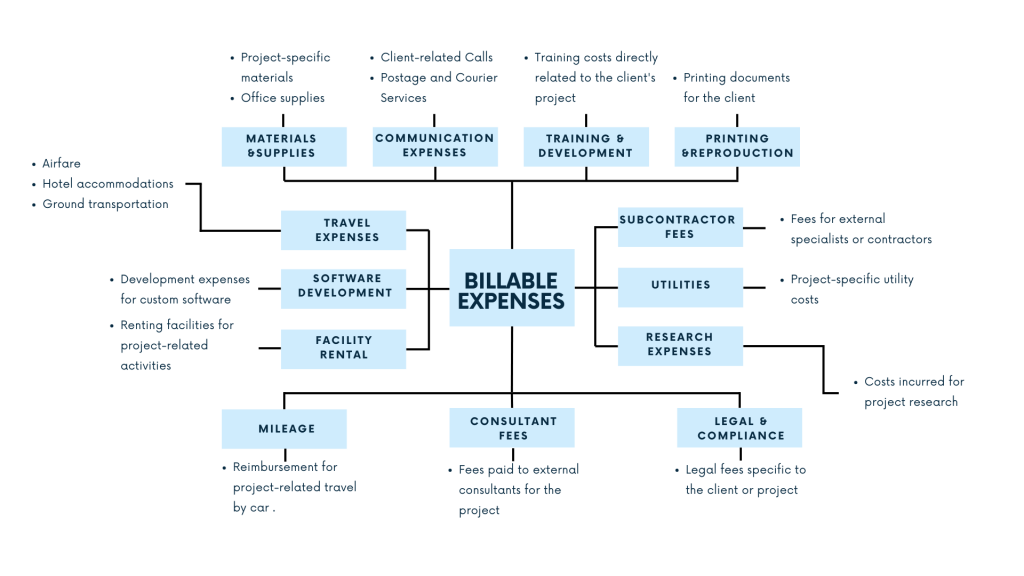
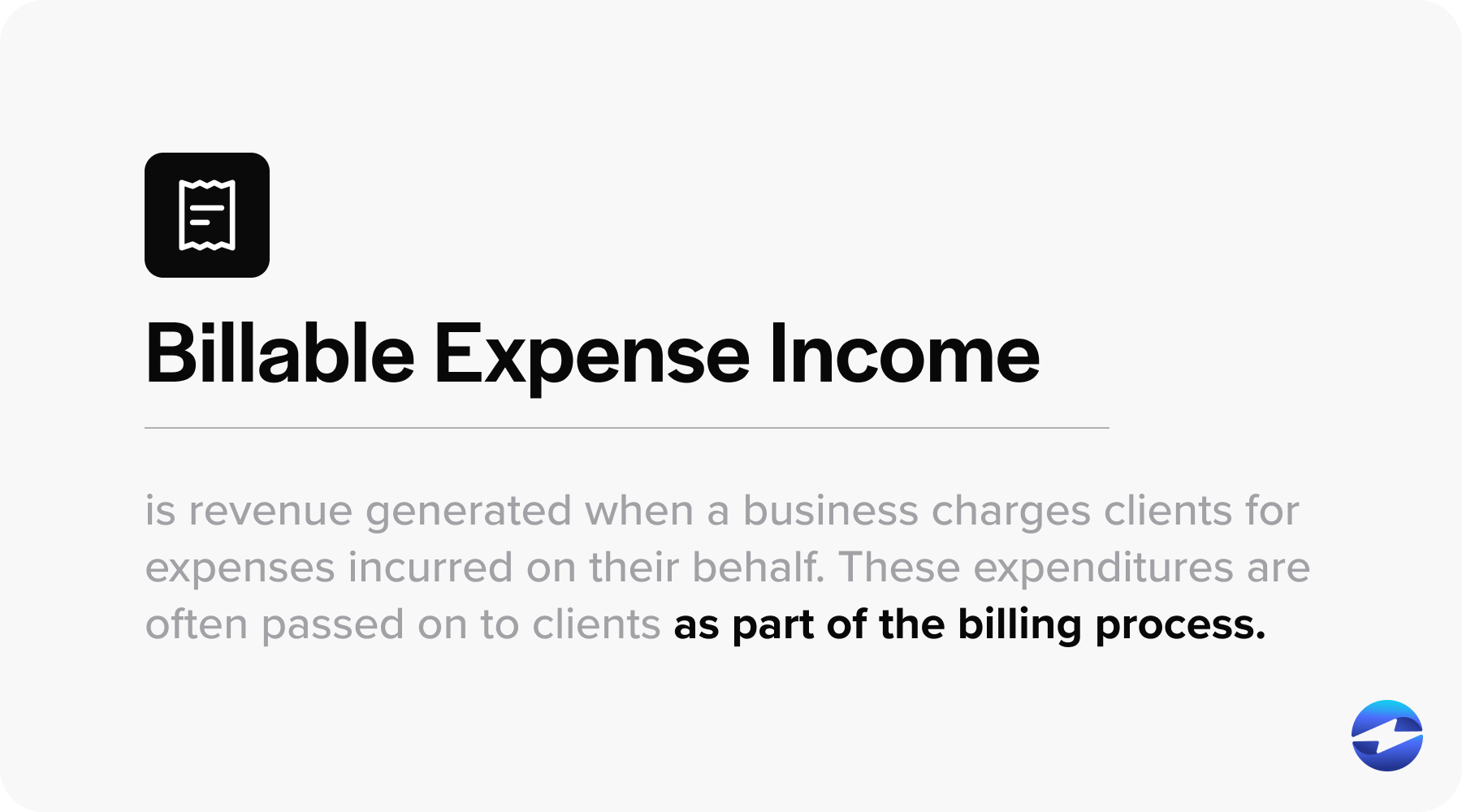
At its core, billable expense income is the revenue a business generates when it charges a client for costs incurred while performing a service. It represents a “pass-through” transaction where you pay for a necessary item or service upfront and are later reimbursed by the client.
Defining Billable Expenses
A billable expense is any cost you incur on behalf of a client that you have agreed, by contract or arrangement, to charge back to them. Common examples include airfare for a consulting trip, specialized stock photography for a design project, or courier fees for a legal firm.
From a cash flow perspective, these are temporary outflows of capital. You spend your company’s money today with the expectation that the client will replenish that amount when the final invoice is settled.
The Distinction Between Cost and Income
The reason we use the term “income” in this context relates to how the transaction is recorded on your books. When you pay for the expense, it is recorded as an outgoing cost. When you bill the client for that same amount and they pay you, that payment is recorded as gross income.
While the net effect on your bank account might be zero (if you charge exactly what you spent), the IRS and most accounting standards require you to report the reimbursement as income because it is part of your gross receipts. Failing to recognize this as income while still claiming the original deduction can lead to significant discrepancies in your financial reporting.
The Mechanics of Recording Billable Expense Income
Properly recording these transactions requires a disciplined approach to bookkeeping. It isn’t just about getting your money back; it’s about reflecting the true scale of your business operations.
The Invoicing Process
The lifecycle of billable expense income begins the moment an expense is incurred. To manage this effectively:
- Capture the Receipt: Use digital tools to log the expense immediately.
- Assign to a Project: Ensure the expense is “tagged” to the specific client or job.
- Include in the Invoice: When billing the client for your labor or services, include the billable expenses as separate line items.
Transparency is key here. Clients are far more likely to pay reimbursements promptly when they see a clear breakdown and, where appropriate, copies of the original receipts attached to the invoice.
Impact on the Profit and Loss Statement
On a Profit and Loss (P&L) statement, billable expense income usually sits within the revenue section. If you spent $500 on a flight and billed the client $500, your P&L will show $500 in “Billable Expense Income” and $500 in “Reimbursable Expenses” (an expense account).
While the net profit is $0, your total revenue increases. This is important for businesses that are valued based on their gross turnover or for those who need to demonstrate a certain level of business activity to lenders.
To Mark Up or Not? Strategy and Profitability
Many businesses choose to apply a “markup” to billable expenses. For instance, if you pay $100 for a service, you might bill the client $115 to cover the administrative overhead of managing that vendor.
In this scenario, the $15 difference is pure profit. This transforms the transaction from a simple reimbursement into a revenue-generating activity. However, this must be clearly defined in your service agreement to maintain trust and legal standing with your clients.
Why Tracking Billable Expense Income is Vital for Business Health

For many small business owners, billable expenses are an afterthought. However, neglecting this area can lead to “hidden” losses that erode your bottom line over time.
Improving Cash Flow Visibility
If you are consistently paying for client expenses out of pocket and waiting 30 to 60 days for reimbursement, you are essentially providing an interest-free loan to your clients. By tracking billable expense income accurately, you can see exactly how much of your cash is tied up in client-related costs. This visibility allows you to negotiate better payment terms or request upfront deposits for high-cost items.
Avoiding “Leakage” in Project Management
“Leakage” occurs when you incur costs that never make it onto a client invoice. Small costs—a $10 parking fee here, a $20 software subscription there—can add up to thousands of dollars by the end of the fiscal year. By establishing a rigorous system for identifying billable expense income, you ensure that every dollar spent in service of a client is accounted for and recovered.
Evaluating Client Profitability
Not all clients are created equal. By analyzing your billable expense income versus your service income, you can identify which projects are “expense-heavy.” If a project requires high levels of out-of-pocket spending but offers low service fees, the administrative burden of managing those expenses might actually make the project unprofitable when accounting for the time spent on bookkeeping.
Navigating Tax Implications and Compliance
The intersection of expenses and income is a high-scrutiny area for tax authorities. Understanding how to handle these figures at year-end is crucial for any business owner.
Is Reimbursed Income Taxable?
The short answer is yes, but it is typically offset. When you receive a reimbursement, it is counted as part of your gross income. However, because you also had a corresponding expense, you generally deduct that expense on your tax return.
If you spent $1,000 and were reimbursed $1,000, your taxable income increase is $0. However, if you do not report the $1,000 income but do claim the $1,000 deduction, you are effectively underreporting your business’s gross receipts, which can trigger an audit.
IRS and International Documentation Standards
To justify billable expense income as a non-taxable net event, you must maintain rigorous documentation. The IRS generally requires that expenses be “ordinary and necessary” for your business. Furthermore, under an “accountable plan,” if you provide a full accounting of your expenses to your client and return any excess reimbursement, those reimbursements might not even need to be reported as wages (in an employee-employer relationship). For B2B transactions, the focus remains on the “income vs. deduction” balance.
Sales Tax Considerations
One often-overlooked aspect of billable expense income is sales tax. In many jurisdictions, if you bill a client for a taxable good or service you purchased, you may be required to charge sales tax on that reimbursement line item, even if you already paid sales tax when you bought it. This varies significantly by state and country, making it essential to consult with a tax professional to ensure you aren’t inadvertently creating a tax liability.
Optimization Through Financial Tools and Technology
In the modern business landscape, manually tracking every receipt and line item is a recipe for error. Financial tools have evolved to make managing billable expense income almost seamless.
Automated Expense Tracking
Modern cloud-based accounting software allows users to link their business credit cards directly to their bookkeeping system. When a transaction appears, the user can immediately flag it as “billable” and assign it to a specific customer. This automation ensures that when it comes time to generate an invoice, the software automatically pulls in all unbilled expenses, virtually eliminating the risk of leakage.
Integrating Accounting with Client Portals
Professionalism is a key component of branding and financial trust. Using tools that allow clients to view their expenses in real-time or access a portal to see attached receipts builds transparency. It shifts the conversation from “Why is this invoice so high?” to “I see exactly what was spent to achieve these results.”
The Role of Digital Wallets and Virtual Cards
Many businesses are now using virtual credit cards for specific projects. By issuing a virtual card for a specific client project, every cent spent on that card is automatically categorized as a billable expense for that specific account. This creates a clean “paper trail” and simplifies the reconciliation process at the end of the month, ensuring that your billable expense income is always accurate and up to date.
Conclusion
Billable expense income is more than just a bookkeeping quirk; it is a vital metric for understanding the true flow of money within your business. By viewing these reimbursements as a form of income that must be tracked, managed, and optimized, you protect your cash flow and ensure the long-term sustainability of your professional services.
Managing these expenses requires a blend of clear communication with clients, disciplined record-keeping, and the right financial tools. When handled correctly, the process of billing for expenses becomes a transparent, friction-free part of your business model, allowing you to focus on what you do best while maintaining a healthy, profitable bottom line.
aViewFromTheCave is a participant in the Amazon Services LLC Associates Program, an affiliate advertising program designed to provide a means for sites to earn advertising fees by advertising and linking to Amazon.com. Amazon, the Amazon logo, AmazonSupply, and the AmazonSupply logo are trademarks of Amazon.com, Inc. or its affiliates. As an Amazon Associate we earn affiliate commissions from qualifying purchases.