
A bill statement is a foundational document in both personal and business finance, serving as a comprehensive record of financial transactions and obligations over a specific period. Far more than just a request for payment, it’s a detailed summary provided by a service provider, lender, or financial institution to an individual or entity, outlining services rendered, purchases made, funds deposited or withdrawn, and the resulting financial balance. Understanding the intricacies of bill statements is paramount for effective financial management, enabling individuals and businesses to track spending, manage debt, prevent fraud, and maintain fiscal health.

The Anatomy of a Bill Statement: Key Components
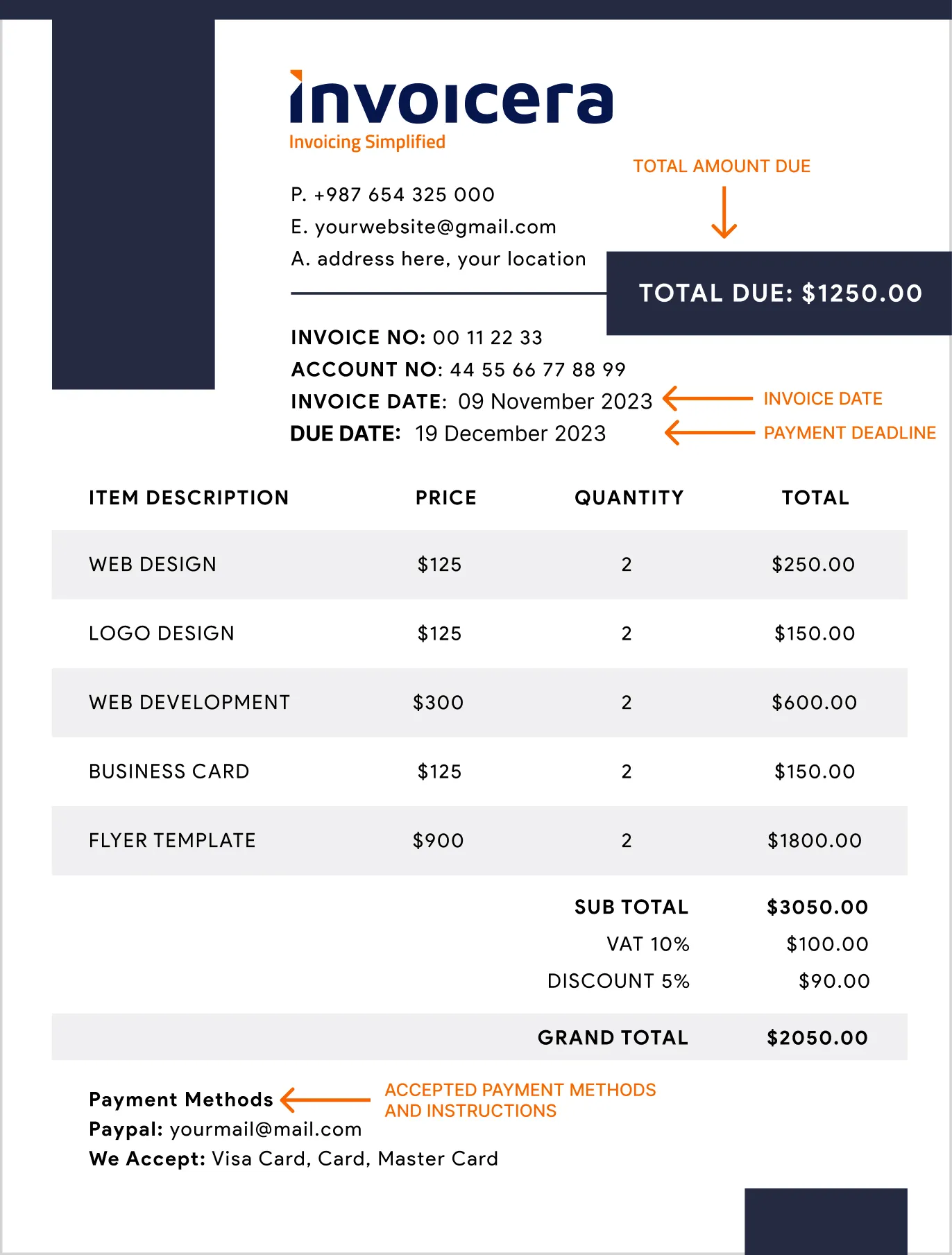
While the specific details may vary depending on the issuer and the type of account, most bill statements share a common set of essential components designed to provide a clear and actionable overview of financial activity. Mastering these elements is the first step towards informed financial decision-making.
Identification and Account Information
At the very top of any statement, you will find critical identifying information. This typically includes the name and address of the account holder, the account number, and the billing period covered by the statement. This information ensures the statement reaches the correct recipient and relates to the correct financial record. For businesses, this might also include a business name and relevant vendor or client IDs.
Summary of Account Activity
This section provides a high-level overview of the financial activity during the billing cycle. It usually presents a snapshot of the starting balance, new charges, payments received, credits applied, and the ending balance. For credit accounts, it will prominently display the minimum payment due and the payment due date. This summary acts as a quick reference point, allowing the account holder to grasp their current financial standing at a glance.
Detailed Transaction List
Following the summary, a detailed breakdown of every transaction processed during the billing period is provided. This is often the longest section of the statement and includes:
- Date of Transaction: When the purchase, payment, or activity occurred.
- Posting Date: When the transaction was recorded by the financial institution.
- Description: A clear explanation of the transaction (e.g., merchant name, payment received, interest charged, cash advance, deposit).
- Amount: The monetary value of each transaction, usually categorized as debits (charges) or credits (payments/refunds).
For bank statements, this would include deposits, withdrawals, transfers, and electronic payments. For credit cards, it lists all purchases, cash advances, balance transfers, and associated fees. Meticulously reviewing this section is crucial for verifying the accuracy of charges and identifying any unauthorized activity.
Fees, Interest, and Other Charges
Statements from lenders and credit providers will typically itemize any fees incurred (e.g., late payment fees, annual fees, foreign transaction fees, ATM fees) and the interest charged on outstanding balances. The method of calculating interest, often referred to as the Annual Percentage Rate (APR), may also be detailed. Understanding these charges is vital for managing the true cost of credit and avoiding unnecessary expenses.
Payment Information and Due Date
Perhaps the most critical information for credit and loan statements is the total amount due and the specific date by which that payment must be received to avoid late fees and maintain a good payment history. Minimum payment requirements, total outstanding balance, and sometimes even the total interest paid year-to-date might be included to give a fuller picture of the debt. This section often includes instructions on how to make payments, whether online, by mail, or in person.
Important Messages and Disclosures
Finally, statements often contain important messages, legal disclosures, and regulatory information. This could include changes to terms and conditions, updates on interest rates, promotional offers, or contact information for customer service and error resolution. Ignoring this section can lead to missed opportunities or unawareness of critical changes impacting your account.
Diverse Forms of Financial Records: Types of Bill Statements
The term “bill statement” is broad and encompasses a variety of financial documents, each tailored to specific types of accounts and financial relationships. While their core purpose remains consistent – to inform and document – their content and implications differ significantly.
Credit Card Statements
These are perhaps the most common type of bill statement. They detail all purchases, payments, cash advances, balance transfers, fees, and interest charges made on a credit card during a billing cycle. Key elements include the new balance, minimum payment due, payment due date, credit limit, available credit, and sometimes the impact of timely payments on interest accrual. Regular review is essential for managing credit utilization and avoiding debt accumulation.

Bank Account Statements (Checking and Savings)
Bank statements provide a comprehensive record of all financial activity within your checking or savings accounts. They list deposits, withdrawals, electronic transfers, ATM transactions, debit card purchases, cleared checks, and any service fees. These statements are vital for balancing your checkbook, tracking your spending, reconciling with your personal budget, and detecting any unauthorized transactions or errors.
Loan Statements (Mortgage, Auto, Student, Personal)
Loan statements detail the repayment schedule and activity for various types of loans. They typically show the original loan amount, current principal balance, interest paid, principal paid, escrow payments (for mortgages), and any late fees or charges. Mortgage statements, in particular, include an amortization schedule or a summary of interest and principal paid over the life of the loan. Understanding these statements is critical for tracking debt reduction and planning future financial obligations.
Utility Statements (Electricity, Water, Gas, Internet, Phone)
These statements itemize the consumption of services like electricity, water, natural gas, internet, and phone, along with the corresponding charges. They often include usage graphs, previous consumption comparisons, and explanations of different rate structures. Reviewing utility statements can help identify opportunities for conservation and cost savings.
Investment Account Statements
Provided by brokerage firms or fund managers, these statements offer a snapshot of an investment portfolio’s performance over a given period. They detail all buy and sell orders, dividend payments, interest earned, fees charged, and the current value of holdings. These are crucial for tracking investment growth, rebalancing portfolios, and tax planning.
Leveraging Your Statements for Financial Health
Understanding what a bill statement is and how to read it is merely the first step. The real value lies in actively using these documents as powerful tools for financial management, risk mitigation, and strategic planning.
Budgeting and Expense Tracking
Bill statements provide granular data on where your money is going. By categorizing transactions from credit card and bank statements, individuals can build realistic budgets, identify areas of overspending, and make informed adjustments to their financial habits. Businesses use statements for expense classification, ensuring that operational costs are tracked accurately and allocated correctly for accounting purposes.
Fraud Detection and Error Resolution
One of the most critical functions of reviewing statements is to identify unauthorized transactions or billing errors. Regularly scrutinizing every line item can help spot fraudulent purchases, incorrect charges, or duplicate billing. Promptly reporting discrepancies to the issuer is essential for dispute resolution and protecting your financial assets. Many financial institutions have a limited window for reporting such issues, making timely review paramount.
Credit Score Management
For credit card and loan statements, consistent on-time payments, as evidenced by your statements, are directly reported to credit bureaus. Paying at least the minimum amount by the due date contributes positively to your payment history, a primary factor in your credit score. Monitoring your total outstanding balance relative to your credit limits (credit utilization) through your statements also helps manage your credit score effectively.
Tax Preparation and Audit Trails
Bill statements are invaluable for tax preparation. They serve as official records of deductible expenses (e.g., business expenses, medical costs, charitable contributions), interest paid on loans, and investment gains or losses. For businesses, statements provide an indispensable audit trail for all financial transactions, crucial for internal reconciliation, external audits, and compliance with tax regulations. Maintaining organized digital or physical copies of statements simplifies the tax filing process and provides necessary documentation should questions arise.
Financial Planning and Goal Setting
By consolidating your financial history, bill statements offer insights into long-term spending patterns and financial trends. This historical data is essential for setting realistic financial goals, whether saving for a down payment, planning for retirement, or expanding a business. Analyzing past statements can reveal how previous financial decisions impacted your current standing, informing future strategies for wealth accumulation and debt reduction.
In essence, a bill statement transcends its basic role as a payment request. It is a critical financial diary, a risk management tool, and a strategic planning aid. Regular, diligent review of these documents is not merely an administrative task but a cornerstone of robust personal and business finance, empowering users to take control of their financial destiny.
aViewFromTheCave is a participant in the Amazon Services LLC Associates Program, an affiliate advertising program designed to provide a means for sites to earn advertising fees by advertising and linking to Amazon.com. Amazon, the Amazon logo, AmazonSupply, and the AmazonSupply logo are trademarks of Amazon.com, Inc. or its affiliates. As an Amazon Associate we earn affiliate commissions from qualifying purchases.